Bridging the Academic-Industry Gap: How the WordPress Credits Initiative is Shaping the Next Generation of Talent

The WordPress ecosystem, a foundational pillar of the modern internet powering over 40% of all websites, is undergoing a strategic evolution in its approach to human capital development. At the heart of this transformation is the WordPress Credits initiative, a program spearheaded by the WordPress Foundation to formalize the bridge between university-level education and the practical, real-world requirements of the global tech industry. By integrating student contributions directly into the open-source project, the initiative aims to solve two pressing issues: the stagnation of university curriculums and the persistent skills gap faced by small-to-medium-sized web agencies.
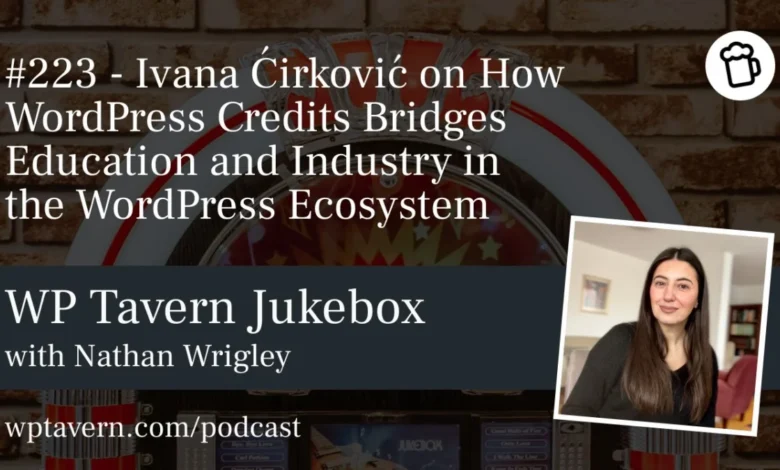
The program, which gained significant momentum following its rollout in late 2025, represents a departure from traditional, informal mentorship models. It provides a structured framework where students—under the guidance of experienced industry professionals like Ivana Ćirković, a veteran digital marketer and marketing lead at WPBakery—engage in substantive work, including translation, documentation, and technical contribution. This structured immersion ensures that students are not merely observing the open-source workflow but are active, verifiable participants in it.
The Mechanism of Modern Contribution
At its core, the WordPress Credits program functions as a symbiotic ecosystem. Universities provide the talent pipeline, while the WordPress Foundation provides the platform and pedagogical framework. Students participating in the program earn academic credit or professional certification for their work, which is recorded publicly on their official wordpress.org profiles. This transparency is a key differentiator, as it allows potential employers to verify a candidate’s contributions, ranging from code commits and bug reporting to language translation and content creation.
The rigor of the program is notable. Participants are held to the same standards as any other community contributor. For instance, in the translation track, a student must have a high volume of strings approved to receive credit. This requirement filters for quality and ensures that the work produced is genuinely valuable to the project. The accountability loop is managed by mentors who provide weekly assessments and guidance, simulating the professional environment of a distributed, remote-first technology company.
Addressing the Aging Demographic in Open Source
For over a decade, the WordPress community has grappled with a demographic challenge. While the platform has matured, the average age of its core contributors has steadily increased. Long-term community members have noted that the same faces appear at major events like WordCamp Europe year after year. This "institutional inertia" poses a long-term risk to the sustainability of the platform.
The WordPress Credits initiative is a direct response to this trend. By meeting students where they are—within their academic institutions—the Foundation is attempting to cultivate a new, younger demographic of contributors. The goal is to integrate these individuals into the WordPress workflow before they enter the job market, ensuring that the community remains vibrant and adaptive to the changing technological landscape.
The Business Case for Mentorship
While the initiative is primarily educational, the implications for the business sector are profound. Small and mid-sized web agencies often struggle with the "onboarding tax," where the time and resources required to train a junior employee can range from three to six months. This period is often characterized by significant lost productivity and the diversion of senior staff toward administrative and instructional tasks.
By engaging with the WordPress Credits program, businesses have a unique opportunity to identify and shape future talent. When agencies participate as mentors or sponsors, they gain firsthand insight into how students navigate complex, real-world problems. They observe how these individuals communicate in remote, asynchronous environments and how they approach technical or creative challenges. Consequently, these businesses can streamline their hiring process by selecting candidates who are already fluent in the tools, etiquette, and technical standards of the WordPress ecosystem.
Scaling the Initiative: Current Progress and Challenges
The program is currently in a nascent stage, having completed its initial pilot generation of students. Early results indicate high engagement, with participants reporting a shift in their perception of digital work. However, the path to widespread adoption is not without challenges. One of the primary hurdles is the lack of a standardized, "off-the-shelf" onboarding program that agencies can easily adopt.
Currently, the onus of structure falls heavily on individual mentors. As the program grows, there is a clear need for a more formalized "playbook" that businesses can implement without extensive internal R&D. Furthermore, the initiative must navigate the diversity of university requirements. Aligning the WordPress Credits workload with the varying semester schedules and credit-weighting systems of international universities requires significant administrative coordination between the Foundation and academic administrators.
Future Implications for the Digital Workforce
Looking forward, the success of the WordPress Credits initiative will likely be measured by its ability to create a sustainable pipeline of talent that is both technologically proficient and culturally aligned with open-source values. In five years, if the program hits its targets, we can expect to see a more diverse array of professionals contributing to the platform.
This, in turn, could lead to a revitalization of the ecosystem. Younger contributors, who have grown up in a post-mobile, AI-integrated world, may introduce perspectives on user experience and development that differ significantly from the current cohort. The initiative essentially serves as an incubator for the next generation of leadership in the WordPress space.
Strategic Recommendations for Stakeholders
For universities, the adoption of the WordPress Credits program offers a pathway to modernize their curricula, moving away from abstract theory toward industry-relevant, practical application. Institutions that incorporate these modules into their programs become more attractive to students who prioritize career readiness and portfolio development.
For businesses, the recommendation is clear: move beyond passive recruitment. By embedding staff as mentors within the program, agencies can influence the quality of the talent pool while simultaneously reducing their long-term recruitment and onboarding costs. The investment of time required to mentor a student is, in effect, an investment in the long-term health of the business’s own human resource pipeline.
Conclusion
The WordPress Credits initiative is a pragmatic, well-structured response to a common problem in the open-source world: the disconnect between academic training and industrial application. By providing a transparent, merit-based system for professional development, the WordPress Foundation is not only securing the future of its platform but is also providing students with a tangible competitive advantage in a volatile job market. As the program evolves and scales, it will likely serve as a blueprint for other open-source projects seeking to bridge the gap between academia and the professional workforce. The transition from a "community of hobbyists" to a "community of professionals" is a delicate one, and programs like this are essential to ensuring that the next generation of developers, marketers, and designers are equipped to carry the torch forward.