The landscape of generative artificial intelligence has undergone a profound metamorphosis, transitioning from experimental laboratory projects to accessible, enterprise-grade toolsets that empower creators across the globe. LimeWire, a brand historically synonymous with digital media distribution, has officially entered this ecosystem with the launch of its new Developer API. This strategic move aims to lower the barrier to entry for engineers and developers, enabling the programmatic creation of dynamic AI-generated imagery and advanced upscaling capabilities directly within third-party applications. By shifting from a consumer-facing platform to an infrastructure provider, LimeWire is positioning itself at the nexus of the burgeoning AI-as-a-service market.
The Evolution of the LimeWire Brand
To understand the significance of this launch, one must view it through the lens of the company’s broader corporate evolution. Once a household name in the early 2000s for peer-to-peer file sharing, LimeWire successfully rebranded itself in recent years as a digital collectibles marketplace and a hub for AI-driven creativity. This pivot reflects a wider industry trend where legacy technology brands leverage their recognizable names to capture market share in the high-growth generative AI sector.
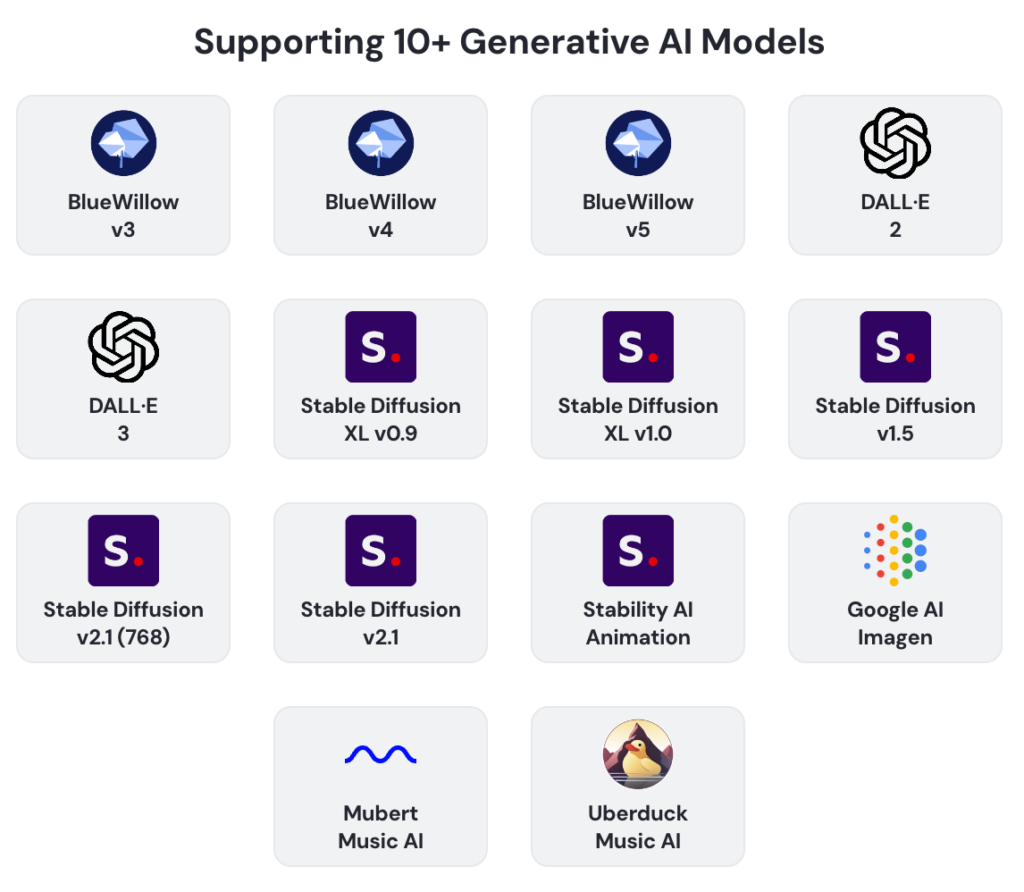
The introduction of the Developer API is the logical next step in this transformation. While existing platforms like Midjourney, DALL-E, and Stable Diffusion have dominated the creative space, many require manual interaction via web interfaces or chat applications. LimeWire’s API differentiates itself by focusing on seamless integration, allowing developers to automate the generation of visual assets, thereby reducing the reliance on external stock photography or manual graphic design workflows.
Technical Implementation and API Capabilities
At its core, the LimeWire Developer API is designed for simplicity and efficiency, adhering to standard RESTful architecture. The documentation provided by the firm suggests a low-latency approach to image generation, which is critical for applications that require real-time visual output.
The primary endpoint allows developers to transmit a natural language prompt, define aspect ratios, and receive high-fidelity images in response. This functionality is supported by a robust backend that manages the complex diffusion models, abstracting away the heavy computational requirements usually associated with high-quality AI image generation. Furthermore, the API includes an upscaling feature. By utilizing a specific image asset ID, developers can trigger a 4x upscale, a feature that addresses the common issue of AI-generated content lacking the resolution necessary for professional print or high-definition digital display.

For a developer, the implementation is straightforward. Using a standard POST request, the application handles authorization via a bearer token and specifies the desired parameters in JSON format. This modularity means that an e-commerce platform could theoretically generate product mockups on the fly, or a blogging platform could automatically generate hero images based on the textual sentiment of an article, drastically reducing content creation overhead.
Market Context and Generative AI Growth
The release of the LimeWire API arrives during a period of unprecedented expansion in the generative AI market. According to recent industry reports, the global generative AI market is expected to reach a valuation exceeding $100 billion by 2030, with media and creative tools representing a significant portion of that growth. This surge is driven by a democratization of sophisticated machine learning models that were, until recently, gated behind high costs and extreme technical expertise.
The competition in this space is fierce. Major players like OpenAI and Adobe have integrated generative tools directly into their product suites. However, LimeWire’s focus on providing a dedicated API for smaller developers and mid-sized enterprises fills a crucial niche. While large corporations may build internal tools, developers building niche applications, content management systems (CMS), or social media tools require lightweight, reliable APIs that do not require an entire infrastructure overhaul to implement.
Strategic Implications for Digital Content Creators
The broader impact of this technological shift cannot be overstated. For digital publishers, the ability to automate visual assets via API creates a paradigm shift in how content is produced. Historically, the process of sourcing images involved licensing fees, long wait times for design, or the arduous task of manually searching through stock photography databases. By integrating the LimeWire API, a publisher can effectively automate the visual accompaniment to their written work.
The implication for authors and storytellers is equally significant. With the ability to feed narrative arcs or character descriptions directly into an API, writers can generate consistent visual representations of their work without needing to be professional illustrators. This collaborative relationship between text and image generation is expected to redefine digital storytelling.
Regulatory and Ethical Considerations
As LimeWire expands its footprint in the AI sector, it also enters a complex regulatory environment. The use of generative AI is currently subject to intense scrutiny regarding copyright, data sourcing, and deepfake prevention. Like many industry leaders, LimeWire must navigate the balance between providing powerful creative tools and ensuring that its models are used in compliance with emerging global standards.
Industry observers note that the success of such APIs will depend largely on the company’s commitment to safety filters and transparency. By providing a controlled API environment, LimeWire is better positioned to enforce usage policies than platforms that rely on open-source, decentralized models. The professionalization of these tools is a necessary step toward widespread adoption in corporate and editorial environments, where legal risk mitigation is a primary concern.
Future Trajectories: Beyond Static Imagery
Looking toward the future, the integration of generative AI via API is likely to move beyond static imagery. As generative video, audio, and 3D modeling technologies mature, companies like LimeWire are expected to expand their API capabilities to include these mediums. The foundation laid by the current image-generation API provides a blueprint for a unified media-generation ecosystem.
The transition from a P2P media company to a provider of generative AI infrastructure represents a broader cultural trend. Legacy digital companies are finding that their survival depends on their ability to pivot toward the most transformative technologies of the era. By enabling developers to build the next generation of creative applications, LimeWire is moving from being a distribution channel to being an essential component of the creative process itself.
Conclusion
The launch of the LimeWire Developer API serves as a testament to the rapid maturation of generative AI as a utility. By prioritizing ease of use, scalability, and integration, LimeWire has positioned itself to support a new generation of developers and creators. While the competitive landscape remains crowded and the regulatory environment is still evolving, the accessibility provided by this API marks a significant step forward in the democratization of visual media production.
For engineers, the promise is clear: the ability to build sophisticated, AI-driven visual systems with minimal overhead. For the broader tech industry, it is a sign that the era of AI-as-a-service is no longer just a trend, but a standard requirement for any platform looking to remain competitive in the digital age. As LimeWire continues to iterate on its technology, the focus will likely remain on enhancing model performance and expanding the breadth of creative output, ensuring that the company remains at the forefront of the AI-driven creative revolution for the foreseeable future. The integration of such tools into the daily workflows of developers and creators worldwide is not just an optimization of labor, but a fundamental expansion of the human creative capacity.