Buffer Introduces Real-Time Collaborative Notes to Streamline Social Media Management

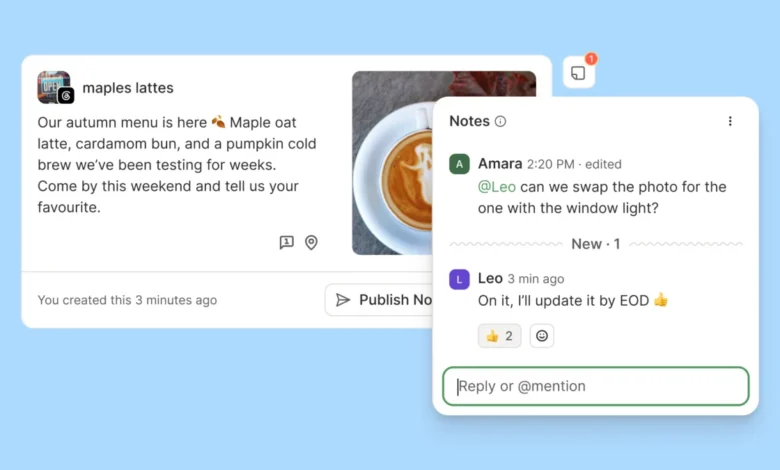
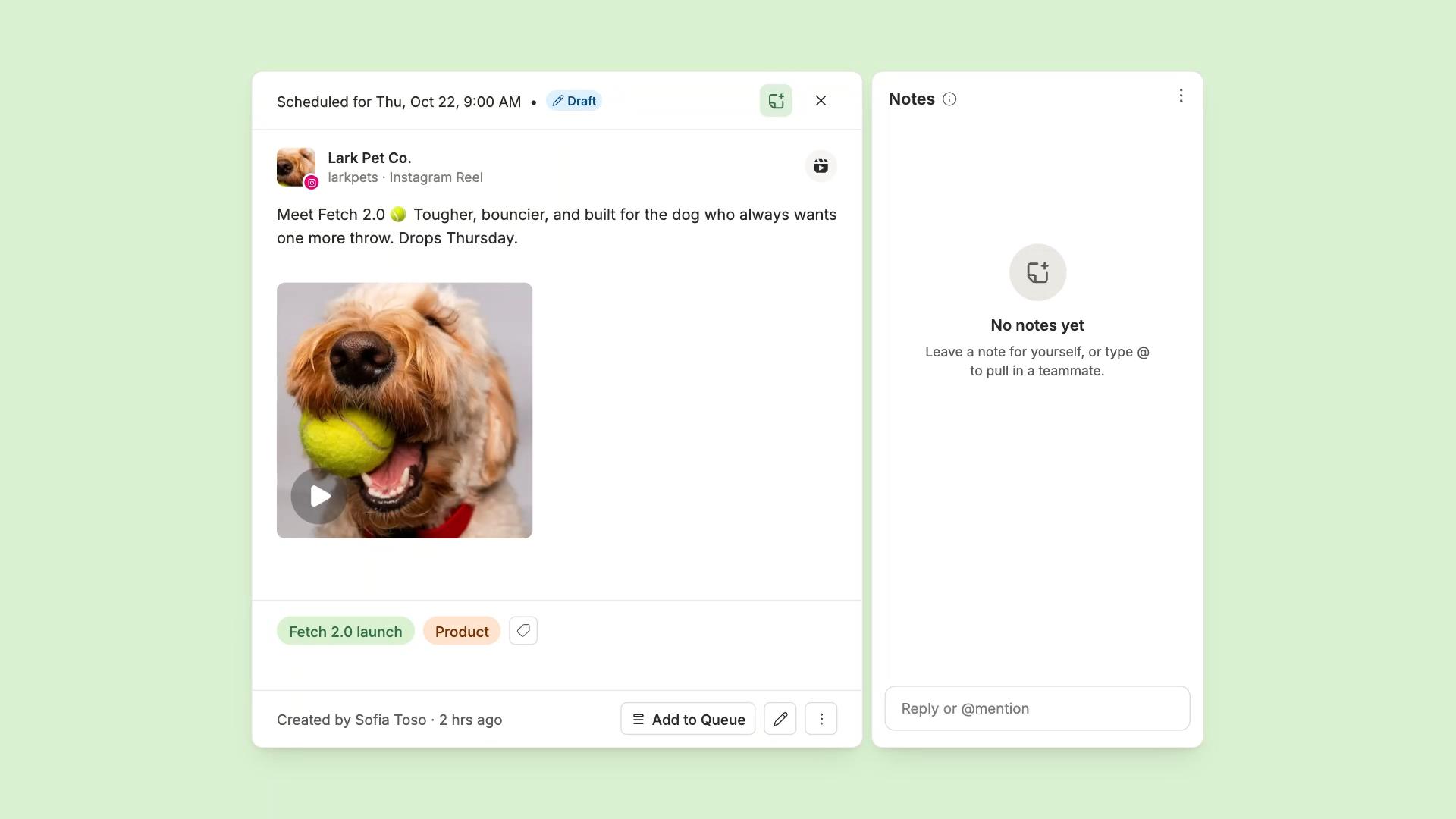
Managing social media campaigns across diverse teams has historically been a fragmented experience characterized by disjointed communication channels and information silos. For marketing departments and social media agencies, the operational friction of toggling between email, project management software, Slack, and direct messages to coordinate content approvals has long been a source of inefficiency. Buffer, a prominent social media management platform, has officially addressed these workflow challenges with the launch of its enhanced "Notes" feature, designed to centralize feedback and internal communication directly within the post-drafting interface.
The Evolution of Collaborative Social Media Management
The rise of the creator economy and the professionalization of social media marketing have necessitated tools that prioritize team synchronization. Industry data suggests that medium-to-large marketing teams spend upwards of 20% of their time on administrative coordination—searching for the latest version of a post or reconciling conflicting feedback provided across multiple channels. By integrating a collaborative notes system, Buffer aims to reduce the "red thread" of communication—the metaphorical tangle of dispersed messages that teams must navigate to finalize content.
Historically, social media platforms and their management tools operated as unilateral publishing environments. As organizations scaled, these platforms struggled to incorporate the nuanced, iterative nature of creative collaboration. The recent update from Buffer marks a shift toward treating the social media dashboard as a central hub for professional project management rather than a simple scheduling utility.
Technical Capabilities and Feature Integration
The core of the new update lies in its ability to facilitate real-time interaction between team members. The feature set includes:
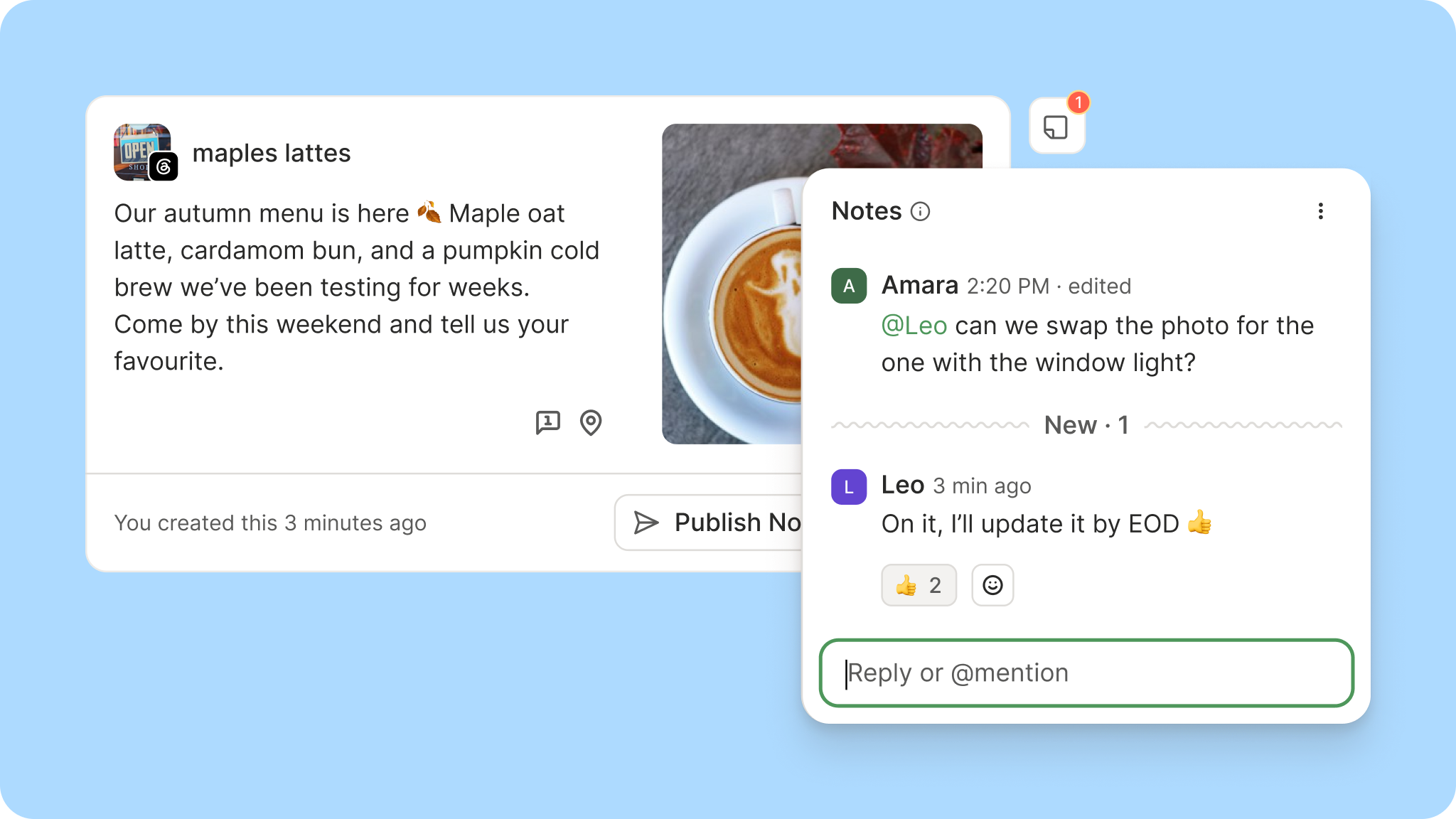
- Mentions and Direct Notifications: Users can utilize the "@" symbol to tag specific teammates, ensuring that accountability is clear and feedback is targeted. These tags trigger immediate email notifications, bridging the gap between those actively using the dashboard and those working asynchronously.
- Live Synchronization: By leveraging WebSocket technology, the notes appear in real-time. This eliminates the need for page refreshes, allowing collaborators to engage in immediate dialogue, resolve discrepancies, and finalize content revisions in a single session.
- Markdown Support: To accommodate complex creative briefs, the tool now supports Markdown formatting. This allows for the inclusion of hyperlinks, hierarchical lists, and headings, which are essential for managing lengthy editorial feedback or complex campaign instructions.
- Emoji Reactions: Recognizing the need for lightweight communication, the platform has introduced emoji reactions. This reduces the noise of "acknowledgment" messages, allowing users to confirm they have seen or approved a note without cluttering the thread with text-based replies.
These features are available across all service tiers, including the free plan. By extending this functionality to entry-level users, Buffer is positioning its product as a foundational tool for independent creators and small businesses who intend to scale their operations as they grow.
The Branding Dilemma: Notes vs. Discussions
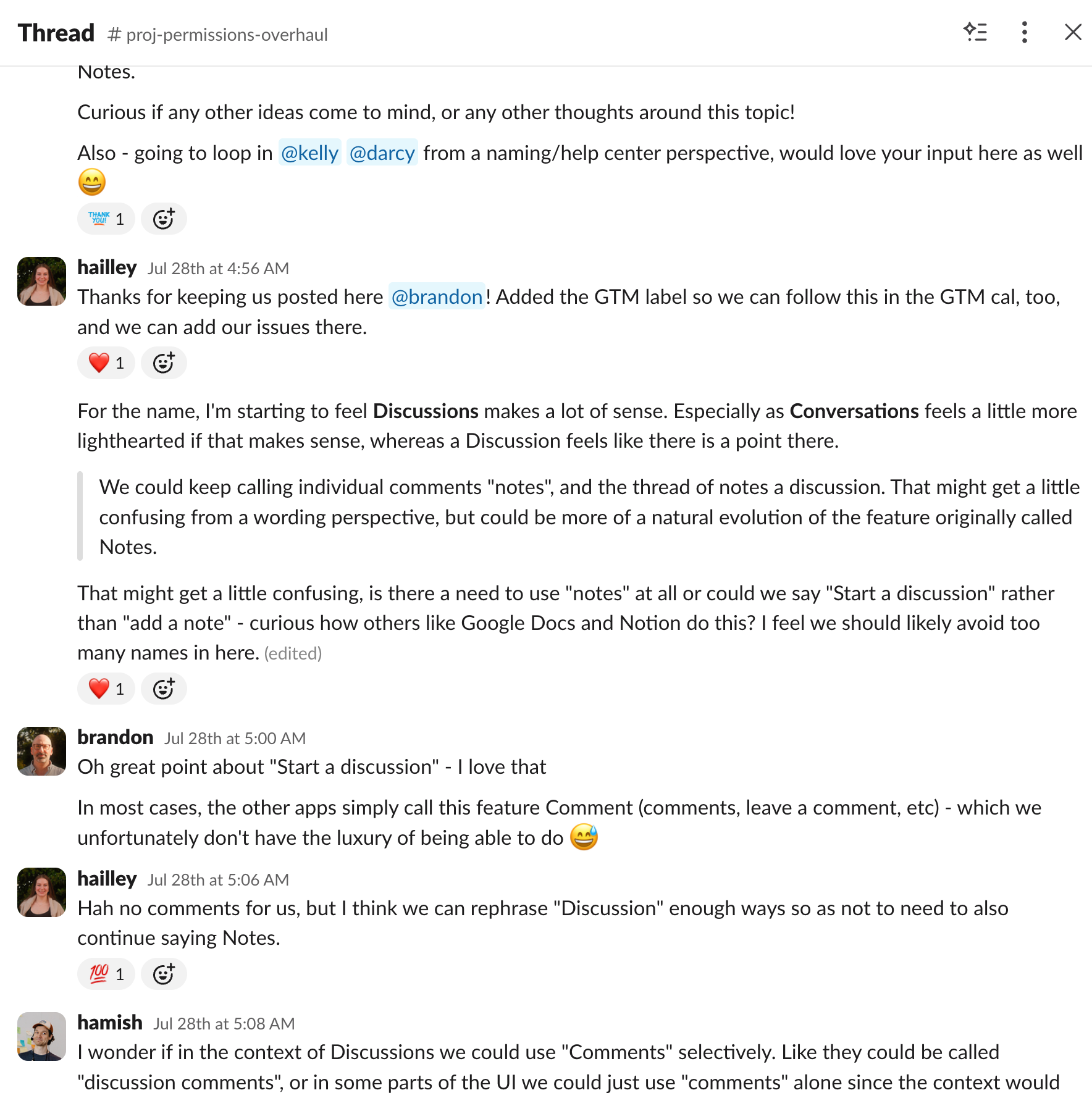
The development process for this feature involved a significant internal debate regarding nomenclature. During the scoping phase, the Buffer product team evaluated whether the term "Notes" accurately reflected the evolving, highly interactive nature of the tool.
Project documentation indicates that "Discussions" and "Conversations" were strong contenders for the feature’s name. Proponents of these alternatives argued that "Notes" implied a static, one-way communication style, whereas the new functionality—complete with threads, mentions, and live updates—constituted a true back-and-forth dialogue. However, the team eventually opted to retain the original branding. The decision was rooted in user-experience research suggesting that "Notes" aligns more naturally with the professional vernacular of marketing teams. The term implies a low-pressure, iterative environment, which the company deemed essential for maintaining a user-friendly atmosphere. The company has noted that should the feature expand into a more comprehensive team-communication suite, a rebranding could be reconsidered in the future.
Strategic Impact for Agencies and Enterprises
For digital agencies that manage dozens of client accounts simultaneously, the implementation of centralized notes serves as an audit trail. In a professional agency setting, accountability is paramount; having a permanent, searchable record of who requested a change and when that change was approved protects both the agency and the client.
Furthermore, for businesses operating in a remote or hybrid capacity, the tool acts as a "knowledge handover" mechanism. Team members working across disparate time zones can leave detailed context on a draft, ensuring that the baton is passed effectively without the need for additional video meetings or synchronous check-ins. This capability is particularly vital for organizations that rely on global talent to maintain a 24/7 social media presence.
Industry Context and Future Roadmap
The broader social media management software market is currently undergoing a period of consolidation and refinement. Competitors such as Hootsuite, Sprout Social, and Canva are similarly prioritizing collaborative workflows to increase user retention. By reducing the number of external tools required to manage a single social media post, Buffer is effectively increasing its "stickiness" as a platform.
This release represents only the initial phase of a broader commitment to collaboration. According to representatives from Buffer, the real-time infrastructure developed for this update serves as the technical foundation for upcoming collaborative features. While the company has kept its future roadmap private, the emphasis on real-time data flow suggests that the next wave of developments may focus on more advanced approval workflows, version control, and potentially third-party integrations that allow for external client feedback loops.
Operational Analysis: The "Red Thread" Problem
The "red thread" mentioned by the developers refers to the cognitive and operational load required to track information across disparate platforms. In the past, a content manager might receive an Instagram post’s copy via Slack, a design request via an email thread, and a client’s final sign-off via a separate project management tool like Asana or Trello. The potential for error—such as missing an email or misinterpreting a Slack thread—increases exponentially with each added channel.
By consolidating these inputs, Buffer is attempting to minimize the "context switching" tax. According to research from the American Psychological Association, context switching can reduce productivity by up to 40%. By keeping the communication within the context of the asset being created, Buffer is effectively optimizing the cognitive flow of social media teams.
Conclusion and Implementation
The deployment of these collaborative features marks a strategic pivot for Buffer. By moving beyond simple scheduling and into the realm of collaborative workspace management, the company is catering to the professionalization of the social media industry.
For existing users, the functionality is already live within the post-drafting dashboard. For those currently relying on third-party tools to manage their team feedback, the update provides a compelling reason to migrate that activity back into the primary scheduling environment. As teams of all sizes continue to navigate the complexities of digital content production, tools that minimize administrative friction while maximizing team transparency will likely become the standard for the industry. Whether for a team of two or an agency with twenty, the ability to centralize, track, and execute on feedback in real-time is no longer a luxury, but a necessity for operational success in a high-velocity digital environment.