Instagram Eyes a Return to Long-Form Video with New Features, Series, and Connected TV Integration

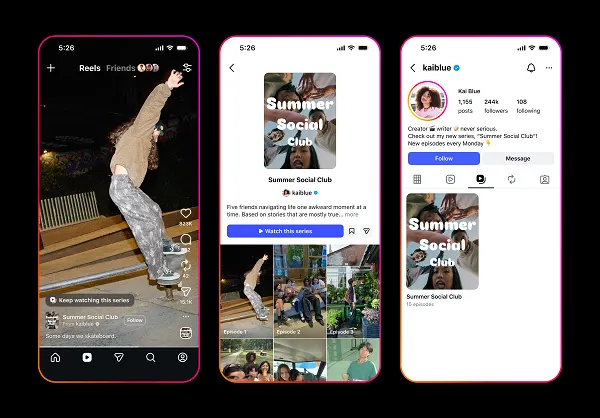
In a strategic pivot that signals a renewed ambition to capture the attention of creators and viewers alike, Instagram leadership recently previewed a suite of long-form video tools currently undergoing early testing. Head of Instagram Adam Mosseri and Vice President of Product Tessa Lyons showcased the new capabilities, which include 90-minute video uploads, episodic content grouping via Series, and enhanced connectivity with television screens. This move represents a calculated effort by the Meta-owned platform to deepen user engagement, support extended storytelling, and compete directly with major video and streaming giants like YouTube and TikTok.
The newly announced tools are designed to diversify the types of content hosted on a platform historically dominated by short-form imagery and quick vertical clips. As digital media consumption habits continue to shift toward living room displays and serialized programming, Instagram is working to ensure its ecosystem remains viable for creators who produce podcasts, vlogs, investigative interviews, and narrative micro-content. However, this expansion brings to the forefront longstanding questions regarding the platform’s historical struggles with long-form content and the disparity in creator monetization when compared to established competitors.
A Closer Look at the New Long-Form Formats
The centerpiece of Instagram’s latest push is a feature tentatively called Features, which allows selected creators to upload videos lasting up to 90 minutes. This substantial increase in duration is intended to accommodate in-depth content formats that previously required external platforms like YouTube or dedicated podcast networks. By lifting traditional time constraints, Instagram aims to give creators an all-inclusive space to build and retain community engagement without forcing audiences to leave the application.
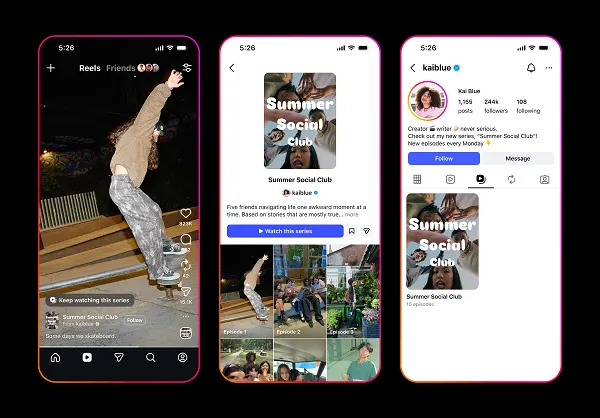
Complementing Features are two additional organizational tools: Clips as Reels and Series. The Clips as Reels functionality allows creators to link up to eight individual Reels back to a single primary long-form video post, bridging the gap between bite-sized discovery content and deep-dive viewing. Meanwhile, the Series option enables creators to group episodic Reels within a dedicated topic set or narrative theme. This structure facilitates chronological or thematic viewing, encouraging audiences to stay within a creator’s ecosystem for extended periods.
According to platform disclosures, these tools have undergone initial testing phases with select creators in Brazil. The rollout is expanding to select creators in the United States, with a broader global deployment anticipated in the coming months as Meta gathers performance data and user feedback.
The Shadow of IGTV: A Historical Context
Instagram’s renewed interest in extended video content arrives against the backdrop of past experimentation that ultimately failed to gain traction. In June 2018, the platform launched IGTV, a standalone application dedicated to vertical long-form video designed to rival traditional broadcasting and established video-sharing sites. IGTV offered creators a dedicated space to publish videos up to an hour long and promised new monetization pathways through ad revenue sharing.
Despite significant marketing efforts and early industry enthusiasm, IGTV struggled to capture mainstream consumer habits. Users accustomed to scrolling through quick, highly digestible feeds found the separate application friction-heavy, and creators frequently diverted their primary long-form efforts to platforms with more mature monetization and discovery mechanisms. By March 2022, Meta formally announced the closure of the standalone IGTV app, rolling all video posting formats into the primary Instagram application under the unified Reels banner.
Industry analysts note that this historical misstep casts a long shadow over the current rollout. However, platform executives and product leads are betting that consumer behaviors have evolved considerably over the past several years. With the widespread adoption of vertical video across all demographics and an increasing appetite for creator-led programming on home television sets, Instagram’s leadership believes the timing may finally be right for long-form integration within the main application interface.
The Competitive Landscape: YouTube and TikTok
Instagram’s strategic pivot is widely viewed as a defensive and offensive maneuver against the market dominance of YouTube and TikTok. The video-sharing landscape has undergone a profound transformation, driven in large part by the migration of digital content onto connected television (CTV) devices in living rooms worldwide.
According to data compiled by Nielsen, YouTube has solidified its position as the dominant streaming content provider in the United States, commanding a significant share of television viewing time. Furthermore, internal figures released by YouTube indicate that global users now watch more than one billion hours of YouTube content on home television sets every single day. This shift highlights the blurring lines between traditional television viewing and creator-led digital video.
Concurrently, TikTok has aggressively expanded its content ecosystem beyond traditional short-form dance and comedy clips. The platform has leaned heavily into microdramas, serialized storytelling partnerships with production studios, and extended livestreaming options, successfully training its user base to consume longer, highly serialized narratives on mobile devices.
Faced with these multi-front competitive pressures, Instagram recognizes that failing to offer robust long-form and television-compatible options could relegate the platform to a secondary status for top-tier creators who manage multi-platform distribution strategies.
Monetization Disparities and Creator Incentives
While expanding technical capabilities is a critical first step, industry analysts emphasize that the success of Instagram’s long-form initiative will heavily depend on equitable and competitive monetization pathways. At present, a significant chasm exists between the revenue potential offered by established networks like YouTube and the earning opportunities available on Meta’s applications.
Data from independent creator economy researchers, including insights published by VidIQ, illustrates a stark contrast in creator compensation models. YouTube’s long-standing Partner Program shares ad revenue directly with creators, typically yielding between $1 and $10 per 1,000 long-form views, depending on niche, audience demographics, and advertiser demand. By contrast, monetization on Instagram based purely on organic platform views remains negligible unless creators secure independent brand sponsorships or external partnership deals.
Comparative earnings estimates underscore this disparity. Top-tier creators with subscriber bases exceeding one million on YouTube routinely report monthly earnings of approximately $50,000 from ad revenue alone. Creators with comparable followings on Instagram often earn significantly less from native platform features, relying instead on affiliate marketing, external merchandise, or sponsored posts. Without a more lucrative, reliable, and transparent native revenue-sharing model for long-form views, Instagram may struggle to convince major content producers to anchor their primary serialized projects to the platform.
Connected TV Integration and Phone-As-Remote Functionality
As part of its broader push into living room environments, Instagram is also refining its connected TV application ecosystem. Initially updated in December with a renewed focus on large-screen video consumption, the CTV interface serves as a natural extension of the platform’s long-form and series-based content strategy.
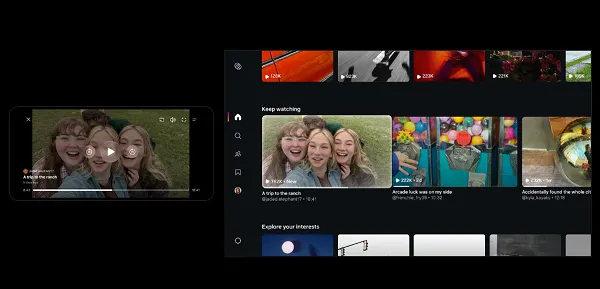
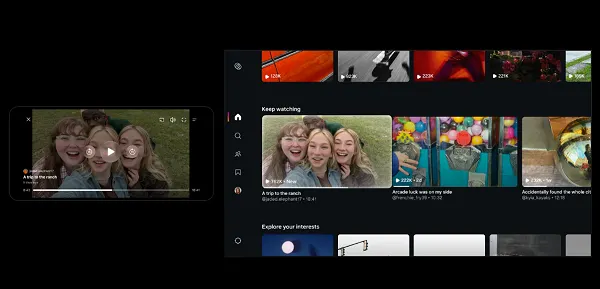
To address the inherent navigation challenges of using standard television remotes within a social media application, Instagram is developing a feature that allows users to utilize their mobile phones as remote controls. This functionality aims to bridge the mobile and television viewing experiences, enabling seamless content discovery, browsing, and playback control through familiar touch interfaces. By making the transition from mobile scrolling to television viewing as frictionless as possible, Instagram hopes to drive sustained daily engagement and increase overall watch time.
Implications and Outlook for the Creator Economy
The introduction of 90-minute uploads, episodic series grouping, and enhanced CTV integration marks a defining moment in Instagram’s product evolution. By attempting to unify short-form discovery with long-form retention, the platform is seeking to transform itself from a casual photo and clip-sharing app into a comprehensive entertainment destination.
The ultimate success of this initiative will hinge on execution, creator adoption, and financial viability. While technical features and living room accessibility provide the infrastructure for extended viewing, sustainable growth will require addressing the underlying monetization gaps that have historically disadvantaged platform creators. As the rollout expands to U.S. creators and beyond in the coming months, industry observers will closely monitor whether audiences embrace Instagram as a destination for long-form narratives or if the ghost of IGTV will continue to influence the platform’s trajectory.
Related posts: