The Ethics of Freemium: Navigating the Bait-and-Switch Trap in the WordPress Plugin Ecosystem

The WordPress ecosystem, which powers over 40% of the world’s websites, has long relied on the "freemium" model as a primary growth engine for plugin developers. This business strategy, characterized by offering a functional version of software for free with the option to purchase "Pro" or "Premium" features, has facilitated the growth of a multi-million dollar economy. However, as the marketplace has become increasingly saturated, a contentious practice known as "bait-and-switch" has emerged, leading to widespread frustration among site owners and developers alike.
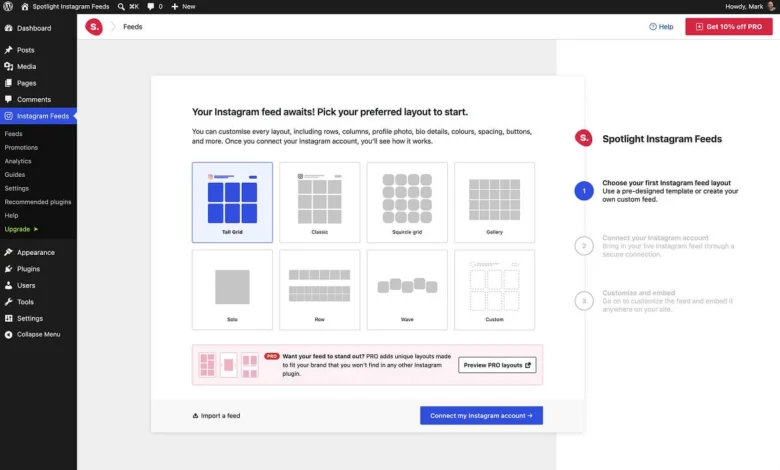
The bait-and-switch phenomenon occurs when a plugin’s free version is marketed as a complete solution, only for the user to encounter an unexpected paywall mid-workflow. This often happens after the user has already invested significant time configuring the tool, creating a sense of entrapment. While the WordPress.org repository—the official hub for plugin distribution—has established clear guidelines to mitigate these practices, the rise of "gray-area" marketing tactics has forced a industry-wide reevaluation of what constitutes ethical software development.
A Chronology of the Freemium Evolution
In the early days of WordPress, the plugin directory was largely populated by open-source tools maintained by volunteers. As the platform professionalized, developers began to adopt the freemium model to sustain the costs of development and support. By the mid-2010s, companies like Automattic and various independent developers proved that scalable, sustainable businesses could be built on the WordPress foundation.
However, the competition for visibility intensified. As the number of plugins surpassed 60,000 in the official directory, the pressure to convert free users into paid subscribers grew. This led to a shift in product design strategies. Developers began implementing "limitation-based" models where core features were restricted to paid tiers. While industry standards generally favored transparency, a subset of developers began utilizing "nags"—persistent, often intrusive prompts—and hidden usage caps that were only revealed once the user was deep into the onboarding process.
The Regulatory Framework: WordPress.org Guidelines
The WordPress.org plugin directory is governed by a strict set of guidelines designed to protect the user experience and ensure the integrity of the ecosystem. Guideline 5, which explicitly prohibits "Trialware," serves as the primary defense against deceptive practices. It states that plugins may not contain functionality that is locked or restricted to be released only via payment, nor can features be disabled after a specific quota or time period.
Despite these rules, the enforcement of these policies is notoriously difficult. Many developers circumvent these restrictions by hosting their "Pro" code as a separate, external plugin, a practice permitted by the guidelines. Furthermore, the guidelines for "Upgrade Prompts" (Guideline 11) dictate that marketing messages must be limited in scope and context. Yet, as the market has grown, the line between an honest upsell and a "ransom-style" prompt has become increasingly blurred. Many developers argue that they are simply optimizing for conversion, while critics maintain that such tactics damage the long-term reputation of the WordPress platform.
Data and Economic Implications
The financial implications of these tactics are significant. A study of user retention within the WordPress repository indicates that plugins perceived as "deceptive" by the user base experience a 40% higher churn rate compared to those with transparent pricing models. Furthermore, the long-term impact on a developer’s search ranking is measurable. WordPress.org’s ranking algorithm heavily weights user reviews and ratings. When a wave of negative reviews citing "bait-and-switch" tactics occurs, the plugin’s visibility in search results often drops, leading to a permanent loss in organic traffic that can take years to recover.

The support cost of such models is another often-overlooked factor. Developers frequently report that hidden limits lead to a surge in support tickets from users who believe the software is broken. This creates an "invisible tax" on the developer’s time, as they must dedicate resources to explain why a feature is restricted rather than improving the software’s core functionality.
Expert Perspectives on Ethical Development
Industry veterans, including those who have managed major WordPress assets for over a decade, have begun to advocate for a "transparency-first" approach. The consensus among these experts is that the free tier should represent a complete, functional tool for a specific use case, rather than a crippled version of a premium product.
"Trust is a currency," notes one industry analyst. "In a digital ecosystem where a competitor can replicate a feature in a weekend, the only true moat a business has is the trust of its user base."
The current debate centers on whether the WordPress Foundation should move to tighten its guidelines further. Some stakeholders suggest that the repository should mandate a "feature comparison" disclosure on the primary landing page of every plugin, ensuring that users understand the limitations of the free version before installation. Others argue that market forces will naturally weed out dishonest developers, as users gravitate toward brands that prioritize clarity and user autonomy.
The "Honest Tier" Framework
To combat the prevalence of bait-and-switch tactics, several best practices have emerged within the professional developer community:
- Functional Integrity: If a free version is provided, it should perform a specific, smaller job in its entirety. Instead of limiting the number of times a feature can be used (a "counter" model), developers are encouraged to limit the complexity or the number of integrations, while keeping the core functionality operational indefinitely.
- Upfront Disclosure: Limitations should be explicitly stated in the plugin’s readme file and on the initial configuration screen. By making the "boundary" of the free version clear at the onset, developers allow users to make an informed decision, which significantly reduces the likelihood of negative reviews and "tricked" users.
- Contextual Upselling: Pro features should be introduced when a user has achieved a "win"—that is, when they have successfully utilized the free version and are primed for an upgrade to expand their capabilities. This approach positions the premium tier as a tool for growth rather than a hurdle to success.
- License Sustainability: A crucial aspect of ethical freemium design is the handling of license expiration. If a user chooses not to renew their paid subscription, the core functionality should remain intact. Breaking a user’s existing site setup to force a renewal is widely considered the most aggressive and damaging practice in the ecosystem.
Future Outlook and Industry Impact
As the WordPress ecosystem continues to evolve, the distinction between high-quality, transparent plugins and those relying on predatory marketing will likely become the primary differentiator for success. The rise of sophisticated "admin notice" management tools suggests that users are actively seeking ways to block the intrusive marketing tactics used by some developers. This shift in user behavior is a clear signal that the community is losing patience with deceptive practices.
For those building or acquiring WordPress plugin businesses, the "free-to-paid" transition is no longer just a technical challenge; it is a critical branding exercise. Plugins that treat their free users with respect tend to foster a loyal community that acts as a marketing engine, leading to higher long-term customer lifetime value. Conversely, those that rely on "gotcha" moments to drive conversions are increasingly finding themselves marginalized by a more informed and vocal user base.
Ultimately, the goal of the freemium model should be to serve as a gateway to value. When a developer prioritizes the user experience over short-term conversion metrics, the result is a healthier, more sustainable software ecosystem. As the industry matures, it is expected that developers who embrace these ethical guidelines will continue to thrive, while those who persist in using bait-and-switch tactics will find their influence—and their revenue—steadily decline. The sustainability of the WordPress plugin economy depends entirely on the willingness of its contributors to prioritize transparency and user trust above the immediate temptation of the quick conversion.