The global design community has unveiled its latest collection of creative desktop backgrounds for April 2026, marking another milestone in a monthly tradition that has spanned more than 15 years. Curated by Smashing Magazine, this initiative continues to serve as a bridge between professional designers and aspiring artists, offering a platform for global talent to showcase their work while providing digital users with high-quality, inspiring environments for their workstations. The April edition features a diverse array of themes, ranging from the floral resurgence of spring and Easter festivities to tributes to iconic musical legends and minimalist conceptual art.
The Evolution of the Monthly Wallpaper Initiative
The monthly wallpaper series began in the late 2000s as a way to foster community engagement within the graphic design and web development sectors. What started as a small-scale project has evolved into a massive international repository of digital art. For over 180 consecutive months, the project has maintained a "by the community, for the community" ethos, ensuring that the content remains fresh, diverse, and representative of global aesthetic trends.
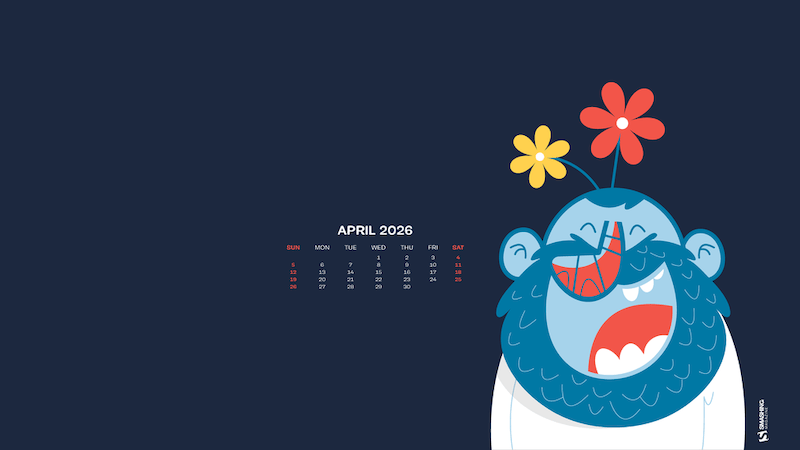
In the early years of the series, submissions were primarily focused on standard desktop resolutions. However, as the hardware landscape shifted toward high-density displays, 4K monitors, and mobile devices, the technical requirements for contributors became more stringent. Today, the wallpapers are provided in a wide variety of resolutions to accommodate everything from ultrawide monitors to tablet screens. This adaptability reflects the broader evolution of digital ergonomics, where the visual aesthetics of a workspace are recognized as a significant factor in user productivity and mental well-being.
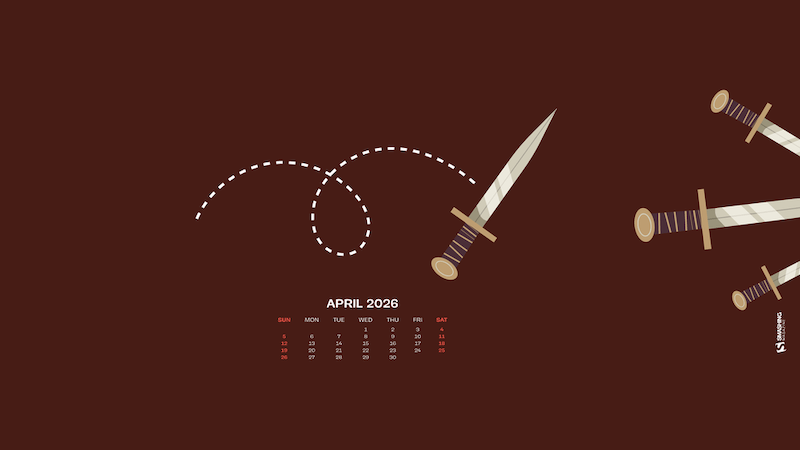
April 2026 Collection: Themes of Renewal and Reflection
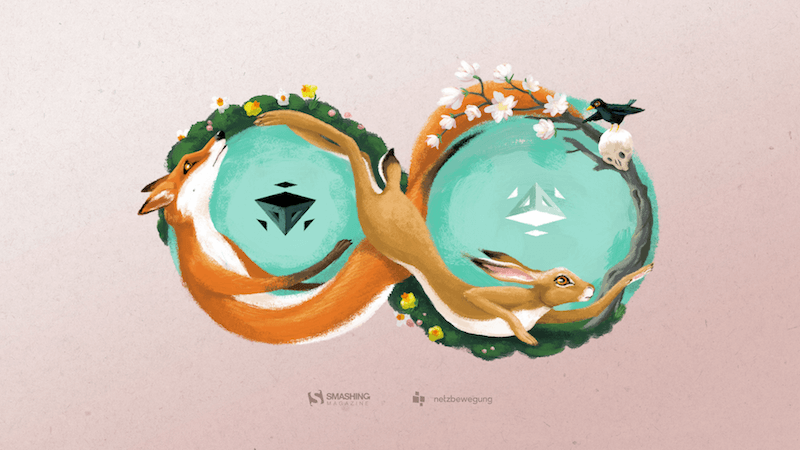
The April 2026 collection is characterized by a strong emphasis on "Spring Awakening," a recurring but ever-evolving theme in the series. Designers from Serbia, Spain, Israel, France, Germany, and the United States have contributed pieces that interpret the concept of "blooming" in both literal and metaphorical senses.

Nature and Seasonal Transitions
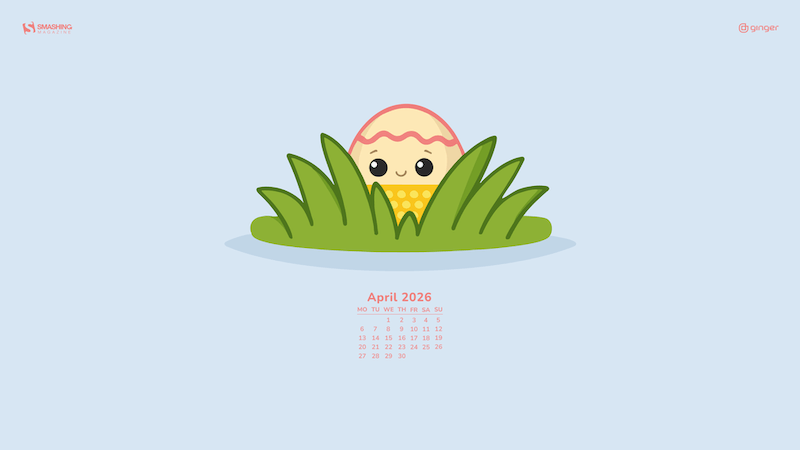
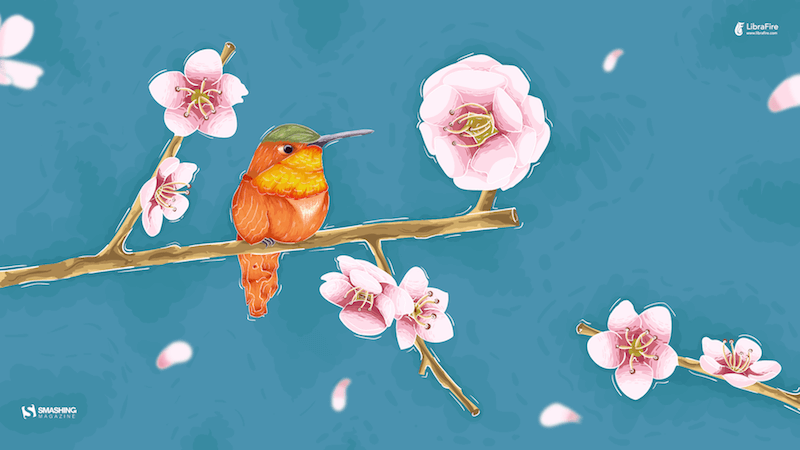
Several artists focused on the traditional imagery of the season. "April Blooms," designed by Ginger It Solutions from Serbia, captures the essence of the search for color after the monochromatic winter months. The design highlights the arrival of Easter and the symbolic regrowth of nature. Similarly, "Spring Awakens" by LibraFire, also from Serbia, presents a visual narrative of life spreading its wings after a period of dormancy.
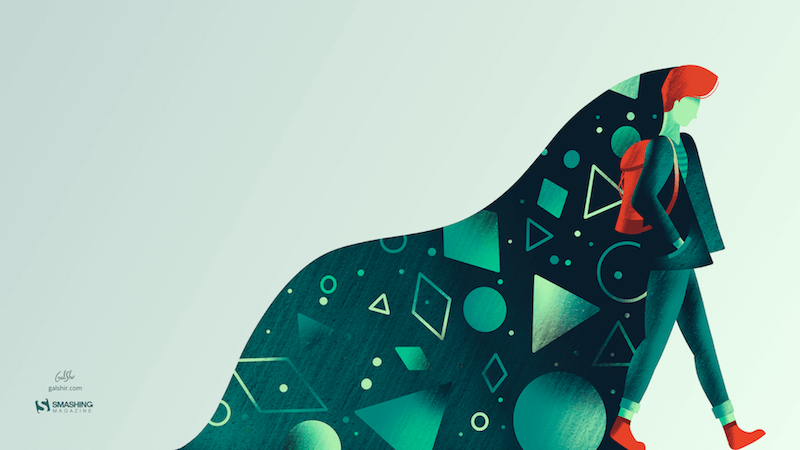
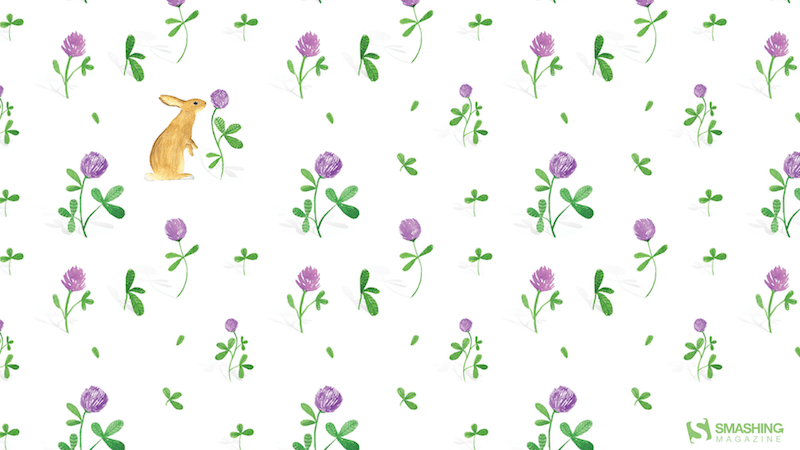
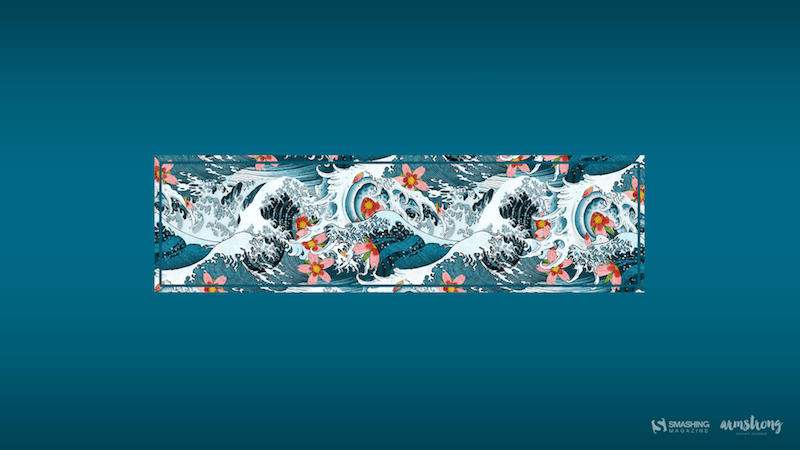
The international reach of the project is further exemplified by "Sakura," a design by Laurence Vagner from France. Inspired by a trip to Japan, the wallpaper utilizes the delicate aesthetic of cherry blossoms to evoke a sense of calm and travel-induced nostalgia. Nathalie Ouederni from France contributed "Clover Field" and "Citrus Passion," both of which use organic textures and vibrant palettes to refresh the user’s digital environment.
Cultural Tributes and Musical Inspiration
Beyond nature, the April collection serves as a gallery for cultural and musical appreciation. Karen Frolo from the United States contributed "Purple Rain," a design that coincides with International Guitar Month. The piece features a variety of guitar shapes, including a specific tribute to the instrument played by the late artist Prince. This design highlights how the wallpaper series often intersects with broader cultural calendars, providing educational value alongside aesthetic appeal.
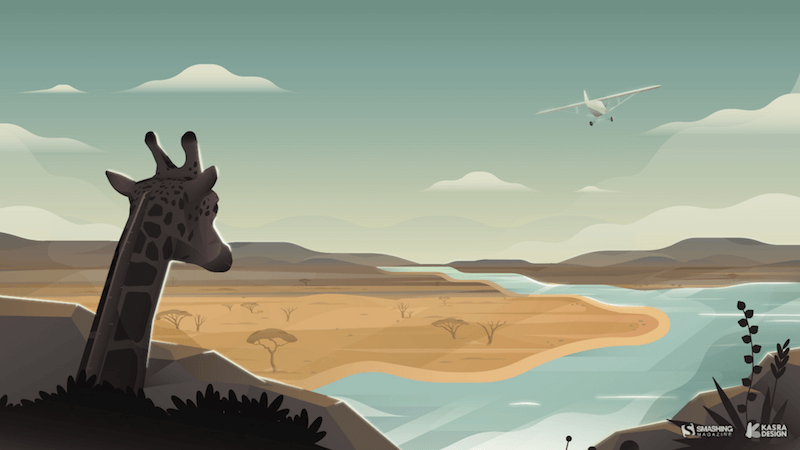
Another notable entry is "Yellow Submarine" by WebToffee from India. This illustration pays homage to The Beatles, utilizing the psychedelic and thought-provoking imagery associated with the band’s iconic song. In Malaysia, Kasra Design looked to contemporary pop culture, drawing inspiration from the cinematography and art direction of Taylor Swift’s "Wildest Dreams" music video to create a cinematic desktop experience.
Conceptual and Whimsical Designs
The collection also includes several pieces that lean into the abstract or the whimsical. "The Loneliest House In The World," designed by Vlad Gerasimov from Georgia, was created to commemorate Solitude Day on March 26. Based on a real structure found in remote geographical locations, the design explores themes of isolation and peace.
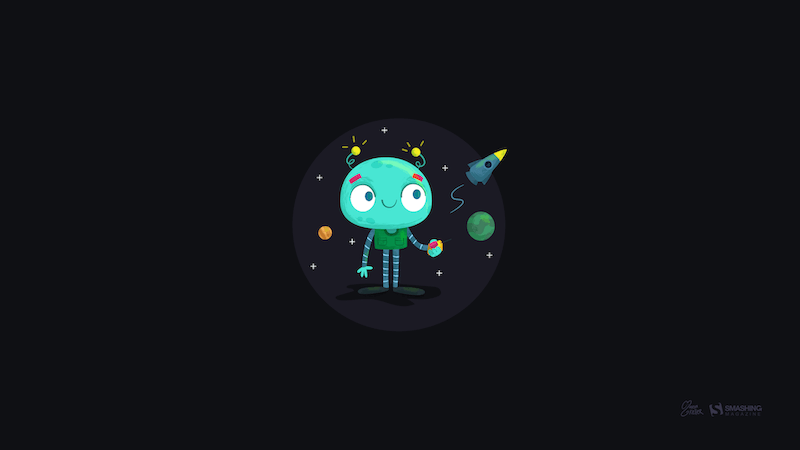
From Mexico, Maria Keller contributed "Playful Alien," a conceptual piece that imagines an extraterrestrial entity interacting with human technology. This contribution underscores the project’s openness to various styles, from hyper-realistic digital photography to hand-drawn illustrations and vector-based minimalism.
Supporting Data and Technical Specifications
The success of the Smashing Magazine wallpaper series is supported by a rigorous submission and curation process. According to historical data from the platform, the series sees thousands of downloads within the first 48 hours of each monthly release. The diversity of the contributor base is a key metric; in the April 2026 edition alone, artists from over a dozen countries participated, including:

- Serbia: Ginger It Solutions, PopArt Studio, LibraFire.
- Spain: Ricardo Gimenes (multiple entries), Verónica Valenzuela.
- France: Nathalie Ouederni, Laurence Vagner.
- United States: Shawna Armstrong, Susan Chiang, Marykate Boyle, Amalia Van Bloom, Karen Frolo.
- Germany: Nils Kunath, Anja Sturm.
- Other participating nations: Israel, Malaysia, Georgia, Australia, Mexico, Romania, and India.
Technically, the wallpapers are optimized for performance. Modern digital design requires assets that do not distract the user while maintaining high visual fidelity. The April collection utilizes a mix of pastel color palettes—known to reduce eye strain—and high-contrast designs for users who prefer more vibrant interfaces.

Impact on the Design Community and Career Development
For many artists, being featured in the Smashing Magazine monthly series is a significant career milestone. The platform provides exposure to a global audience of millions, including creative directors, agency owners, and fellow designers. This exposure often leads to professional opportunities, commissions, and increased visibility in the competitive digital art market.
"The idea is to start the month with an inspiration boost," the curators noted. By allowing both experienced designers and aspiring artists to join, the initiative democratizes the design process. It removes the barriers often found in traditional galleries or high-end design publications, fostering a culture of mentorship and shared creativity.

Chronology of the Submission Cycle
The production of the monthly wallpaper series follows a strict chronological cycle to ensure consistency:

- Submission Call: Approximately 45 days before the start of the new month, Smashing Magazine opens its submission portal to the public.
- Design Phase: Artists work on their concepts, often incorporating feedback from peers or reflecting on upcoming seasonal holidays and events.
- Curation and Optimization: During the final two weeks of the month, the editorial team reviews submissions for quality, originality, and technical compliance. Wallpapers are rendered in multiple resolutions.
- Publication: On the last day of the preceding month (in this case, March 31), the collection is published.
- Feedback Loop: Users and designers engage in discussions regarding the themes and techniques used in the latest batch, which often informs the direction of the following month’s submissions.
Broader Implications for Digital Workspaces
The April 2026 collection arrives at a time when the "remote work" and "hybrid office" models have become permanent fixtures of the global economy. As professionals spend upwards of eight to ten hours a day in front of screens, the psychological impact of the digital environment has gained academic interest. Environmental psychology suggests that "micro-restorative" experiences—such as looking at a nature-themed wallpaper for a few seconds—can help reduce cognitive fatigue and improve focus.
The inclusion of calendars within many of the wallpaper designs also serves a functional purpose, blending utility with art. As users navigate the complexities of modern scheduling, having a visually pleasing, at-a-glance reference on their desktop can streamline daily transitions.
Conclusion and Future Outlook
As April 2026 begins, the design community is already looking toward the next cycle. Submissions for the May collection are expected to be finalized by April 30. The ongoing longevity of this project serves as a testament to the enduring value of community-driven digital art. By providing a recurring source of "good vibes" and professional inspiration, the monthly wallpaper series remains a cornerstone of the global design calendar, proving that even a simple desktop background can be a powerful tool for creativity and connection in an increasingly digital world.