Streamlining Modern Web Workflows: A Comprehensive Overview of Media Management with Filestack

The modern web is built upon a foundation of rich media, yet the infrastructure required to handle the influx of user-generated content remains a significant bottleneck for development teams. As applications scale, the challenge shifts from simple storage to complex orchestration—involving ingestion, real-time manipulation, and high-performance delivery. Managing these assets manually requires substantial engineering hours, often diverting resources away from core product innovation. To address this, specialized middleware solutions like Filestack have emerged as standard tools for managing the lifecycle of digital assets, from the moment of upload to the final delivery to the end user.
The Evolution of Media Pipeline Management
In the early stages of web development, file management was primarily handled through rudimentary server-side scripts and basic database references. However, the rise of cloud-native architectures and the ubiquity of high-resolution media have rendered those legacy methods insufficient. According to industry analysis, global data creation is expected to exceed 180 zettabytes by 2025, with a significant portion of this data comprised of user-submitted images, videos, and documents.
For developers, the complexity lies not in the storage itself, but in the variety of formats and the unpredictability of user inputs. A user might upload a 50MB raw photograph from a mobile device, while another might submit a compressed document. Without a unified pipeline, applications risk performance degradation due to unoptimized assets, leading to increased bounce rates and lower user retention. Filestack operates by abstracting these complexities into a developer-centric suite of APIs and UI components.
Chronology of Integration and Implementation
The integration process for modern media services typically follows a tripartite chronology: ingestion, transformation, and distribution.
-
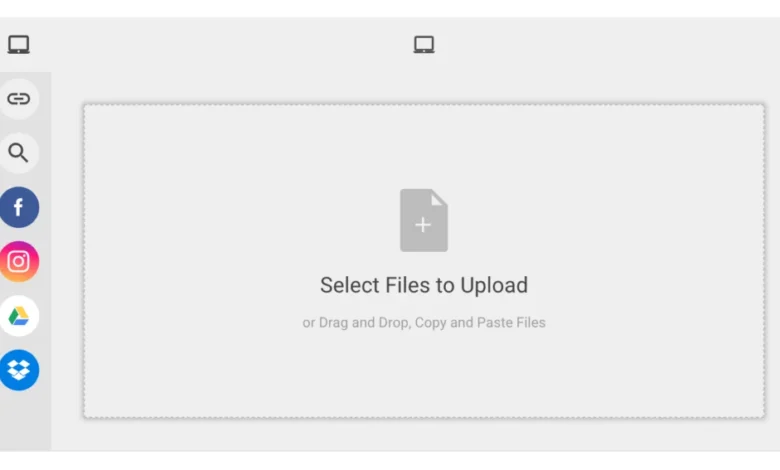
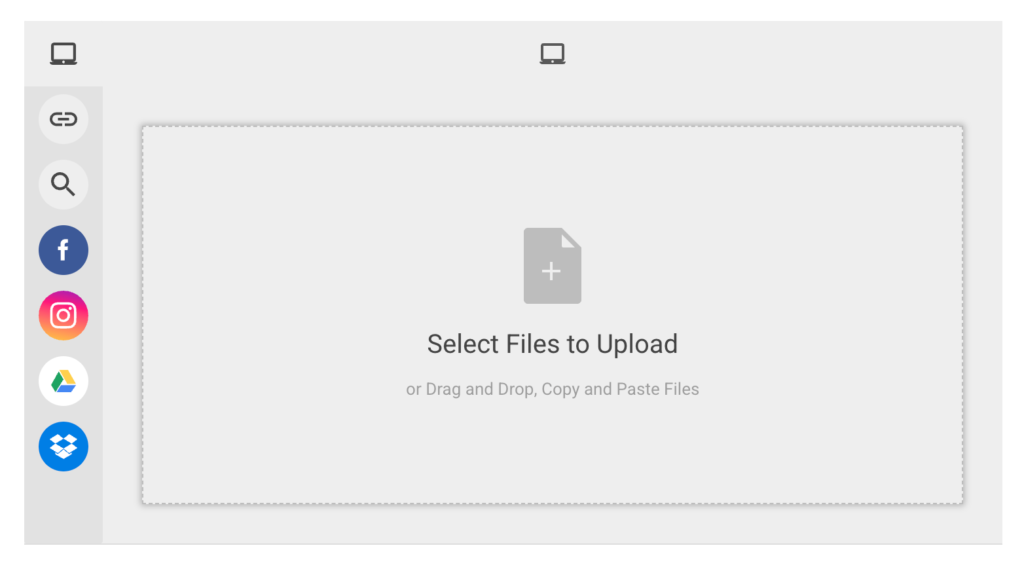
Ingestion (The Point of Entry): The primary hurdle for any media-heavy application is the user interface. Developers must build a bridge between the user’s local or cloud-based files and the application’s storage. Filestack facilitates this via a customizable picker component. By initiating a client session—typically through a simple JavaScript constructor—developers can provide users with a robust file picker that supports over 20 third-party sources, including cloud giants like Google Drive, Dropbox, and GitHub, as well as social platforms like Instagram. This removes the need to build individual API integrations for every external source.
-
Transformation (The Processing Layer): Once a file is ingested, it rarely exists in the state required for the final application. Real-time transformation has become a non-negotiable requirement. Whether it involves resizing images to fit responsive layouts, applying color filters for consistent branding, or converting document formats for previewing, these tasks are computationally expensive if performed on the primary application server. By offloading these tasks to a dedicated service, developers can trigger transformations via URL parameters. This approach—often referred to as "on-the-fly processing"—ensures that the original master file remains untouched while the derivative is served to the client.
-
Distribution (The Delivery Layer): The final step in the pipeline is content delivery. The efficiency of the delivery mechanism directly impacts the perceived speed of the application. Filestack leverages a globally distributed Content Delivery Network (CDN) to cache assets closer to the end user. When a file is accessed, the CDN ensures that subsequent requests are served from the nearest edge node, significantly reducing latency.
Supporting Data and Performance Metrics
Statistical analysis of web performance underscores the necessity of optimized media delivery. Research indicates that a one-second delay in page load time can result in a 7% reduction in conversions. Furthermore, images often account for over 60% of the total page weight on a typical website.
By utilizing automated transformation tools, developers can enforce strict image optimization policies, such as converting images to modern, efficient formats like WebP or AVIF, and applying smart compression. Data from internal performance benchmarks suggests that automated, CDN-backed media management can reduce load times by as much as 40% compared to unoptimized, server-stored media.
Furthermore, the shift toward serverless and microservices architectures has made the "managed service" model more attractive. By outsourcing the media pipeline to a service that specializes in scaling, organizations can avoid the "infrastructure tax"—the overhead required to maintain servers, handle security patches for upload endpoints, and manage CDN configurations.
Technical Implications and Developer Experience
The developer experience (DX) is a critical component of platform adoption. Industry standards for documentation have evolved to require not just API references, but interactive code samples and clear, modular SDKs. Filestack provides libraries for a variety of languages, including Python, Ruby, and JavaScript, allowing for back-end-heavy workflows where files are processed server-side before reaching the end user.
For example, when using the Python library, developers can define store parameters that dictate exactly where and how a file is archived—such as designating a specific S3 bucket and path, or appending metadata tags to the object. This level of granularity is essential for enterprise-level applications that must adhere to strict data governance and compliance standards.
The inclusion of a Transformation UI is another significant evolution. By providing an interface where end users can crop, rotate, or annotate their own images before they are uploaded, developers can reduce the number of post-upload support requests and ensure that the incoming data meets the application’s specific requirements from the outset.
Broader Industry Impact and Future Outlook
The broader implication of using managed media services is the democratization of complex web functionality. A decade ago, building a platform that could handle multi-source uploads, real-time image processing, and global delivery required a dedicated team of DevOps engineers and significant capital investment in hardware. Today, these capabilities are available as modular services.
As we look toward the future, the integration of artificial intelligence and machine learning into these media pipelines is becoming the next frontier. Features such as automated object recognition, intelligent cropping based on facial detection, and AI-driven content moderation are being integrated into the standard ingestion flow. This shift suggests that media management will continue to move away from being a "file storage" problem and toward being an "intelligent content" problem.
Organizations that prioritize their media infrastructure are better positioned to provide seamless, high-fidelity experiences across multiple devices. Whether for e-commerce platforms requiring pixel-perfect product imagery or document management systems needing secure, real-time previews, the reliance on specialized middleware is likely to grow.
In conclusion, the modern web demands a sophisticated approach to media. By offloading the technical burdens of ingestion, transformation, and distribution to specialized services, development teams can regain the time and focus necessary to build superior user experiences. Through the combination of robust APIs, global CDN coverage, and developer-friendly documentation, platforms like Filestack exemplify the shift toward efficient, scalable, and highly performant digital infrastructure in an increasingly media-centric online ecosystem.
Related posts: