Google Search Console Introduces Multimodal Filter to Track Visual Search Performance

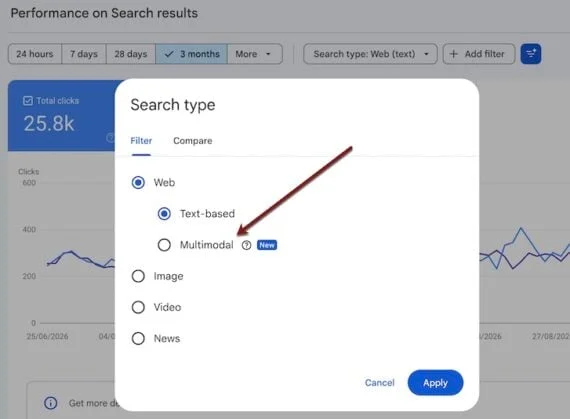
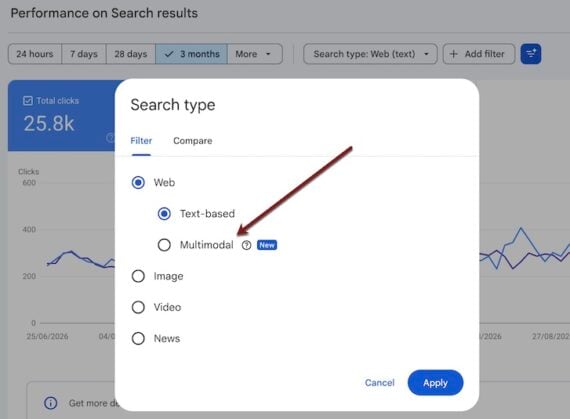
Google has officially expanded the capabilities of its Search Console platform, introducing a new "Multimodal" filter that allows website owners and ecommerce merchants to track traffic generated through visual and image-based search queries. This development marks a significant shift in how webmasters analyze their organic discovery channels, as it brings long-overlooked visual search data into the primary performance reporting suite. Historically, Google Search Console focused heavily on text-based queries, leaving the "black box" of Google Lens and image-based search largely opaque to site administrators.
The introduction of this filter comes at a time when consumer behavior is increasingly trending toward visual discovery. According to recent industry data, a substantial percentage of Gen Z and Millennial shoppers report using image search tools—such as Google Lens—to identify products they encounter in their daily lives. By providing granular data on how users interact with images, Google is effectively validating visual search as a critical, measurable component of the modern digital marketing funnel.
Navigating the New Multimodal Reporting Suite
The new filter is accessible within the Performance section of Google Search Console. Users can navigate to the "Search results" report, click on the "Search type" dropdown menu, and select "Web," followed by the new "Multimodal" option. Unlike traditional text-based search reporting, the Multimodal filter does not provide a list of typed queries, as visual searches do not rely on keywords in the traditional sense.

Instead, the reporting interface focuses on the destination URLs that users viewed or clicked after initiating a search through an image. While the report does not display the specific image uploaded by the user to trigger the search, it provides essential metrics, including total impressions, clicks, click-through rates (CTR), and average position. This data allows merchants to understand which product pages are surfacing most frequently when users perform "reverse image searches" or utilize Lens-integrated interfaces on mobile and desktop devices.
The Evolution of Visual Search Discovery
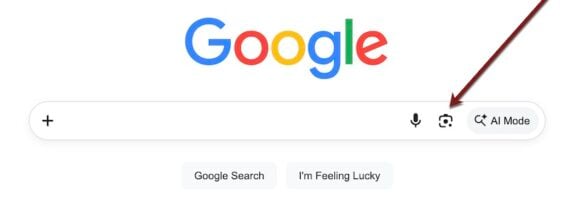
To understand the gravity of this update, one must look at the timeline of Google’s visual search expansion. The journey began years ago with basic image indexing, which allowed photos to appear in Google Images. However, the rise of Google Lens transformed these static images into interactive search queries. In recent years, Google has integrated Lens directly into the search bar of its mobile application and desktop browser, allowing users to upload photos, screenshots, or live camera feeds to identify products, translate text, or find similar visual styles.
For years, digital marketers have struggled to optimize for this channel because there was no feedback loop. SEO professionals were essentially optimizing for an unknown audience. With the launch of the Multimodal filter, Google is closing the feedback loop. Merchants can now perform A/B testing on their product photography and immediately see the impact in their Search Console dashboards. This move aligns with Google’s broader strategy of integrating artificial intelligence into the search experience, moving away from purely keyword-based matching toward intent-based, visual-matching algorithms.
Strategic Implications for Ecommerce Merchants
The implications for the retail sector are profound. In an era where "visual shopping" is becoming a standard consumer habit, the ability to track visual performance is a competitive necessity. Ecommerce platforms like Shopify and WooCommerce have already begun streamlining their image sitemap features to ensure that product images are properly indexed.
However, indexing is only the first step. The new reporting capabilities suggest that Google’s ranking algorithm for visual matches is highly sensitive to the quality, angle, and context of the image. Industry analysts note that photos which perform well in text-based search results often translate to success in visual search, but the nuances of "visual matching" require a more sophisticated approach to asset management.
Best Practices for Visual Search Optimization
To leverage the new Multimodal filter effectively, site owners should adopt a rigorous approach to visual asset management. The following strategies are essential for improving visibility in visual search results:
- Leveraging Image Sitemaps: Submitting a dedicated image sitemap remains the most effective way to signal to Google which assets are most important. For platforms like Shopify, which often compress or thumbnail images for collection pages, using an app to generate a high-resolution image-only sitemap can ensure that Google crawls the optimal version of the product photo.
- Prioritizing Metadata and Alt Text: While the search itself is visual, Google’s index still relies on the textual context surrounding the image. Descriptive, keyword-rich file names and precise alt text help the algorithm categorize the image correctly. This context is vital when the algorithm attempts to match a user’s uploaded photo to a database of products.
- Enhancing Visual Quality and Variety: Research indicates that the user’s intent in a visual search is often to find a product that matches the angle, color, and texture of the object they have photographed. Merchants should diversify their product photography to include multiple angles, macro shots of textures, and lifestyle imagery. If a user searches for a specific piece of furniture, providing a close-up of the fabric or a side-view of the frame can significantly increase the likelihood of a match.
- Integrating Generative AI for Strategy: Site owners are increasingly using generative AI to analyze their image catalogs. By prompting AI platforms to suggest improvements—such as "what background colors or textures are most common in top-ranking images for this product category"—merchants can refine their studio photography to better align with current visual search trends.
Analyzing the Data: A New Dashboard Approach
The integration of this data allows for the creation of new performance dashboards. By exporting data from the Multimodal filter into tools like Looker Studio or other business intelligence platforms, managers can create "Visual Performance Scorecards." These scorecards should track which product categories are seeing the highest CTR from image searches.
For example, home decor and fashion items are naturally predisposed to high volumes of visual search. A merchant selling lighting fixtures might find that their "amber mushroom lamps" are frequently discovered via image search, even if they aren’t appearing for the typed query "amber glass lamp." This insight can prompt a shift in marketing spend and product inventory focus.
The Broader Impact on Search Architecture
The introduction of the Multimodal filter signifies a fundamental shift in how Google classifies "Search." By grouping these metrics under a specific filter, Google acknowledges that search is no longer a monolithic activity. It is a multi-sensory experience that combines text, voice, and vision.
For the SEO community, this means that the traditional boundaries of the field are expanding. It is no longer enough to be a master of keywords and backlinks; site owners must now be curators of visual assets. The "Multimodal" era of search is in its infancy, but the introduction of these tracking tools provides a clear roadmap for what is to come.
As Google continues to refine its Gemini and Lens technologies, we can expect the Multimodal filter to become even more granular. Future updates may include data on the specific "visual intent" behind a search, or more detailed insights into the characteristics of the images that drive the most conversions. For now, the ability to track impressions and clicks from this channel serves as a vital first step for any business looking to maintain an edge in an increasingly visual marketplace.
Ultimately, the data provided by this new filter should be treated as a compass for content creation. By regularly reviewing the pages that appear in the Multimodal report, merchants can refine their image strategy, invest in higher-quality photography, and better understand the visual language of their customers. Those who ignore this shift risk losing visibility in a growing, high-intent discovery channel that is set to define the next generation of ecommerce growth.