Reddit Releases New Holiday Planning Guide for Small Businesses to Capitalize on End-of-Year Shopping Trends

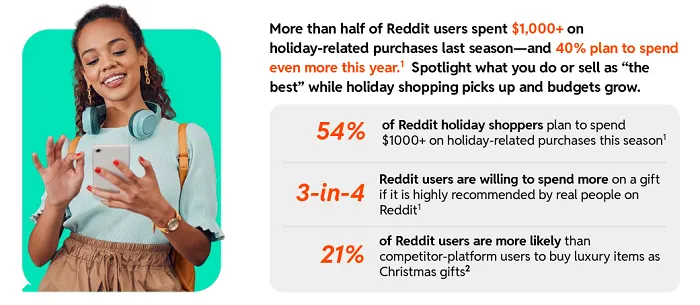
Reddit has officially published its comprehensive 11-page holiday planning guide tailored specifically for small and medium-sized businesses (SMBs), offering an in-depth look into consumer discovery behavior, search trends, and the powerful role community-driven conversations play in shaping purchase decisions. As retailers and brands prepare for the critical fourth-quarter shopping season—which traditionally accounts for a significant share of annual retail revenue—platforms are increasingly positioning themselves as essential discovery engines. This newly released resource aims to equip smaller enterprises with actionable data, optimal timing strategies for in-app engagement, and targeted insights into the most heavily researched product categories across the platform.
The release of the holiday insights resource comes at a time when digital advertising landscapes are growing increasingly saturated, forcing SMBs to seek out high-intent audiences where authentic product recommendations carry substantial weight. By leveraging platform-specific behavioral data, Reddit is attempting to demonstrate how organic and paid conversations within niche communities can effectively drive brand awareness and conversion rates during the busiest retail period of the year.
Understanding Consumer Discovery and the Anatomy of Reddit Shopping Behavior
At the core of the newly published guide is a detailed examination of how users navigate the platform when researching potential holiday purchases. Unlike traditional search engines or social media networks driven primarily by algorithmic feeds of polished imagery, Reddit operates on a foundation of peer-to-peer discussions, authentic reviews, and crowdsourced advice.
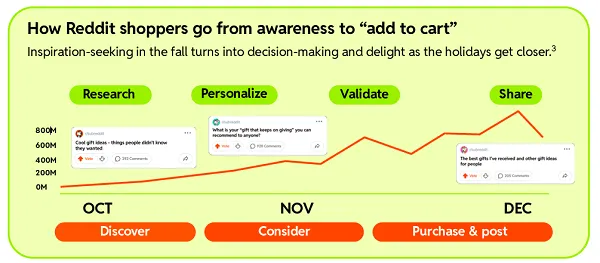
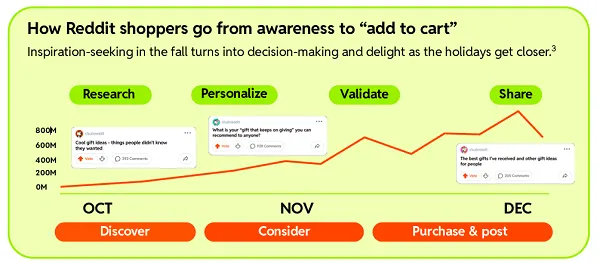
The 11-page document outlines a granular overview of gift research trends, establishing a timeline that highlights the optimal periods for brands to become active on the application. Consumer research behavior often begins weeks or even months ahead of actual transactions, and the guide breaks down these critical windows to help SMBs time their marketing campaigns effectively. According to the platform’s internal data, users turn to specific subreddits not merely for entertainment, but as an integral part of their active product discovery and validation journey.
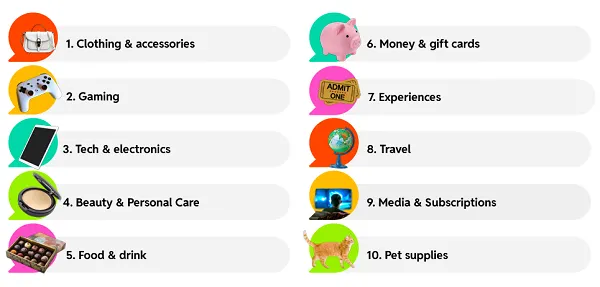
Furthermore, the guide features a comprehensive breakdown of the most-searched product categories on the app. By identifying which specific sectors experience spikes in user queries during the fourth quarter, the report enables smaller merchants to align their promotional strategies with genuine consumer demand. Sectors ranging from consumer electronics and specialized hobby gear to apparel and artisanal home goods stand to benefit significantly from targeted promotions that address the exact questions being raised in community threads.
The Power of Community Validation and Spending Intent
One of the most compelling data points highlighted in the resource centers on how Reddit discussions actively validate consumer purchase decisions. In an era marked by skepticism toward traditional advertising and influencer endorsements, modern shoppers increasingly rely on consensus-driven platforms to verify the quality, reliability, and value of potential purchases.
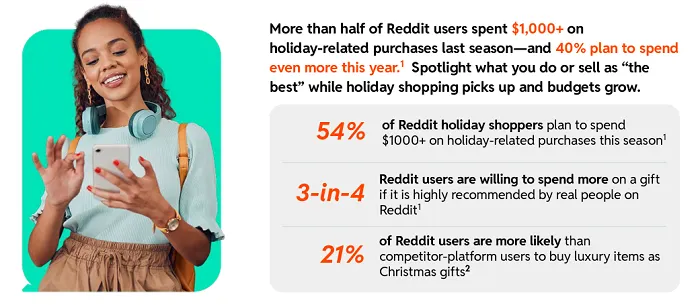
The platform’s data suggests that users are not only heavily influenced by peer recommendations found within niche communities, but they are also statistically more willing to spend a higher amount on products that have been thoroughly vetted and recommended by fellow forum members. This phenomenon presents a unique opportunity for small and medium-sized businesses, which often lack the massive advertising budgets of multinational corporations. By engaging authentically with communities, addressing consumer pain points, and providing transparent information about their offerings, SMBs can build high levels of trust that directly translate into higher average order values and conversion rates.
In addition to general shopping habits, the guide provides targeted insights into Black Friday and Cyber Monday shopping trends. These specific data points reveal how user intent shifts dramatically during the intense promotional weekend, offering marketers practical advice on how to capture fleeting attention spans without resorting to generic or high-pressure sales tactics. The report emphasizes that shoppers during this period are actively looking for specific guidance, comparison data, and honest reviews, making contextually relevant ad placements and community engagement vastly more effective than broad, untargeted campaigns.
The Evolution of SMB Marketing on Digital Forums
The introduction of specialized holiday guides for smaller enterprises reflects a broader strategic shift within major digital platforms. Over the past several years, companies that traditionally relied on massive enterprise clients have increasingly turned their attention toward SMBs, recognizing this segment as a vital driver of advertising revenue growth.
For Reddit specifically, the expansion of its business and advertising resources represents a maturing ecosystem. As the platform continues to refine its search capabilities, ad targeting tools, and measurement solutions, providing educational resources like the holiday planning guide is essential for onboarding smaller merchants who may be unfamiliar with the nuances of community-based marketing.
Industry analysts note that platforms featuring high-intent, community-driven interactions hold a distinct advantage in the modern digital marketing landscape. Traditional display advertising has experienced declining click-through rates and rising skepticism among consumers who utilize ad-blockers and demand greater authenticity from the brands they support. Forums and discussion-based platforms bypass some of these hurdles by embedding commercial discovery within organic conversations. When an SMB participates constructively in these spaces—or utilizes paid placements that respect the community’s culture—it taps into an existing reservoir of trust that traditional banner ads struggle to replicate.
Broader Implications and Strategic Takeaways for Retailers
As businesses finalize their fourth-quarter strategies, the release of Reddit’s insights report serves as a timely reminder of the shifting dynamics in consumer research. Modern holiday shopping is no longer a linear journey beginning with a television commercial and ending at a local brick-and-mortar checkout counter. Instead, it is an omnichannel, highly researched process involving multiple touchpoints, peer reviews, forum deep-dives, and real-time price comparisons.
For small and medium-sized businesses operating on tight margins and limited resources, strategic allocation of advertising capital is paramount. The data provided in the holiday planning guide underscores the importance of being present where consumers are actively seeking advice rather than merely interrupting their digital experiences. By understanding the timing of gift research trends, recognizing high-interest product categories, and appreciating the psychological weight of community validation, SMBs can optimize their digital footprint heading into the final stretch of the year.
The full 2026 Small Business Holiday Insights report, complete with all data visualizations, category breakdowns, and tactical marketing recommendations, is currently available to the public through the official Reddit Business resource portal. As the retail sector navigates an increasingly competitive holiday season, tools and insights of this nature will likely play an instrumental role in helping smaller brands cut through the noise and connect meaningfully with high-intent shoppers.
Related posts: