DHL Announces Major Structural Changes to German Logistics Operations Including New Fees for Second Delivery Attempts

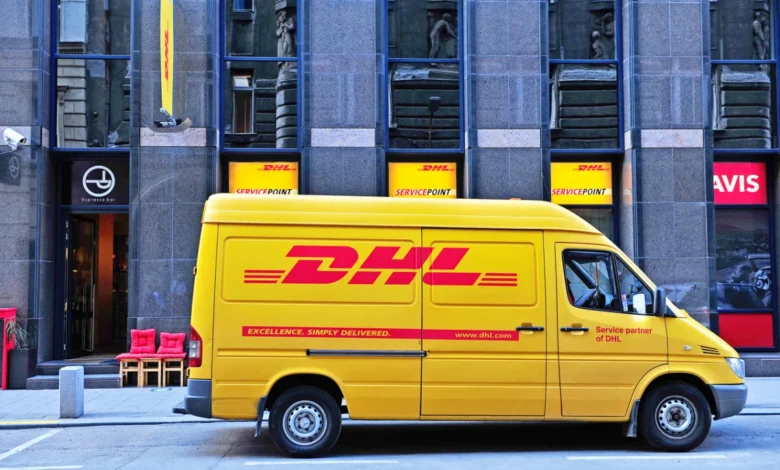
German logistics giant DHL has officially unveiled a comprehensive overhaul of its pricing structure and service offerings, signaling a transformative shift for the German e-commerce sector. Beginning in early 2027, the company will implement a series of adjustments ranging from significant postage hikes for letter mail to the introduction of targeted surcharges for retailers. Most notably, the company will begin charging a 2.99-euro fee for second delivery attempts on parcels, a move that has sparked immediate backlash from industry advocates who argue it shifts the operational burden of last-mile efficiency onto the shoulders of online merchants.
A Chronology of the 2027 Strategy Shift
The announcement, delivered via a formal press release to business partners and public stakeholders, marks a pivot in DHL’s long-term business strategy. While these changes are currently limited to the German domestic market, industry analysts view the move as a trial balloon for wider European implementation.
The timeline for these changes is staggered. The most prominent adjustment—the increase in standard letter postage—is scheduled for January 1, 2027. At that time, the cost of sending a standard letter will climb to 1.15 euros, representing a roughly 70 percent increase from current rates. This adjustment follows years of debate between the German postal regulator and DHL regarding the financial sustainability of the universal postal service in an era of declining physical mail volumes and rising operational costs.
The Second Delivery Attempt Controversy
The most contentious element of the new policy is the 2.99-euro fee applied to second delivery attempts. Historically, the "standard procedure" for parcel delivery included multiple attempts to reach the recipient, a service baked into the initial shipping cost. Under the new framework, if an initial delivery fails—due to the recipient being unavailable—any subsequent attempt to deliver that same parcel will incur a fee charged directly to the sender (the retailer).
This policy change has triggered sharp criticism from the German e-commerce association, bevh. Juri Schütt, public affairs officer for the organization, characterized the move as a fundamental deviation from the core promise of logistics providers. "DHL is indispensable as a service provider for German online retailers," Schütt stated. "However, by charging extra for a second delivery attempt, DHL is once again deviating from its core service promise: reliable delivery to the customer’s doorstep."
The association’s concern centers on the issue of accountability. Retailers argue that they have no visibility into the quality of the delivery process. If a courier fails to deliver a package, the retailer has no mechanism to verify whether the failure was due to a genuine absence of the customer or a lack of effort on the part of the courier. Critics fear this system could effectively reward the logistics provider for its own potential inefficiencies, as merchants are forced to foot the bill for repeat attempts without the ability to contest the necessity of those attempts.
Strategic Diversification of Services
Beyond the contentious fees, DHL’s 2027 strategy includes a suite of new value-added services intended to address specific logistical pain points, particularly those related to high-value items and perishables.
To mitigate issues with delivery reliability and accountability, DHL is introducing a "synthetic pickup scan." Historically, large shipment volumes often experienced tracking delays because individual items were only scanned upon arrival at major regional parcel hubs. This gap in data has led to significant friction between retailers and platforms like Amazon or eBay, where merchants were frequently penalized for perceived delivery delays that were actually caused by bottlenecks within the logistics network. The new synthetic scan is designed to protect retailers by providing a clearer digital trail from the moment of pickup, thereby insulating them from liability for delays occurring deep within the logistics chain.
Furthermore, for high-value goods, DHL is rolling out a secure delivery protocol requiring a one-time code. The parcel will only be released once this code is presented by a resident at the delivery address. This service aims to reduce theft and loss, providing a layer of security that was previously unavailable in the standard shipping tier.
Specialized retailers, particularly those handling temperature-sensitive food items, will also see new options. Retailers can now pay a 1.69-euro surcharge to explicitly block delivery to automated parcel lockers, ensuring that sensitive goods are handled through more direct channels. Additionally, a new 4.50-euro "immediate return" service allows for the expedited return of perishable goods that cannot be delivered on the first attempt, preventing them from languishing in a parcel shop or locker where they might spoil.
Economic Context and Industry Implications
The decision to increase letter postage to 1.15 euros is, according to DHL, a necessary adjustment to bring German rates in line with the European average. Despite the 70 percent hike, the company maintains that the new rate remains competitive, noting that the European average currently sits at 1.52 euros. This rationale underscores a broader trend across the European Union: the transition from traditional, subsidized postal models to market-driven logistics services that must cover the full cost of last-mile delivery.
The economic implications for retailers are significant. With profit margins in e-commerce often thin, the introduction of a 2.99-euro fee for a second delivery attempt represents a direct hit to the bottom line. If a retailer cannot pass these costs onto the consumer—either through higher shipping fees or increased product prices—they must absorb the cost themselves. This is particularly problematic for smaller merchants who lack the bargaining power to negotiate volume-based exemptions from these new surcharges.
Furthermore, the shift forces retailers to reconsider their own customer service policies. Companies may be incentivized to implement stricter "delivery address validation" tools at checkout or to communicate more aggressively with customers regarding their availability. The burden of "delivery management" is effectively being offloaded from the logistics provider to the retailer.
Future Outlook and Sector-Wide Effects
The reaction from the logistics industry suggests that DHL’s move is being closely monitored by competitors. Other major European players, such as DPD, GLS, and Hermes, will likely assess whether to follow suit with similar fee structures for second delivery attempts. If the market accepts these changes as the new standard, the "free" second delivery attempt—once a pillar of customer service in e-commerce—could vanish entirely within the next five years.
The tension between the logistics giants and the retailers they serve is unlikely to subside. As the logistics landscape becomes more digitized and automated, the demand for transparency increases. The "synthetic pickup scan" is an admission by DHL that its current tracking processes are insufficient for the modern e-commerce economy; however, it remains to be seen whether this technical solution will be enough to satisfy merchants who are simultaneously being hit with new fees.
Ultimately, the 2027 changes represent a hardening of the logistics sector. The era of low-cost, high-service mail and parcel delivery is being challenged by rising labor costs, the need for green infrastructure investment, and the sheer volume of parcels generated by the ongoing digital transformation of retail. For the German e-commerce market, the coming years will be defined by a delicate balancing act: how to maintain high customer satisfaction levels while navigating a more expensive, more complex, and more segmented delivery landscape. As the January 2027 deadline approaches, retailers are expected to lobby for clearer dispute resolution mechanisms, ensuring that the burden of failed deliveries does not fall exclusively on those who have no control over the courier’s route or the recipient’s schedule.