Meta Releases Comprehensive 2026 Holiday Planning Guides to Help Marketers Navigate Q4 Surge

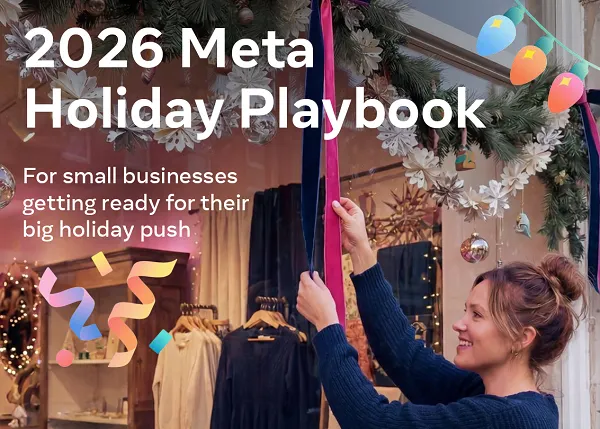
As global commerce prepares for the critical fourth-quarter retail surge, Meta has officially unveiled its new suite of strategic holiday planning guides and resources for marketers, agencies, and small-to-medium-sized businesses (SMBs). Designed to provide actionable insights as brands map out their campaigns for the final months of the year, the newly published collection spans multiple specialized playbooks focusing on artificial intelligence, creative strategies, small business execution, and advanced advertising frameworks.
The launch arrives at a pivotal juncture for the digital advertising ecosystem. With consumer shopping habits shifting dynamically across digital and social platforms, Meta’s latest rollout aims to position its family of apps—including Facebook, Instagram, and WhatsApp—as indispensable engines for product discovery, consumer engagement, and transactional conversion during the most lucrative shopping period of the calendar year.
Main Facts and the 2026 Holiday Playbook Ecosystem
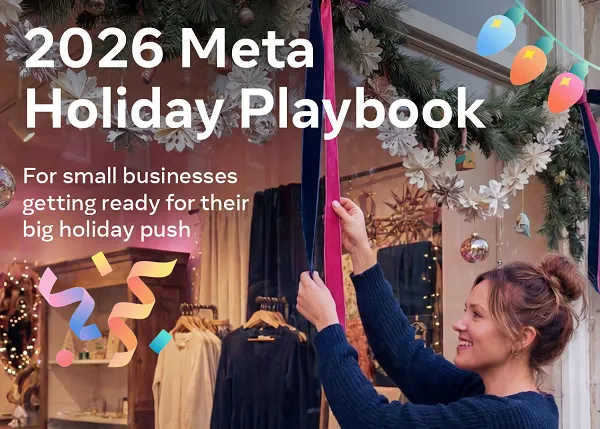
Meta’s newly introduced Holiday Insights Center houses a diverse array of resources tailored to distinct segments of the marketing landscape. Rather than adopting a one-size-fits-all approach, the tech giant has divided its educational collateral into targeted modules. These include a dedicated artificial intelligence overview, an agency-specific handbook, a creative explainer, and distinct toolkits for emerging SMBs and advanced advertisers alike.
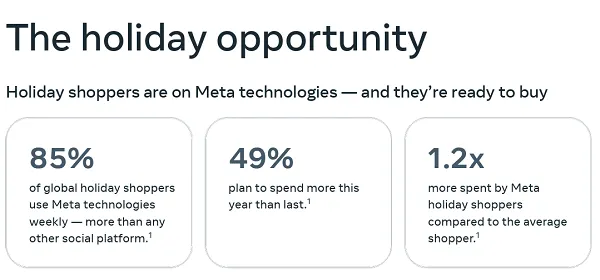
The SMB-focused guide is particularly robust, featuring granular statistics and behavioral data points that illustrate how consumers utilize social applications for holiday gift research and shopping inspiration. Alongside these data points, the guide delivers an actionable SMB checklist engineered to help resource-constrained businesses maximize holiday opportunities, optimize ad creation processes, and implement smarter strategic planning.
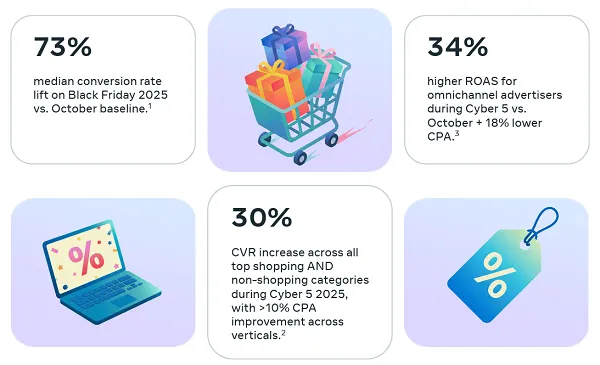
For more sophisticated and enterprise-level advertisers, Meta has curated a separate, advanced playbook. This document delves deeper into complex shopping behaviors across its platforms, offering precise guidance on ad setup priorities, audience segmentation, and a comprehensive checklist for optimizing product listings to drive higher return on ad spend (ROAS).
Background Context and Industry Timeline
The release of Meta’s holiday playbooks follows an established seasonal rhythm within the digital marketing and advertising technology sectors. For the past decade, major platform operators—including Meta, Google, Amazon, and TikTok—have increasingly released their holiday insights earlier each calendar year. This shift reflects the reality of modern consumer behavior, where holiday shopping frequently begins well before the traditional Black Friday and Cyber Monday weekend, extending through early October and even late September.
In recent years, the integration of generative artificial intelligence and automated campaign tools has fundamentally altered how brands approach Q4 execution. Meta’s emphasis on AI within its 2026 suite mirrors broader industry trends toward algorithmic targeting, automated creative generation (such as Meta Advantage+ products), and predictive analytics. By publishing these resources months in advance, Meta attempts to give media planners and business owners ample time to test new ad formats, align creative assets, and configure tracking mechanisms ahead of the holiday rush.
Supporting Data and Behavioral Trends
Consumer behavior across social media platforms has experienced structural transformations over the past several years, shifting from passive inspiration to active, frictionless purchasing. According to industry research and data frequently cited by Meta, a significant percentage of holiday shoppers utilize social channels for discovery rather than starting their journeys on traditional search engines.
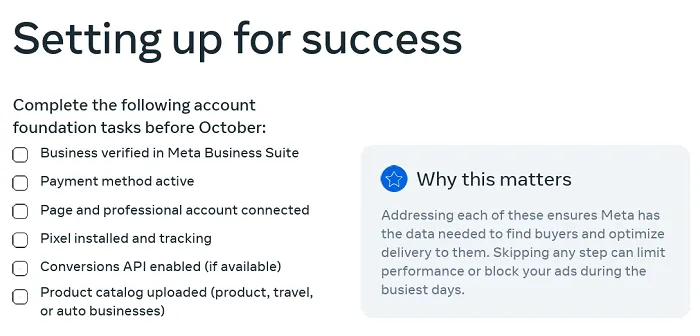
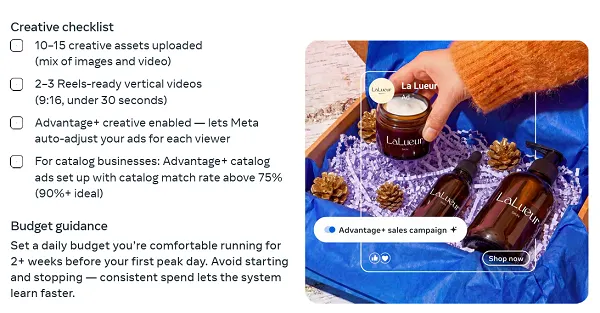
Meta’s updated guides lean heavily into these metrics, highlighting how short-form video, messaging platforms, and personalized ad units influence purchase decisions. The SMB guide, for instance, underscores the reality that smaller brands often compete against retail giants not on sheer ad spend, but on creative agility and community engagement. By providing checklists that streamline ad setup and product catalog integration, Meta attempts to lower the technical barriers that frequently prevent smaller businesses from capitalizing on high-traffic shopping days.
Furthermore, the advanced advertiser playbook addresses the complexities of multi-touch attribution and cross-device tracking. As privacy regulations and data-sharing protocols continue to evolve globally, Meta’s guidance emphasizes the importance of first-party data strategies, conversion APIs, and robust pixel implementation to ensure that holiday campaigns remain measurable and efficient.
Industry Implications and Strategic Analysis
The publication of these holiday planning guides carries notable implications for the broader digital marketing economy. For brands and agencies, utilizing platform-specific toolkits is no longer merely advantageous; it is often essential for maintaining algorithmic favor and maximizing budget efficiency during a period when ad auctions become fiercely competitive and cost-per-click (CPC) rates surge.
From an analytical perspective, Meta’s aggressive push of its Festive Season Insights Center serves a dual purpose. Tactically, it assists advertisers in navigating the complexities of its ecosystem, driving higher campaign performance and encouraging sustained ad spend. Strategically, it reinforces the narrative that Meta’s platforms are primary retail destinations. In an era where platforms like TikTok and Amazon compete aggressively for holiday ad dollars and product search dominance, Meta must continually prove the commercial viability and ROI of its apps.
The heavy inclusion of artificial intelligence guidelines within the 2026 suite also signals a broader industry milestone. Marketers are increasingly expected to transition from manual campaign management to supervised automation. Meta’s AI overview acts as a transitional roadmap, helping brands understand how to leverage machine learning for audience targeting, budget allocation, and creative variation without losing brand voice or consumer trust.
Looking Ahead: Execution in the Fourth Quarter
As brands digest the contents of Meta’s 2026 holiday playbooks, the focus will quickly shift from planning to execution. Advertisers utilizing the new checklists and strategic insights will begin testing creative variations, auditing their product catalogs, and setting up advanced tracking infrastructure.
With consumer discretionary spending facing unique economic pressures and digital ad landscapes growing increasingly automated, the brands that successfully align their strategies with platform-specific best practices will be best positioned to capture consumer attention. Meta’s comprehensive suite of guides provides the foundational framework, but the ultimate success of the upcoming holiday season will depend on how effectively marketers translate these insights into resonant, customer-centric campaigns.
Related posts: