Empowering the Next Generation of Developers Through the Global WordPress Education Initiative

The WordPress project, the world’s most popular content management system powering over 40% of the internet, is undergoing a significant strategic pivot toward formal education and community outreach. Recognizing the necessity of long-term sustainability, the WordPress Foundation and the broader Make WordPress community have scaled a multi-faceted educational framework designed to integrate open-source learning into academic and extracurricular environments worldwide. This initiative, which spans from primary education to university-level academic credits, aims to address the looming generational gap in software contribution while providing students with professional, real-world technical skills.
A Chronology of Institutional Growth
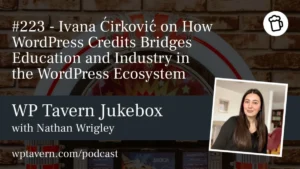
The current surge in educational activity represents the culmination of several years of pilot programs and organic growth. The movement gained initial momentum with the WordPress Credits Program, an experimental initiative piloted by Isotta Peira at the University of Pisa. By formalizing a structure where students could contribute to open-source software as part of their academic curriculum, the program successfully bridged the gap between theoretical computer science and practical, collaborative development.
Following the success of these early experiments, the WordPress community began to formalize its outreach through three distinct pillars: the WordPress Credits Program, WordPress Campus Connect, and the establishment of local Student Clubs. By May 2025, these efforts had been codified into official event series, allowing for standardized support, documentation, and recognition for participants. The rapid adoption of these programs—growing from a handful of initial pilot sites to over 70 active institutions within the last year—indicates a growing appetite for open-source integration within global academic sectors.
The Three Pillars of WordPress Education
The current educational ecosystem is categorized by its flexibility and accessibility, ensuring that programs remain relevant to varying demographics and skill levels:
1. The WordPress Credits Program
This initiative is designed specifically for higher education. It facilitates a formal partnership between universities and the WordPress Foundation. Students participating in the program can enroll in courses ranging from 50 to 150 hours, during which they receive mentorship from vetted WordPress community leaders. Upon completion, students earn academic credit and an official certification signed by the WordPress Foundation, while their contributions are permanently documented on their WordPress.org profiles. This program is not limited to technical disciplines; institutions ranging from humanity departments to engineering schools have successfully adopted the curriculum.
2. WordPress Campus Connect
Campus Connect serves as an agile, event-based model. Unlike the semester-long credit program, these are typically intensive, one-off, or multi-day workshops held in schools, libraries, or universities. These events serve as the primary entry point for new learners. Since its official launch in mid-2025, the program has successfully facilitated 42 events across 71 institutions, reaching over 5,500 students. The goal is to demystify web development and digital literacy, proving that WordPress is a viable career path for marketers, designers, and developers alike.
3. Student Clubs
Functioning as the "meetup" equivalent within an academic setting, Student Clubs provide a space for peer-led learning. These clubs allow students to maintain momentum between larger Campus Connect events. By fostering a flat organizational structure, Student Clubs encourage students to take on leadership roles, facilitate workshops for their peers, and participate in collaborative activities like speed-build challenges and collective site development.
Data-Driven Impact and Scalability
The effectiveness of these programs is reflected in the high level of engagement and the self-sustaining nature of the model. Statistical analysis of the initiatives shows that repeat participation is a key indicator of success; when institutions host a Campus Connect event, they are significantly more likely to request recurring programming. This demand has spurred the development of the "Meetup Activity Library," a centralized resource bank that provides facilitators with standardized lesson plans, slide decks, and guides. This resource aims to remove the barrier to entry for organizers who may lack experience in public speaking or curriculum design.
Furthermore, the integration of these initiatives into flagship community events has been a recent strategic evolution. At WordCamp Asia, the introduction of a dedicated education table at Contributor Day provided a proof-of-concept for how educational outreach could be scaled. WordCamp Europe has followed suit by implementing a full educational track, featuring panels on the future of learning and showcases of student-led projects. These developments suggest a maturation of the project’s strategy, moving from fragmented, localized efforts to a cohesive global narrative.
Addressing the Generational and Skills Gap
A primary driver for these initiatives is the demographic shift within the WordPress community. Long-term observers of the project have noted a "reverse pyramid" in age distribution, where the average contributor is aging, and the influx of younger developers is not keeping pace with the project’s technical expansion. By targeting students at the formative stages of their careers, the WordPress Foundation is effectively building a pipeline of future contributors who are already versed in the project’s governance, coding standards, and open-source ethos.
Industry experts note that the inclusion of modern topics, such as the recently announced AI Leaders Credential, is essential to keeping the curriculum relevant. By pairing traditional CMS training with emerging technology, the programs remain attractive to a tech-savvy generation that prioritizes innovation and future-proof skill sets.
Strategic Implications for Open Source
The broader implications of these educational programs extend beyond the WordPress ecosystem. By "joining hands" with academic institutions, the WordPress Foundation is legitimizing open-source software as a pillar of modern digital education. This professionalization of the learning experience—evidenced by the issuance of certificates and official badges—provides students with tangible assets for their resumes, creating a quid pro quo that benefits both the institution and the student.
The shift toward these initiatives also reflects a broader trend in software project management: the realization that long-term survival is predicated on lowering the barrier to entry for the next generation of talent. Rather than relying solely on organic discovery, the WordPress community is now actively cultivating its future leadership.
Future Outlook and Sustainability
As the programs move into their next phase, the focus remains on "facilitator training." The goal is to move beyond the current reliance on a core group of volunteer leaders by empowering faculty members and local community organizers to run these programs autonomously. This shift is essential to ensure that the momentum is maintained without exhausting the community’s primary contributors.
Furthermore, the introduction of standardized metrics—such as tracking student-led events and monitoring the conversion of participants into active community members—will allow for better resource allocation in the coming years. As the community prepares for the next series of events, the emphasis remains on the "human element": the goal is not merely to increase the number of WordPress sites, but to create a sustainable, welcoming environment that encourages lifelong contribution.
The success of these educational initiatives serves as a template for other open-source projects facing similar challenges. By bridging the divide between ivory tower academia and the fast-paced, collaborative world of web development, the WordPress project is ensuring that its foundation remains as robust as the software it produces. The next 24 months will likely prove critical in determining how many of these 5,500+ initial students transition into the core contributor base, signaling a new era for the world’s most ubiquitous platform.