Fourthwall vs Gelato: A Comprehensive Comparative Analysis of Print-on-Demand and Ecommerce Infrastructure

The rapid expansion of the creator economy and the rise of direct-to-consumer (DTC) retail have necessitated robust logistical frameworks for independent entrepreneurs. Among the primary tools facilitating this shift are Gelato and Fourthwall. While both platforms operate within the broader print-on-demand (POD) ecosystem, they serve distinct strategic functions. Gelato operates as a global production and fulfillment network designed to integrate into existing retail architectures, whereas Fourthwall functions as a comprehensive, end-to-end ecommerce platform that includes integrated fulfillment services.
Market Context and Historical Evolution
The print-on-demand industry has undergone significant transformation over the last decade. Historically, creators were limited by high inventory costs and the complexities of international logistics. The emergence of POD services like Gelato allowed businesses to move toward an "asset-light" model, producing goods only after a transaction occurs.
Gelato, founded with a focus on sustainability and localized production, has spent years building a network of over 140 production hubs across the globe. This strategy was specifically designed to minimize transit times and reduce the carbon footprint associated with long-haul shipping. Conversely, Fourthwall entered the market as a solution to the "fragmentation problem." Many creators found that managing a website on one platform, a POD provider on another, and payment processing on a third created significant administrative overhead. Fourthwall’s architecture integrates these functions, positioning itself as a "Merchant of Record" to alleviate the tax and compliance burdens on the creator.
Core Operational Differences
The distinction between the two services is defined by the degree of control and responsibility shifted from the entrepreneur to the provider.
Gelato serves as a pure-play fulfillment partner. Its value proposition is built upon connectivity; it acts as a backend engine for platforms such as Shopify, Squarespace, Wix, and TikTok Shop. Users of Gelato retain full ownership of their storefronts, brand identity, and customer data. However, they also retain full responsibility for the "front-end" of the business, including customer support, dispute resolution, and international tax compliance.
Fourthwall, by contrast, provides the digital storefront itself. When a creator signs up for Fourthwall, they receive a customizable domain, a checkout system, and a suite of tools for selling non-POD items, such as digital downloads or memberships. The platform operates as the Merchant of Record, meaning Fourthwall handles the complex global sales tax obligations and manages customer support inquiries related to their catalog items. This model is engineered for creators who prioritize speed-to-market and administrative simplicity over the granular control offered by a standalone, integrated Shopify store.
Comparative Data and Performance Metrics
When analyzing the economic efficiency of both platforms, the choice often comes down to the current state of a creator’s business.
| Feature | Gelato | Fourthwall |
|---|---|---|
| Primary Model | Fulfillment/POD Integration | Ecommerce Platform/Brand Building |
| Merchant of Record | No (Merchant retains responsibility) | Yes |
| Support Scope | Technical/Fulfillment issues | Full catalog support/Tax handling |
| Sales Channels | Multi-channel (Shopify, Etsy, etc.) | Own site, Social, Marketplaces |
| Sustainability | High (90% local production) | Moderate (Eco-options available) |
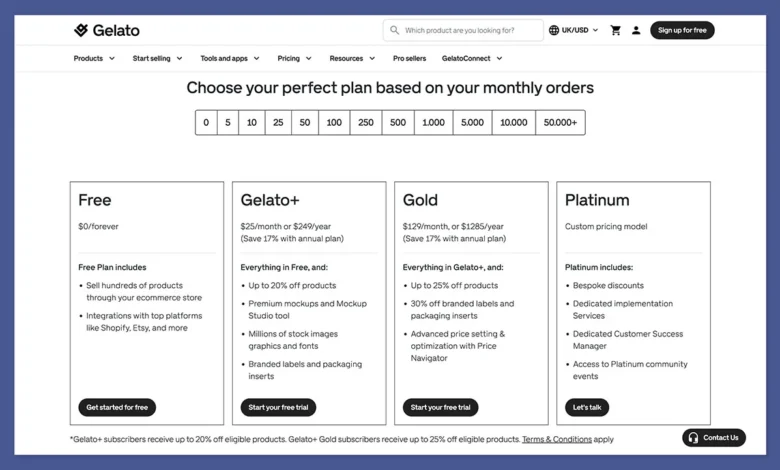
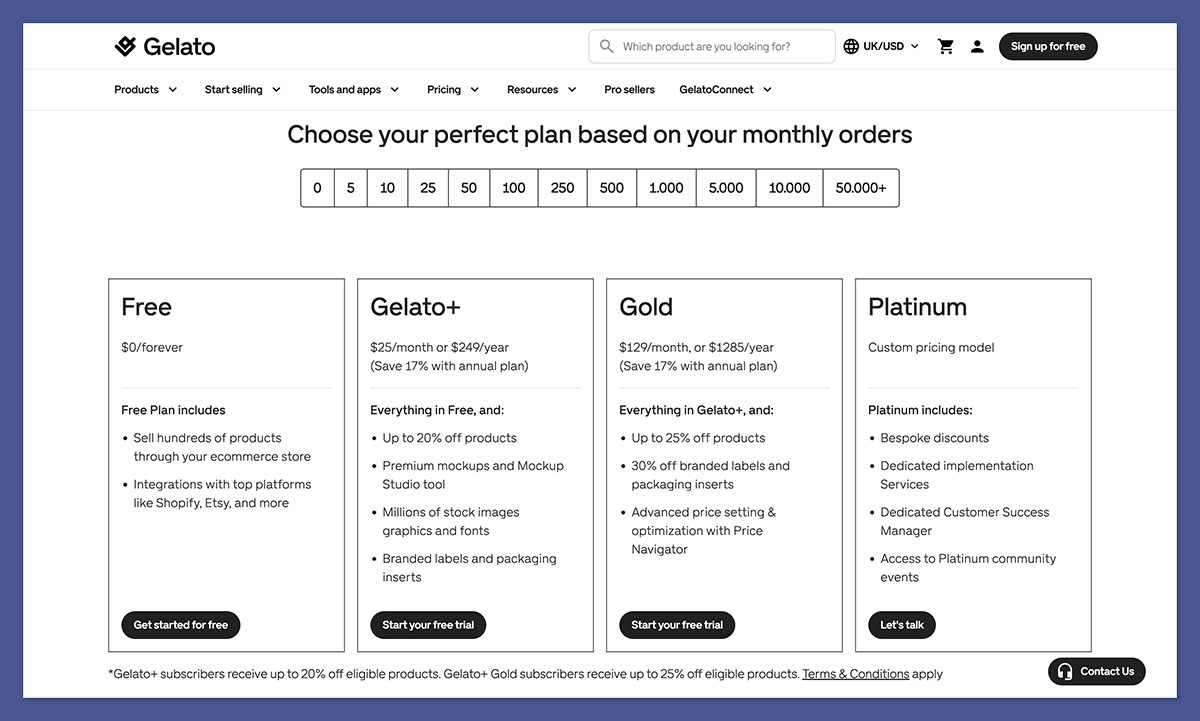
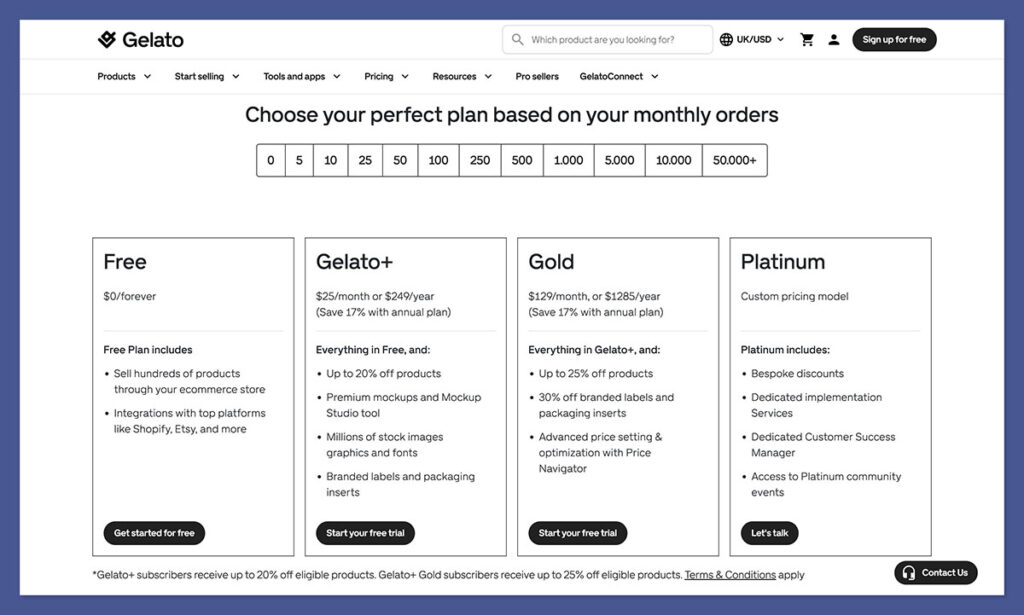
Gelato’s "Plus" subscription tier ($29.99/month) is often viewed as a cost-saving measure for high-volume sellers, providing up to 33% discounts on base product costs and access to advanced mock-up automation. This is a critical factor for established brands looking to optimize margins.
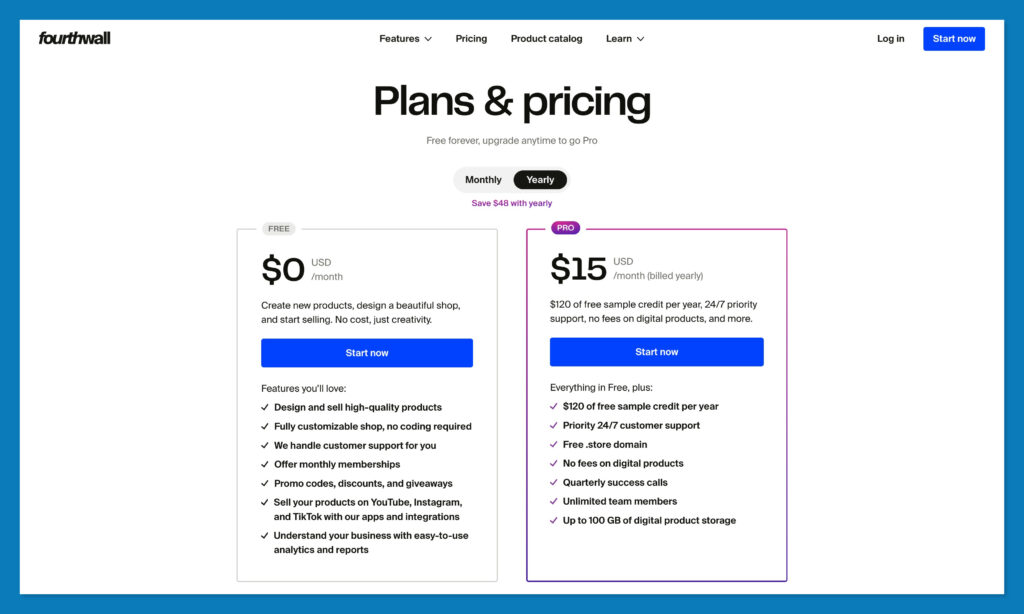
Fourthwall’s pricing structure is designed for lower barriers to entry. The free plan allows creators to launch a site immediately, with the company recouping costs via a 5% transaction fee on digital sales. For those scaling, the $19/month Pro plan removes certain transaction fees and provides advanced analytics and priority support.
Strategic Implications for Creators
The decision between Gelato and Fourthwall involves an assessment of long-term scalability versus immediate operational ease.
For established ecommerce brands, Gelato provides a sophisticated, high-performance production backbone. The platform’s ability to sync product data every two hours with Shopify ensures inventory accuracy, which is essential for retailers managing high-volume traffic. Furthermore, the "Personalization Studio" allows for custom customer inputs—such as names or specific designs on apparel—which statistically correlates with higher price points and increased customer loyalty.
For emerging creators, influencers, or those transitioning from content creation to product retail, Fourthwall offers a streamlined trajectory. By removing the need to manage tax nexus and customer support for physical goods, Fourthwall allows the creator to focus exclusively on brand development and audience engagement. The integration of "Eli," an AI-driven assistant, further simplifies operations by automating tasks such as pricing adjustments and promotional scheduling.
Sustainability and Fulfillment Standards
Environmental impact has become a core metric for modern consumers. Gelato has made sustainability a pillar of its brand identity. By prioritizing production within the region where the end customer resides, Gelato significantly reduces the distance products travel, which directly translates to lower carbon emissions and faster delivery windows. Approximately 90% of Gelato orders are produced locally and delivered within five days.
Fourthwall does not prioritize the same level of granular sustainability as Gelato, though it offers a curated catalog that includes eco-conscious materials. Its fulfillment network is robust, covering North America, Europe, Japan, and Australia, ensuring that global shipping remains a reliable component of the user experience. However, it lacks the depth of the localized production network that serves as the hallmark of the Gelato brand.
Future Outlook and Technological Integration
Both platforms are currently investing heavily in AI and automation. Gelato has introduced AI-powered mockup tools and advanced analytics dashboards that provide creators with "creator insights," helping them identify which designs are trending. This data-driven approach is designed to help merchants reduce waste by producing only what the market demands.
Fourthwall’s trajectory is focused on diversifying revenue streams. The integration of RSS.com for podcasting and its move into a designer marketplace highlights its intent to become a "one-stop-shop" for the creator economy. By allowing creators to sell memberships and digital products alongside physical goods, Fourthwall is effectively insulating its users from the volatility of single-product-category markets.
Summary of Strategic Utility
In the current digital landscape, neither platform is objectively "better" in a vacuum; they are tools that serve different stages of business maturity.
Gelato is the optimal choice for the "ecommerce-first" entrepreneur. If a business already utilizes a robust platform like Shopify or WooCommerce and requires a production partner that can handle global scale with extreme reliability and environmental consciousness, Gelato is the industry standard. It provides the heavy lifting on the supply chain side while allowing the brand owner to maintain total control over the customer interface.
Fourthwall is the optimal choice for the "creator-first" entrepreneur. If the objective is to launch a brand quickly, test new products, and monetize an audience without the burden of complex tax and logistical infrastructure, Fourthwall provides a more comprehensive, turn-key solution. It essentially functions as a business-in-a-box, allowing the creator to focus on their creative output while the platform manages the underlying commercial architecture.

Ultimately, the divergence between the two reflects a larger trend in the digital economy: the bifurcation of services into specialized infrastructure providers and all-encompassing platform ecosystems. As the market continues to evolve, the success of a creator will likely depend on their ability to choose the logistical partner that best aligns with their specific growth trajectory.