The End of an Era in Anaheim: VidCon Bids Farewell to Southern California and Moves to Nashville Under New LIONS Partnership

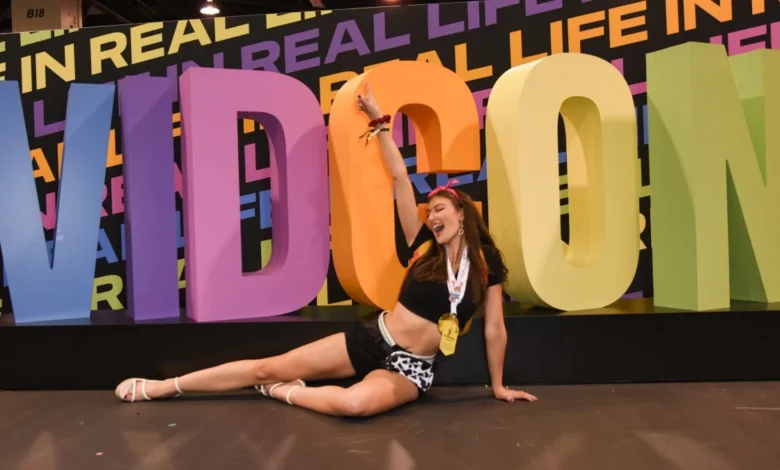
For more than a decade, the annual migration to Southern California was an unwritten ritual for digital creators, ardent fans, and corporate marketing executives alike. Every summer, tens of thousands of internet culture enthusiasts descended upon the Anaheim Convention Center for VidCon, the world’s premier celebration of online video. However, that long-standing tradition is officially coming to a close. In a sweeping restructuring effort led by parent company Informa, VidCon is permanently leaving its historic Southern California home for the foreseeable future. The convention is packing up its multi-track programming, fan meet-and-greets, and industry panels, and heading south to Nashville, Tennessee, under a newly minted banner: VidCon x LIONS Creators.
The relocation marks one of the most significant strategic pivots in the history of the creator economy. For longtime attendees, creators, and brands who built their summer schedules around the Anaheim event, the announcement signals a dramatic evolution. Far more than a simple change of venue, the move represents a fundamental rebranding and structural integration of VidCon into a broader, corporate-focused marketing ecosystem. While organizers promise that the soul of the convention—the vibrant intersection of creators and their communities—will survive the transition, the exact format, scale, and atmosphere of the upcoming Nashville iteration remain subjects of intense industry speculation.
A Historic Shift Rooted in Corporate Restructuring
The catalyst for this massive geographical and conceptual shift lies in corporate realignment. VidCon and LIONS—the prominent organizer behind the prestigious Cannes Lions International Festival of Creativity—both operate under the umbrella of Informa, a massive multinational publishing, events, and academic research group. Informa acquired VidCon from Paramount Global in 2024, immediately setting the stage for cross-pollination between the entertainment-heavy fan convention and the high-end corporate advertising festival.
Under the newly announced roadmap, VidCon will no longer stand as a standalone summer festival in Anaheim. Instead, it is being integrated into a sprawling new marketing initiative called Insight to Impact. This overarching festival is slated to launch in Denver in October 2026 before relocating its main operations to Nashville in 2027. While VidCon will sit out the initial Denver debut, it will maintain an international footprint by appearing at the annual Cannes Lions advertising festival in France in June 2027.
Crucially, corporate leadership has clarified that the fan-centric experiences—the screaming crowds, merchandising booths, and massive creator meet-and-greets that defined the Anaheim years—will be strictly reserved for the Nashville appearance in the fall of 2027, rather than the corporate-heavy climes of the French Riviera. This division attempts to straddle two very different worlds: the lucrative, brand-friendly B2B networking of global advertising executives, and the passionate, community-driven engagement of digital fandom.
The Origins and Evolution of a Digital Generation
To understand the magnitude of the Anaheim departure, one must look back at the humble origins of VidCon. Founded in 2010 by pioneering YouTube creators and twin brothers Hank and John Green, the convention was born out of a desire to bring the burgeoning, decentralized community of online video creators into a physical, real-world space. At a time when digital video was still struggling for mainstream legitimacy outside of early internet forums and early YouTube channels, VidCon provided a vital physical anchor.
In 2012, the event moved to the Anaheim Convention Center, a venue capable of accommodating its exponential growth. What began as a modest gathering of a few thousand early adopters rapidly ballooned into a massive media summit. Over the ensuing decade, VidCon mirrored the explosive trajectory of the digital creator economy itself. The convention evolved from a simple gathering of vloggers and their viewers into a complex, tiered multi-industry event. Organizers introduced distinct passes and tailored programming streams designed to cater to three separate pillars of the digital ecosystem: everyday fans seeking entertainment and connection, emerging creators navigating the technical and artistic nuances of content production, and industry professionals looking to monetize digital influence.
As the creator economy matured, the platforms supporting it diversified radically. While YouTube remained the spiritual home of VidCon’s founding era, subsequent years saw the arrival of creators dominating TikTok, Twitch, Instagram, and serialized podcasting. The modern creator is no longer just a hobbyist in a bedroom; they are entrepreneurs, media moguls, and brand founders. At VidCon 2026, panels and interviews highlighted the vast spectrum of this evolution—from digital creators turning personal diagnoses like ADHD into trusted public resources, to engineers shifting into comedy and commentary, to small digital doodles morphing into multi-million-dollar global merchandise brands.
Bridging the Gap Between Creators and Corporate Advertising
The partnership with LIONS is a direct acknowledgement of how deeply intertwined the creator economy has become with traditional global advertising budgets. LIONS Creators, a dedicated program launched in 2023, takes place annually during the Cannes Lions festival every June. Designed to bridge the gap between digital content creators and the corporate world, the program features specialized talks, collaborative workshops, and high-stakes networking opportunities. These sessions allow independent creators to pitch directly to major brand representatives, global advertising agencies, and platform executives.
By merging VidCon with the LIONS framework, Informa is positioning the combined entity as the definitive global marketplace where digital influence meets corporate capital. The business of being a creator is no longer an isolated subculture; it is a core driver of modern marketing strategies. Brand partnerships, sponsored content, and direct-to-consumer product lines now generate billions of dollars annually, making the integration between a fan convention and an advertising festival a logical, if culturally jarring, corporate maneuver.
However, this corporate marriage raises valid questions regarding the future identity of VidCon. For years, the convention’s primary appeal was its grassroots authenticity—a place where fans could interact directly with independent personalities without heavy corporate filtration. As the event leans further into B2B integration under the banner of Insight to Impact and LIONS, attendees and creators alike will be watching closely to see whether the convention retains its community-first ethos or transforms into a sterile trade show dominated by corporate presentations and marketing jargon.
What Awaits Attendees in Nashville?
As the dust settles on the Anaheim era, the immediate future of VidCon remains shrouded in uncertainty. LIONS has announced that specific details regarding the physical layout, ticket tiers, scheduling, and programming for the Nashville event will be released later in the year.
For longtime attendees, travel planners, and hospitality vendors in Southern California, the departure represents the end of a golden era. Anaheim had become synonymous with the summer calendar of internet culture, anchoring memories for generations of digital natives. Shifting the event to Nashville in the fall of 2027 means adapting to a new geographic landscape, a different seasonal timeline, and a fundamentally altered corporate mandate.
Ultimately, the relocation of VidCon is a microcosm of the creator economy at large: maturing, institutionalizing, and seeking out higher-value corporate synergies. Whether the magic that once filled the halls of the Anaheim Convention Center can successfully be transplanted to Tennessee—and whether the passionate fandom of digital video will follow it there—remains the defining question for the next chapter of internet history.