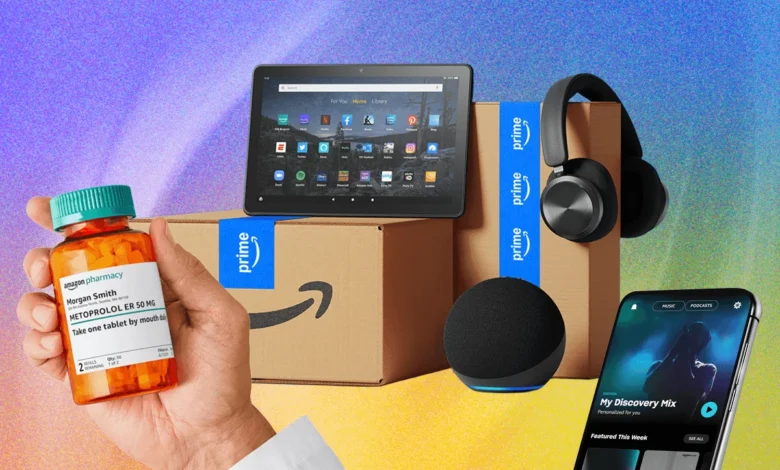
Most consumers initially subscribe to Amazon Prime for the promise of expedited, two-day shipping on millions of items. However, the membership has evolved into a comprehensive ecosystem of digital, financial, and logistical services that often go underutilized. With Amazon’s "Prime Big Deal Days" scheduled for October 6 and 7, 2026, it is imperative for the approximately 201 million Prime members in the United States to audit their accounts to ensure they are capturing the full value of their $139 annual investment. While Amazon has faced significant scrutiny regarding labor practices and data center operations, the ubiquity of the Prime program remains a cornerstone of American retail behavior.
Understanding the Membership Structure and Financial Tiers
Amazon Prime operates on a tiered subscription model designed to capture different consumer demographics. The standard annual membership fee is $139, which effectively breaks down to roughly $11.58 per month. For those who prefer smaller, recurring payments, Amazon offers a monthly subscription at $15, though this increases the annual expenditure to $180, representing a 29 percent premium over the annual plan.
Recognizing the necessity of market penetration among younger demographics, Amazon maintains the "Prime for Young Adults" program—formerly known as Prime Student. This tier is available to individuals aged 18 to 24 and offers a six-month free trial, followed by a discounted rate of $69 per year or $7.50 per month. Beyond standard pricing, Amazon offers "Prime Access," a social-impact initiative for recipients of government assistance, such as SNAP (Supplemental Nutrition Assistance Program). Qualifying members can secure a subscription for $7 per month. This eligibility requires annual verification and is capped at a four-year duration, after which the user must transition to a standard membership tier.
The Evolution of Prime Day and Big Deal Days
The concept of "Prime Day" was launched in 2015 to celebrate Amazon’s 20th anniversary. It has since grown into a global retail phenomenon that often rivals the combined sales volume of Black Friday and Cyber Monday. Historically, the event has been a catalyst for high-volume sales of consumer electronics, smart home devices, and household essentials.
The upcoming October 6-7 event, branded as "Prime Big Deal Days," follows a major mid-year event held in June. Data analysis from previous years indicates that while the volume of discounts is massive, the quality of these deals is not uniform. Consumer advocates frequently warn that "lightning deals"—promotions that are limited by time or stock—can sometimes distract from deeper, more consistent price drops on evergreen goods. Independent reviewers and industry analysts consistently advise consumers to use price-tracking tools to verify that a "discounted" price is, in fact, a genuine reduction from the item’s historical baseline, rather than an inflated price designed to make the deal appear more attractive.
Logistical Perks and Environmental Considerations
The core utility of Prime remains its logistics network. Members are entitled to free same-day or next-day shipping on millions of products. Furthermore, the "Amazon Day" delivery option has become an essential tool for those looking to reduce their carbon footprint. By consolidating multiple orders into a single weekly delivery, members minimize the number of transport trips and the volume of packaging waste.
Additionally, the "Buy With Prime" program has expanded, allowing third-party merchants to utilize Amazon’s fulfillment infrastructure. This provides a more consistent delivery experience for consumers shopping outside the primary Amazon.com domain. For those concerned about package security or urban accessibility, Amazon Lockers serve as a secure alternative to doorstep delivery, further integrating the service into the daily habits of apartment dwellers and commuters.
Digital Entertainment and Lifestyle Ecosystem
Beyond physical retail, Prime functions as a multimedia hub. Prime Video remains a significant pillar, offering a library of original content, including high-budget series like Fallout and The Expanse. However, a notable shift in the platform’s business model occurred in early 2024, when Amazon introduced advertisements into its standard Prime Video tier. Members wishing to avoid these commercials must pay an additional $5 monthly fee. This move mirrors industry-wide trends in streaming, where traditional subscription models are increasingly supplemented by ad-supported revenue streams.
The music landscape for members includes "Amazon Music Prime," which offers access to 100 million songs and podcasts without ads, albeit with limited skip functionality compared to the "Amazon Music Unlimited" tier. The latter, which provides full on-demand control, is available to Prime members at a discounted rate of $12 per month, compared to the $13 fee for non-members.
Emerging Technologies: Alexa+ and Generative AI
Amazon is currently pivoting its voice assistant technology toward generative AI with the launch of "Alexa+." While the service is included in certain premium contexts, it carries a $20-per-month price tag for non-Prime users. This tool is designed to facilitate more natural, context-aware conversations and personalized shopping assistance. The integration of generative AI into household management tools marks the next frontier for Amazon, as it seeks to deepen its role in the smart home ecosystem.
Strategic Savings: Grocery, Fuel, and Financial Services
Grocery services, including Amazon Fresh and the integration of Whole Foods Market, provide another layer of value. Prime members receive specific store-wide discounts at Whole Foods, including an extra 10 percent off sale items. For those who frequent these stores, the savings can significantly offset the cost of the annual membership.
Fuel savings are facilitated through a partnership with Earnify (formerly BP’s loyalty program), allowing members to save at least 10 cents per gallon at over 7,500 locations. Financial services, such as the suite of Amazon-branded credit cards, offer cash-back rewards. However, financial experts consistently advise that these cards should be evaluated based on individual spending habits rather than the prestige of the Amazon brand, as high interest rates can negate the value of the rewards earned.
Privacy and Data Implications
As Amazon continues to integrate its services deeper into the daily lives of consumers—ranging from in-garage deliveries via Amazon Key to prescription management through Amazon Pharmacy—the conversation regarding data privacy has intensified. The convenience of having a delivery person place a package inside one’s garage comes with the inherent requirement of granting access to home-monitoring systems. Similarly, the use of Prime Rx or OneMedical involves the handling of sensitive health information.
While Amazon maintains robust security protocols, consumer advocacy groups emphasize the need for transparency. Users are encouraged to review their privacy settings and understand exactly what data is being shared across the Amazon ecosystem. The benefit of "free" programs is often the accumulation of data that informs Amazon’s hyper-targeted advertising algorithms.
Conclusion: Evaluating the ROI of Membership
To determine if a Prime membership remains cost-effective, consumers should perform a simple audit of their yearly usage. If the shipping savings alone do not cover the $139 annual fee, the value must be found in the ancillary services: streaming, grocery discounts, and digital storage.
As the retail landscape prepares for the October 6-7 Big Deal Days, the most successful shoppers will be those who approach the event with a clear list of needs and an understanding of the true market value of the products they intend to purchase. By leveraging the specific benefits of the Prime ecosystem—and being mindful of the trade-offs—members can ensure that the program functions as a financial asset rather than an automated expense. Whether the goal is to optimize a household budget or simply to take advantage of upcoming promotions, the key to success lies in informed, intentional consumption.