New Tools for Merchants: A Comprehensive Roundup of Emerging Ecommerce Solutions and Strategic Integrations


The ecommerce landscape is undergoing a rapid transformation as merchants seek to harmonize AI-driven discovery, complex omnichannel fulfillment, and secure, customer-centric payment systems. This week’s influx of service updates reflects a broader industry shift toward "agentic commerce"—the integration of autonomous AI agents capable of executing tasks rather than simply providing information. From AI-native customer experience platforms to expanded logistics capabilities in international markets, the following developments represent the latest efforts to streamline operations and enhance the consumer journey.
The Rise of AI-Native Discovery and Agentic Commerce
The most significant trend currently reshaping the digital storefront is the move toward AI-led brand discovery. Juspay has officially entered this space with the launch of Breeze Universal, a tool designed to synchronize a merchant’s product catalog across diverse AI-powered platforms, including ChatGPT, Claude, and various mobile ecosystems. By connecting directly to existing store architectures like Shopify and WooCommerce, Breeze Universal effectively bypasses the traditional search engine results page (SERP), positioning products directly within the conversational interfaces where modern consumers increasingly conduct their research.

This trend is further supported by Anthropic, which has released a series of "AI agent blueprints" for retailers. As the holiday shopping season approaches, demand for conversational search tools has reached a fever pitch. Anthropic’s framework allows retailers to build specialized agents capable of inventory management, dynamic pricing, and personalized marketing campaign execution. The implication for retailers is clear: the ability to deploy an agent that can not only suggest products but also facilitate the addition of items to a digital cart represents a significant leap in conversion efficiency.
Revolutionizing Customer Experience and Post-Purchase Operations
Customer engagement is no longer confined to the initial sale; it has evolved into a continuous loop of feedback and support. Alchemer has addressed this with the launch of Iris, an AI-native customer experience platform designed to bridge the gap between passive feedback and active resolution. Unlike legacy survey tools, Iris is built to ingest data from reviews and consumer channels to automate reputation management and trigger real-time follow-ups. By keeping a "human-first" approach—where users retain control over how and when AI applies its logic—Alchemer is addressing the industry’s cautious approach toward fully autonomous customer service.
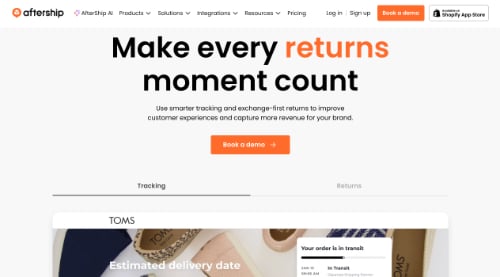
Similarly, AfterShip has unveiled its "Intelligence" suite, aimed at transforming post-purchase logistics from a cost center into a retention engine. By leveraging predictive AI, the platform identifies shipment exceptions before they become customer complaints. The system can recommend resolutions and execute tasks autonomously, though the company emphasizes that all financial or customer-facing actions are subject to human oversight. This "human-in-the-loop" model is becoming a standard best practice as firms mitigate the risks associated with AI-driven errors.

Logistics and Omnichannel Fulfillment Expansion
Operational efficiency remains the backbone of successful ecommerce, and recent partnerships underscore the need for integrated logistics. Lightspeed Commerce and ShipStation have finalized a strategic integration that unifies in-store and online fulfillment. By embedding ShipStation’s logistics capabilities directly into the Lightspeed point-of-sale system, retailers can now manage multi-channel inventory and automated tax calculations from a single dashboard. This move addresses the "complexity gap" that often plagues omnichannel retailers, allowing for a more seamless transition between physical storefronts and digital warehouses.
Logistics provider Flexport has also signaled its commitment to international growth by launching fulfillment services in Mississauga, Canada, and Manchester, England. For brands looking to scale, the ability to store inventory in-market while maintaining a centralized platform and account team is a significant advantage. This model reduces the friction associated with cross-border customs and returns, allowing retailers to treat international sales with the same operational ease as domestic orders.
Financial Technology and Security Innovations
The payment sector continues to prioritize flexibility and security. Ecommpay has introduced a simplified QR code payment system, which allows merchants to generate a single static code for use on printed receipts, signage, or web pages. By allowing customers to dictate the payment amount, the system provides a frictionless checkout experience that bridges the physical-to-digital divide.

Meanwhile, Shopline has selected Splitit as its exclusive partner for card-linked installments. This partnership is particularly timely, as the demand for "buy now, pay later" (BNPL) options remains a critical driver for higher average order values. Unlike traditional financing, which requires complex credit checks and separate applications, card-linked installments utilize a consumer’s existing credit line, reducing friction for both the merchant and the buyer.
Security remains a primary concern for consumers, particularly in an era of sophisticated phishing campaigns. Amazon has responded to these threats by expanding its Alexa for Shopping protections. U.S. customers can now use Alexa to verify the authenticity of emails, texts, and calls, a feature that aligns with the broader industry movement toward zero-trust communication models. Complementing this, Okta has launched its Auth0 Identity Conversion Suite, designed to help businesses manage secure logins while tracking prospect behavior from the first visit through to conversion.
Niche Tools for Specialized Ecommerce Needs
The ecosystem of supporting tools is also maturing to accommodate specialized merchant needs. Sigmira has introduced a product customizer for WooCommerce, allowing merchants to offer personalized goods with a real-time design preview. This addresses a long-standing pain point in the personalized retail market, where manual design proofing often slows down the production workflow. By automating the handoff between customer design and order fulfillment, Sigmira enables smaller shops to compete with larger, mass-customization retailers.

For dropshippers, Crosslist has unveiled a "micro-budget" testing method. This strategy encourages merchants to validate market demand by listing a limited selection of products across multiple marketplaces for a short window—typically 14 to 30 days—before committing significant capital. This data-driven approach minimizes the financial risk often associated with dropshipping, where inventory is not held on-site.
Finally, the B2B sector is seeing a surge in specialized CRM development. WizCommerce has launched WizCRM, an AI-powered operational platform for wholesalers and distributors. The tool goes beyond simple contact management by including "WizPilot," an AI sales assistant that handles customer inquiries and syncs with enterprise resource planning (ERP) systems to finalize orders.
Industry Implications and Future Outlook
The overarching theme across these diverse releases is the drive toward "actionable intelligence." Whether it is Listrak’s new free email marketing audit, which assesses deliverability and mobile optimization against 30 performance metrics, or Flipkart’s venture into "microdrama" as a content-led shopping discovery tool, the objective is to maximize the utility of every customer touchpoint.
The integration of AI into these systems is no longer a luxury but a fundamental requirement for remaining competitive. As these technologies continue to evolve, the distinction between "online store" and "conversational commerce" will likely blur further. Merchants who successfully adopt these tools—balancing AI automation with human oversight—are poised to gain a distinct advantage in an increasingly complex and noisy digital marketplace. As the 2026 holiday shopping season nears, these platforms will be tested at scale, providing the industry with a clear indicator of which technological investments yield the highest return on investment.
For retailers, the takeaway is clear: the operational stack of the future is defined by integration, security, and the ability to turn raw data into immediate, revenue-generating action. As platforms like Bazaarvoice, Alchemer, and AfterShip continue to refine their AI visibility and intelligence packages, the capability to track and optimize the customer journey will become more granular, setting a new benchmark for operational excellence in ecommerce.