Essential Guide to Optimizing Dorm Living and Workspace Efficiency for the Modern Student

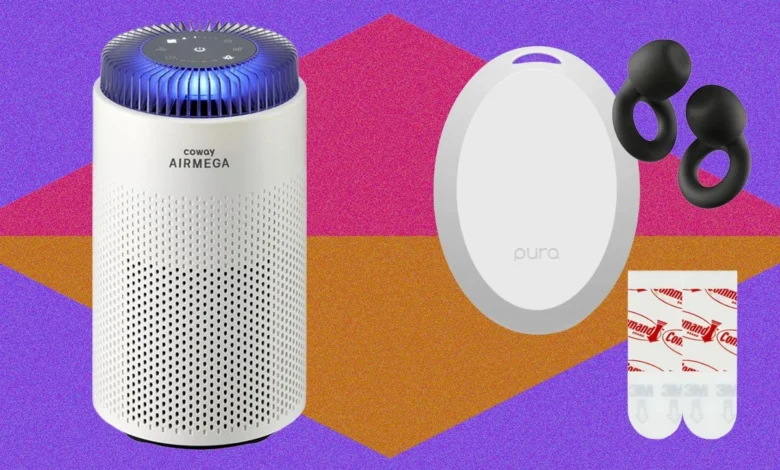
The transition from a domestic home environment to the high-density, restricted-space reality of a university dormitory represents one of the most significant logistical challenges facing young adults today. As the 2024-2025 academic year commences, students and parents are increasingly looking beyond basic school supplies toward sophisticated solutions that address the specific constraints of communal living. Modern dormitories, while evolving, often present a set of recurring issues: insufficient climate control, inadequate lighting for late-night study sessions, and a chronic lack of storage. To mitigate these stressors, a new standard of "dorm-ready" accessories has emerged, prioritizing portability, multi-functionality, and ergonomic health.
The Landscape of Modern Student Housing and Economic Trends
The shift toward highly curated dorm rooms is not merely an aesthetic trend but a multi-billion-dollar economic phenomenon. According to data from the National Retail Federation (NRF), back-to-college spending in the United States has seen a steady trajectory of growth, with total spending projected to reach approximately $86.6 billion in 2024. A significant portion of this expenditure is now dedicated to "dorm furnishings," as students seek to replicate the comforts of home within an average footprint of just 130 to 150 square feet.
This environment necessitates a strategic approach to procurement. Industry analysts note that the most successful products in this category are those that solve the "small-space paradox"—providing full-sized utility without the traditional physical footprint. This includes everything from vertical storage solutions to tech-integrated lighting that eliminates the need for bulky floor lamps.
Climate Control and the Move-In Week Logistics
One of the primary challenges identified by students during the late August and early September move-in window is the "thermal lag" of older campus buildings. Many traditional dormitories lack centralized HVAC systems, or possess systems that are slow to adjust to seasonal shifts.
The Aecooly Chic Touch Control Desk Fan has emerged as a preferred solution in this category due to its specific engineering for high-density environments. Measuring eight inches in height, the device is designed for suitcase portability—a critical factor for out-of-state or international students. Technical specifications reveal a noise floor of 36 decibels on its lowest setting, which is comparable to a quiet library or a whisper. This low acoustic profile is essential for maintaining roommate harmony and ensuring that the device does not interfere with the audio quality of remote lectures or study groups. Furthermore, the integration of USB-C recharging capabilities aligns with the modern electronics ecosystem, allowing students to power the device via the same cables used for their laptops and smartphones, thereby reducing cord clutter.
Ergonomics and the Digital Workspace
The modern student’s desk is no longer just a place for paper and pens; it is a high-functioning digital workstation. However, the standard-issue furniture provided by universities often lacks the ergonomic considerations required for eight to twelve hours of daily use.
Specialized Lighting Solutions
Traditional desk lamps often create glare on computer monitors, leading to digital eye strain—a condition characterized by headaches, blurred vision, and dry eyes. To combat this, the BenQ ScreenBar Computer LED Lamp has gained traction among productivity experts. Unlike standard lamps, this device utilizes an asymmetrical optical design that illuminates only the desk surface and keyboard, ensuring zero reflective glare from the screen. By mounting directly to the top of an external monitor, it occupies no physical space on the desk surface, effectively reclaiming valuable square footage for textbooks and notebooks.
Surface Optimization
Complementing specialized lighting is the rise of the microfiber desk mat. Options like the Monoprice Extra Wide Length Mat serve a dual purpose: protecting university-owned furniture from wear and tear while providing a consistent, low-friction surface for mouse tracking. This is particularly relevant for students in STEM or creative arts fields who utilize high-precision peripherals. The use of a desk mat also provides a layer of acoustic dampening, reducing the sound of typing and clicking in shared rooms.
Maximizing Vertical and Hidden Storage
Storage remains the most persistent hurdle in dormitory life. When floor space is limited, professional organizers suggest a "vertical-first" strategy.
The Utility of Mobile Carts
The AmazonBasics 3-Tier Utility Cart has become a staple of small-space living. Its success is attributed to its mobility and the efficiency of its footprint. By utilizing three stacked tiers, the cart allows students to categorize items—such as school supplies on the top, toiletries in the middle, and snacks or kitchen items on the bottom—while remaining narrow enough to tuck into a corner or closet.

Underbed Real Estate
Perhaps the most underutilized area in a dorm room is the space beneath the bed. With many universities providing "lofted" or adjustable-height bed frames, this area can provide up to 30 cubic feet of storage. The Ikea Skubb Underbed Storage Case is frequently cited by housing experts for its ability to protect off-season clothing and linens from the dust and debris common in older buildings. The use of soft-sided, zippered cases allows for flexibility in packing and ensures that items remain organized during the frantic periods of finals week or holiday breaks.
Hygiene and Maintenance in High-Density Environments
Shared living spaces are notorious breeding grounds for bacteria and fungal infections. Maintaining personal hygiene and room cleanliness is not just a matter of comfort, but a prerequisite for academic success, as illness can significantly derail a student’s GPA.
The Shared Shower Protocol
Health professionals consistently warn against walking barefoot in communal showers due to the prevalence of Tinea pedis (athlete’s foot) and other fungal pathogens. The use of "shower shoes" is a non-negotiable standard. Products like Crocs Classic Clogs have been adopted for this purpose due to their non-porous material and rapid-drying properties. Their slip-on design is particularly advantageous when navigating the often-wet floors of a dorm bathroom while balancing a shower caddy.
Laundry Logistics
The physical act of doing laundry in a dormitory often involves transporting heavy loads across multiple floors or even to separate buildings. The traditional plastic laundry basket is increasingly being replaced by backpack-style laundry bags. The Dalykate Backpack Laundry Bag, for instance, includes integrated detergent pockets and padded straps, allowing students to maintain better posture and keep their hands free while navigating stairs or opening doors.
The Psychological Impact of Personalization
Beyond utility, the aesthetic environment of a dorm room plays a crucial role in a student’s mental well-being. The "Third Space" theory suggests that people need a place between work and home where they feel a sense of belonging and relaxation.
Acoustic and Visual Comfort
A rug, such as the Ruggable Pamir Ivory, does more than just cover a cold linoleum floor; it provides significant sound absorption, reducing the "echo" effect of a sparsely furnished room. The fact that these rugs are machine-washable is a critical feature for students who may lack the means to professionally clean a standard carpet after spills or heavy foot traffic.
Smart Lighting and Mood Regulation
The Govee RGBIC LED Light Strip represents the evolution of the traditional "string light." Controlled via smartphone apps, these lights allow students to adjust the color temperature of their room. Research into circadian rhythms suggests that "warmer" amber tones in the evening can help the brain prepare for sleep, whereas "cooler" blue tones can increase alertness during study hours. This level of environmental control is a powerful tool for students managing the high-stress atmosphere of university life.
Chronology of the Dorm Preparation Cycle
The process of equipping a student for the academic year follows a predictable timeline that dictates market availability and pricing:
- Late Spring (May – June): Universities release housing assignments. Students begin initial outreach to roommates to coordinate on large items like mini-fridges or rugs to avoid duplication.
- Early Summer (July): The "Early Bird" shopping phase. This coincides with major retail events where tech accessories like monitor lamps and LED strips are often discounted.
- Late Summer (August): The "Essential Acquisition" phase. Focus shifts to consumables and hygiene products: laundry detergent, disinfectant wipes, and shower supplies.
- Move-In Week (Late August): Real-time adjustments. Students identify gaps in their setup—often realizing the need for more fans or additional underbed storage once they see the physical constraints of the room.
- Post-Settling (September – October): Final optimization. This is when students purchase items like desk mats or utility carts to refine their workflow after the first few weeks of classes.
Official Perspectives and Safety Regulations
University housing departments have historically maintained strict guidelines regarding what can and cannot be brought into a dormitory. Fire safety remains the primary concern.
- Prohibited Items: Most universities ban candles, incense, and high-wattage heating elements (like certain space heaters or older coffee pots) due to fire risks.
- Approved Electronics: Modern LED lighting and UL-certified fans are generally encouraged as safer alternatives to traditional lighting and cooling methods.
- The "Damage-Free" Mandate: There is a heavy emphasis on products that do not require permanent installation. Command hooks, tension rods, and over-the-monitor lamps are preferred because they do not leave holes in walls or residue on furniture, which can lead to significant fines at the end of the year.
Implications for Student Success
The enrichment of a dorm room is ultimately an investment in a student’s academic and emotional resilience. A well-organized, ergonomically sound, and hygienic environment reduces the "cognitive load" of daily chores, allowing more mental energy to be directed toward learning. As the boundaries between living and working continue to blur in the post-pandemic academic world, the importance of a high-functioning home base on campus has never been more apparent. By selecting tools that prioritize efficiency and health, students are better equipped to navigate the rigors of higher education.
Related posts: