Waymo Resumes San Francisco Operations After Power Outage Prompts Brief Service Suspension and Freeway Restrictions

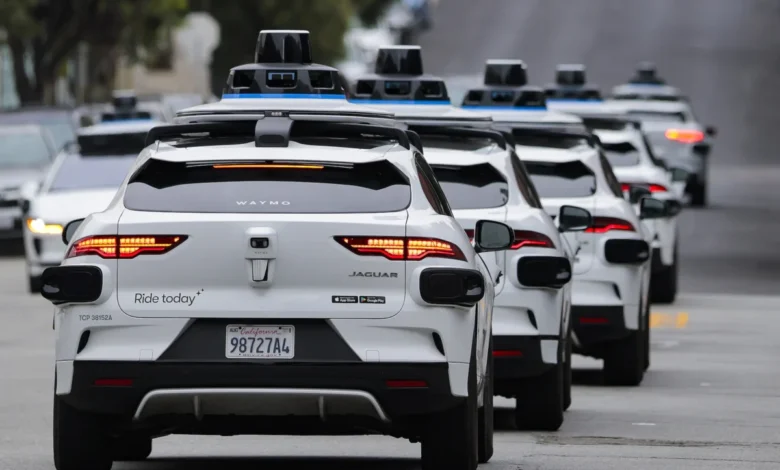
Waymo, the autonomous driving subsidiary of Alphabet Inc., has officially restored its robotaxi services in San Francisco following a brief but significant disruption caused by a widespread power outage. The incident, which occurred during the midday hours of July 18, 2026, forced the company to implement "temporary adjustments" to its operations, including a total suspension of service for approximately one hour and the continued unavailability of freeway routes. The outage reportedly affected an estimated 7,000 Pacific Gas and Electric (PG&E) customers across several key neighborhoods in the city, highlighting the ongoing vulnerabilities of autonomous vehicle (AV) infrastructure when faced with municipal utility failures.
The service interruption began shortly before noon, as users in San Francisco started receiving notifications via the Waymo One app informing them that the fleet was temporarily grounded. According to internal reports and communications shared by users on social media, the company cited the need to monitor local conditions and ensure the safety of both passengers and the general public. While the core robotaxi service has since resumed, the company confirmed that freeway operations remain restricted as a precautionary measure while technical teams evaluate the stability of the city’s communication and traffic management networks.
Chronology of the Disruption
The events of July 18 unfolded rapidly, beginning with reports of a localized blackout in the northeastern sector of San Francisco. At approximately 11:45 AM PDT, PG&E confirmed that a equipment failure had triggered a power surge, knocking out electricity to residential and commercial properties, as well as critical traffic infrastructure.
By 12:00 PM PDT, Waymo’s operations center detected anomalies in the fleet’s connectivity and the status of smart traffic signals in the affected areas. In a move described by the company as a "precautionary assessment," Waymo issued a fleet-wide "pause" order. Passengers currently in transit were safely dropped off at their destinations or nearby safe locations, but no new ride requests were accepted.
A Waymo spokesperson later clarified the timeline, stating that the company decided to pause service for roughly sixty minutes to assess the scale of the power outage and coordinate with San Francisco municipal officials. This assessment period was critical for determining whether the fleet’s onboard sensors could safely navigate intersections where traffic lights had gone dark—a known "edge case" that has historically challenged autonomous driving software. By 1:15 PM PDT, service was largely restored, though with the notable exception of high-speed freeway routes, which require higher levels of data redundancy and real-time environmental feedback.
Infrastructure Vulnerabilities and Technical Challenges
The July 18 outage serves as a stark reminder of the dependency of Level 4 autonomous systems on stable urban infrastructure. While Waymo’s vehicles are equipped with an array of LiDAR, radar, and camera sensors designed to operate independently of external signals, the broader operational ecosystem relies heavily on cloud connectivity and real-time mapping updates.
When a power outage occurs, several critical variables change for an autonomous fleet:
- Traffic Signal Failures: In the absence of powered traffic lights, intersections revert to "four-way stop" rules. While Waymo’s software is programmed to handle these scenarios, the presence of human drivers who may not follow standard protocol during a blackout creates a high-risk environment.
- Connectivity Latency: Power outages often impact cellular towers and localized Wi-Fi networks. Waymo vehicles maintain a constant data link with a remote assistance center. If this link is degraded, the company typically defaults to a "minimal risk condition," which often involves the vehicle pulling over and stopping.
- Emergency Vehicle Coordination: Blackouts often lead to an increase in emergency vehicle activity. Ensuring that a fleet of hundreds of robotaxis can seamlessly yield to sirens and lights without human intervention remains a top priority for developers.
The decision to keep freeway routes unavailable suggests that Waymo is exercising an abundance of caution regarding high-speed maneuvers. On a freeway, the margin for error is significantly thinner, and any disruption in the "look-ahead" data provided by the company’s servers could compromise safety.
A Pattern of Urban Gridlock
This is not the first time that external environmental factors or municipal incidents have paralyzed Waymo’s operations in San Francisco. The July 18 event follows a series of high-profile incidents that have fueled the debate over AV regulation.
In December 2025, a similar blackout led to a "stalling" incident where several Waymo vehicles stopped dead in the middle of city streets, unable to navigate a complex intersection without functioning signals. The resulting gridlock lasted for hours and required manual intervention to clear the vehicles. Furthermore, during the Fourth of July celebrations earlier this month, a massive fireworks display at the Golden Gate Bridge caused such significant traffic congestion and pedestrian density that the Waymo fleet struggled to find safe paths forward, effectively "bricking" in place and blocking emergency access routes.

These recurring issues have provided ammunition for critics who argue that autonomous vehicle technology is not yet robust enough to handle the unpredictability of a major metropolitan area during a crisis.
Political and Regulatory Reactions
The repeated service disruptions have caught the attention of San Francisco’s leadership. Mayor Daniel Lurie, who has maintained a complicated relationship with the tech sector, has increasingly pushed for more stringent oversight. Following the July 18 outage, the Mayor’s office reiterated its call for the California Public Utilities Commission (CPUC) and the California Department of Motor Vehicles (DMV) to grant local authorities more power to regulate AV operations.
"We cannot have a situation where a routine power outage or a planned public event results in the total paralysis of our transit corridors," Mayor Lurie stated in a recent press briefing. "We need tougher state regulations that adequately address how autonomous vehicles operate during major incidents, planned or not. The safety of San Franciscans cannot be a beta test."
The Mayor’s push for "tougher rules" includes requirements for AV companies to provide real-time data feeds to the city’s emergency response centers and the implementation of a "kill switch" or remote override capability that local law enforcement can access during emergencies. Currently, the regulation of robotaxis in California is handled primarily at the state level, leaving city officials with limited power to dictate how these fleets behave on their streets.
Financial and Industry Implications
For Alphabet Inc., Waymo’s parent company, these operational hiccups represent more than just a public relations challenge; they are a hurdle to the commercial viability of the "Waymo One" service. As Waymo seeks to expand into new markets—including Los Angeles, Austin, and Phoenix—the ability to demonstrate 24/7 reliability in all conditions is paramount.
Market analysts suggest that while Waymo currently leads the industry in terms of miles driven and safety records, the "infrastructure gap" remains their greatest vulnerability. The cost of maintaining a remote assistance staff and the potential lost revenue from service pauses can impact the long-term profitability of the robotaxi model. However, supporters of the technology point out that human drivers are also prone to errors and delays during power outages, often resulting in higher accident rates than those seen in autonomous fleets during similar conditions.
Looking Ahead: The Path to Resilience
As power is fully restored to San Francisco and Waymo evaluates the data from the July 18 incident, the company is expected to release a technical update addressing the "temporary adjustments" made to the fleet. This update will likely focus on improving the software’s ability to navigate unpowered intersections and enhancing the redundancy of the vehicles’ communication systems.
The incident highlights a broader trend in urban planning: the need for "smart city" infrastructure that can communicate directly with autonomous fleets. If traffic signals were equipped with long-lasting battery backups and V2X (Vehicle-to-Everything) transmitters, the impact of a PG&E outage on the transportation network would be significantly mitigated.
For now, Waymo continues to operate with a heightened sense of vigilance. The company’s statement emphasized its commitment to its riders: "We know riders depend on us, and we will return to normal operations as soon as possible." As of the final update of this report, service within the city limits has stabilized, though the timeline for the resumption of freeway routes remains dependent on further safety assessments.
The July 18 outage may have lasted only an hour, but its implications for the future of autonomous transit, urban regulation, and the relationship between tech giants and municipal governments will likely resonate for much longer. As San Francisco continues to serve as the global testing ground for the future of mobility, the city’s aging power grid and its cutting-edge robotaxis remain in a delicate, and sometimes volatile, dance.