Navigating the Digital Deluge: How Bot Traffic Skews Campaign Performance and Inflates Costs


When a digital marketing campaign goes live, a surge in website traffic is typically celebrated as the immediate indicator of success. However, an increasingly prevalent challenge for businesses and marketers is the growing discrepancy between soaring traffic numbers and lagging conversion rates, often accompanied by unexpectedly high hosting costs. This phenomenon points to a significant, often invisible, component of modern web traffic: automated bots, including sophisticated AI crawlers, scrapers, and monitoring tools, which now comprise a substantial and rapidly expanding portion of internet activity. These non-human visitors can mimic genuine user behavior, consuming valuable resources, distorting analytics, and ultimately undermining the true impact and return on investment (ROI) of marketing efforts.
The Unseen Surge: Dissecting Campaign Traffic Spikes
The initial rush of activity following a campaign launch – be it for a new product, service, or promotional event – is a critical moment. While some of this traffic undeniably stems from genuine human interest, the contemporary digital landscape ensures that a significant portion originates from automated sources. As visibility increases through paid advertisements, social media pushes, and search engine optimization (SEO) efforts, so too does the attention from a myriad of bots. These automated systems are programmed to scan, index, monitor, and sometimes exploit new content and trending topics across the web.
Unlike human visitors who engage with content, navigate pages, and potentially convert, bots interact with websites in various, often resource-intensive ways. They might repeatedly request dynamic content, bypass caching mechanisms, or trigger server-side processes, all without any intent to purchase, subscribe, or genuinely interact. This can lead to a deceptive scenario where analytics dashboards display impressive traffic figures, yet key performance indicators (KPIs) like conversions, lead generation, or sales remain stagnant or underperform relative to the perceived traffic volume. The resultant strain on web infrastructure, encompassing bandwidth and server resources, translates directly into increased operational costs for businesses, diluting the efficiency of their marketing spend.
A Growing Digital Menace: The Rise of AI and Malicious Bots
The proliferation of automated traffic is not a static problem; it is an escalating one, particularly with the advent and widespread adoption of artificial intelligence. Traditional web crawlers, such as those used by search engines, have long been a part of the internet ecosystem, playing a crucial role in indexing content for discoverability. However, the current wave of AI crawlers represents a new frontier, distinguished by their frequency, intensity, and often less predictable behavior.
According to a comprehensive AI and bot traffic report by Kinsta, the landscape of web visits is undergoing a dramatic transformation. By the end of 2025, it is projected that approximately 1 in 31 web visits will originate from AI bots, a significant leap from roughly 1 in 200 at the beginning of the same year. This acceleration underscores the rapid integration of AI into various online operations, from sophisticated data scraping for competitive analysis to model training for generative AI applications. Cloudflare data, cited in the same report, further highlights this trend, indicating that AI crawlers accounted for an average of 4.2% of HTML requests on its network by late 2025, with fluctuations between 2.4% and 6.4% over short periods. While these percentages might appear modest individually, their cumulative impact, especially when combined with other forms of automated traffic, can be substantial, particularly on resource-intensive, uncached, or dynamic sections of a website.
The categories of automated traffic are diverse, ranging from benign and necessary bots (like legitimate search engine crawlers) to more problematic entities. These include:

- AI Crawlers: Bots designed to collect vast amounts of data for AI model training, often making frequent and deep requests.
- Scrapers: Bots used to extract specific data, such as pricing information, product descriptions, or contact details, for competitive intelligence or other purposes.
- Monitoring Tools: Bots that check website uptime, performance, or security vulnerabilities.
- Malicious Bots: These encompass a wide array of threats, including those conducting credential stuffing, DDoS attacks, spamming, ad fraud, or content theft.
- Fake Engagement Bots: Designed to inflate social media metrics, view counts, or click-through rates, often for deceptive purposes.
The critical distinction lies in their intent and impact. While some automated activity is expected and even beneficial for online visibility, a significant portion generates "noise" or, worse, actively harms a website’s performance, security, and data integrity.
Beyond the Numbers: The Real Costs to Businesses
The financial and operational implications of unchecked non-human campaign traffic are far-reaching. The damage extends beyond misleading analytics, impacting budget allocation, website performance, and the credibility of campaign reporting.
- Wasted Ad Spend: If a significant portion of paid traffic is bot-generated, businesses are effectively paying for impressions or clicks that will never convert. This inflates customer acquisition costs and diminishes the ROI of digital advertising campaigns, leading to misinformed budget decisions.
- Increased Infrastructure Costs: Every request, whether from a human or a bot, consumes server resources and bandwidth. When bots make frequent requests, especially for dynamic or uncached content, they drive up hosting expenses without contributing to business objectives. Hosting providers typically charge based on resource usage, making bot traffic a direct drain on operational budgets.
- Degraded User Experience and Performance: Automated traffic can compete with genuine human visitors for server resources. High volumes of bot requests can lead to slower page load times, increased latency, and even website outages during peak campaign periods. This directly harms the user experience, potentially driving away legitimate customers and damaging brand reputation.
- Skewed Analytics and Decision-Making: Relying on uncleaned analytics data can lead to fundamentally flawed business decisions. If traffic numbers are inflated by bots, marketers might mistakenly attribute success to ineffective strategies or allocate resources to campaigns that are not genuinely resonating with human audiences. The Kinsta report highlights that approximately 80% of AI crawling activity is tied to model training, not search or user queries, meaning this traffic rarely translates into direct site visitors or conversions.
- Security Vulnerabilities: Malicious bots are a constant threat, probing for weaknesses, attempting to exploit vulnerabilities, or engaging in fraudulent activities like account takeovers. An influx of bot traffic during a campaign can mask these malicious activities, making detection and mitigation more challenging.
Bridging the Data Divide: Challenges in Analytics Interpretation
One of the primary difficulties in identifying and mitigating bot traffic lies in the inconsistencies of data reporting across different analytical tools. Browser-based analytics platforms, such as Google Analytics, rely on JavaScript code executing in a user’s browser. If a bot does not execute this script (which many sophisticated bots are designed to avoid or mimic), its activity may not be recorded. Conversely, server-side analytics systems log every request made to the server, regardless of client-side script execution.
This fundamental difference means that a single traffic spike can yield vastly divergent numbers depending on the reporting tool. A server-side log might show a massive increase in requests, indicating significant infrastructure load, while browser-based analytics might show a more modest increase in "users." This disparity creates confusion, making it challenging for marketing and IT teams to reconcile data, understand true engagement levels, and justify resource allocation or campaign performance. The question of "Why don’t the numbers match across tools?" becomes a recurring headache for businesses during and after high-visibility launches.
Proactive Defense: The Role of Advanced Hosting Solutions
In an era dominated by ever-increasing automated web activity, reactive infrastructure solutions alone are insufficient. Simply scaling up server capacity to absorb all traffic, good and bad, is a costly and inefficient approach. Instead, a proactive strategy focusing on intelligent traffic management and bot protection at the infrastructure level is paramount. The goal is not merely to handle demand but to intelligently filter it, ensuring that genuine human visitors experience optimal performance while minimizing the impact of low-value automated traffic.
Advanced hosting providers recognize this critical need and offer specialized solutions. Kinsta, for example, implements a challenge-based approach to bot protection. Rather than a blanket allowance or blockage, this system intelligently distinguishes between legitimate users and automated traffic. When potentially automated traffic is detected, it is "challenged" to verify its nature, allowing real visitors to proceed unimpeded while deterring or blocking bots. This method ensures that critical resources are preserved for high-intent visitors.
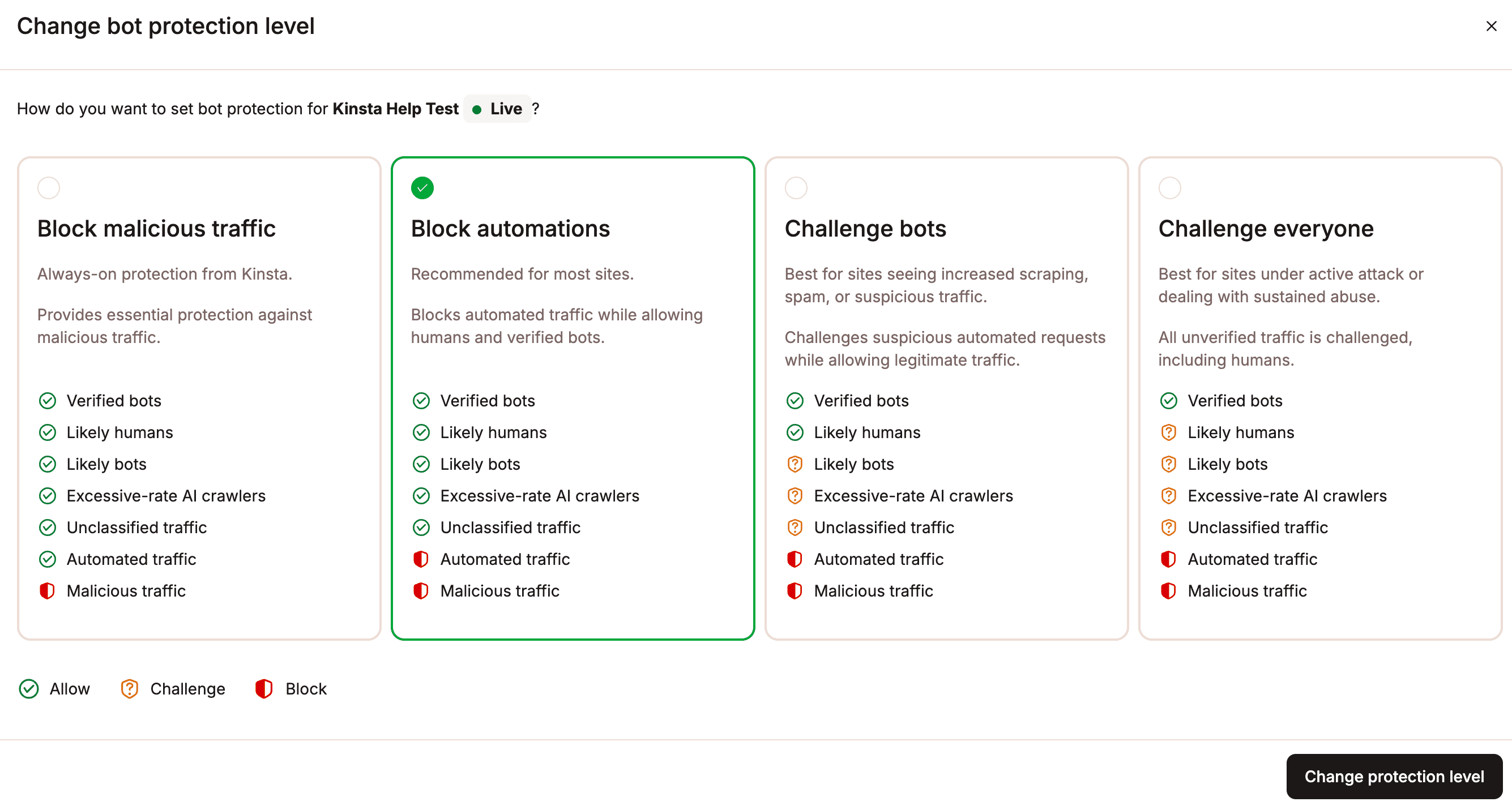
Kinsta’s bot protection settings offer granular control, including:
- Challenge Bots: A default setting that actively identifies and challenges likely bots and unclassified traffic.
- Block AI Crawlers: An explicit option to block AI crawlers, which can be invaluable when these bots are consuming excessive bandwidth or contributing to performance issues without delivering any reciprocal value.
- Custom Exceptions: The ability to allow trusted WordPress automations or create specific rules for known, benign bots.
These features enable businesses to dynamically adjust their protection levels, particularly during critical launch windows, to reduce unnecessary load and maintain site availability for actual customers. By filtering traffic at the infrastructure level, before it reaches the application layer, such solutions prevent bots from impacting server performance, bandwidth usage, and the integrity of analytics data.
Strategic Preparedness: Best Practices for Campaign Launches
To mitigate the impact of non-human traffic and ensure the success of digital campaigns, businesses should adopt a multi-faceted strategy:
- Baseline Performance Monitoring: Before a campaign launch, establish clear baselines for traffic, conversions, and resource usage. This provides a crucial benchmark against which to measure the campaign’s actual performance and identify anomalies.
- Pre-Launch Stress Testing: Simulate high traffic loads to identify potential bottlenecks and ensure the website can handle genuine user demand without compromising performance.
- Implement Robust Bot Protection: Utilize advanced bot protection features offered by hosting providers. Configure settings to actively challenge or block suspicious automated traffic, especially during peak campaign visibility.
- Diversify Analytics Tools: Combine server-side logs with browser-based analytics for a more comprehensive view of traffic. Understand the inherent differences in how these tools report data and account for potential discrepancies.
- Monitor Key Performance Indicators (KPIs) Beyond Traffic: While traffic volume is important, prioritize metrics like conversion rate, engagement time, bounce rate, and revenue generated. These provide a more accurate picture of genuine human interaction.
- Regularly Review Traffic Logs: Proactively analyze server logs for unusual patterns, IP addresses, or user-agent strings that might indicate bot activity.
- Educate Marketing Teams: Foster an understanding among marketing professionals that high traffic numbers alone do not equate to success, and the composition of traffic is as important as its volume.
Securing the Digital Frontier: Ensuring Genuine Engagement
In the complex ecosystem of the modern web, a truly successful campaign is one that not only attracts attention but also effectively guides genuine visitors through a seamless experience to conversion, unhindered by the noise and resource drain of automated traffic. The era of blindly celebrating every traffic spike is over. Today, strategic digital marketing demands a sophisticated understanding of web traffic composition and the proactive implementation of measures to differentiate human intent from automated activity.
Hosting providers that offer intelligent bot protection and granular traffic control are no longer just infrastructure providers; they are crucial partners in securing the integrity and effectiveness of digital campaigns. By enabling businesses to block, challenge, or filter automated traffic, solutions like Kinsta’s Bot Protection settings empower teams to manage campaign traffic deliberately, ensuring that valuable resources are allocated to genuine engagement. As the digital landscape continues to evolve with the accelerating pace of AI, protecting the path for real visitors to reach, engage with, and convert on a website will remain paramount for sustainable online success.