From Freshman Reporter to National Author The Investigation into Stanford University and the High Stakes World of Silicon Valley Venture Capital

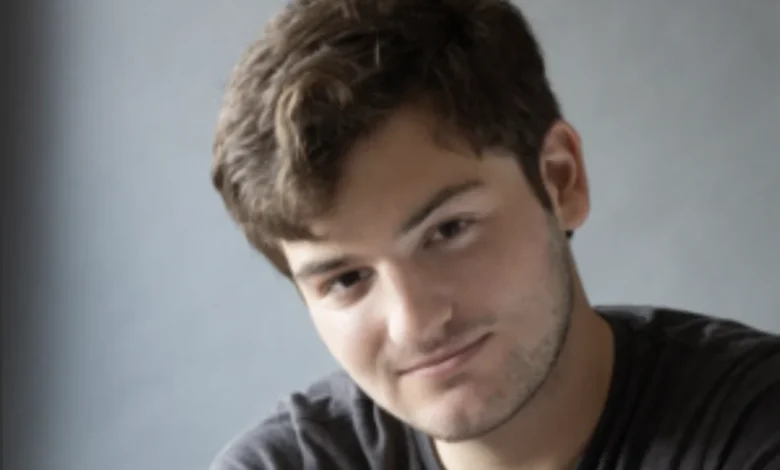
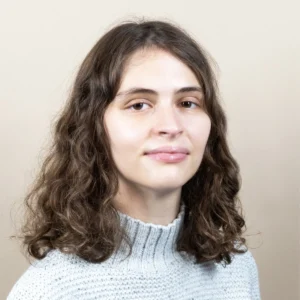
Theo Baker, a member of Stanford University’s class of 2026, arrived on campus with the intention of pursuing a career in computer science and entrepreneurship. However, within his first year, Baker’s focus shifted from writing code to uncovering one of the most significant scandals in the history of American higher education. His reporting for the student newspaper, The Stanford Daily, ultimately led to the resignation of Stanford President Marc Tessier-Lavigne and earned Baker a George Polk Award—a distinction rarely bestowed upon a college freshman. On Tuesday, with his own graduation on the horizon, Baker released his debut book, How to Rule the World, a comprehensive account of his investigative journey and a critical examination of the symbiotic, often opaque relationship between elite universities and the venture capital industry.
The book, which has already seen its film rights optioned by Warner Brothers and producer Amy Pascal, delves into what Baker describes as a "parallel reality" within the university. This environment is characterized by a high-stakes pipeline where students are scouted by venture capitalists as early as their freshman year, sometimes before they have even attended their first lecture. Baker’s narrative suggests that the traditional academic mission of the university is increasingly being overshadowed by a culture of "talent extraction," where the primary goal is to identify the next billion-dollar founder.
The Investigation into Marc Tessier-Lavigne
Baker’s rise to national prominence began not in a journalism classroom, but through a personal connection to his late grandfather, who had frequently spoken of his own time at a student newspaper. Joining The Stanford Daily as a hobby, Baker began investigating tips regarding scientific integrity. These tips led him to PubPeer, a website where members of the scientific community discuss published research. On the site, Baker found comments dating back seven years that raised questions about image manipulation in papers co-authored by Marc Tessier-Lavigne, a world-renowned neuroscientist who had become Stanford’s president in 2016.
The reporting process was fraught with institutional resistance. As Baker pursued the story, he was met with warnings from various quarters that challenging a figure of Tessier-Lavigne’s stature would be detrimental to his future at the university. Within 24 hours of his first article’s publication, the Stanford Board of Trustees announced an internal investigation. However, Baker’s subsequent reporting revealed potential conflicts of interest within that very investigation; one board member overseeing the probe held an $18 million stake in Denali Therapeutics, a biotech firm co-founded by Tessier-Lavigne.
Throughout the 2022-2023 academic year, the administration’s response remained combative. Tessier-Lavigne issued statements to the faculty characterizing Baker’s reporting as "replete with falsehoods," while his legal counsel exerted further pressure on the student publication. Despite this, the independent review eventually corroborated many of Baker’s findings, noting that Tessier-Lavigne had failed to decisively correct the scientific record on multiple occasions. In July 2023, Tessier-Lavigne announced he would step down, effective August 31, though he remained on the faculty as a tenured professor.
Chronology of Events and Institutional Response
The timeline of Baker’s investigation and its aftermath illustrates the rapid escalation of the controversy:
- September 2022: Theo Baker enters Stanford University as a freshman.
- October 2022: Baker joins The Stanford Daily and begins investigating scientific papers.
- November 2022: The first reports regarding image manipulation in Tessier-Lavigne’s research are published.
- December 2022: Stanford’s Board of Trustees appoints a special committee to oversee an independent review of the allegations.
- Early 2023: Baker expands his reporting to include the financial ties between board members and the President’s private ventures.
- July 2023: The independent panel, led by former FBI Director Mark Filippell, releases its report. While it clears Tessier-Lavigne of personal fraud, it confirms significant flaws in several papers. Tessier-Lavigne announces his resignation.
- May 2024: Baker publishes How to Rule the World, detailing the systemic issues within Stanford’s culture.
The institutional response was initially defensive. The university’s communications department repeatedly dismissed the student-led investigation as lacking merit. It was only after national outlets, including The New York Times and The Wall Street Journal, began picking up on Baker’s findings that the university’s internal pressure shifted toward a more formal resolution.
The "Inside Stanford" and the Venture Capital Pipeline
Beyond the presidential scandal, Baker’s book focuses on the "Stanford inside Stanford," a term he uses to describe the shadow economy of venture capital (VC) that permeates the campus. According to Baker’s research, the university has become a primary scouting ground for Silicon Valley firms looking to "tap" talent before it matures.
This system involves upperclassmen acting as "scouts" for VCs, tasked with identifying promising freshmen in elite computer science classes or exclusive hackathons. Baker describes a culture where students are categorized as either "builders"—those with genuine technical potential—or "wantrepreneurs," who are seen as merely chasing the prestige of the startup world.
A central element of this culture is the existence of non-credit "secret" classes. One such class, titled "How to Rule the World," was reportedly taught by a Silicon Valley CEO and functioned as an invite-only seminar for twelve students. Baker notes that these gatherings serve as networking hubs where the "tech elite" bypass traditional academic channels to form alliances with the next generation of founders. The allure of these groups is often built on a sense of exclusivity and the promise of access to billionaire mentors.
Data and Economic Context: The Shift from Crypto to AI
Baker’s arrival at Stanford coincided with a volatile period in the tech industry. In November 2022, the collapse of the cryptocurrency exchange FTX, founded by Stanford legacy Sam Bankman-Fried, sent shockwaves through the campus. Simultaneously, the launch of ChatGPT by OpenAI in late 2022 triggered a massive pivot in student interest and venture funding.
Data from venture capital tracking firms suggests that seed-stage funding for AI-related startups saw a 25% increase in the first half of 2023, even as overall venture funding hit a multi-year low. At Stanford, this shift was palpable. Baker recounts how students who were previously focused on decentralized finance (DeFi) almost instantly rebranded themselves as AI researchers to align with the new influx of capital.
The economic pressure on students has also contributed to the rise of entrepreneurship as a default career path. With entry-level roles at major tech firms like Google and Meta becoming more competitive due to recent layoffs and the automation of junior-level tasks, many students view starting a company as a more viable option than traditional employment. Baker notes a common sentiment on campus: it is currently easier to raise a million-dollar seed round for an AI startup than it is to secure a summer internship at a top-tier tech firm.
Analysis of Implications for Higher Education
The findings presented in Baker’s reporting and his new book raise significant questions about the mission of elite research universities. When a university becomes a de facto incubator for the private sector, the boundaries between academic inquiry and corporate interests can become blurred.
- Erosion of Academic Oversight: The Tessier-Lavigne case highlighted how the prestige of a high-profile president can lead to a "halo effect," where red flags regarding scientific integrity are ignored by boards of trustees who are often more focused on the university’s endowment and its ties to industry.
- The Commodification of Students: The practice of VCs hiring student scouts suggests that the undergraduate experience is being treated as a four-year-long job interview. This can lead to a narrow focus on "marketable" skills at the expense of a well-rounded liberal arts education.
- Lack of Safeguards: Baker argues that vesting immense power and capital in the hands of teenagers—often without the oversight of experienced boards or legal compliance teams—creates a vacuum where ethical lapses can thrive. He cites the "casualness" of interactions between students and billionaires as a precursor to the types of systemic failures seen in the cases of Theranos and FTX.
Conclusion and Future Outlook
As Theo Baker prepares for his graduation, his work stands as a testament to the power of student journalism in holding powerful institutions accountable. How to Rule the World serves as both a memoir of a tumultuous freshman year and a cautionary tale about the intersection of education and extreme wealth.
While Baker initially entered Stanford with the intention of becoming a founder, his experiences have led him to a different path. He describes journalism as a "temperament" or an "affliction," suggesting that his future will likely involve continued scrutiny of the systems that govern Silicon Valley.
For Stanford, the fallout from the Tessier-Lavigne resignation has prompted a period of reflection. The university has since appointed a new president, Jonathan Levin, and has faced calls to strengthen its conflict-of-interest policies. However, as Baker’s reporting suggests, the underlying culture of ambition and the influence of the venture capital industry remain deeply embedded in the university’s DNA. The success of How to Rule the World indicates that the public remains highly interested in the inner workings of the institutions that produce the world’s most powerful tech leaders.