Jetpack Launches Integrated Podcasting Suite to Centralize Creator Workflows on WordPress

The landscape of digital content creation is currently undergoing a significant shift as platforms move to consolidate disparate tools into unified ecosystems. In a move to capture the growing segment of independent podcasters, Automattic—the company behind WordPress.com and the Jetpack plugin—has officially launched a comprehensive, integrated podcasting suite. This development marks a transition from previous, limited audio features within the WordPress environment to a robust, all-in-one solution designed to allow creators to host, distribute, and manage their audio content directly from their self-hosted or managed WordPress sites.
The Strategic Shift Toward Creator Autonomy
For over two decades, WordPress has served as the foundational infrastructure for millions of websites. However, as podcasting exploded in popularity during the 2010s, many creators migrated to specialized platforms like Substack, Patreon, or dedicated podcast hosting services. While these "walled garden" platforms offered convenience, they often imposed strict limitations on ownership, branding, and monetization.
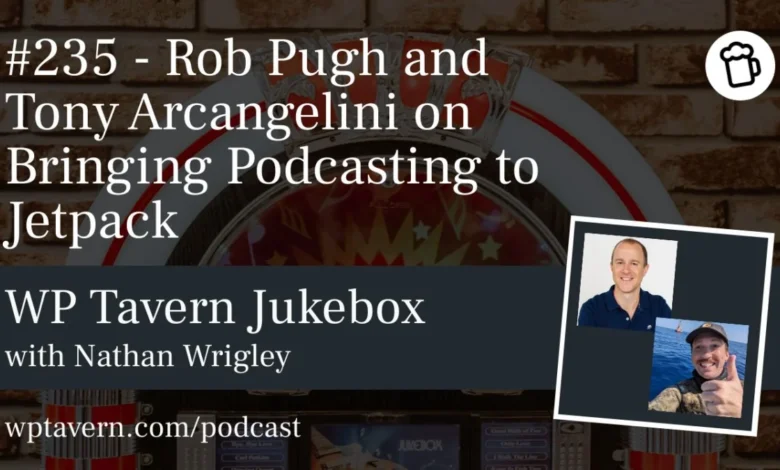
Rob Pugh and Tony Arcangelini, key members of the Automattic product and development teams, emphasize that the new Jetpack podcasting features are a direct response to the demand for digital sovereignty. By integrating podcasting into the WordPress ecosystem, Automattic aims to provide users with the ability to maintain full ownership of their data, RSS feeds, and audience relationships, while simultaneously leveraging the site-building flexibility that WordPress is known for.
Technical Implementation and Workflow Integration
The core of this new feature set is the ability to transform a standard WordPress post into a fully functional podcast episode. Unlike previous iterations that required complex manual coding or third-party plugins that often conflicted with site themes, the new integration is native to the block editor.
Users can upload audio files directly into a post using a specialized "Podcast Episode" block. This block utilizes modern Podcasting 2.0 markup, allowing for advanced features such as chapter markers, which improve the listener experience. Once the category is assigned—effectively flagging the post as an episode—Jetpack handles the generation and maintenance of the RSS feed. This feed can then be submitted to major distribution platforms including Apple Podcasts, Spotify, Amazon Music, and the Podcast Index.
From an engineering perspective, this integration leverages existing infrastructure within Jetpack, such as automated social media sharing and newsletter distribution. By connecting these disparate channels, the platform allows a creator to click "publish" once and have the content simultaneously sent to their blog, their email subscribers, and their podcast distribution network.
Data-Driven Insights and Distribution
One of the primary challenges for independent podcasters is the lack of unified analytics. Third-party hosting platforms often provide fragmented data, making it difficult to track listener demographics or behavior across different apps. The Jetpack suite aims to solve this by providing centralized statistics. Creators can view download counts, geographic data, and referral sources—such as which specific podcast players are driving traffic—all from the WordPress dashboard.
Furthermore, the integration with Pocket Casts, which is also under the Automattic umbrella, provides a competitive advantage. The deep integration allows for seamless cross-platform consumption. For instance, listeners can transition from audio playback while mobile to video playback on devices like Apple TV, with the platform maintaining the user’s progress through the episode.
The Role of Artificial Intelligence
As artificial intelligence continues to reshape content production, Automattic has begun exploring how AI can assist the podcasting lifecycle. The current implementation allows for the potential of automated transcription and title generation, which can significantly reduce the administrative burden on creators.
While the technology is still in a phase of active development, the goal is to leverage AI to assist in creating show notes, summarizing long-form content, and generating metadata that improves discoverability. By building these tools into the WordPress admin panel, Automattic is positioning itself to compete with platforms that have historically marketed themselves on "ease of use" and "automated distribution."
Market Implications and the Future of Podcasting
The decision to bring these tools to the WordPress.org ecosystem via the Jetpack plugin is a clear signal that Automattic is looking to regain the market share lost to proprietary newsletter and audio platforms.
The economic model for creators is also a key factor. Platforms like Substack often charge a 10% commission on paid subscriptions, a cost that can become prohibitive as a creator’s audience grows. In contrast, WordPress offers a model where creators retain more control over their revenue streams, whether through WooCommerce for merchandise or direct subscription integrations. By removing the technical barriers to entry, Automattic is making a compelling argument for creators to bring their content "back home."
Addressing the "Walled Garden" Dilemma
The rise of proprietary platforms has led to a cyclical trend in the creator economy. Initially, creators flock to these services for the simplicity and integrated social discovery tools. Over time, however, they often find themselves at the mercy of platform algorithm changes, restrictive monetization policies, and the difficulty of porting an audience to a different platform if the business model changes.
The philosophy behind the new Jetpack podcasting suite is rooted in the "open web" movement. By ensuring that the RSS feed is portable and the content remains under the creator’s domain, Automattic is providing a "safety valve" for creators who wish to avoid vendor lock-in. This aligns with the broader mission of WordPress to ensure that the internet remains a decentralized space where users own their output.
Conclusion and Future Roadmap
The launch of these features is not the end of the project, but rather the beginning of a long-term roadmap. Future updates are expected to include more streamlined migration tools that will allow podcasters to import large back catalogs from other hosts with a single click. As the team continues to iterate on the product, the focus remains on balancing the technical complexity of RSS distribution with the user-friendly interface that casual creators expect.
For those currently managing podcasts on external platforms, the transition to a WordPress-native workflow represents a significant opportunity to consolidate their digital presence. Whether it is the ability to customize site themes to match a brand, or the integration of WooCommerce to sell premium content, the new Jetpack podcasting suite offers a level of flexibility that is currently unmatched by most closed-platform competitors.
As the industry moves toward 2025, the ability to own one’s audience will likely become the defining factor for successful independent creators. With this latest development, WordPress is betting that the combination of its historical content management strength and new, integrated audio tools will provide the most sustainable environment for the next generation of podcasters. For current WordPress users, the path is now open to transform their blogs into multimedia powerhouses, requiring little more than a category toggle and an audio file to begin the transition.