The Evolving Role of Community and Volunteerism in the Global WordPress Ecosystem

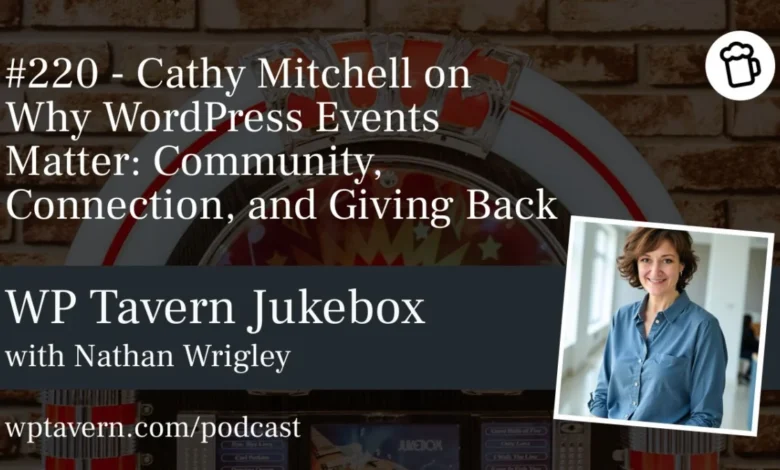
The WordPress community, a sprawling, decentralized network of developers, designers, and business owners, is currently navigating a period of significant transition. As the platform matures from its early days of rapid, unchecked growth into a more stable and scrutinized phase, the importance of community-led initiatives—particularly through events like WordCamp—has taken on renewed significance. At the center of this movement is a shift in how professionals view their contribution to open source, balancing corporate ROI with the psychological and social benefits of service in an era defined by increasing digital isolation.
The Historical Context and Growth of WordPress Events
Since its inception in 2003, WordPress has grown to power more than 40% of the internet. For over a decade, this expansion was characterized by aggressive adoption and a culture of rapid development. During this period, the "WordPress community" functioned as a primary driver of this growth. Localized meetups and large-scale, volunteer-run WordCamps emerged as the essential venues for knowledge exchange, networking, and the recruitment of talent.
For long-time participants, these events often began as casual, personal projects. Cathy Mitchell, a veteran in the WordPress space who launched the agency WPBarista in 2008, serves as a case study for this evolution. Like many early adopters, Mitchell entered the ecosystem during a period of professional transition, eventually finding that her involvement in the community provided not just technical skills, but a sense of belonging that traditional corporate structures lacked. Today, Mitchell is leading the organizing team for the 2026 WordCamp Canada, a role that highlights the current shift toward professionalized volunteer leadership within the ecosystem.
Addressing the Loneliness Epidemic Through Open Source
The modern emphasis on community is not merely a strategy for software development; it is increasingly viewed as a necessary social counterweight. In 2023, the U.S. Surgeon General, Dr. Vivek Murthy, formally declared loneliness a public health epidemic, noting that the physiological impact of isolation is comparable to smoking 15 cigarettes a day. Data suggests that this crisis is pervasive across generations, affecting both younger demographics and the elderly.
Within the WordPress ecosystem, volunteerism has emerged as a practical antidote to this trend. The collaborative nature of WordCamps, where participants work toward a shared, non-commercial goal, creates a unique social environment. Unlike traditional corporate volunteer programs, which are often burdened by bureaucracy and strict hierarchies, the WordPress community is known for a "default to yes" philosophy. This openness allows individuals, regardless of their experience level, to take on meaningful responsibilities, fostering a sense of accomplishment and social connection that many find lacking in their professional lives.
Corporate ROI and the Shift in Sponsorship Models
The economic landscape for WordPress-related businesses has shifted significantly over the past five years. During the platform’s peak growth, corporate sponsorship of events was often treated as a standard practice, with companies investing in community events as a means of brand visibility and market alignment. However, current economic uncertainties, combined with increased competition among service providers and plugins, have forced businesses to adopt a more pragmatic approach to event sponsorship.
Today, companies are increasingly requiring clear evidence of return on investment (ROI). This has led to a more sophisticated dialogue between organizers and sponsors. While the core mission of open source remains, sponsors are now looking for tangible outcomes, such as improved talent acquisition, the ability to vet potential hires within the community, and deeper integration with agency partners. This "levelling off" is viewed by many industry observers as a necessary correction, ensuring that the community remains sustainable and aligned with the professional realities of the businesses that rely on the software.
The Imperative of Engaging the Next Generation
A critical focus for the future of the WordPress community is the integration of younger contributors. As the initial wave of "original nerds"—the early developers who helped build the platform—begins to age, the challenge of succession becomes paramount. Recent international events, such as WordCamp Asia, have highlighted a strategic pivot toward educational outreach.
Efforts are currently underway to integrate WordPress and open-source education into university curricula. By offering academic credits for participation in community initiatives or contributing to the WordPress project, organizers hope to build a pipeline of talent that views open source as a viable and rewarding career path. This is seen as essential for the platform’s longevity; without a steady influx of younger participants, the ecosystem risks stagnation. In Canada and across parts of Southeast Asia and India, these educational initiatives are already beginning to bear fruit, with students gaining practical experience in open-source collaboration before entering the workforce.
Implications for the Future of Open Source
The intersection of artificial intelligence and open source represents the next major frontier for the WordPress community. As AI models become increasingly capable of generating code and content, the value of the human-centric community may seem counterintuitive. However, many industry leaders argue that AI will actually increase the importance of open-source projects. Because open-source ecosystems are inherently transparent, they provide a stable foundation upon which AI tools can be built, provided the community maintains its commitment to accessible, free information.
The challenge for leaders like Mitchell, who are tasked with organizing large-scale national events, is to maintain the "secret sauce" of the WordPress community—that unquantifiable feeling of camaraderie and openness—while professionalizing the logistics to meet the demands of a modern, globalized business environment.
Conclusion: A Foundation for Sustainability
The WordPress project is currently in a state of re-evaluation. The "rising tide" growth phase has concluded, and the community is now focused on building the "harbour wall"—the infrastructure and social cohesion necessary to withstand economic and technological volatility.
While the future of the internet remains uncertain, the commitment to service and volunteerism within WordPress suggests a resilient model. By prioritizing the human experience, fostering intergenerational knowledge transfer, and maintaining an open, accessible structure for participation, the WordPress community continues to offer a compelling alternative to closed, proprietary models. Whether this will be enough to maintain the platform’s 40% market share remains to be seen, but the emphasis on building a sustainable, community-first ecosystem remains the strongest indicator of its long-term viability. As Mitchell and her peers look toward 2026 and beyond, the focus will remain on the fundamental principle that has defined WordPress from the start: that the health of the software is inextricably linked to the health of the people who build it.