The Strategic Expansion of WordPress Education Initiatives and the Rise of Open Source Academic Integration

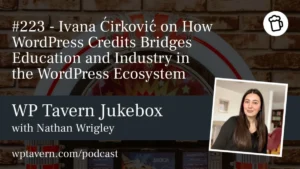
The WordPress ecosystem is currently undergoing a significant pedagogical shift as it moves beyond traditional software development to establish a robust, global educational infrastructure. Led by a coalition of community organizers, developers, and institutional partners, this movement aims to bridge the gap between open-source contribution and formal academic certification. By institutionalizing knowledge transfer through three primary pillars—the WordPress Credits Program, Campus Connect, and student-led clubs—the WordPress community is actively securing the long-term sustainability of the platform by fostering the next generation of contributors and digital professionals.
The maturation of these initiatives represents a transition from informal community workshops to structured, recognized educational pathways. As the WordPress project nears its third decade of existence, the focus has shifted toward intergenerational sustainability, ensuring that the platform remains relevant to younger demographics while providing tangible professional credentials that hold value in the modern job market.
The Three Pillars of WordPress Education
The current educational landscape within the WordPress project is defined by three distinct but highly integrated initiatives, each serving a specific demographic and educational objective.
The WordPress Credits Program functions as a formal internship initiative, primarily targeting higher education institutions. This program allows students to earn academic credit by contributing to the WordPress project. The curriculum is divided into intensive tracks—typically 50 or 150 hours—completed over an academic semester. Participants are paired with vetted community mentors who guide them through the technical and non-technical aspects of the project, ranging from core development and plugin maintenance to documentation and translation. Upon completion, students receive an official certificate from the WordPress Foundation, and their contributions are permanently recorded on their WordPress.org profiles, creating a verified professional portfolio.
Complementing this, WordPress Campus Connect serves as the project’s outreach arm, designed to be highly accessible and barrier-free. Unlike the rigid academic requirements of the Credits Program, Campus Connect is a series of localized, often one-off events that can take place in diverse environments, including universities, secondary schools, and public libraries. These events serve as an entry point for students of varying ages and technical proficiencies, providing a practical introduction to web development, marketing, and design using WordPress.
The third component, Student Clubs, acts as the grassroots mechanism for long-term engagement. These clubs function as autonomous, in-campus groups that sustain the momentum generated by Campus Connect events. By shifting the responsibility of facilitation to the students themselves, these clubs foster leadership skills and peer-to-peer learning. They serve as the community’s "meetups" within an academic setting, allowing students to experiment with new technologies, host internal hackathons, and provide a recurring venue for WordPress education without the need for constant oversight from external professionals.
Chronology and Accelerated Growth
The rapid scaling of these programs is evident in the data recorded between 2024 and 2025. The WordPress Credits Program, which began as a pilot project at the University of Pisa, has expanded to include 21 partner institutions globally, including its most recent expansion into the African continent. This growth signifies a shift in how academic institutions perceive open-source contribution; it is no longer viewed as a peripheral activity but as a legitimate form of experiential learning.
WordPress Campus Connect has seen even more aggressive growth. Since its official designation as an event series in May 2025, the program has facilitated 42 events across 71 participating institutions, reaching over 5,500 students. This surge in participation is largely attributed to the lowering of logistical barriers for event organizers, allowing for a more agile response to institutional demand.
The Role of Mentorship and Facilitator Training
A critical challenge identified by program leadership is the scalability of mentorship. As student participation increases, the demand for qualified, vetted mentors rises proportionally. In response, the WordPress Education Initiative has begun developing a comprehensive "Facilitator Training Program." This project aims to provide educators and community organizers with a library of resources, including standardized facilitation guides, slide decks, and hands-on activity kits.
By providing these resources, the initiative seeks to remove the "fear of the stage" for new facilitators and ensure a consistent quality of instruction. The introduction of the Meetup Activity Library, which includes modules on topics like the WordPress Playground and AI-integrated workflows, represents an attempt to keep the curriculum modern and aligned with current technological trends, such as the rapid integration of artificial intelligence in web development.
Official Responses and Strategic Vision
Leadership within the WordPress project, including Executive Director Mary Hubbard, has increasingly prioritized education as a central tenet of the platform’s future. This institutional backing has been essential in navigating the administrative "red tape" associated with integrating open-source work into university curricula.
"We are not just teaching software; we are teaching the ethics of open source and the power of collaborative digital creation," noted one project lead. The shift toward formalizing these initiatives is viewed as a necessary strategic response to an aging contributor base. By integrating these programs into flagship events like WordCamp Europe—which has introduced dedicated educational tracks and contributor tables—the project is signaling that education is as vital to the ecosystem as core software development.
Broader Implications and Socio-Economic Impact
The implications of this educational expansion extend beyond the WordPress ecosystem. By providing students with recognized credentials and a verifiable history of open-source contribution, these initiatives are actively improving the employability of participants. For many students, particularly in regions with limited access to private-sector tech internships, these programs offer a gateway to the global digital economy.
Furthermore, the focus on "joining hands" across time zones and cultures fosters a unique form of global citizenship. Students involved in these programs gain experience in remote collaboration, cross-cultural communication, and professional project management—skills that are highly transferable regardless of whether the individual continues to work specifically with WordPress.
The success of these programs is also being measured through qualitative data, such as the increasing rate of repeat participation by academic institutions. When a university hosts a second or third event, it validates the project’s model as a sustainable partnership rather than a one-off outreach effort. The surge in attendance at events like International Women’s Day, where student participation reached 50% of total ticket sales in some regions, further underscores the efficacy of these programs in diversifying the community.
Conclusion: The Future of WordPress Learning
As the project moves into the latter half of the decade, the focus remains on building a self-sustaining cycle of learning and contribution. The transition from being a "user" to a "contributor" is the primary objective of these integrated initiatives. By lowering the barrier to entry, providing professional certification, and creating autonomous spaces for peer learning, the WordPress community is effectively building a scaffold for its own future.
While hard metrics such as the number of events and student reach provide a snapshot of current momentum, the long-term success of these programs will be determined by the retention of these students as active, lifelong contributors. The integration of education into the core philosophy of the WordPress project marks a turning point in the history of the software, suggesting that the most significant innovations in the coming years may not be found in the code, but in the people who learn to build with it. As these programs continue to scale, they stand as a testament to the resilience of the open-source model and its ability to adapt to the pedagogical needs of a global, digital-first generation.