The Evolution of the Personal Brand in Digital Media
The shift toward personality-driven content began in earnest during the mid-2010s, as the barrier to entry for content creation plummeted. According to data from the Content Marketing Institute, audience retention rates are statistically higher for platforms that prioritize "human-centric" storytelling over generic, algorithm-focused content. A study by Nielsen Norman Group indicates that users form an opinion about a website in approximately 0.05 seconds, often based on visual cues and the perceived tone of the brand. When a site fails to project a unique identity, the bounce rate typically exceeds 70%, underscoring the economic necessity of brand personalization.
Strategic Visual Integration: Lessons from YTravel
Visual consistency acts as the first point of contact for user engagement. Travel bloggers Caz and Craig of YTravel exemplify this by eschewing stock imagery in favor of high-fidelity, candid photography that documents their familial journey. Data from Social Media Examiner confirms that posts featuring original, authentic imagery receive 35% more engagement than those relying on commercial stock assets. By integrating their personal lives into their professional output, they transform a travel resource into a narrative experience, fostering a parasocial relationship with the reader that drives sustained interest.
The Psychology of Tone and Identity
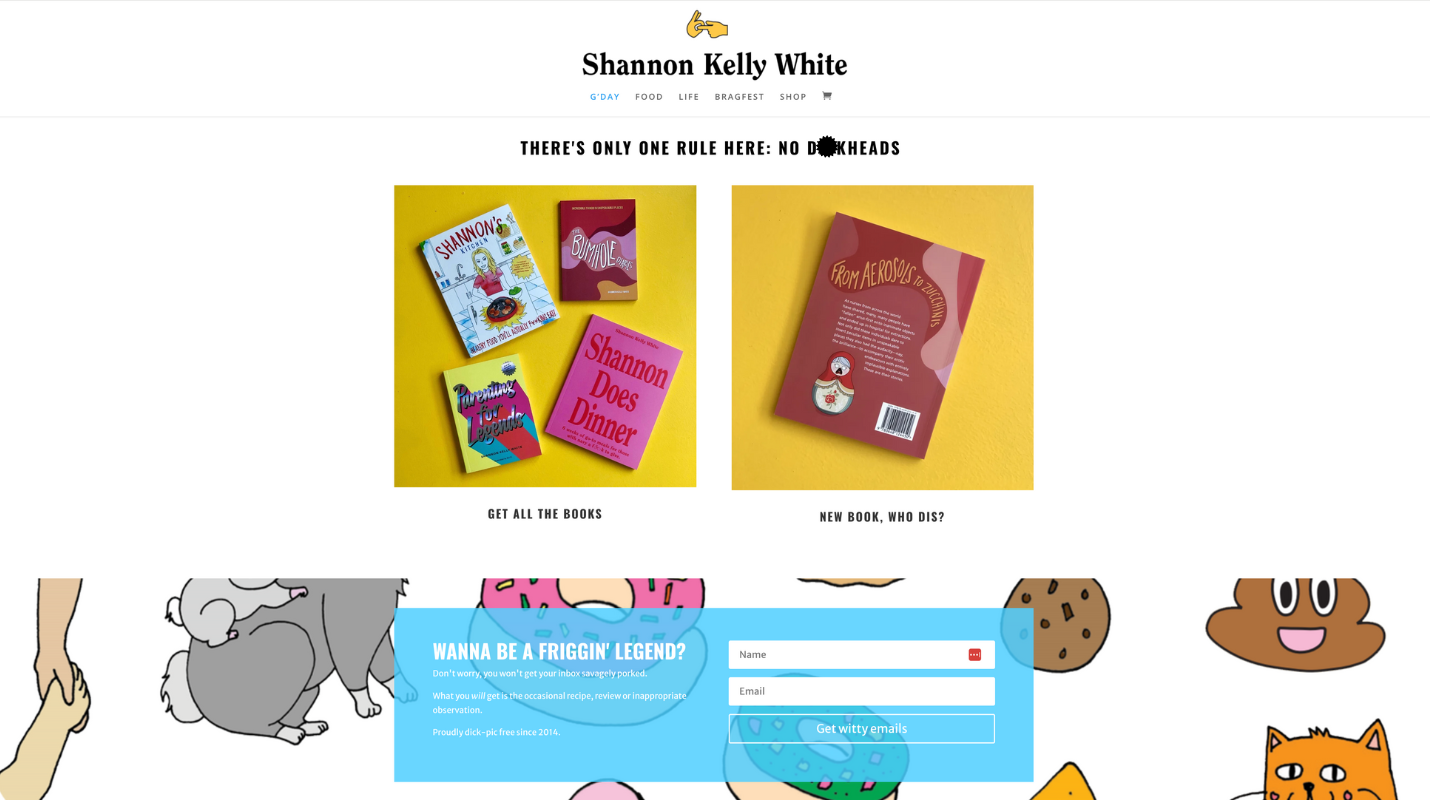
The decision by creators such as Shannon Kelly White to utilize unfiltered, authentic language—including the use of profanity—represents a calculated risk in market segmentation. While this approach is inherently polarizing, it functions as a highly effective filter. By establishing a rigid, identifiable tone, creators define their "in-group" and "out-group" audiences early in the user journey. From an analytical perspective, this creates a stronger sense of community among those who resonate with the content, resulting in higher long-term value (LTV) per visitor, even if it limits the total addressable market.

Establishing Authority Through Visual Anchors
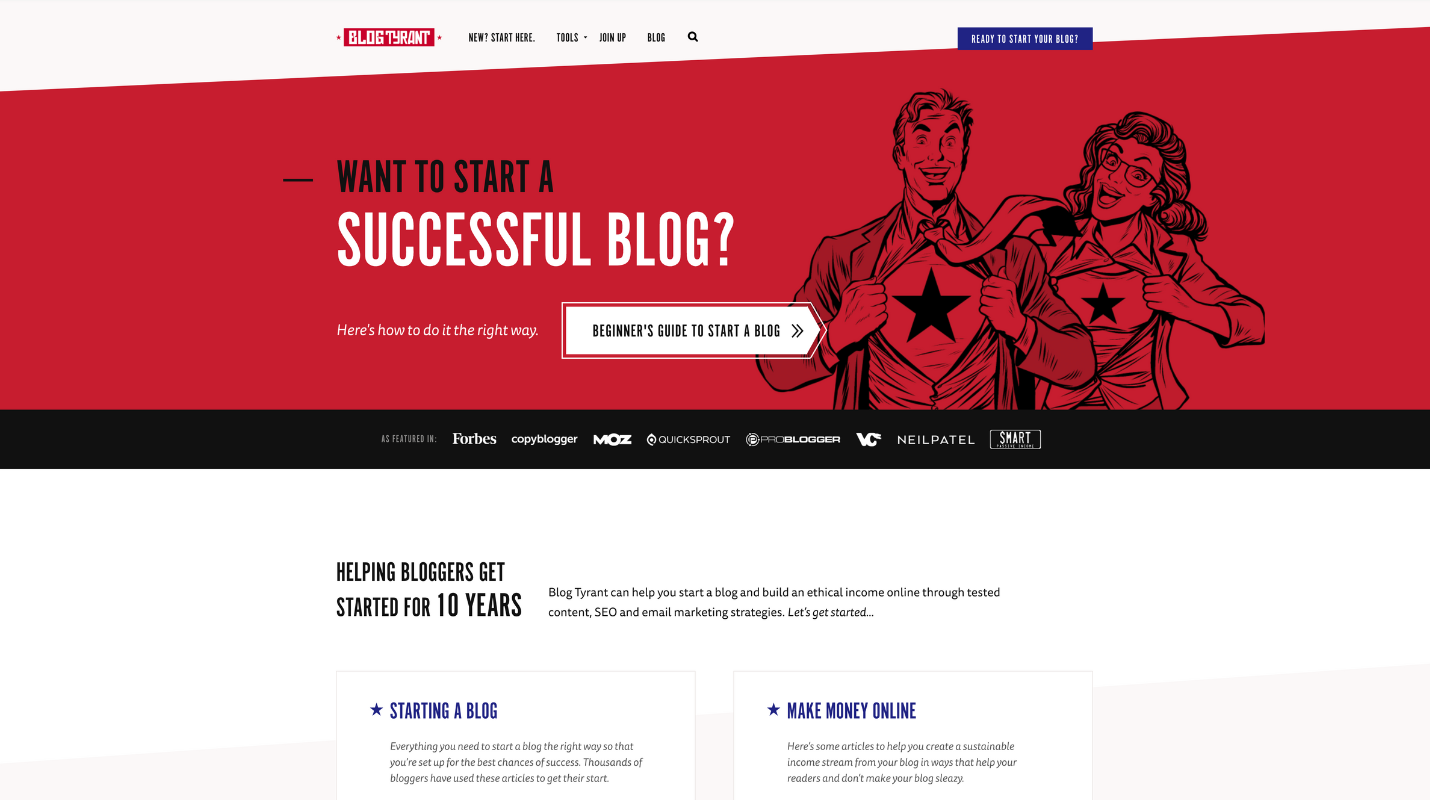
The use of custom illustrations, as demonstrated by the "Blog Tyrant" brand, serves as a form of visual shorthand for the consumer. By developing a consistent, character-based avatar, a blogger can effectively build a "brand personality" that functions independently of the human author. This tactic is supported by neurological studies on brand recognition, which suggest that the brain processes iconic imagery significantly faster than text. For digital businesses, these assets are not merely decorative; they are intellectual property that anchors the reader’s memory to a specific value proposition.
The "About" Page as a Conversion Engine
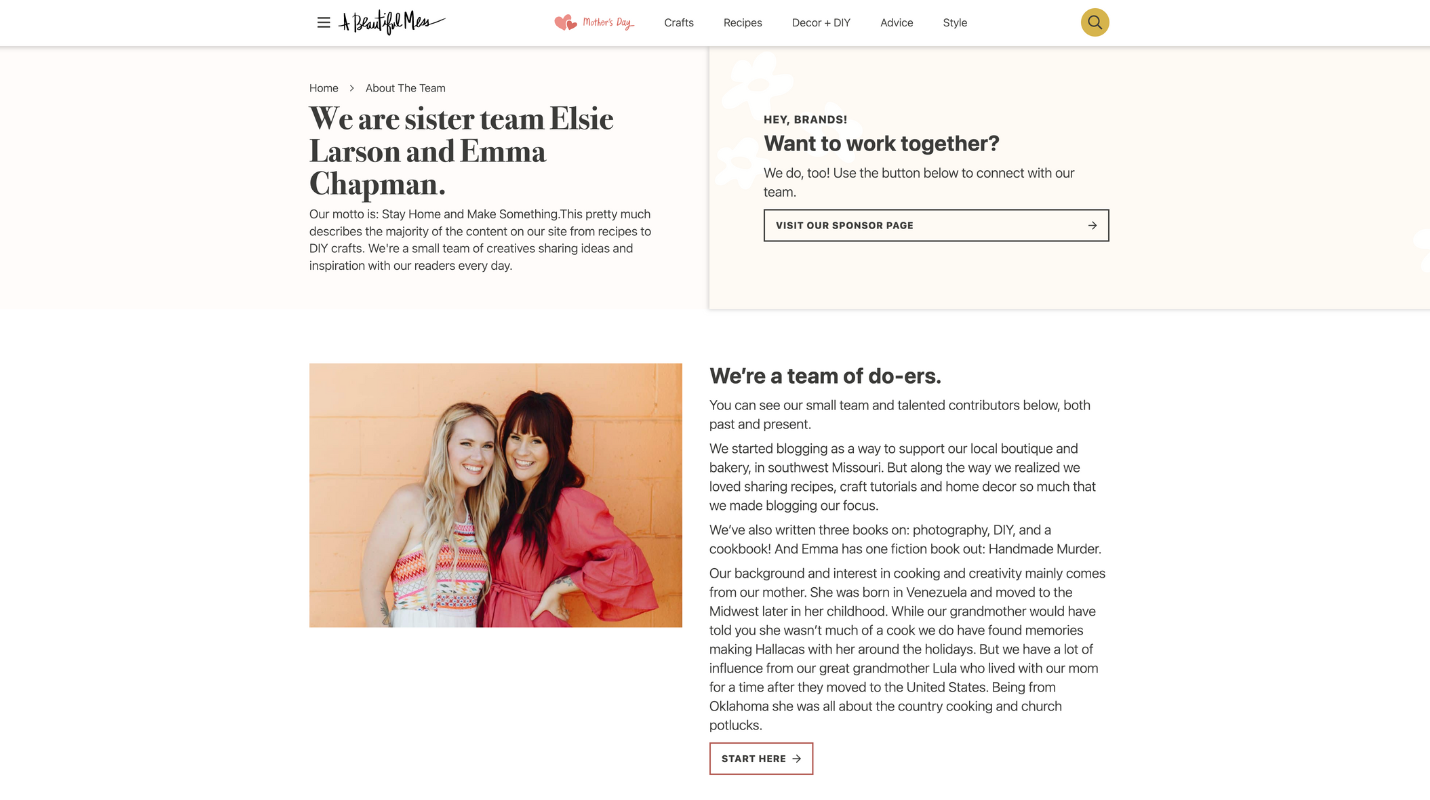
Historically, the "About" page was relegated to a secondary status, often containing little more than a brief biography. However, contemporary analytics from platforms like HubSpot reveal that the "About" page is frequently the second or third most visited page on a successful blog. Designers like Elsie and Emma of A Beautiful Mess treat this space as a primary conversion tool. By combining high-quality imagery with a clear, concise mission statement, they convert passive traffic into stakeholders. The goal is to provide a comprehensive answer to the "Who, Why, and What" of the brand within seconds of arrival.
Multi-Platform Brand Uniformity
The consistency of branding across disparate platforms—such as a blog, Twitter, LinkedIn, and email newsletters—is essential for building brand equity. Chris Ducker’s strategy of utilizing identical headshots and color schemes across all touchpoints reduces cognitive load for the user. When a user transitions from a search engine result to a social media feed, the visual continuity reinforces trust. Professional marketing assessments indicate that brand consistency can increase revenue by up to 23%, as it allows for immediate recognition regardless of the entry point.
Chromatic Strategy and Brand Psychology
Color theory plays an understated but critical role in user experience. Jadah Sellner’s site utilizes a color palette that extends from her personal branding to her clothing and site design, creating a seamless visual ecosystem. This level of intentionality signals professional maturity to the reader. Psychologically, colors evoke specific emotional responses; by aligning these colors with the desired "vibe" of the content—be it earthy, professional, or high-energy—bloggers can influence the emotional state of their readers, which in turn correlates with longer session durations.
The Utility of the Brand Statement
The effectiveness of a brand statement, such as those used by James Schramko, lies in its capacity for immediate qualification. A visitor should never be left wondering what a site offers or who it is for. By explicitly stating his coaching services and the target demographic, Schramko reduces the churn of unqualified traffic. This is a classic sales funnel optimization: by being exclusionary, he ensures that the traffic remaining on the site is high-intent, thereby improving the efficiency of his conversion process.
Call-to-Action (CTA) Precision
Kelly Exeter’s approach to CTAs highlights the importance of reducing friction. In a digital environment where the average attention span is less than eight seconds, complex subscription flows are a liability. By utilizing clear, concise, and directive language, Exeter directs the reader toward the most valuable action immediately. Industry metrics suggest that simplifying a CTA to a single, direct request can improve conversion rates by double-digit percentages, as it removes the cognitive ambiguity that often leads to user drop-offs.
Audience Definition as a Growth Hack
Finally, the "Puttylike" model, spearheaded by Emilie Wapnick, represents the pinnacle of audience-centric personalization. By defining her audience—in this case, "Multipotentialites"—and providing a mechanism for them to self-identify (a quiz), she turns a passive visitor into a member of a defined group. This creates a "tribe" effect, where the blog is no longer just a content repository, but a destination for identity-based community. Data suggests that community-focused content leads to significantly higher rates of email list growth and organic sharing.
Broader Implications for the Digital Economy
The transition from generalized blogging to highly personalized, brand-centric content is a reflection of a maturing internet. As artificial intelligence and automation tools make the production of generic content trivial, the value of human nuance increases. The common thread among these ten top bloggers is not just their technical skill, but their ability to synthesize their personality into a recognizable brand asset.
For the modern blogger, the implications are clear: personalization is not an aesthetic choice; it is a competitive imperative. The future of the industry belongs to those who can effectively communicate their unique perspective while providing tangible, focused value to a clearly defined audience. As the digital landscape continues to evolve, the bloggers who remain relevant will be those who treat their personality as the cornerstone of their professional strategy, ensuring that they are not merely seen, but remembered.