Allegro expands cross-border reach by enabling direct shipments to Ukraine

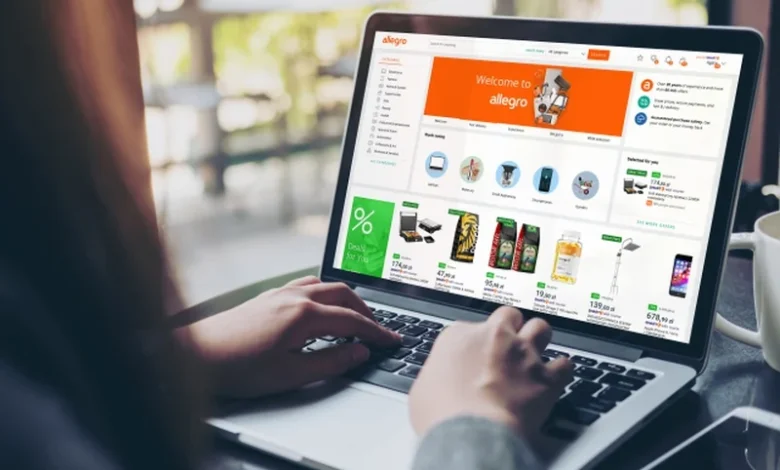
The Polish e-commerce giant Allegro has officially extended its operational reach to Ukraine, allowing consumers in the country to purchase products directly from its primary platform, Allegro.pl. This strategic move marks a significant shift for the Warsaw-based company, which currently holds the title of the largest online marketplace in Poland. While the company has opted against launching a localized Ukrainian marketplace, the integration of shipping and logistics support for Ukrainian addresses signals a major expansion in its cross-border capabilities.
This development, confirmed via a post in the platform’s Help Center last week, comes at a time when the Allegro Group is aggressively pursuing international growth. By leveraging its established infrastructure in Poland, the marketplace is effectively opening its inventory—which includes millions of listings across diverse categories—to a new, neighboring market currently facing significant supply chain disruptions.
Chronology of Market Strategy and Regional Evolution
Allegro’s expansion into Ukraine is the latest chapter in a broader, multi-year strategy to solidify its footprint in Central and Eastern Europe (CEE). The company has long sought to transition from a purely Polish-centric player to a regional powerhouse.
In recent years, the company’s trajectory has been characterized by both targeted entries and calculated divestments. The firm successfully launched localized marketplaces in Czechia, Slovakia, and Hungary, tailoring its interface and logistics to suit those specific national markets. These entries were part of an ambitious plan to challenge incumbent e-commerce platforms in the CEE region.
However, the company’s path has not been without recalibrations. Earlier this year, Allegro made the strategic decision to divest from its operations in Slovenia and Croatia. Industry analysts noted at the time that this move was intended to streamline financial performance and focus resources on markets with higher growth potential or stronger logistical synergies with its Polish base. The decision to now facilitate shipments to Ukraine suggests that the company views the Ukrainian market as a logistical extension of its Polish operations rather than a separate, standalone venture requiring its own local domain and infrastructure.
Supporting Data and Financial Performance
The decision to open up to the Ukrainian market follows a period of robust financial growth for the Allegro Group. According to the company’s mid-year financial disclosures, the group’s Gross Merchandise Value (GMV) saw a commendable increase of nearly 14 percent in the first half of this year compared to the same period in 2023.
Perhaps more indicative of its international ambitions is the performance of its non-Polish segments. In that same six-month window, Allegro’s international GMV surged by approximately 65 percent. This growth indicates that the company’s regional strategy is gaining traction. By integrating Ukraine into the Allegro.pl ecosystem, the group is capitalizing on its existing scale to drive further volume without the immediate capital expenditure associated with establishing a new, separate legal entity or localized website architecture in Kyiv.
The platform’s growth is underpinned by its extensive seller base. With thousands of merchants already integrated into the Allegro logistics network, the company is well-positioned to handle the logistics of cross-border trade. The integration of Ukraine into the existing Polish platform minimizes the friction typically associated with new market entries, as the product listings, payment processing, and seller relationships are already established on the parent site.
Regulatory Framework and Security Provisions
The expansion to Ukraine is not merely a logistical update; it is accompanied by significant changes to the platform’s terms and conditions to address the geopolitical realities of the region. Allegro has introduced strict provisions governing the destination and usage of products ordered from its platform.
A primary condition of the new service is a clear prohibition on the re-exportation of goods. Under the updated terms, buyers are strictly forbidden from reselling products purchased on Allegro to Russia, Belarus, or any territories currently occupied by the Russian Federation. This policy reflects a commitment to international sanctions compliance and corporate responsibility, ensuring that the platform’s supply chain is not inadvertently supporting prohibited entities.
Furthermore, the company has updated its Buyer Protection program to accommodate the unique challenges of cross-border shipments to Ukraine. This includes specific guidelines for dispute resolution, delivery tracking, and returns. By extending its consumer protection guarantees, Allegro aims to build trust among Ukrainian users who may be unfamiliar with the Polish platform’s operational standards. These safeguards are essential for maintaining the platform’s reputation in a market where trust in digital services is a critical competitive differentiator.
Broader Impact and Market Implications
The entry of Allegro into the Ukrainian e-commerce landscape is likely to have several ripple effects. First, for Ukrainian consumers, this provides access to a vastly expanded range of goods. Given the ongoing conflict, many local retailers have faced inventory shortages or logistical hurdles. Allegro’s ability to offer a direct, reliable, and wide-ranging supply of consumer goods—from electronics to home goods—fills a clear market need.
Second, the move represents a test of Allegro’s cross-border logistics capability. If the service proves successful, it may serve as a blueprint for further expansion into other neighboring countries without the need for localized domains. This "export-first" strategy allows the company to test demand and logistics capacity before committing to full-scale, localized market launches.
Third, from a competitive standpoint, Allegro’s entry adds another layer of complexity to the CEE e-commerce ecosystem. International giants such as Amazon and AliExpress have long been present in the region, but Allegro’s proximity and deep knowledge of the local consumer preferences in Central Europe provide it with a distinct advantage. By connecting its Polish inventory to Ukraine, the company is effectively strengthening the economic ties between the two nations, which have seen increased cooperation in trade and infrastructure since 2022.
Official Stance and Future Outlook
While Allegro has not explicitly outlined a long-term roadmap for a permanent Ukrainian branch, the current model of using Allegro.pl as a gateway is a low-risk, high-reward strategy. By managing sales through its existing Polish platform, Allegro maintains full control over its brand identity, service standards, and compliance protocols.
Market analysts suggest that the company’s focus remains on high-margin growth and operational efficiency. The integration of Ukraine is a logical progression that leverages existing assets—namely, its massive seller network and centralized distribution centers in Poland—to capture an untapped customer base.
As the company continues to refine its international operations, the success of this initiative will likely be measured by customer adoption rates and the effectiveness of the logistics chain into Ukraine. Should the volume of orders reach significant levels, Allegro may eventually face the question of whether to deepen its investment through localized distribution hubs or localized support teams. For now, however, the strategy is one of cautious, calculated expansion, aimed at maximizing the reach of the Allegro ecosystem while maintaining the rigorous operational standards that have made it the dominant force in the Polish e-commerce sector.
In summary, Allegro’s move to facilitate shipments to Ukraine is a landmark development for the company. It represents a pragmatic approach to regional growth, prioritizing logistical connectivity over physical presence. As the e-commerce landscape in Europe continues to evolve, Allegro’s ability to navigate the complexities of cross-border trade—while upholding strict compliance and consumer protection standards—will likely remain a central pillar of its long-term competitive strategy. By bridging the gap for Ukrainian consumers, Allegro not only expands its own market reach but also provides a vital lifeline for the supply of consumer goods in a region where such access is increasingly valued.