From Kitchen Table to 173 Million Dollar Exit The Remarkable Ascent of Trubar

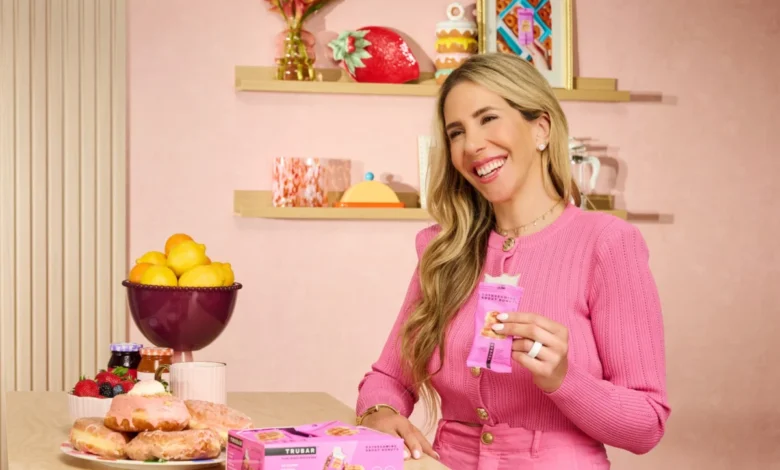
The narrative of American entrepreneurship often highlights the transition from humble beginnings to corporate dominance, yet few stories mirror the trajectory of Erica Groussman and her better-for-you snack brand, Trubar. What began as a grassroots experiment involving a wooden tray, a selection of protein bars, and a proposition for local business owners in 2018 has matured into a global enterprise. With the company now firmly established in over 32,000 U.S. retail locations and recently acquired for $173 million by the Turkish confectionery giant Eti Gida, Trubar serves as a modern case study in product-market fit, operational resilience, and the power of hands-on leadership.
The company’s fiscal performance underscores its rapid expansion. In 2025, Trubar reported approximately $100 million in gross revenue, a testament to the brand’s ability to bridge the gap between nutritional efficacy and the sensory indulgence of a dessert. By the close of 2026, the company had shipped nearly 46 million units, signaling a robust consumer demand that has persisted despite the volatility of the competitive snack food market.
A Chronology of Strategic Growth
The origins of Trubar were born not in a boardroom, but out of personal necessity. A former professional in film finance and real estate, and a mother of two, Groussman identified a significant gap in the health-food market following a family trip to Disney. After consuming a traditional protein bar, she experienced physical discomfort and digestive distress—a common complaint among consumers of high-fiber, processed nutritional bars.
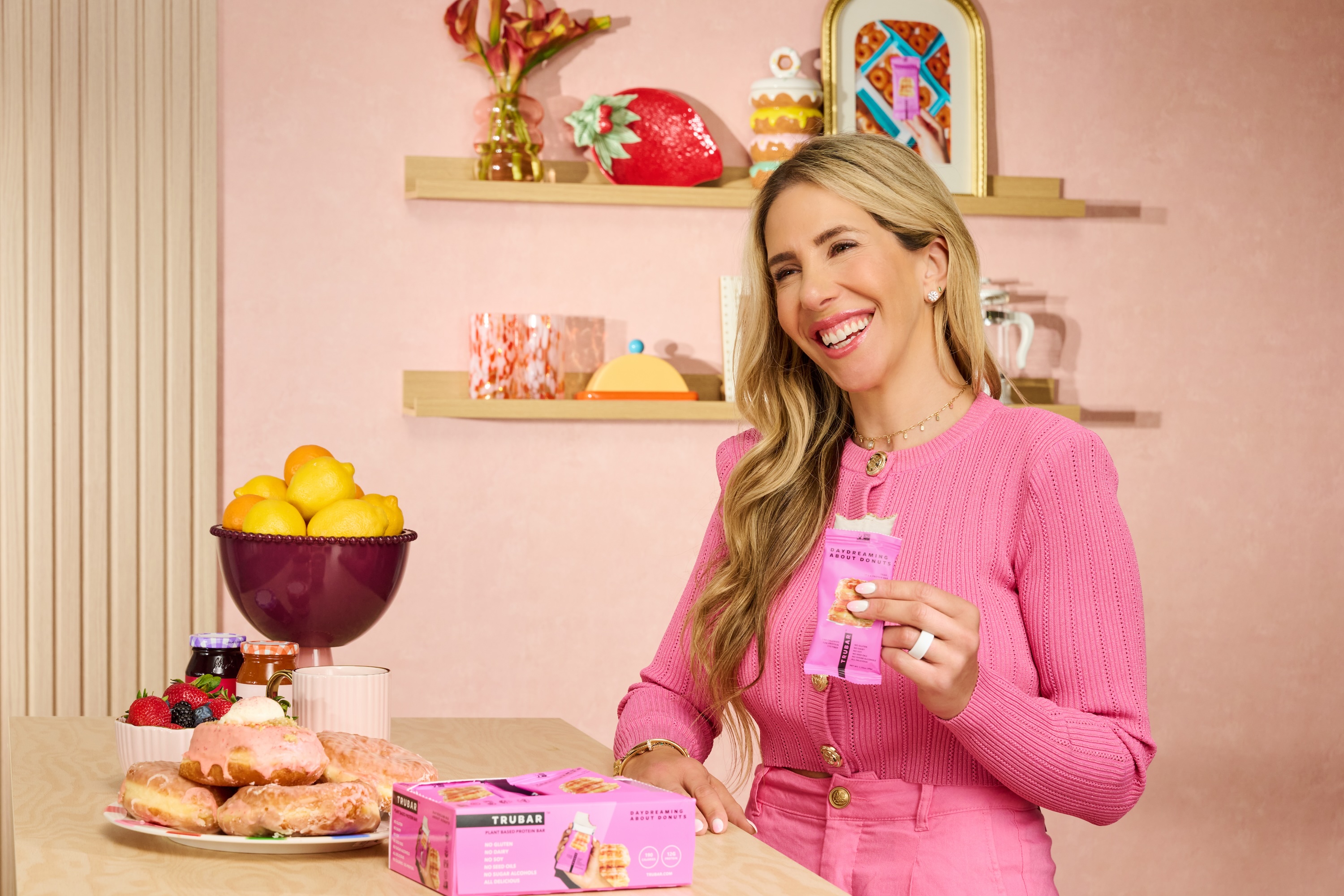
Determined to create a product that offered the benefits of protein supplementation without the chalky texture or gastrointestinal after-effects, Groussman began an iterative development process. Partnering with a food scientist, she prioritized the "dessert-like" quality of her bars, obsessively refining flavor profiles such as "Daydreaming About Donuts" and "Oh Oh Cookie Dough."
The company’s initial market entry was defined by a scrappy, direct-to-retail strategy. Between 2018 and 2020, Groussman personally placed her products on the counters of local juice bars, delis, and independent boutiques. This tactile approach allowed for immediate feedback loops; if a store sold out, it was an empirical signal of demand.
However, the path to scale was not without peril. In an early attempt to professionalize management, Groussman delegated oversight to an external operator. The experiment resulted in a $7 million debt burden, a crisis that nearly shuttered the company. Refusing to liquidate the business, Groussman reasserted control, embarking on a period of intense restructuring. By 2020, she successfully leveraged that experience to secure shelf space in Whole Foods, where, despite having a negligible marketing budget, the product outperformed established industry incumbents.
The Corporate Evolution and Structural Resilience
The evolution of Trubar took a unique turn in 2021 when the company was acquired by a publicly traded holding company. While this move provided the necessary capital for national distribution, it presented new challenges. The holding company managed a diverse portfolio of disparate brands, and for a period, Trubar’s revenues were utilized to subsidize underperforming sister companies.
By 2024, the internal landscape had shifted significantly. As the other businesses in the portfolio faltered, Trubar stood out as the primary engine of growth. In a move that solidified her position as an industry leader, Groussman assumed the role of CEO for the parent company, which was subsequently renamed to align with the Trubar brand. This transition marked a critical moment of stability, allowing the brand to focus exclusively on its core competency: the production and distribution of high-quality, snackable protein products.
Operational Philosophy and Leadership Style
Groussman’s management style is defined by an extreme, hands-on approach. In an era where many CEOs maintain a high-level, detached view of operations, Groussman insists on being involved in the minute details of the supply chain. This philosophy was evidenced during a critical 2026 product launch for Walmart, where a supply chain failure threatened to jeopardize a major retail deadline. Instead of relying solely on subordinates, Groussman intervened, navigating the network to secure alternative packaging and ensuring the delivery schedule remained intact.
Her approach to error correction is similarly pragmatic. Whether it involved fixing a labeling discrepancy—where ingredients were misidentified on packaging—by manually applying stickers, or auditing the root cause of the error after the immediate crisis was resolved, her methodology emphasizes "solving first and diagnosing second." This "80% and go" philosophy, which encourages speed over perfection, has become a cornerstone of the company’s internal culture.
Market Impact and the Eti Gida Acquisition
The $173 million acquisition by Eti Gida, finalized in early 2026, represents the culmination of this intense growth phase. For Eti Gida, the acquisition provides a strategic foothold in the North American market, leveraging Trubar’s established distribution network and strong brand loyalty. For Trubar, the acquisition offers the resources of a global manufacturing powerhouse, enabling further expansion into new categories, including the recently launched "Trubar Kids" and "Trubar Pro" lines.
Industry analysts observe that the success of the acquisition hinges on the retention of the core leadership team. Both parties have signaled that the status quo of the management structure will be maintained, with Groussman continuing to lead the day-to-day operations. This continuity is widely seen as a strategic safeguard, preserving the "founder-led" culture that allowed the brand to navigate the competitive landscape of big-box retail.
Broader Implications for the CPG Industry
The story of Trubar provides several key takeaways for the Consumer Packaged Goods (CPG) industry:
- Distribution Strategy Matters: Trubar’s journey from independent, local retail to national chains like Costco and Whole Foods demonstrates that success in one market (Canada, for example) does not dictate success in another. The brand’s ability to pivot its pricing and positioning strategy was critical to its eventual U.S. dominance.
- The Perils of Outsourcing Vision: The early $7 million debt crisis serves as a cautionary tale regarding the delegation of executive responsibility. It highlights the importance of founders retaining a deep, granular understanding of their company’s financial and operational health.
- Human-Centric Hiring: Groussman’s mantra—"interview for the resume, hire for chemistry"—reflects a shift in modern leadership where the ability to thrive in chaos and align with the founder’s vision is often more valuable than a rigid set of technical skills.
As the company enters this new, well-capitalized chapter, the focus has shifted toward global scaling. The brand has moved beyond the "wooden tray" stage, yet its reliance on the same consumer-centric product development process—tasting, diagnosing, and iterating—remains unchanged.
The acquisition does not signal an exit in the traditional sense for Groussman, but rather a transition to a higher tier of market penetration. With nearly 50 million bars sold and a clear roadmap for further diversification, Trubar stands as a quintessential example of how persistent, detail-oriented entrepreneurship can redefine a category. The company has successfully navigated the pitfalls of the public markets, survived significant debt, and outmaneuvered legacy competitors, proving that in the hyper-competitive world of food manufacturing, the most effective strategy is often the one that prioritizes the consumer experience above all else.
As the industry looks forward, the continued performance of Trubar under its new ownership will likely be a bellwether for how boutique, founder-led brands can integrate into global conglomerates without losing the agility that fueled their initial success. For now, the "mama bear" approach to business—protecting the brand, fixing the leaks, and driving toward the next objective—remains the primary driver of its ongoing, and now, global, success.