Top 10 Corporate Gifting Platforms for Modern Business Strategy and Employee Retention

Corporate gifting has evolved from a tactical afterthought into a sophisticated component of organizational strategy, directly influencing employee retention, brand loyalty, and sales pipeline velocity. As businesses navigate an increasingly digital and remote-first professional landscape, the challenge of maintaining authentic connections has intensified. Recent market analysis indicates that companies with robust gifting strategies report a 25% increase in employee engagement and a significant improvement in customer sentiment, yet many organizations still struggle to manage the logistics, cost, and personalization required to make these efforts effective.
The shift toward specialized gifting platforms represents a broader trend in B2B technology: the move from manual, spreadsheet-based inventory management to automated, integrated, and data-driven solutions. By leveraging software-as-a-service (SaaS) models, firms can now outsource the complexities of warehousing, global shipping, and procurement, allowing leadership to focus on the strategic intent behind the gesture rather than the mechanics of distribution.
The Evolution of the Corporate Gifting Landscape
Historically, corporate gifting was defined by bulk purchases—thousands of generic pens, mugs, or notebooks sitting in storage, waiting to be distributed at trade shows. This "spray and pray" approach often resulted in wasted capital and minimal emotional impact. The industry reached a turning point around 2020, as the global shift to remote work necessitated a new approach to "tangible" engagement. Companies required a way to bridge the physical gap between dispersed teams and client bases.

This led to the rise of platforms like Sendoso and Reachdesk, which prioritized integration with CRM software like Salesforce and HubSpot. By triggering gifts based on specific account milestones—such as a contract renewal or a high-value meeting—companies moved gifting from a "general overhead" cost to a measurable marketing expense. Simultaneously, platforms like Fourthwall and SwagUp democratized the process for smaller teams, removing minimum order requirements and enabling on-demand production.
Evaluating the Current Market Leaders
Choosing the right platform requires a balance between logistical capability, integration depth, and the specific use case of the organization. Below is a detailed evaluation of the current top-tier platforms based on their operational strengths.

1. Fourthwall: The Print-on-Demand Powerhouse
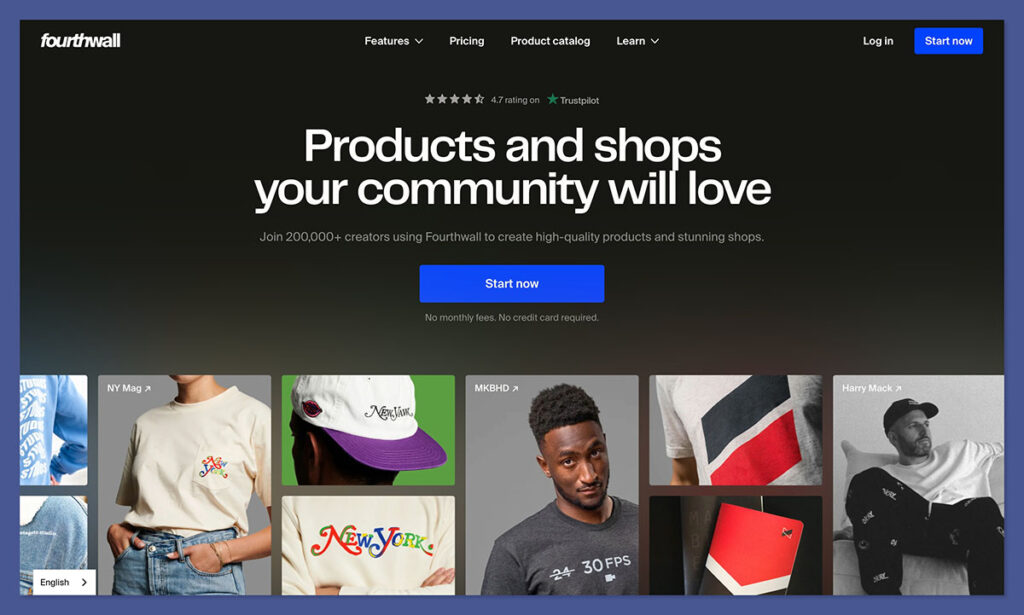
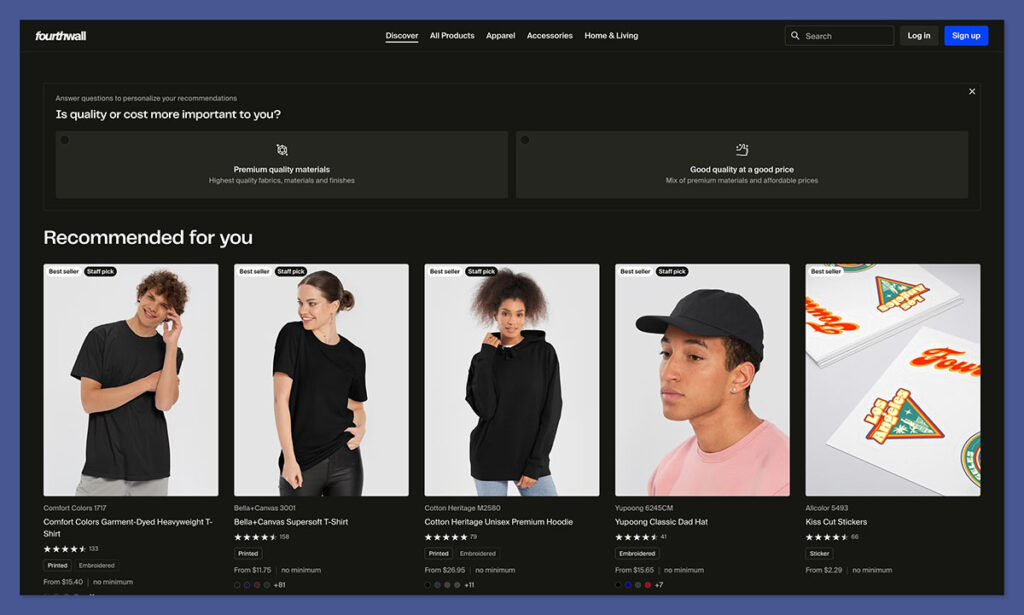
Fourthwall has gained significant traction by focusing on a high-quality, print-on-demand model that eliminates the need for inventory. By providing businesses with a branded storefront, the platform allows for the creation of high-end corporate apparel and merchandise without the financial risk associated with bulk manufacturing. Its primary advantage is the lack of minimum order quantities, making it an ideal candidate for startups and mid-market firms looking to test branded merchandise strategies.
2. SwagUp: Scaling Kits and Bundles
SwagUp excels in the logistical coordination of gift packs. For human resources departments tasked with new-hire onboarding, the ability to automate the delivery of a "welcome kit"—containing branded hoodies, stickers, and office essentials—is invaluable. By providing both a self-service marketplace and warehouse management, SwagUp effectively bridges the gap between digital ordering and physical fulfillment.

3. Sendoso and Reachdesk: The Revenue-Driven Giants
Sendoso and Reachdesk represent the gold standard for Account-Based Marketing (ABM). These platforms are designed to operate as an extension of the sales stack. When a representative triggers a gift in their CRM, the platform initiates the fulfillment process. The distinction between the two often comes down to geographical reach; while Sendoso offers superior AI-driven recommendations, Reachdesk provides a more robust infrastructure for international fulfillment across more than 180 countries, making it the preferred choice for multinational corporations.
4. Snappy and Goody: Prioritizing Recipient Choice
Snappy and Goody have disrupted the industry by shifting the agency from the sender to the recipient. By sending a digital "unwrapping" experience, these platforms allow employees or clients to select their own gifts from a curated marketplace. This minimizes the risk of sending unwanted items and reduces the logistical friction of managing shipping addresses, as the recipient provides their own details upon redemption.
5. Specialized Solutions: PerkUp, Axomo, and Swag Pro
- PerkUp: Specializes in global employee reward programs, leveraging local warehouses to reduce international shipping times and customs complications.
- Axomo: Focuses on the governance of spending. With robust role-based permissions, it ensures that departments stay within budgetary constraints while maintaining brand standards.
- Swag Pro: Formerly known as Printfection, this platform targets mature organizations that require enterprise-grade inventory management, reporting, and complex shipping strategies.
Comparative Market Analysis
| Platform | Core Strength | Ideal For |
|---|---|---|
| Fourthwall | Zero-inventory POD | Small teams/startups |
| SwagUp | Automated kits | New-hire onboarding |
| Sendoso | CRM integration | ABM/Sales teams |
| Snappy | Recipient choice | Employee morale |
| Goody | Low-friction UX | Rapid deployment |
| PerkUp | Global logistics | Multinational HR |
| Reachdesk | International scale | Global ABM programs |
| Swag Pro | Enterprise inventory | Mature operations |
| Axomo | Budget control | Large departments |
| Swag.com | Bulk procurement | Events/Trade shows |
Strategic Implications and Industry Outlook
The transition to these automated platforms is not merely a convenience upgrade; it is a fundamental shift in how corporations manage their relationships. Data from recent industry reports suggest that companies using automated gifting platforms see an average 15% increase in gift redemption rates compared to manual distribution. Furthermore, the integration of analytics—which track when a gift is opened, whether it was exchanged, and the subsequent impact on client retention—allows for a level of transparency that was previously impossible.
However, the proliferation of these tools introduces new challenges. As gifting becomes more automated, there is a risk of it becoming impersonal. Industry experts caution that software should be used to facilitate, not replace, the underlying message of appreciation. The most successful organizations are those that use these platforms to handle the logistics, while reserving the creative and personal aspects of the messaging for the human sender.
Future Trajectory
Looking toward the next 24 months, the corporate gifting sector is expected to lean further into artificial intelligence. We anticipate the widespread adoption of predictive gifting, where algorithms analyze a recipient’s professional data and past preferences to suggest items that are statistically more likely to be valued. Additionally, sustainability is becoming a primary purchasing driver, with platforms increasingly being evaluated on their ability to source eco-friendly products and carbon-neutral shipping methods.
For leadership teams, the objective remains clear: select a partner that aligns with the organization’s scale and strategic goals. Whether the priority is controlling costs through rigid budget management or maximizing impact through premium, personalized gifting experiences, the infrastructure currently available provides a pathway to more meaningful professional relationships. By offloading the operational burden to these specialized platforms, organizations can ensure that their gifting efforts are consistent, scalable, and, most importantly, effective.