Automattic Integrates Native Podcasting Capabilities into Jetpack to Decentralize Creator Ecosystems

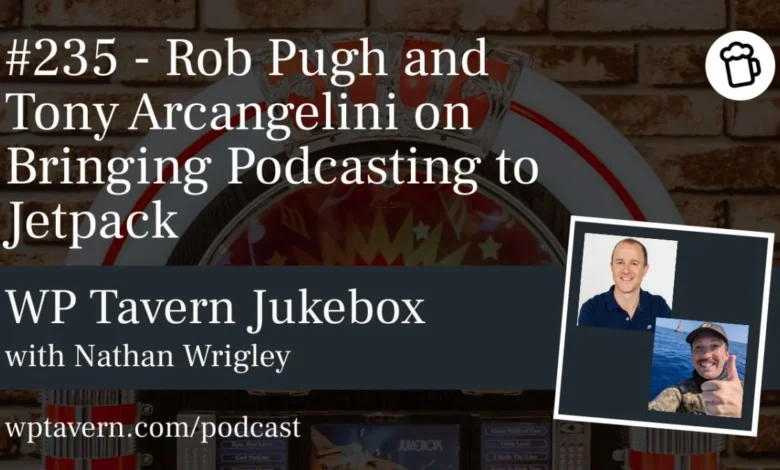
The landscape of digital content creation is undergoing a significant shift as Automattic, the parent company of WordPress.com and the developer of the Jetpack plugin, has officially introduced native podcasting features directly into the Jetpack ecosystem. This development marks a strategic departure from the previous reliance on third-party hosting platforms and fragmented RSS management, positioning WordPress as a centralized hub for podcasters who seek to maintain ownership of their audience, data, and distribution channels.
A Strategic Pivot Toward Integrated Content Ownership
For years, the podcasting industry has operated largely through "walled gardens"—proprietary platforms like Substack, Patreon, and various dedicated podcast hosting services that control the relationship between creators and their listeners. While these platforms offer convenience, they often impose rigid limitations on monetization, design, and data portability. Automattic’s decision to bake podcasting tools into Jetpack—a plugin utilized by millions of self-hosted WordPress sites—is a direct challenge to these centralized models.
Rob Pugh and Tony Arcangelini, two veteran members of the Automattic team, have spearheaded this initiative. According to the development team, the goal is to provide a seamless "one-roof" solution where a creator can manage a blog, a newsletter, and a podcast simultaneously. By integrating these features into the WordPress core experience, Automattic aims to restore the principle of content ownership, ensuring that creators are not subject to the shifting algorithmic or fiscal policies of third-party hosting sites.
Chronology of the Development
The path to native WordPress podcasting began with basic, rudimentary audio support on WordPress.com. For a considerable period, this functionality was limited to simple RSS feed generation and standard media embedding. However, as the demand for professional-grade podcasting tools grew, Automattic recognized the need for a more robust infrastructure.
The integration into Jetpack was not merely a porting of existing code but a complete architectural overhaul. By leveraging Jetpack’s existing infrastructure—which already handles security, site performance, and social media automation—the team was able to provide features that are difficult for independent podcasters to manage, such as comprehensive download statistics and automated distribution. This development aligns with a broader industry trend where creators are increasingly moving away from third-party intermediaries to build independent, site-based digital brands.
Technical Infrastructure and Ease of Use
The new Jetpack podcasting suite is designed to remove the technical barriers that often deter new creators. The implementation process is streamlined: a user installs the Jetpack plugin, toggles the podcasting module, and assigns a specific category to their posts. From there, the system handles the complexities of RSS feed generation, metadata compliance, and media hosting.
A critical component of this integration is the compatibility with "Podcasting 2.0" standards. This includes support for chapters, advanced metadata, and improved distribution protocols. Furthermore, the integration with Pocket Casts—which is also owned by Automattic—allows for a highly efficient feedback loop. Creators can now see their content propagate across major platforms with minimal latency, and the system offers built-in guidance for submitting feeds to major directories like Apple Podcasts, Spotify, and Amazon Music.
Supporting Data and Market Context
The podcasting industry has seen exponential growth over the last decade, with current projections suggesting that the number of global podcast listeners will exceed 500 million by the end of 2024. Despite this growth, many creators struggle with the "discovery" problem and the difficulty of converting listeners into subscribers.
Data indicates that creators who manage their own infrastructure—rather than relying solely on third-party hosting—experience higher retention rates. By utilizing a WordPress site as a central anchor, creators can capture email addresses through newsletters, sell merchandise via WooCommerce, and maintain complete control over their site’s aesthetic. Automattic’s initiative addresses the "10% tax" model common in other platforms, where creators lose a significant portion of their revenue to intermediaries. By providing a self-hosted alternative, Automattic allows creators to keep a higher percentage of their earnings, especially as they scale their paid subscription models.
Addressing the Role of Artificial Intelligence
The integration also addresses the labor-intensive nature of content production through the use of Jetpack AI. Modern podcasting requires not just audio, but transcripts, show notes, and optimized titles for search engines. The new suite allows for the automated generation of these assets, reducing the hours typically required for post-production.
Furthermore, the team is exploring the potential for automated transcription services that leverage the technology already developed for the Pocket Casts platform. This is a significant value proposition for creators, as transcripts are increasingly essential for accessibility and search engine optimization (SEO), yet they remain a significant hurdle for independent creators with limited time and resources.
Implications for the Digital Creator Economy
The move by Automattic to centralize podcasting within the WordPress ecosystem carries profound implications for the future of the open web. If creators increasingly adopt this model, it could signal a decline in the influence of proprietary podcast hosting platforms that lack interoperability.
- Data Portability: By using WordPress, creators ensure that their archives remain their own. If they decide to switch hosting providers in the future, the migration process is significantly simpler than moving content out of a closed system.
- Platform Neutrality: The shift allows creators to diversify their distribution without being tethered to a single company’s rules. This creates a more resilient creator economy where individual voices are not silenced by sudden changes in corporate policy.
- Synergy of Content Types: The ability to publish a podcast episode that simultaneously triggers a newsletter, updates the RSS feed, and publishes social media posts creates a "one-publish" workflow. This efficiency is vital for independent creators who often function as a one-person media operation.
Official Stance on Vendor Lock-in
A core concern for any creator adopting a new platform is the risk of vendor lock-in. Automattic has addressed these concerns by maintaining an open-source philosophy. The podcasting features within Jetpack are built upon the open WordPress framework, ensuring that the data—the audio files, the show notes, and the feed—remains accessible.
Rob Pugh emphasized that the intention behind this project is to provide tools, not to build a new cage. He stated that the team encourages movement between platforms and is committed to ensuring that users can easily migrate their content should they choose to move elsewhere. This commitment to openness is a hallmark of the WordPress brand and a key differentiator in a market currently dominated by companies that prioritize platform retention over user freedom.
Future Roadmap and Expectations
Looking forward, the roadmap for Jetpack’s podcasting features includes deeper integration with migration tools. Automattic intends to develop automated flows that allow creators to import their entire back catalog from platforms like Substack or other dedicated podcast hosts with a single click.
As the industry continues to evolve, the integration of video and audio is expected to become the new standard. With tools like VideoPress already part of the Automattic suite, the convergence of video-podcasting and audio-only streams on a single WordPress site is the logical next step. For creators, the future appears to be one of increased consolidation of tools and a return to the foundational ideal of the internet: that creators should own their work and the relationship they hold with their audience.
By lowering the barrier to entry and providing enterprise-level tools to the average user, Automattic is effectively democratizing the podcasting medium. As the ecosystem matures, the success of this initiative will be measured not just by the number of podcasts launched on WordPress, but by the extent to which it manages to stem the tide of centralization that has characterized the digital media landscape for the past decade.
Related posts: