The Evolution of Residential Mosquito Control: A Deep Dive into the Thermacell LIV 2.0 System

Four years ago, the return of a Texas resident from California highlighted a growing environmental challenge that many homeowners in the Southern United States face: the increasing prevalence and aggressiveness of local mosquito populations. After two decades away from the region, the returnee noted a marked shift in insect behavior and density, leading to a desperate search for effective abatement strategies. This personal experience reflects a broader trend documented by entomologists, who have noted that changing climate patterns and urban development have expanded the range and activity periods of various mosquito species, particularly in the Gulf Coast states.
The Search for Sustainable Abatement
The initial response to the infestation—relying on traditional, high-intensity pesticide treatments—proved both financially unsustainable and functionally inadequate. The standard industry practice of employing contracted services to apply broad-spectrum insecticides via backpack cannons offers only a ephemeral reprieve. Data suggests that such sprays typically provide a "knock-down" effect that lasts between 48 and 72 hours. Once the chemical residue degrades, the population often rebounds, sometimes with increased density as the local ecosystem attempts to compensate for the sudden loss of biomass.
The financial burden of this cycle is significant, often exceeding four figures annually for consistent coverage. Recognizing the limitations of "spray-and-pray" methods, many homeowners have pivoted toward more integrated, technology-driven solutions. Among the most prominent in this space is Thermacell, a company that has transitioned from producing portable, handheld repellers to developing complex, permanent infrastructure designed to create "vaporous fences" around private outdoor spaces.
Chronology of Innovation: From LIV to LIV 2.0
The transition from the original LIV system to the newly released LIV 2.0 marks a two-year developmental cycle for the manufacturer. The original system, which debuted to address the demand for a semi-permanent, automated solution, utilized a series of daisy-chained repellers connected to a Wi-Fi-enabled hub. This allowed users to manage their outdoor environment via smartphone applications, effectively activating a protective barrier only when the space was in use.
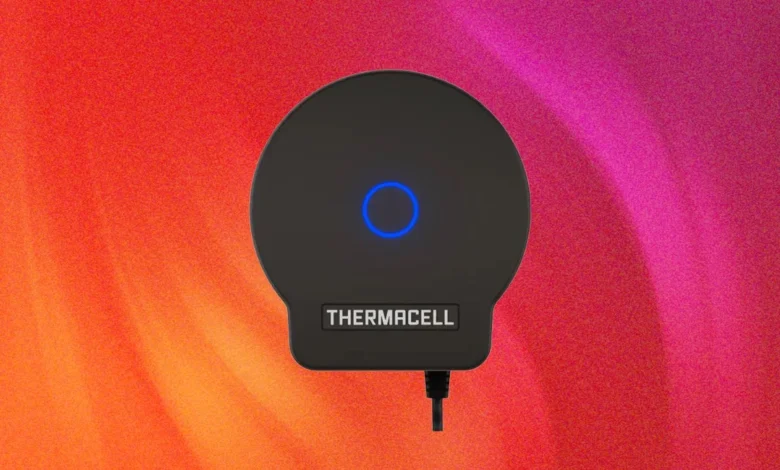
The LIV 2.0 upgrade retains the core architecture—specifically the cabling infrastructure—but introduces significant hardware revisions to the hubs and repeller units. According to product specifications, the 2.0 iteration focuses on improved connectivity, device durability, and refined chemical dispersion. By integrating these units into a perimeter layout, homeowners can establish a zone of protection where mosquito activity is significantly suppressed without the need for area-wide chemical fogging.
Understanding the Chemistry: Metofluthrin
Central to the Thermacell system is the active ingredient metofluthrin. A synthetic pyrethroid, metofluthrin is highly effective at repelling mosquitoes rather than simply killing them. This distinction is critical from an ecological standpoint. By creating a repellent barrier, the system discourages mosquitoes from entering a designated area, thereby reducing the likelihood of human-insect contact without the collateral damage to beneficial insects—such as pollinators—often associated with contact-based pesticides.
The mechanism functions through the slow, controlled evaporation of the chemical from a replaceable vial. When integrated into the LIV 2.0 system, these vials are managed by the control hub, which regulates the dispersion rate. For the average residential pool or patio, a setup utilizing five to six repellers, spaced roughly 20 feet apart, creates a sufficient concentration of the repellent to deter the insects. This distance is a vital technical specification; if the units are placed too far apart, gaps in the vapor barrier allow for mosquito infiltration, rendering the system less effective.
Broader Implications for Outdoor Living
The rise of high-tech mosquito abatement systems like LIV 2.0 signals a shift in the residential pest control market. As climate change leads to longer, warmer summers, the window of time during which mosquitoes are active is expanding. In states like Texas, Florida, and Louisiana, the mosquito season now frequently extends well into November, and in some years, remains a year-round concern.

This environmental shift has forced a reassessment of how outdoor spaces are utilized. Property values and the usability of outdoor amenities—such as swimming pools, patios, and outdoor kitchens—are increasingly tied to the ability of the homeowner to mitigate pest pressure. Unlike traditional pest control services, which are largely externalized, systems like LIV 2.0 provide the user with autonomous control. This democratization of pest management technology allows for a more tailored approach, as users can activate the system based on real-time usage of the space rather than a fixed, recurring service schedule.
Technical Analysis and Performance Metrics
The effectiveness of the LIV 2.0 system rests on its integration with home network infrastructure. By utilizing Wi-Fi, the system allows for scheduling, remote activation, and monitoring of chemical levels. This connectivity is a marked improvement over legacy systems, which often required manual intervention.
From a performance standpoint, the 2.0 hardware enhancements primarily address the reliability of the daisy-chain connectivity. Users frequently cited intermittent signal loss in the original LIV as a pain point; the upgraded hub hardware is designed to handle more robust communication between the individual repeller nodes. Furthermore, the aesthetic redesign allows the units to blend more seamlessly into landscaping, an important consideration for homeowners who prioritize the visual appeal of their outdoor living environments.
Regulatory and Safety Considerations
It is imperative to note that while metofluthrin is approved for use in these systems, it is subject to rigorous regulatory oversight. The Environmental Protection Agency (EPA) reviews such products to ensure they pose no unreasonable risk to human health or the environment when used according to the manufacturer’s instructions.
However, homeowners are cautioned to observe proper placement. Because the system creates a localized vapor barrier, it is designed for outdoor, well-ventilated areas. The concentration of the repellent is calculated to be effective against mosquito-sized insects while remaining below thresholds that would pose hazards to humans or pets. Nonetheless, the shift toward localized, chemical-based management requires a high level of consumer diligence in terms of maintenance, such as replacing the metofluthrin vials as they deplete.
Future Outlook for Mosquito Abatement
The success of the LIV 2.0 system will likely influence the next generation of smart-home outdoor equipment. The intersection of IoT (Internet of Things) and pest control is a growing market segment. As these systems become more affordable and easier to install, they may eventually become a standard feature in new residential construction, much like built-in sprinkler systems or smart lighting.
Furthermore, the industry is closely watching how these systems perform in extreme weather conditions. The durability of the cabling and the internal electronics of the LIV 2.0 will be tested by the intense heat and humidity of the Southern climate. If these systems can demonstrate longevity beyond the standard two-to-three-year life cycle, they will likely see increased adoption rates among suburban homeowners.
Conclusion
The evolution of the Thermacell LIV 2.0 represents a significant technical step forward in the ongoing battle against mosquitoes. By moving away from the blunt instrument of professional fogging and toward a precision-based, automated repellent system, homeowners are finding new ways to reclaim their outdoor spaces. While the technology requires a significant upfront investment and consistent maintenance, the ability to create a manageable, on-demand barrier against pests offers a compelling value proposition. As environmental pressures continue to evolve, the integration of smart technology into residential pest management will likely remain a critical area of development, balancing the need for comfort with the requirements of safe, responsible chemical usage. The transition to LIV 2.0 is not merely a product update; it is a reflection of a broader, technology-driven change in how society interacts with its immediate, natural environment.