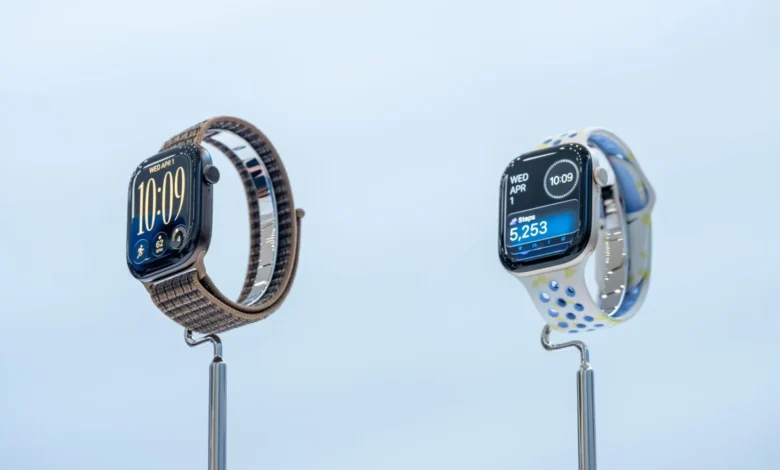
Navigating the current Apple Watch ecosystem requires a nuanced understanding of hardware capabilities, software integration, and the specific physiological needs of the user. As Apple continues to iterate on its wearable technology, the divide between the entry-level, flagship, and professional-grade models has become increasingly defined by sensor precision and power management rather than mere aesthetics. With the release of the Series 12 and the Ultra 4, Apple has effectively realigned its product hierarchy, emphasizing data-driven health monitoring as the cornerstone of the modern user experience.
The Evolution of the Apple Watch Lineup
The Apple Watch has undergone a significant transformation since its debut in 2015. Initially positioned as a fashion-forward companion to the iPhone, the device has transitioned into a sophisticated health-monitoring platform. This evolution is best viewed through the lens of sensor technology. The early iterations focused on basic activity tracking and notifications; however, the last three years have seen the introduction of blood oxygen monitoring, ECG capabilities, and advanced sleep stage tracking.
The current lineup, headlined by the Series 12, represents the apex of this trajectory. Apple’s decision to move toward more frequent and granular data collection—such as the five-second heart-rate intervals—suggests a strategic pivot toward proactive wellness management. This shift is not merely incremental; it represents a move to compete directly with specialized recovery trackers like Whoop and Oura, which have carved out significant market share by offering "readiness" metrics.
Analyzing the Series 12: The New Standard
The Apple Watch Series 12 stands as the most balanced option for the average consumer, offering a robust set of features that justify its price point. Its defining characteristic is the new Health Sensing System. By utilizing a 32-electrode ECG array, the device provides significantly better skin contact than its predecessor, the Series 11, which relied on a dual-electrode system. This hardware enhancement is critical for users who utilize the watch to monitor for atrial fibrillation or other cardiac irregularities.
Beyond the hardware, the integration of a "Readiness" score represents a major software milestone. This metric synthesizes recent activity levels, heart rate variability (HRV), and sleep data to provide a holistic view of the user’s physical state. For athletes and casual users alike, this translates to a more intelligent approach to training—advising rest when the body is under stress rather than simply encouraging arbitrary activity goals. While features like "Live Rewind" and "Siri Recap," powered by the new Audio Intelligence suite, are delayed until later this year, the underlying processing power is already in place to support these advancements.
The Ultra 4: Performance and Endurance
For power users, the Apple Watch Ultra 4 remains the definitive choice, particularly for those whose lifestyles demand longevity and durability. The device is built to survive extreme environments, with water resistance up to 100 meters and specialized depth gauge functionality for recreational scuba diving. However, the most significant upgrade for the Ultra 4 is its power efficiency.
The Ultra 4 now offers up to 50 hours of battery life under normal usage conditions, a marked improvement over the 42 hours provided by the Ultra 3. When shifted into Low Power Mode, this extends to 84 hours. This capacity is essential for multi-day expeditions where charging infrastructure is unavailable. The introduction of satellite messaging—a feature exclusive to the Ultra series—further cements its status as a safety tool rather than just a smart accessory. It provides a vital communication link in areas where cellular and Wi-Fi signals fail, a crucial consideration for wilderness explorers and emergency responders.
The Budget-Friendly Entry: The Apple Watch SE (3rd Gen)
Despite the absence of a hardware refresh this year, the Apple Watch SE (3rd Gen) maintains its position as the entry-level gateway into the Apple ecosystem. While it lacks the high-end sensor suite found in the Series 12—such as the 32-electrode ECG and blood oxygen monitoring—it is powered by the S10 chip. This allows it to support the latest version of watchOS, including essential health features like sleep apnea notifications and skin temperature sensing.
The SE represents a pragmatic choice for those who prioritize core smartwatch functionality over advanced medical diagnostics. While its 1,000-nit display is less vibrant than the 2,000-nit panel found on the flagship models, it remains functional in most lighting conditions. The primary trade-off is the lack of future-proofing regarding advanced health metrics like the Readiness score, which are gated by the hardware requirements of the newer S11 and S12 processors.
Comparative Hardware Specifications
| Feature | Series 12 | Ultra 4 | SE (3rd Gen) |
|---|---|---|---|
| Processor | S12 | S11 | S10 |
| Battery Life | 24 Hours | 50 Hours | 18-24 Hours |
| Display | High-Brightness OLED | Extreme-Brightness OLED | Standard OLED |
| Safety | Fall/Crash Detection | Satellite + Siren | Fall/Crash Detection |
| ECG | 32-Electrode | 32-Electrode | Not Available |
Industry Implications and User Trends
The current market strategy from Apple indicates a consolidation of features. By keeping the price points of the previous generation (Series 11 and Ultra 3) similar to the current models, Apple is effectively forcing a value-based decision onto the consumer. The lack of significant discounting on older models makes the latest hardware the only logical purchase for most users, as they benefit from improved longevity and software compatibility.
Analysts have noted that Apple’s focus on "Audio Intelligence" and health sensors is a defensive move against the rising influence of generative AI in personal health. By processing more data locally on the watch, Apple ensures privacy—a key selling point—while providing more actionable insights. This trend is expected to continue as Apple further integrates these features into its broader Health app ecosystem, effectively turning the watch into a continuous remote monitoring device for the user’s primary care physician.
Testing Methodology and Evaluation
The assessment of these devices requires a rigorous, multi-faceted testing approach. For the purpose of this evaluation, each model was tested over a four-week period to account for daily wear-and-tear and long-term data collection accuracy. Testing involved:
- Fitness Tracking: Comparing heart rate and GPS metrics against medical-grade equipment and established industry standards like the Oura Ring and Whoop 4.0.
- Battery Management: Monitoring discharge rates under heavy usage (GPS-tracked workouts) versus standby mode.
- Interface Responsiveness: Evaluating the speed of the watchOS interface, particularly when transitioning between multiple open applications and Siri commands.
- Ergonomic Comfort: Assessing the wearability of different case sizes, particularly the 49-mm Ultra 4 on smaller wrists, which can be cumbersome during sleep or high-intensity movement.
Final Considerations for Consumers
When choosing an Apple Watch, the decision should be dictated by the user’s specific lifestyle requirements. The Series 12 is the superior choice for the vast majority of the population, offering a blend of modern health technology and consistent performance. The Ultra 4 is a specialized tool; its size and price are only justified if the user intends to utilize the extended battery life and satellite connectivity for outdoor activities. The SE remains an excellent device for children, seniors, or those who simply require the essential connectivity features of an iPhone companion without the complexity of advanced medical tracking.
As we look toward the future of the platform, the Apple Watch is clearly moving away from being a mere screen-based notification hub. It is becoming an essential component of preventative healthcare, capable of identifying potential issues long before they become critical. Whether this level of constant monitoring is necessary for the average person remains a subject of debate, but for those within the Apple ecosystem, the hardware to facilitate this shift is now firmly established. Prospective buyers are advised to prioritize the model that aligns with their immediate needs, as the current generational overlap suggests that the most effective investment is in the latest available hardware.