Net-a-Porter Stages a Strategic Comeback by Turning High-End Customer Feedback Into a Blueprint for Luxury Retail Success

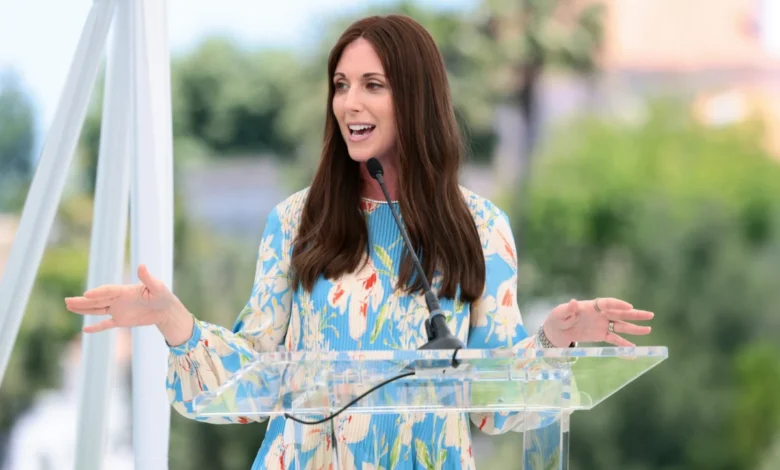
Luxury e-commerce pioneer Net-a-Porter is orchestrating a remarkable industry resurgence, utilizing unfiltered consumer criticism and direct high-net-worth feedback as the foundational architecture for its operational overhaul. Since stepping into the role of Chief Executive Officer in April 2025, luxury retail veteran Heather Kaminetsky has spearheaded a radical customer-centric strategy. Eschewing traditional, insular corporate boardrooms, Kaminetsky has spent the past year relentlessly engaging the platform’s most elite clientele with a singular, probing question: How can we do better?
This aggressive listening campaign has yielded a treasure trove of actionable insights, directly challenging conventional e-commerce wisdom. By treating customer complaints not as operational failures, but as invaluable roadmaps for growth, Net-a-Porter is demonstrating how legacy digital retailers can recapture market share, deepen customer loyalty, and drive robust financial performance in an increasingly crowded and competitive global luxury landscape.
The Anatomy of a Customer-Driven Transformation
The luxury retail sector operates on exacting standards. Consumers spending thousands of dollars per transaction expect an immaculate digital and physical journey. When Net-a-Porter’s leadership began systematically polling its shopper base, the responses were swift, detailed, and occasionally surprising in their specificity.
Clientele demanded a comprehensive reimagining of the platform’s white-glove service architecture and physical delivery ecosystem. Shoppers requested heightened, more intuitive personalization from their dedicated personal shoppers, a carefully curated inventory blend pairing historic heritage fashion houses with disruptive emerging designers, more precise package tracking capabilities, and an frictionless, printer-free returns process. In a testament to the hyper-attentive nature of luxury consumers, feedback even extended to the visual presentation of the delivery personnel, with patrons suggesting that driver uniforms required a sophisticated upgrade to align with the elevated nature of the merchandise being delivered.
Naturally, not every suggestion translated into a viable business strategy. Kaminetsky famously rejected a proposal from one affluent customer advocating for merchandise delivery via private jet, deeming the logistical undertaking economically and operationally unrealistic. However, the vast majority of consumer insights were translated into immediate, tangible operational upgrades.
Tangible Changes and Operational Upgrades
The implementation of customer-driven reforms has transformed daily operations at Net-a-Porter. Among the most notable updates is the complete overhaul of the returns policy. Pre-printed return labels are now permanently enclosed inside every outbound order package, completely eliminating the need for cumbersome online forms or home printing equipment—a minor friction point that historically frustrated time-poor luxury consumers.
Furthermore, delivery personnel, who previously adhered to a lenient dress code permitting any dark-colored attire, have been outfitted in polished, standardized uniforms that reflect the brand’s premium identity. Geographic service offerings have similarly expanded based on consumer travel habits. Following inquiries from core clients who spend their summers residing along the Jersey Shore questioning why same-day delivery was readily available in the Hamptons but absent across the water, Kaminetsky authorized an immediate expansion of same-day delivery logistics to accommodate the Jersey Shore enclave.
Perhaps most illustrative of the brand’s high-touch approach is Kaminetsky’s willingness to act as an elite concierge. When a premier client expressed an intense desire for a sold-out pair of Khaite half-calf leopard-print trousers, Kaminetsky personally contacted the designer brand’s chief executive officer. The cross-brand collaboration ultimately resulted in a one-off pair being manufactured exclusively for that individual shopper, epitomizing the ultimate expression of modern luxury service.
The Leadership Journey and Strategic Focus
Kaminetsky’s deep understanding of the luxury consumer is rooted in a distinguished career spanning over two decades across the upper echelons of fashion and retail. Her history with Net-a-Porter dates back to October 2013, when she assumed the role of Vice President of Marketing for the Americas. She departed the company in 2016 to hone her operational expertise at other prominent retail destinations, including luxury platform Mytheresa and footwear brand M.Gemi, before returning to helm Net-a-Porter in the spring of 2025.
Upon reassuming leadership, Kaminetsky immediately identified a critical vulnerability: the gradual erosion and lapse of once-loyal customers over the preceding years. To reverse this attrition, she initiated a targeted outreach campaign. Industry reports indicate that roughly 4% of Net-a-Porter’s active shopper base accounts for nearly half of the platform’s total gross sales. Recognizing this Pareto principle in action, Kaminetsky concentrated her recovery efforts on this hyper-valuable cohort, personally emailing top-tier clients to introduce herself and solicit candid critiques.
In-Person Engagement and Experiential Retail
While digital optimization remains crucial, Kaminetsky recognized that true luxury is fundamentally experiential. Under her direction, Net-a-Porter dramatically expanded its physical calendar of designer events and intimate gatherings, hosting more exclusive experiences over a single year than the company had managed in the prior three years combined.
These gatherings are deliberately designed to foster a sense of community. By bringing elite customers together with key company executives and designers for informal fireside conversations, Net-a-Porter has blurred the lines between merchant and consumer. Crucially, at every public and private gathering, Kaminetsky makes herself directly accessible, distributing her personal contact information to attendees and actively encouraging ongoing dialogue. This radical accessibility has dismantled traditional corporate barriers, fostering a culture of mutual accountability and trust.
Financial Impact and Market Implications
The empirical results of Kaminetsky’s customer-first strategy validate the operational pivot. Net-a-Porter’s financial disclosures point to a robust, strengthening business model successfully staging a major industry comeback.
For the fiscal quarter ended June 30, the company’s revenue expanded by 4.3% year-over-year. This growth was anchored by an exceptional performance in the United States market, where revenues surged by more than 13%. Simultaneously, the platform’s average order value (AOV) climbed to $1,016, representing a decisive 9% increase over the preceding 12-month period. This metric underscores a powerful underlying reality: affluent consumers are not necessarily spending less; rather, they are willing to allocate significantly larger sums to platforms that demonstrate an uncompromising commitment to service quality, personalization, and responsiveness.
Broader Industry Context and Expert Analysis
Net-a-Porter’s turnaround offers a vital case study for the broader e-commerce and luxury retail sectors. As digital acquisition costs soar and consumer loyalty proves increasingly transient, traditional digital retailers have struggled to maintain margins while scaling operations. Many platforms have leaned excessively into automated customer service bots, algorithmic recommendations, and standardized fulfillment models—approaches that often alienate high-net-worth individuals who expect human-centric curation and bespoke treatment.
By deliberately moving in the opposite direction—doubling down on high-touch human engagement, transparent communication channels, and swift operational adaptability—Net-a-Porter has established a compelling alternative paradigm. Industry analysts note that retail brands failing to listen to their most profitable customer cohorts risk severe customer churn, particularly as macroeconomic pressures prompt shoppers to rationalize their discretionary expenditures.
Looking ahead, Kaminetsky’s strategy suggests that the future of luxury e-commerce does not lie solely in advanced artificial intelligence or automated efficiency, but in the harmonious integration of digital convenience with old-world concierge service. By treating consumer complaints as strategic blueprints rather than administrative nuisances, Net-a-Porter has transformed vulnerability into a competitive advantage, charting a sustainable course for continued growth through 2026 and beyond.