Bridging the Digital Divide: How the WordPress Credits Initiative is Reshaping Academic and Professional Pathways

The WordPress ecosystem, a cornerstone of the modern internet powering over 40% of all websites globally, is undergoing a significant structural evolution. At the heart of this transformation lies the WordPress Credits initiative, a strategic program launched by the WordPress Foundation in late 2025. Designed to synthesize the gap between traditional academic curricula and the rapidly shifting demands of the global tech industry, the initiative facilitates a formal connection between universities and the open-source community. By integrating project-based contributions into student learning, the program seeks to provide tangible professional certifications that enhance employability while securing the future talent pipeline of the WordPress project.
The Genesis of the WordPress Credits Program
The impetus for the WordPress Credits program stems from a long-standing observation within the open-source community: while WordPress remains a dominant force in web development, the demographic profile of its core contributors has remained relatively static for over a decade. As seasoned developers and community members approach retirement or pivot toward different technologies, the necessity for a fresh influx of talent has become critical.
Launched in December 2025, the program serves as an experimental yet robust bridge. It operates on the premise that students often graduate with theoretical knowledge that lacks the practical, collaborative application required by modern digital agencies. By partnering with universities, the Foundation allows students to earn academic credit for contributing to various WordPress teams—ranging from documentation and translation to core development and marketing. Each contribution is tracked on the user’s official wordpress.org profile, effectively creating a decentralized, transparent, and verifiable portfolio of skills that serves as a digital résumé for prospective employers.
Operational Framework and Mentorship Structure
At the core of the initiative is a structured mentorship model. Students are not merely left to navigate the complexities of the WordPress ecosystem independently; they are paired with experienced industry mentors who oversee their progress, provide guidance on technical or communication tasks, and ensure that contributions meet the high standards required by the WordPress Foundation.
The program is inherently cross-disciplinary. For instance, an Information Technology student might focus on development tasks such as bug fixing or core enhancement, while a student of Communications or Marketing might contribute to the Polyglots team (translation) or documentation. This alignment ensures that the academic study remains relevant to the student’s career trajectory.
Accountability is maintained through a rigorous, albeit flexible, weekly structure. Students participate in regular huddles—conducted either one-on-one or in small groups—and are required to maintain a professional blog documenting their experiences. This requirement serves dual purposes: it forces the student to synthesize their technical work into a narrative format and allows for the development of an online professional persona. Failure to meet these commitments—defined by a pattern of absenteeism or lack of output—results in the discontinuation of the student’s participation, ensuring that the certification carries genuine weight in the job market.
Economic and Business Implications
For the business sector, particularly small-to-medium-sized web agencies, the WordPress Credits program offers a potential solution to the "onboarding bottleneck." Historically, integrating a junior developer or marketer into a remote, distributed team can consume significant resources, with companies often spending three to six months training new hires on basic workflows, remote communication tools, and industry standards.
By hiring graduates who have completed the WordPress Credits program, businesses gain access to talent that has already been "battle-tested" in a real-world, open-source environment. These students are already familiar with the use of Slack for communication, the rigors of version control, and the collaborative nature of asynchronous, distributed work. Consequently, the onboarding period for these individuals is expected to be significantly shorter, reducing the fiscal burden on agencies and allowing for faster integration into production cycles.
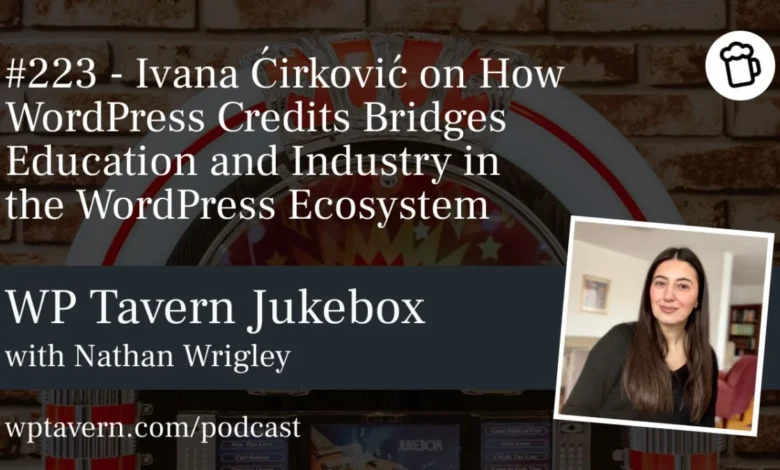
While the program is currently in its nascent stages, industry leaders are optimistic. Ivana Ćirković, a digital marketer and mentor who has been instrumental in the initiative’s rollout, emphasizes that the program is not merely a philanthropic endeavor. It is a strategic tool for businesses to identify, shape, and vet future talent before they even enter the official job market. For companies, this creates a competitive advantage: they are not just looking for talent; they are helping to build it.
Addressing the Academic Curriculum Gap
A recurring criticism of higher education in the computer sciences and digital marketing sectors is the "curriculum lag," where textbooks and academic requirements often fail to reflect the state of the industry as it exists today. The WordPress Credits initiative directly addresses this by introducing a curriculum that is inherently dynamic. Because the WordPress ecosystem evolves weekly—with new features, security updates, and design trends—the "assignments" students complete are reflective of current market realities.
Furthermore, the program transcends the boundaries of WordPress itself. Students learn the fundamentals of global collaboration, cross-cultural communication, and remote project management—soft skills that are highly transferable across the entire tech industry. By participating in an international, multilingual ecosystem, students gain a broader perspective on the global nature of digital work, which is increasingly essential in a post-pandemic, remote-first economy.
Future Outlook and Challenges
The long-term success of the WordPress Credits initiative will be measured by its ability to scale and its impact on the demographic makeup of the WordPress community. Over the next five years, the goal is to see a tangible increase in younger contributors attending WordCamps and engaging with the community at a foundational level.
However, challenges remain. Reaching the next generation requires a departure from traditional outreach methods. Younger demographics are often concentrated on specific social media platforms and digital environments that have not historically been the primary focus of the WordPress community. To ensure the program’s longevity, the Foundation and its partners must meet these students where they are, presenting WordPress not as a legacy platform, but as a vibrant, essential, and career-defining tool.
Furthermore, there is the ongoing need to formalize the business-side of the program. While the educational framework is well-established, the "industry-side" interface—a structured system where agencies can easily access, review, and hire graduates—is still under development. As more universities join the program and the number of certified graduates grows, the demand for a centralized, efficient recruitment pathway will become paramount.
A New Era for Open Source Sustainability
The WordPress Credits initiative represents a shift in how open-source projects sustain themselves. By formalizing the link between academia and industry, the WordPress Foundation is essentially ensuring that the next generation of digital builders is inherently linked to the project’s success. It is an acknowledgment that the most important resource in any technology ecosystem is not the code itself, but the people who write, translate, and advocate for it.
As the initiative continues to evolve, it serves as a case study for other open-source projects struggling with similar demographic challenges. By prioritizing education, accountability, and real-world application, the WordPress community is not only securing its own future but is also providing students with a pathway to professional success that is transparent, meritocratic, and profoundly connected to the global digital infrastructure. Whether this will successfully reverse the demographic trend remains to be seen, but the initial data and the enthusiasm from mentors and academic partners alike suggest that the program has already established a robust foundation for years to come.
Related posts: