From Facebook Marketplace Find to Six-Figure Success: How Oskar Flodstrom Turned a Viral Design Concept Into a Business Empire


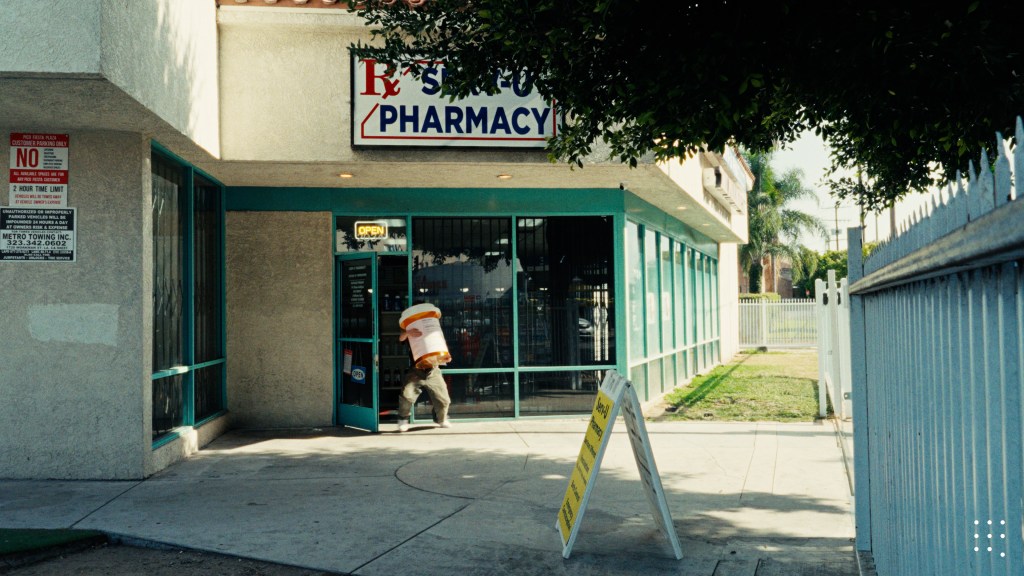
The trajectory of a modern entrepreneur is rarely linear, often defined by a series of disparate, seemingly unrelated experiences that eventually coalesce into a viable commercial venture. For 23-year-old Los Angeles-based artist and designer Oskar Flodstrom, this realization arrived not through a traditional business plan or a university boardroom, but through the lens of a smartphone camera and a piece of discarded acrylic furniture sourced from the digital bargain bin of Facebook Marketplace. In a span of just two weeks, a singular, unconventional design project—a side table fashioned to resemble an oversized prescription pill bottle—generated $150,000 in revenue, effectively pivoting Flodstrom from a precarious lifestyle of teaching swim lessons to becoming a breakout success in the direct-to-consumer design market.
The Foundations of a Self-Taught Creative
Oskar Flodstrom’s path toward design began as a childhood passion for illustration and creation, yet he remained skeptical about the viability of art as a professional career. Raised in an era where the gig economy and the creator economy began to dominate the career aspirations of Generation Z, Flodstrom briefly toyed with the idea of engineering, hoping to satisfy his intellectual curiosity while securing a stable financial future. However, he quickly found the traditional engineering path disconnected from his creative spirit, prompting him to drop the pursuit during the height of the global pandemic.
When the pandemic disrupted his final year of high school, Flodstrom made a pivotal decision: he would bypass higher education. Without the capital to support a degree and a lack of conviction that traditional schooling would bolster his artistic goals, he turned toward music production, finding inspiration in the "self-starter" ethos popularized by figures like Kenny Beats. This period was characterized by financial instability; Flodstrom balanced his artistic experiments with the demands of teaching swimming lessons, a classic "side-hustle" model that allowed him to maintain his independence while keeping his creative ambitions afloat.

The Anatomy of an Accidental Product
The origin of the "Pill Bottle" table serves as a quintessential case study in modern resourcefulness. The project began on Facebook Marketplace, where Flodstrom frequently scouted for free or low-cost materials to furnish his apartment. His discovery—a clear, cylindrical acrylic base—sat in his living space for months, a dormant object awaiting a vision.
The eventual decision to transform this base into a piece of functional art required a mix of low-cost materials and high-level ingenuity. With an estimated budget of only $120, Flodstrom sourced foam for the lid and high-quality printed paper for the label. His ability to negotiate the cost of the custom label at a local office supply store—a testament to his approachable demeanor—underscores the importance of soft skills in the early stages of business development. By mid-2024, the prototype was complete, but it remained a private experiment until he decided to document the creative process for his social media audience.
Chronology of a Viral Surge
The transition from an art project to a commercial entity occurred in June 2024. After capturing the assembly process on video, Flodstrom uploaded the content to Instagram and TikTok. The immediate reaction was modest; the content, however, was flagged by algorithmic filters due to the presence of an "Adderall" label on the bottle, which temporarily stifled its reach.
Recognizing that his initial strategy was stalling, Flodstrom pivoted. He re-contextualized the product, filming a new sequence that showcased the table being used as a laundry hamper. This shift in narrative was the catalyst for an unprecedented viral event. Within a ten-hour window, the video generated approximately one million views per hour, driving an influx of traffic to his nascent store. In just fourteen days, the product grossed $150,000, a figure that significantly outperformed his initial expectations of merely covering the cost of a new apartment.

Strategic Partnerships and Manufacturing
The scale of demand necessitated an immediate operational shift. Flodstrom caught the attention of NO LOGO, a specialized manufacturing and incubation firm designed to help independent creators move from a "one-off" prototype to a scalable product line without the traditional overhead of building a factory.
The collaboration was comprehensive. NO LOGO provided the technical expertise required to refine the structural integrity of the table—specifically replacing the original foam lid with a more durable material—and facilitated the development of a professional Shopify storefront. This partnership allowed Flodstrom to maintain focus on his creative output while the firm managed the logistics of manufacturing and fulfillment. Data provided by the partnership indicates that sales have stabilized at a rate of $1,500 to $4,000 daily, with Flodstrom maintaining healthy margins that far exceed the manufacturing costs covered by his partner.
Fact-Based Analysis: The "Creator-to-Founder" Paradigm
The success of the Pill Bottle table highlights a broader shift in the retail landscape. We are witnessing the rise of the "Creator-Founder," where social media engagement acts as the primary market research tool. Unlike traditional retail, which relies on multi-year development cycles, Flodstrom’s model thrives on rapid iteration and community feedback.
Economically, this represents a low-risk, high-reward entry into manufacturing. By utilizing social media as a validation engine, creators like Flodstrom can secure revenue before significant capital expenditure, effectively de-risking the supply chain. However, this model faces the "one-hit wonder" risk. Flodstrom is keenly aware of this, acknowledging that the novelty of the pill bottle design has a finite shelf life. His focus is now shifting toward institutionalizing his brand, with upcoming projects including a razor-blade mirror and a series of "upcycled" household items, signaling an intent to transition from a viral sensation to a long-term design house.
Future Implications and Scalability
As Flodstrom prepares to scale his operations, the challenges he faces are typical for any high-growth startup: maintaining quality control at volume, managing consumer expectations, and transitioning from a solo-creator workflow to a sustainable business structure.
Industry analysts suggest that the success of such creators depends on their ability to diversify their product portfolio. Flodstrom’s stated interest in streaming and expanding his footprint across YouTube and TikTok suggests he understands the need to build a brand identity that transcends any single product. His approach—remaining humble about his "artistic genius" and treating the business as a learning experience—is a recurring theme among founders who manage to navigate the transition from hobbyist to executive.
For the retail industry, the implications are clear: the power dynamic in product design is moving toward those who can best capture the attention economy. When a 23-year-old with no formal business training can generate six figures in two weeks by turning a piece of trash into a conversation piece, it serves as a stark reminder that in the digital age, the value of an object is increasingly defined by the story of its creation.
As Flodstrom moves into his new residence and begins the R&D process for his next series of designs, the industry will be watching to see if this represents a sustainable business model or a temporary anomaly in the volatile landscape of the internet. For now, the "pill bottle guy" remains a case study in how agility, combined with the right digital platform, can collapse the distance between a simple idea and a scalable commercial reality.