Decathlon Blends Nostalgia and Modern Web Engineering with the Launch of Yestalgia Digital Experience

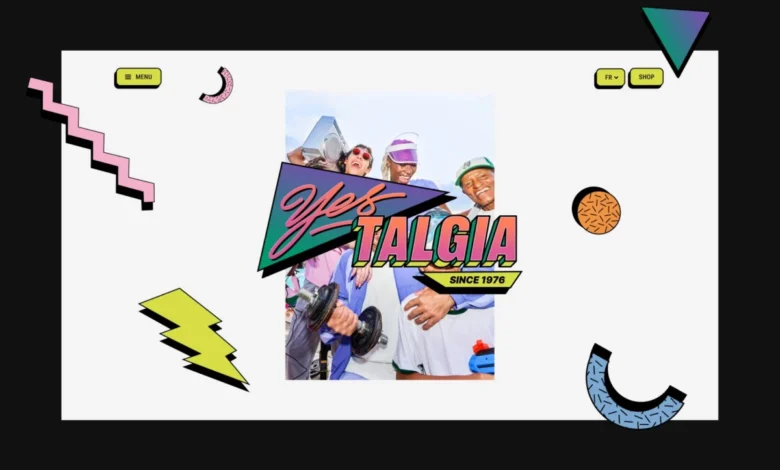
Global sporting goods retailer Decathlon has officially expanded its lifestyle footprint with the introduction of "Yestalgia," an exclusive capsule collection that reimagines the brand’s defining aesthetics from the 1990s. To mark the global rollout of the apparel line across seven distinct language markets, Decathlon commissioned a bespoke, high-performance digital campaign experience that bridges the gap between retro outdoor heritage and contemporary front-end web engineering. Developed in collaboration with creative agencies and digital artisans, the Yestalgia web platform serves as both an interactive e-commerce touchpoint and a technical masterclass in immersive storytelling, blending customized WordPress architecture with advanced WebGL, GSAP animations, and Rive vector graphics.
Background Context of the Yestalgia Campaign
The launch of the Yestalgia collection arrives amid a broader consumer trend toward late-20th-century nostalgia, particularly within the streetwear and lifestyle fashion sectors. Over the past several years, heritage athletic brands have increasingly mined their corporate archives to capture younger demographic groups who resonate with retro styling, bold color blocking, and optimistic branding. Decathlon, traditionally recognized for its functional, utilitarian sporting equipment and technical apparel, utilized the Yestalgia initiative to reposition its historical catalog through a modern design filter.

To bring this vision to life, the digital campaign required a visual identity that felt authentic to the era without appearing dated. Partnering with illustrator and visual artist Dalkhafine, the creative team developed an aesthetic centered on expressive typography, vibrant color palettes, and playful illustrations. The core challenge for the development team was translating this rich artistic direction into a fast-loading, highly engaging web environment capable of supporting international product launches while maintaining the whimsical energy of the campaign.
Product-First Editorial Architecture and Navigation Design
Rather than adopting a conventional, grid-heavy e-commerce layout, the Yestalgia website employs a product-first editorial approach. Large-scale visual compositions, generous whitespace, and minimalist interface elements allow visitors to engage with individual pieces as though they were flipping through a high-end fashion magazine. Graphic interludes featuring dynamic typography and vector illustrations are seamlessly integrated throughout the browsing experience, establishing a continuous visual dialogue between the merchandise, the brand narrative, and the user interface.
Among the platform’s most celebrated interactive features is its unique menu system, modeled after a vintage portable cassette player. Serving as the primary navigation hub, the interface presents site sections as individual cassette tapes. When a user selects a tape, the visual model rises into frame, physically snaps into the playback deck, and transitions the user to the chosen destination. This tactile interaction transforms a standard utility into a piece of immersive storytelling, reinforced by subtle haptic feedback on mobile devices and dynamic background color shifts.

Advanced Front-End Engineering and Performance Optimization
Beneath its playful exterior, the Yestalgia platform represents a rigorous exercise in modern web development. The site is built on a fully custom WordPress theme utilizing Timber and Blockstudio, which provides a robust JSON schema and Twig template structure. This architecture enables the client’s internal marketing teams to reorder, compose, and update content across seven language variants without altering core code or compromising the artistic direction of the campaign.
On the front-end, the application runs on piecesjs, a lightweight framework constructed from native web components. Each independent "Piece" on the site lazy-imports only its specific JavaScript and CSS dependencies, ensuring optimal page load speeds despite the heavy asset load. Scroll-based interactivity is centralized using a custom Scroll Piece that integrates Lenis smooth scrolling with GSAP ScrollTrigger, mapping complex animations directly to markup via descriptive data attributes.
To eliminate unnecessary computational overhead, performance optimizations were implemented across all dynamic elements. For instance, vector animations produced in Rive are managed via intersection observers, ensuring that animations execute only when they enter the active viewport and pause instantly upon exit. Furthermore, accessibility and performance standards are maintained through reduced-motion media queries, which automatically adjust complex transform states and staggers for users who prefer minimized motion.

Technical Specifications and Component Breakdown
The platform’s sophisticated visual effects rely on several modular engineering solutions:
- Declarative Motion Timelines: Decorative elements utilize a custom HTML-driven component () that parses coordinate states, rotations, and easings directly from the markup, executing complex GSAP timelines without requiring bespoke JavaScript for each instance.
- Synchronized Shared Loops: Ambient background elements, such as rotating decorative satellites, subscribe to "Tempus"—a single, centralized animation loop normalized against delta time to guarantee consistent performance across 60Hz and 120Hz displays.
- Seamless Carousels and Lookbooks: Fullscreen infinite carousels are powered by GSAP seamless-loop techniques, coordinating card scaling, tilting, and title reveals through synchronized component states. The footer lookbook features a constrained-height accordion layout that preserves total document flow, preventing layout shifts during user interaction.
Industry Implications and Future Outlook
The successful deployment of the Yestalgia digital experience highlights a growing shift in how legacy retailers approach digital product launches. By moving away from rigid, template-driven e-commerce platforms in favor of bespoke, creatively driven web applications, brands can foster deeper emotional connections with consumers. The integration of high-performance animation frameworks with accessible content management systems demonstrates that visual ambition and technical scalability are no longer mutually exclusive in modern web development.

As digital campaigns increasingly prioritize immersive storytelling over static product listings, the methodologies employed in the Yestalgia project—such as component-based architecture, markup-driven animations, and rigorous performance gating—offer a blueprint for future enterprise-level digital activations. Through this initiative, Decathlon has not only successfully reintroduced its 1990s heritage to a modern audience but has also established a high benchmark for creative engineering in the retail sector.