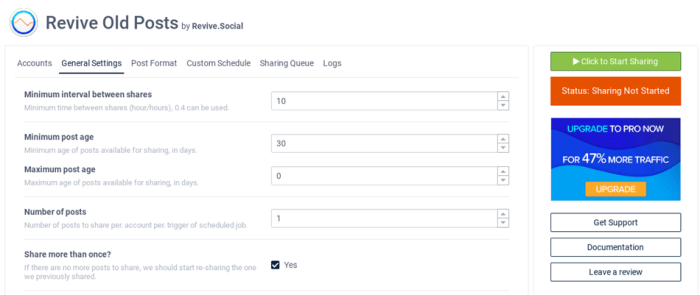
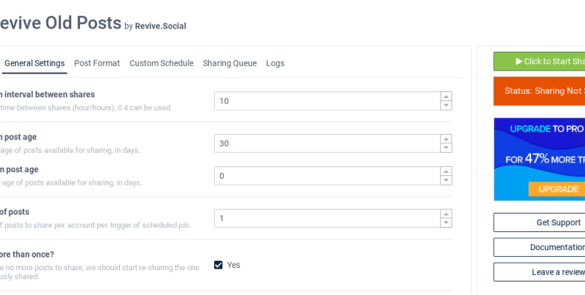

Social networks auto poster plugin empowers you to effortlessly manage your social media presence. This comprehensive guide delves into the world of automated posting, exploring its benefits, drawbacks, and essential features. We’ll cover various plugins, integration strategies, and crucial best practices for maximizing your social media impact without the time commitment.
From basic scheduling to advanced analytics, understanding the nuances of these plugins is key to optimizing your social media strategy. This article will help you navigate the options and choose the perfect plugin for your needs. We’ll also look at the pros and cons, making sure you’re well-informed before automating your posting.
Defining Social Networks Auto Poster Plugins

Social media management has become increasingly complex as businesses and individuals strive to maintain a consistent online presence across various platforms. Automating posting tasks is crucial for efficiency and scalability, especially for those managing multiple social media accounts. Social networks auto poster plugins play a vital role in this process.These plugins act as automated agents, simplifying the management of social media posts.
They provide a streamlined workflow for scheduling and publishing content, freeing up valuable time for other tasks. By handling the repetitive aspects of posting, these plugins empower users to focus on content creation and engagement.
Core Functionalities of Social Networks Auto Poster Plugins
These plugins are designed to automate the process of posting content to multiple social media platforms. Their core functionalities encompass scheduling posts, managing accounts, and integrating with various social media platforms. The ability to schedule posts in advance is critical for maintaining a consistent posting schedule and ensuring timely delivery of content.
Supported Social Media Platforms
Social networks auto poster plugins typically support a range of popular social media platforms. Facebook, Twitter, Instagram, and LinkedIn are commonly supported, offering comprehensive coverage for major social media channels. However, some plugins may extend their support to include other platforms like Pinterest, TikTok, and even niche social media networks.
Types of Content Supported
The range of content that can be automatically posted varies across different plugins. Basic plugins may primarily support text and image posts, while advanced plugins can handle more complex content types such as videos, GIFs, and even stories. This versatility enables users to tailor their automated posting strategy to their specific content needs.
Different Types of Social Media Plugins and Their Key Functionalities
The table below illustrates the different types of social media plugins and their core functionalities, highlighting the differences in features and capabilities:
| Plugin Type | Platforms Supported | Content Types | Scheduling Options |
|---|---|---|---|
| Basic | Facebook, Twitter | Text, Images | Basic scheduling, limited to pre-set times or days. |
| Advanced | Facebook, Instagram, Twitter, LinkedIn, Pinterest, and others | Text, Images, Videos, Stories, and potentially other content formats. | Advanced scheduling (including specific time zones), analytics (tracking engagement, reach, and other metrics), and potentially other sophisticated features. |
Benefits and Drawbacks of Using Social Networks Auto Poster Plugins
Social media has become an indispensable tool for businesses and individuals alike. Automating the posting process can streamline operations, but it’s crucial to understand the potential advantages and disadvantages before implementing such plugins. This exploration delves into the benefits, drawbacks, and impact on brand image and user engagement.Social media management tools, including auto-poster plugins, are designed to simplify the posting process across multiple platforms.
These plugins can significantly reduce the time commitment required for routine social media updates, allowing users to focus on more strategic tasks. However, the effectiveness and appropriateness of automated posting strategies depend heavily on the specific use case and the quality of the plugin.
Advantages of Using Auto Poster Plugins
Automating social media posting can be incredibly beneficial for time management. By scheduling posts in advance, individuals and businesses can maintain a consistent presence without dedicating significant time to manual updates. This is particularly valuable for companies with limited staff or those who need to maintain a high volume of posts across various platforms. The ability to schedule posts ahead of time allows for greater flexibility and organization, enabling users to manage their social media presence efficiently.
Disadvantages of Using Auto Poster Plugins
Automated posting, while convenient, can have significant drawbacks. The most prominent concern is the potential for a less engaging and less personalized experience. Posts may appear less authentic, leading to a disconnect with the target audience. The lack of real-time interaction and feedback can also hinder the development of meaningful relationships with followers. Over-reliance on automated posting can stifle creativity and limit the potential for organic interactions, a key element of social media engagement.
Furthermore, some plugins may not offer adequate control over the specific nuances of each platform, potentially leading to posts that aren’t optimized for each particular platform’s algorithm.
Impact on Brand Image and User Engagement
Auto-posting can significantly impact a brand’s image. If implemented poorly, automated posts can appear impersonal and inauthentic. This could damage the brand’s reputation and reduce user engagement. However, when employed effectively, automated posting can enhance brand consistency and presence, especially for companies with a high volume of content. Successful auto-posting requires a strategic approach that integrates with the brand’s overall tone and voice, ensuring that the posts resonate with the target audience and maintain a consistent brand identity.
User engagement, in turn, depends on the quality of the content and the approach to engagement within the auto-posting strategy.
Comparison of Manual and Automated Posting
| Method | Time Investment | Engagement Potential | Scalability |
|---|---|---|---|
| Manual | High | High | Low |
| Automated | Low | Medium to High (with proper strategy) | High |
Manual posting allows for immediate interaction with comments and messages, fostering a more personal connection with followers. Automated posting, conversely, can streamline the process of sharing content across multiple platforms, but requires careful planning and strategy to maximize engagement. The table above highlights the key differences in time commitment, engagement potential, and scalability between these two methods. Manual posting excels in immediate responsiveness, while automated posting prioritizes efficiency and broad reach.
Features and Capabilities of Different Plugins
Social media auto-poster plugins offer a wide range of features, making them valuable tools for managing multiple social media accounts. Understanding the specific capabilities of different plugins is crucial for selecting the best fit for your needs. Different plugins cater to varying levels of complexity and user experience, offering different functionalities for scheduling, content management, and analytics.The diverse functionalities of these plugins range from simple scheduling tools to comprehensive content management and analytics platforms.
A key consideration when choosing a plugin is understanding how it aligns with your current social media strategy and future needs.
Key Features of Various Plugins
Different plugins offer various features, impacting the efficiency and effectiveness of social media marketing. Some plugins focus primarily on scheduling, while others provide advanced content management and analytics tools. This variety allows users to select plugins that best match their specific needs and workflows.
Social network auto poster plugins are great time savers, but streamlining your digital onboarding process is equally crucial. Choosing the right digital adoption platform, like Walkme vs Apty , can dramatically improve user engagement and knowledge retention. Ultimately, both efficient social media posting and a well-designed onboarding experience contribute to a more effective online presence.
- Scheduling Options: Plugins offer varying levels of scheduling control. Some allow basic scheduling with set dates and times, while others provide advanced options like recurring posts, time zones, and custom scheduling rules. These features are crucial for maintaining a consistent social media presence without constant manual intervention. A flexible scheduling system ensures posts are published at optimal times for maximum reach.
- Content Management: Some plugins provide rudimentary content management, simply allowing users to upload and schedule posts. Others offer more advanced capabilities, including content creation tools, templates, and integrated media libraries. Advanced features enable users to organize, format, and reuse content efficiently. For instance, a plugin might offer pre-made templates for various types of posts or allow users to create and store different content types for different platforms.
- Analytics and Reporting: The ability to track the performance of your posts is vital for optimization. Plugins with robust analytics capabilities provide detailed insights into post engagement, reach, and other key metrics. Understanding the performance of your posts helps you tailor your content and strategy for better results. These features allow for data-driven decisions regarding future posts and campaign adjustments.
Customization Options
The degree of customization varies significantly among plugins. Some plugins offer limited customization, primarily allowing users to adjust scheduling parameters. Others offer comprehensive customization, enabling users to tailor the plugin’s appearance and behavior to their specific needs. This customization is critical for maintaining a consistent brand image and achieving desired outcomes.
- Visual Appearance: Some plugins allow basic customization of visual elements like colors and fonts. Others offer more comprehensive options for creating a unique brand aesthetic. Consistent branding is vital for recognition and brand building.
- Workflow Integration: Plugins may integrate with other tools or services, such as email marketing platforms or content calendars. This integration streamlines workflows and allows for a more cohesive approach to social media management. Streamlining workflows through integrations helps save time and effort.
- Specific Social Network Features: Advanced plugins often provide specific features tailored to each social media platform. This ensures that posts are formatted and optimized for each platform’s unique characteristics. This approach ensures that posts are well-suited for the particular platform and audience, increasing visibility and engagement.
Scheduling and Posting Options
The scheduling and posting options offered by plugins vary considerably. Some plugins allow users to schedule posts on a single platform, while others allow scheduling across multiple platforms simultaneously. This feature is important for maintaining a consistent presence on various social media channels.
- Multiple Platforms Support: Some plugins support posting to multiple social media platforms. This simplifies the process of managing posts across different channels. This support is vital for users managing profiles across several social media networks.
- Bulk Posting: Some plugins allow users to schedule multiple posts at once. This is particularly useful for businesses needing to post regularly. This function saves time and effort, which is essential for maintaining a consistent posting schedule.
- Advanced Scheduling: Advanced scheduling options include time zones, recurring posts, and holidays. These options help ensure posts are published at optimal times. This functionality is crucial for maximizing the reach of your posts.
Comparison Table
| Plugin Name | Scheduling Options | Content Management | Analytics |
|---|---|---|---|
| Plugin A | Detailed | Basic | Limited |
| Plugin B | Flexible | Advanced | Comprehensive |
Integration with Other Tools and Platforms
Social media auto-poster plugins are not isolated tools; their effectiveness often hinges on their ability to work seamlessly with other marketing platforms. This integration allows for a more streamlined and efficient workflow, automating tasks and leveraging data from various sources to enhance overall campaign performance. The key is how well these plugins connect with other vital tools, from content management systems to analytics dashboards.Effective integration is crucial for maximizing the return on investment (ROI) of social media marketing efforts.
Plugins that can effortlessly pull content from a website, adjust it for different platforms, and then schedule posts save considerable time and resources. The smoother the integration, the easier it is for marketers to manage their campaigns across multiple channels.
Integration with Content Management Systems (CMS)
Auto-poster plugins often integrate with popular CMS platforms like WordPress, Drupal, and Joomla. This integration typically involves a plugin or module for the CMS, allowing users to connect the auto-poster with their website’s content. This direct link allows the plugin to automatically pull content from specific pages, posts, or categories, tailoring it for different social media platforms. The plugin might allow users to schedule posts based on the CMS content’s publishing schedule.
Integration with E-commerce Platforms, Social networks auto poster plugin
For businesses using e-commerce platforms like Shopify, WooCommerce, or Magento, auto-poster plugins can be particularly valuable. These plugins often integrate with the platform to automatically post product updates, promotions, and new arrivals directly to social media. They might pull product images and descriptions directly from the e-commerce store’s inventory, saving time and ensuring consistency across platforms. This integration can significantly boost sales by automatically showcasing new products and deals.
Integration with Email Marketing Software
Several auto-poster plugins can integrate with email marketing software like Mailchimp, Constant Contact, or Sendinblue. This integration allows for the automatic posting of email newsletter content or promotional offers to social media channels. The plugin could automatically create engaging social media posts from the email content, making it easier to promote newsletters and drive traffic to the website.
This approach can improve email marketing ROI by boosting the reach of campaigns.
Integration with Analytics Dashboards
Auto-poster plugins often connect with analytics platforms like Google Analytics or social media platform analytics dashboards. This connection allows for tracking the performance of posts, measuring engagement metrics (likes, shares, comments), and identifying trends. This detailed data can inform future posting strategies and campaign adjustments, optimizing social media performance. By linking the data, marketers can see which content performs best and use that knowledge to create similar posts in the future.
Real-time reporting from the analytics dashboard can reveal the most successful posts, enabling marketers to leverage these insights for future campaigns.
Best Practices for Effective Use
Social media auto-poster plugins can significantly boost your online presence, but their effectiveness hinges on best practices. A well-implemented strategy ensures your efforts yield positive results, while poor execution can lead to wasted time and resources. Understanding the nuances of choosing the right plugin, optimizing posting schedules, engaging your audience, monitoring performance, and adhering to platform guidelines is crucial for maximizing the impact of automated posting.
Choosing the Right Plugin
Selecting the right auto-poster plugin is paramount to success. Consider factors such as the social media platforms you target, the volume of posts you need to schedule, and the level of customization offered. A plugin that supports your specific needs and allows for flexibility will be a valuable asset. Thoroughly researching reviews and comparing features across various plugins is essential before making a decision.
Free trials or demo versions often provide a practical way to assess a plugin’s capabilities. Look for plugins that integrate with your existing workflow and management tools, minimizing friction and maximizing efficiency.
Social networks auto poster plugins can be super helpful for boosting your online presence, but understanding the psychology behind why people engage with content on platforms like Facebook is equally important. For instance, knowing the factors that drive likes and shares (check out this insightful piece on the psychology behind facebook likes ) can help you craft content that resonates more effectively.
Ultimately, a good auto poster plugin combined with a nuanced understanding of user behavior can make a significant difference in your social media strategy.
Optimizing Posting Schedules
Effective scheduling is crucial for reaching your target audience when using an auto-poster. Analyze your audience’s online behavior and post times to discover the optimal hours for engagement. Utilize data from analytics tools to pinpoint peak times for interaction. Don’t just rely on generalized schedules; tailor your posting to the unique rhythms of your target audience. Avoid overwhelming your followers with a constant stream of posts.
Instead, aim for a balanced posting frequency that maintains engagement without causing fatigue or a feeling of spam. Experiment with different posting schedules to determine what works best for your specific audience.
Engaging with the Audience
Simply posting isn’t enough; engaging with your audience is critical. Auto-poster plugins shouldn’t just push content; they should facilitate interaction. Utilize features that allow for comments, shares, and direct messages. Consider incorporating calls to action in your posts to encourage audience participation. Incorporate questions, polls, or interactive elements to foster conversation and keep your audience interested.
Social media auto-poster plugins are great for boosting your online presence, but to truly excel, you need a strategy that goes beyond simply posting. Leveraging tools like ChatGPT can significantly enhance your SEO performance, by generating high-quality, keyword-rich content for your posts. How ChatGPT can enhance your SEO performance will show you how. Ultimately, combining a robust auto-poster plugin with smart content creation using ChatGPT is the key to maximizing your social media reach and driving organic traffic back to your website.
Remember that automated posting is a tool to support, not replace, your active involvement with your community.
Monitoring Performance Metrics
Regularly tracking performance metrics is vital to understanding the effectiveness of your auto-posting strategy. Utilize the insights provided by your plugin and social media analytics tools to assess engagement, reach, and conversions. Analyze which posts perform best and adapt your content and posting schedule accordingly. Pay close attention to metrics like impressions, click-through rates, and follower growth.
Data-driven adjustments are essential for maximizing the ROI of your automated posting efforts.
Complying with Social Media Platform Guidelines
Adhering to social media platform guidelines is paramount. Avoid violating terms of service by ensuring your automated posts comply with platform regulations. Don’t use deceptive practices or spammy techniques; prioritize authentic engagement. Be mindful of character limits, image size restrictions, and other platform-specific requirements. Regularly review platform guidelines to stay informed about any updates or changes.
Maintaining a positive and respectful approach is key to sustaining a successful online presence.
Security and Privacy Considerations: Social Networks Auto Poster Plugin
Social media auto-poster plugins, while offering convenience, introduce potential security and privacy risks. Understanding these risks and implementing appropriate safeguards is crucial for maintaining account safety and protecting personal data. Carefully evaluating the plugin’s features, terms of service, and data handling practices is essential before use.Using an auto-poster plugin requires trust in the application’s developers and their commitment to user security.
This trust must be earned by transparent data handling practices and robust security measures. Users should meticulously review the plugin’s privacy policy to understand how their data is collected, stored, and utilized.
Security Risks Associated with Auto-Poster Plugins
Auto-poster plugins, by their nature, grant access to your social media accounts. This access, while intended for automation, presents a vulnerability if the plugin is compromised or if its developers have inadequate security measures in place. A compromised plugin could potentially expose your account credentials, allowing malicious actors to post unwanted content, engage in spam activities, or even take over your account.
Importance of Data Protection and Privacy
Protecting user data is paramount. Social media auto-poster plugins often collect and process user data, including posts, comments, and interactions. This data, if not handled responsibly, could be vulnerable to breaches, misuse, or unauthorized access. Maintaining the privacy and confidentiality of this data is essential to avoid identity theft, reputational damage, and other negative consequences.
Measures to Safeguard Account Security
Taking proactive steps to safeguard your account security is crucial. Strong passwords, two-factor authentication, and regular account reviews are essential. Using different passwords for each online account is a critical measure. Regularly checking for suspicious activity on your social media accounts and monitoring your activity logs can help prevent unauthorized access.
Best Practices for Preventing Unauthorized Access
Implementing best practices can significantly reduce the risk of unauthorized access. Always use strong and unique passwords for your social media accounts and the plugin itself. Enable two-factor authentication wherever possible. Review the plugin’s access permissions regularly to ensure they align with your comfort level. Be cautious about installing plugins from untrusted sources.
User Data Handling and Privacy Policies
Understanding the plugin’s user data handling practices is crucial. Examine the plugin’s privacy policy to ascertain how your data is collected, stored, and used. Ensure that the policy adheres to relevant data protection regulations. Scrutinize the plugin’s terms of service, paying particular attention to clauses related to data usage, sharing, and potential liabilities. Look for transparency in how the plugin handles user data and how it complies with data privacy regulations.
Last Word

In conclusion, a social networks auto poster plugin can significantly streamline your social media management. By understanding the features, benefits, and potential drawbacks, you can select the right plugin and implement a strategy that aligns with your brand and goals. Remember to prioritize security and privacy, and always comply with platform guidelines. This approach can help you boost your online presence effectively and efficiently.