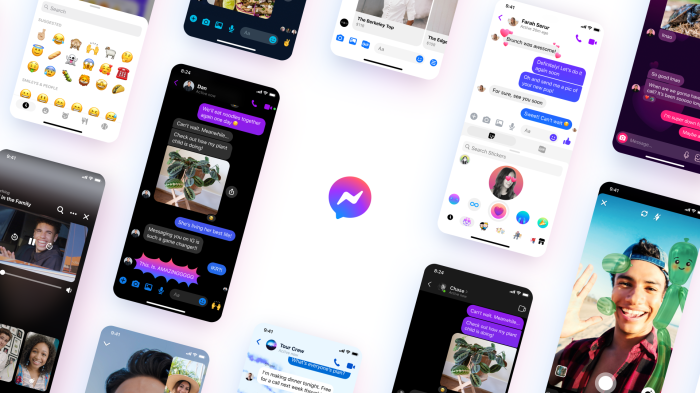


Facebook to merge Messenger, a move that could significantly reshape the social media and messaging landscape. This potential merger sparks a myriad of questions: how will the combined platform function? What are the potential benefits and drawbacks for users and businesses? What are the possible market reactions and competitor responses? This analysis delves into the background, motivations, challenges, impacts, alternative strategies, illustrative scenarios, and predicted market reactions surrounding this potential mega-merger.
The history of Facebook and Messenger, along with their current positions in the market, will be explored. The potential synergies, challenges, and impact on users and businesses will be analyzed. Different scenarios for a successful or failed merger, along with alternative strategies for Facebook, will be detailed. The overall market reaction and predictions for the future of social media and messaging will also be assessed.
Background of Facebook and Messenger

Facebook, initially conceived as a Harvard University social networking site, rapidly expanded its reach beyond the collegiate sphere. Its evolution has been marked by continuous innovation, incorporating new features and functionalities to cater to a global user base. The platform’s success is intrinsically linked to its ability to adapt to evolving user needs and technological advancements.Messenger, born from the need for a dedicated communication tool within the Facebook ecosystem, has become a crucial part of modern digital communication.
Its rise reflects the growing demand for instant messaging and the shift towards mobile-first communication. The integration of these two platforms highlights the importance of a holistic approach to social networking and messaging.
Facebook’s Evolution
Facebook’s journey began as a platform focused on connecting college students. Over time, it expanded to include high school students and then the general public. This evolution involved significant changes in design, features, and functionality. The platform has consistently adapted to technological advancements, from basic profiles to sophisticated algorithms, fostering a dynamic and ever-evolving social experience. This adaptability, combined with strategic acquisitions and partnerships, has solidified Facebook’s position as a dominant force in the digital landscape.
Messenger’s Development
Messenger emerged as a response to the increasing demand for a dedicated messaging application within the Facebook ecosystem. Initially a standalone app, it was integrated with Facebook’s core functionality, enabling seamless communication between users. The platform’s success stems from its ability to facilitate real-time communication, provide various features like video calls, and adapt to user preferences and behaviors. This evolution has led to the creation of a highly functional and widely used messaging service.
Facebook’s move to merge Messenger seems like a smart play, but it’s got me thinking about the potential impact on ad strategies. The increased user base could be a boon for advertisers, but the complexities of managing campaigns, especially with Google Ads AI Max automation, are causing some anxiety. For example, google ads ai max automation anxiety is a real concern for many businesses.
Ultimately, this merger might streamline Facebook’s platform, but how it affects ad targeting and overall user experience remains to be seen.
Current Market Position
Both Facebook and Messenger hold substantial market shares within their respective sectors. Facebook, with its extensive user base and diverse functionalities, is a major player in the social networking domain. Messenger, as a leading messaging application, enjoys a large user base and is a critical part of daily communication for many individuals. The close integration of these two platforms significantly strengthens their market presence.
Facebook’s planned Messenger merger is intriguing, but it also makes me think about the complexities of online advertising. Juggling the best practices of Google Ads, like finding the sweet spot between effective targeting and keeping costs reasonable, is crucial for any successful campaign, which is something to keep in mind with the Facebook Messenger integration. Ultimately, these kinds of mergers can either dramatically change the digital marketing landscape or not make much of a difference, depending on how they’re executed.
For a deeper dive into navigating the nuances of Google Ads, check out this helpful resource on google ads best practices good bad balancing act. The strategies discussed there could be very valuable for companies preparing for the potential impact of this Facebook-Messenger merger.
They continue to innovate, expanding their functionalities and improving user experience.
Key Features and Functionalities
Facebook’s key features encompass creating profiles, connecting with friends, sharing posts, and engaging in discussions. The platform provides diverse tools for content creation, from photos and videos to statuses and events. Its core functionality is centered on fostering social connections and disseminating information.Messenger’s core features revolve around instant messaging, video calling, and file sharing. The platform’s functionalities cater to real-time communication needs, facilitating quick and efficient interaction.
Messenger’s development has focused on delivering a seamless and intuitive experience for users, emphasizing direct communication and quick interactions.
Comparative Analysis of Facebook and Messenger
| Feature | Messenger | |
|---|---|---|
| User Base (Estimated) | 2.91 Billion Monthly Active Users (as of Q4 2022) | 1.3 Billion Daily Active Users (as of Q4 2022) |
| Engagement (Estimated) | High engagement with content creation and consumption. | High engagement with real-time communication and interactions. |
| Revenue (Estimated) | Over $87 Billion in 2022 | Revenue figures are not publicly available as a separate entity, but are part of Facebook’s revenue stream. |
The table above provides a comparative overview of Facebook and Messenger based on user base, engagement, and revenue estimates. The figures illustrate the significant scale and influence of both platforms within the digital ecosystem. Differences in engagement and revenue reflect their distinct functionalities and user needs.
Potential Motivations for a Merger: Facebook To Merge Messenger
The proposed merger of Facebook and Messenger presents a complex strategic landscape, raising numerous questions about the potential motivations driving this decision. Understanding the rationale behind this move requires examining the potential benefits across various facets of the business, from user experience to revenue generation. This exploration delves into the possible strategic advantages, synergies, and cost savings that could emerge from this integration.
Strategic Benefits of Combining Platforms
Combining Facebook and Messenger platforms offers several strategic benefits. One key advantage is the enhanced ability to deliver a unified and seamless user experience. This integration allows for a more cohesive flow of communication and interaction, improving user engagement and potentially driving increased usage across both platforms. Furthermore, it allows for the development of more innovative and integrated features, creating opportunities to enhance the existing services.
This potential integration of features would offer users a richer, more streamlined experience, allowing for easier transitions between communication and social interaction.
Potential Synergies and Cost Savings
A merger presents opportunities for significant cost savings and operational synergies. By consolidating infrastructure and resources, redundancies can be eliminated, leading to cost reductions in areas like server maintenance, customer support, and marketing. The shared user base and existing infrastructure could also create opportunities to streamline marketing campaigns and advertising strategies, leading to improved efficiency and lower overall marketing expenditures.
Moreover, the combined knowledge base and resources of both companies could create new economies of scale, potentially leading to greater efficiency and reduced costs.
Advantages in User Experience and Features
A unified platform offers significant advantages in terms of user experience and features. Users can expect a smoother transition between social networking and messaging, eliminating the need to switch applications. Furthermore, the merger can facilitate the development of new features and functionalities that leverage the strengths of both platforms. For example, integrated messaging features within the Facebook feed could streamline communication and interactions, potentially improving user engagement and creating a more cohesive social experience.
Facebook’s move to merge Messenger seems like a smart strategy, potentially streamlining user experience. However, the real impact might depend on how well they integrate it with other tools, such as salesforce crm, which is crucial for boosting sales velocity. salesforce crm increase sales velocity is a key area where this merger could really pay off, leading to a more efficient sales funnel.
Ultimately, Facebook’s ambition is to create a more comprehensive communication platform, and this merger is a step in that direction.
Improved user experience could be achieved through better integration of messaging, social networking, and commerce.
Potential Benefits for Advertising and Revenue Generation
The merger presents substantial potential for enhanced advertising and revenue generation. By combining the massive user base of Facebook with the robust communication features of Messenger, advertisers gain access to a more targeted and engaged audience. The integrated advertising platform allows for a more sophisticated approach to targeting and measuring campaign performance. Additionally, the merger could unlock new revenue streams by leveraging the combined data sets to offer more tailored advertising options, potentially increasing the overall effectiveness and profitability of advertising campaigns.
More detailed analytics and better targeting could lead to increased revenue for advertisers and Facebook.
Potential Advantages and Disadvantages of a Facebook-Messenger Merger
| Advantages | Disadvantages |
|---|---|
| Enhanced user experience and unified platform | Potential loss of unique Messenger features |
| Synergies and cost savings through infrastructure consolidation | Integration challenges and potential disruption to existing workflows |
| Improved advertising targeting and revenue opportunities | Potential for reduced user engagement due to feature overload |
| Increased user engagement and platform usage | Potential for conflicts between existing user bases and communities |
| New opportunities for innovation and feature development | Privacy concerns and data security issues |
Potential Challenges and Risks
The proposed merger of Facebook and Messenger, while potentially lucrative, presents a multitude of challenges. Successfully integrating two distinct platforms, each with its own user base and functionalities, will require meticulous planning and execution. Furthermore, the potential for disruptions to user experience, threats to privacy and data security, and regulatory hurdles cannot be ignored. Careful consideration of these risks is crucial to ensure a smooth and successful transition.
Integration Challenges
The integration of two platforms with different architectures, functionalities, and user interfaces will be a complex undertaking. Significant technical hurdles exist in harmonizing the existing codebases, databases, and user interfaces. This includes ensuring seamless data migration, compatibility across different platforms (web, mobile, desktop), and maintaining a consistent user experience. The sheer scale of the task, encompassing millions of users and billions of interactions, amplifies the complexity.
Consider the example of integrating different operating systems or merging two email platforms with unique designs and features. The potential for errors and unforeseen issues is significant.
Disruptions to User Experience, Facebook to merge messenger
The merger could lead to disruptions in user experience if not handled carefully. Users accustomed to the specific features and interfaces of each platform might experience frustration or confusion. A critical issue involves maintaining the existing functionality and user interface. The migration process could disrupt the familiarity and usability that users have come to expect. Potential disruption could range from subtle usability changes to major interface overhauls, impacting user satisfaction.
For instance, merging two distinct email clients with different user interface designs could lead to user confusion and reduced productivity.
Privacy and Data Security Risks
The merger necessitates robust safeguards to protect user privacy and data security. Combining the data sets of two platforms increases the potential attack surface. Concerns regarding data breaches, misuse of personal information, and compliance with privacy regulations must be addressed proactively. A unified platform might face increased scrutiny from regulatory bodies, leading to heightened compliance requirements and potential legal challenges.
Regulatory Compliance and Antitrust Concerns
The merger could face regulatory scrutiny and potential antitrust challenges. The combined market dominance of the merged entity could raise concerns about monopolistic practices and harm to competition. The merger may face significant regulatory hurdles and potential lawsuits from competitors or consumer advocacy groups. Regulatory bodies will likely scrutinize the merger to assess potential anti-competitive effects.
Potential Obstacles and Mitigating Strategies
| Potential Obstacles | Mitigating Strategies |
|---|---|
| Complex Integration | Phased approach, robust testing, expert teams, clear communication with users. |
| Disruptions to User Experience | Thorough user research, iterative design, transparent communication, feedback mechanisms. |
| Privacy and Data Security Concerns | Advanced security measures, compliance with data privacy regulations, transparent data handling policies. |
| Regulatory Compliance and Antitrust Issues | Thorough legal review, collaboration with regulatory bodies, robust documentation. |
| Maintaining Existing Functionality | Prioritize user feedback, focus on preserving existing functionality, incremental improvements |
Impact on Users and Businesses
The potential merger of Facebook and Messenger presents a significant shift in the digital landscape, impacting users and businesses in various ways. This merging of functionalities could lead to a more seamless user experience but also introduce new challenges for both consumers and corporations. Understanding these potential effects is crucial for navigating this evolving technological environment.The combined platform will undoubtedly affect how users interact with both services, and the integration of features will likely alter business strategies.
This change presents both opportunities and potential pitfalls, particularly for those businesses already heavily reliant on Facebook and Messenger marketing strategies.
Potential Effects on Facebook Users
The integration of Messenger into Facebook’s core platform will likely lead to a unified user experience. This means a streamlined interface for accessing both communication and social networking tools. Users may find it more convenient to manage their social interactions within the Facebook ecosystem. Features like group chats and direct messaging will likely become more integrated, potentially improving the efficiency of communication within existing social circles.
However, some users might find this unification overwhelming, leading to a potential decrease in use if the platform feels overly cluttered.
Potential Effects on Messenger Users
Messenger users will experience a significant shift in their platform’s role. With integration into Facebook, the core messaging platform could potentially become more focused on direct interaction within the Facebook ecosystem. This integration might also result in a more comprehensive approach to advertising, potentially delivering targeted messaging directly to users’ inboxes. The current standalone Messenger experience could potentially be subsumed into Facebook’s broader platform, impacting the independent messaging features that Messenger currently offers.
Potential Effects on Businesses Using Both Platforms
Businesses utilizing both Facebook and Messenger will face a crucial period of adaptation. A merged platform could offer a more streamlined marketing approach, allowing businesses to integrate advertising and messaging strategies more effectively. This could lead to more targeted campaigns and improved customer engagement. However, businesses may need to adjust their strategies to leverage the new combined platform’s functionalities, potentially leading to a learning curve.
Potential Changes in Marketing Strategies for Businesses
Businesses will need to re-evaluate their marketing strategies in light of the platform’s merger. Integrated advertising and messaging will likely be a core component of successful campaigns. Targeted advertising within Messenger could reach specific customer segments more effectively. Businesses may also need to adjust their content strategy to optimize their messaging across the unified platform, focusing on the overall user experience.
Understanding the specific changes in user engagement will be crucial for developing successful strategies.
Table Demonstrating Potential Changes in User Behavior and Engagement
| Aspect | Pre-Merger | Post-Merger (Potential) |
|---|---|---|
| User Interface | Separate platforms for Facebook and Messenger | Unified interface for social networking and messaging |
| Engagement Frequency | Independent use of each platform | Potentially increased engagement due to unified experience or decreased engagement due to clutter |
| Marketing Strategies | Separate marketing campaigns for each platform | Integrated marketing campaigns across the unified platform |
| Customer Service | Separate channels for customer service on each platform | Unified customer service channel within the integrated platform |
| Business Impact | Distinct marketing strategies for each platform | Need to adjust marketing strategies to the unified platform |
Alternative Strategies
Facebook’s messaging ambitions extend beyond a simple merger with Messenger. A comprehensive approach to enhancing its messaging ecosystem requires a multifaceted strategy that considers user needs, competitive pressures, and potential market disruptions. Instead of solely pursuing a merger, Facebook could explore various alternative avenues to bolster its messaging services and solidify its position in the digital communication landscape.
Strengthening Existing Messaging Services
Facebook’s existing messaging platforms offer a significant foundation for expansion. Focusing on enhancing core functionalities and addressing user pain points can yield substantial improvements without a merger. User experience is paramount. Addressing issues like latency, message delivery reliability, and user interface design can significantly improve the appeal and utility of the current services. Integration of AI-powered features, such as automated customer service or advanced message organization, can also enhance user satisfaction and engagement.
Developing New Messaging Features
Innovation is key in the ever-evolving digital world. Facebook could explore new messaging features to attract users and differentiate its services from competitors. This could include the introduction of immersive communication options, such as interactive video calls with advanced features, virtual reality integration, and augmented reality overlays to enhance messaging experiences. Integrating features like secure file sharing, end-to-end encryption for enhanced privacy, and advanced group chat capabilities are all areas ripe for development.

These new features can cater to diverse user needs and create new avenues for engagement.
Expanding Messaging Ecosystem Reach
Expanding the reach of Facebook’s messaging services across other platforms and applications could unlock new user bases. This could involve integrating messaging features into existing Facebook products like Instagram or WhatsApp, allowing seamless communication across different social networks. Integrating messaging directly into Facebook’s metaverse or other virtual environments could be another avenue for expanding the ecosystem’s reach. Such expansion would allow users to communicate in a wider variety of contexts, fostering greater engagement.
Improving Interoperability and API Integration
Interoperability with other messaging platforms and applications is crucial for creating a more comprehensive and user-friendly ecosystem. Improving API integrations will allow for greater flexibility in developing third-party applications that leverage Facebook’s messaging infrastructure. This allows developers to create tailored messaging solutions and enhance the overall user experience. Examples of third-party applications could include productivity tools, gaming platforms, and business communication platforms.
Improving interoperability with non-Facebook platforms, such as SMS or other messaging services, could create a more comprehensive and convenient experience for users.
Evaluating Alternative Strategies’ Effectiveness
Evaluating alternative strategies against the potential benefits of a merger requires a comprehensive cost-benefit analysis. Focusing on specific areas like user experience, innovation, and ecosystem expansion can reveal the long-term viability of alternative approaches. The effectiveness of alternative strategies hinges on Facebook’s ability to execute on these plans, implement them efficiently, and adapt to changing user demands. Comparing the cost of development and implementation with the potential user acquisition and engagement outcomes of a merger will be critical in the decision-making process.
Illustrative Scenarios
The Facebook-Messenger merger, a significant undertaking, presents a wide spectrum of potential outcomes. Understanding these scenarios is crucial for evaluating the potential impact on users, businesses, and the broader tech landscape. From a successful integration to a disruptive failure, the consequences can vary dramatically.
Successful Merger Scenario
This scenario envisions a seamless integration of Facebook and Messenger, leading to a powerful, unified platform. A key aspect of success would be the creation of a unified user experience, making it easier for users to access and utilize both platforms’ features.
- Enhanced User Experience: A consolidated platform allows users to access all messaging, communication, and social networking features within a single interface. This streamlining reduces the cognitive load and frustration of switching between applications, ultimately leading to a more positive user experience.
- Increased Revenue Streams: Combined user bases and unified features unlock new revenue opportunities, potentially through innovative advertising models and premium subscription tiers. The synergy of data from both platforms allows for more targeted and effective advertising, boosting revenue. Increased engagement and retention of users could lead to an increase in monetization from the expanded platform.
- Market Share Expansion: A unified platform potentially captures a larger market share, consolidating the existing user base and attracting new users who may find the combined platform more appealing and convenient.
Failed Merger Scenario
A failed merger scenario could result in significant disruptions and losses for Facebook. In this instance, a failure to integrate core functionalities or maintain user trust could be disastrous.
- Disrupted User Experience: A poorly integrated platform with clunky navigation, conflicting features, and a lack of seamless integration could severely damage the user experience. The user might encounter problems when switching between applications or accessing specific features, leading to frustration and churn.
- Revenue Decline: The loss of user trust and a poor user experience could result in a significant drop in user engagement and revenue. This is compounded by the loss of potential revenue streams from advertising and premium services. Advertising effectiveness may decrease, as users may be less engaged with the platform.
- Loss of Market Share: User frustration and the failure to capture new users could lead to a substantial loss of market share to competitors offering better user experiences. This loss could be accelerated by the departure of key personnel or users.
Positive Impact on User Experience Scenario
This scenario focuses on the improvement of the user experience through the merger.
- Seamless Messaging Across Platforms: Users can easily transition between Facebook and Messenger without disrupting their conversations. This seamless integration allows for consistent communication and interaction.
- Enhanced Collaboration Features: The merger enables more robust collaboration tools, integrating messaging, file sharing, and other features to facilitate smoother teamwork and communication within groups and teams.
- Personalized Recommendations: Combined data allows for more accurate and personalized recommendations, enhancing user engagement and satisfaction.
Disruption from a Failed Merger Scenario
A failed merger could lead to significant market disruption and damage the reputation of both Facebook and Messenger.
- Loss of User Trust: A failed merger can damage the trust users have in Facebook and Messenger. This could lead to a significant loss of user base.
- Competitor Advantage: Competitors can exploit the situation by attracting disgruntled users and capitalizing on the disruption. Their improved user experience and features may attract former users.
- Negative Public Perception: A failed merger can negatively impact the public perception of Facebook and its leadership. This could lead to a decline in brand reputation and investor confidence.
Market Reaction and Predictions
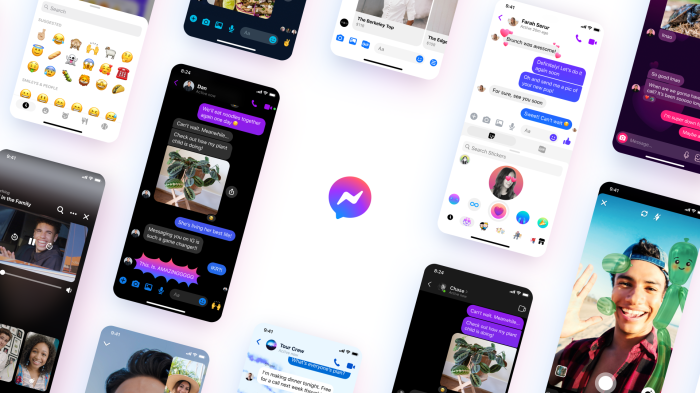
The merger of Facebook and Messenger presents a fascinating case study in market dynamics. Anticipation and speculation will likely dominate the initial reaction, with investors, users, and competitors closely watching for any indication of how this combined entity will operate. Understanding the potential market reactions is crucial for businesses navigating this evolving landscape.
Potential Market Reactions to the Merger Announcement
Initial investor response will likely be mixed, influenced by concerns about potential antitrust issues, operational synergies, and the impact on user privacy. A significant short-term stock price fluctuation is probable. Public sentiment, influenced by news coverage and social media chatter, will be an important factor. User reactions will range from cautious acceptance to outright apprehension, particularly regarding data privacy and the potential for unified platforms to be less user-friendly.
Predicted Changes in Market Share and User Behavior
A merger of this magnitude could trigger a reshuffling of market share in the social media and messaging sector. Existing competitors like Twitter, Instagram, and other messaging apps will likely see an immediate surge in user interest as they seek alternative platforms. However, the long-term effects are complex and depend on the execution of the merger. Some users might shift to competitors, while others might remain loyal to the combined entity.
The integration of features and services will be key to maintaining user loyalty and attracting new users.
Potential Opportunities for Competitors
The merger presents opportunities for competitors to gain market share by highlighting perceived advantages, such as greater privacy controls, more specialized features, or a less intrusive user experience. This is especially true for competitors focusing on privacy and user control. They can capitalize on potential user anxieties surrounding data consolidation and create marketing campaigns highlighting their strengths. They could emphasize their commitment to user data protection.
Potential Reactions from Competitors in the Social Media and Messaging Space
Competitors are likely to respond in a variety of ways. Some may enhance their product offerings, highlighting their own features and user-friendliness. Others might initiate aggressive marketing campaigns to attract users apprehensive about the merger. There could be legal challenges filed, raising concerns about antitrust issues. We might see a flurry of strategic partnerships between competitors.
Summary Table of Predicted Market Reactions and Potential Competitor Responses
| Market Reaction | Potential Competitor Response |
|---|---|
| Positive investor reaction, initial stock price increase | Competitors might enhance existing offerings to highlight their features, initiate marketing campaigns focusing on user privacy. |
| Negative investor reaction, initial stock price decrease | Competitors might offer strategic partnerships to enhance their value proposition, launch aggressive marketing campaigns. |
| User apprehension regarding data privacy | Competitors will emphasize their privacy-focused features and policies. |
| Shifting user behavior toward competitors | Competitors may target users apprehensive about the merger with promotional offers or specific privacy-focused messaging. |
Final Wrap-Up
The potential Facebook-Messenger merger presents a complex interplay of opportunities and risks. While a successful integration could create a powerful, unified platform, challenges related to user experience, privacy, and competition must be carefully considered. Alternative strategies and scenarios highlight the critical need for careful planning and execution. The future of messaging and social media hinges on how this potential merger unfolds.
The ultimate impact on users, businesses, and the broader market remains to be seen.