

WordPress url redirection a guide on how to redirect urls – WordPress URL redirection: a guide on how to redirect URLs. Mastering URL redirects is crucial for maintaining a healthy and user-friendly website. Understanding the different types of redirects (301, 302, etc.) and their implications is key. This guide will walk you through the process, from basic implementations to advanced techniques, covering everything from troubleshooting common errors to testing and monitoring redirects.
We’ll explore various methods for redirecting URLs within WordPress, including using built-in tools and popular plugins. The guide also delves into specific scenarios, such as redirecting outdated content, broken links, or URLs after a website redesign or migration. We’ll provide practical steps and examples for each situation, helping you confidently navigate the world of URL redirection.
Introduction to URL Redirection
URL redirection is a fundamental aspect of website maintenance and management. It involves changing one web address (URL) to another. This seemingly simple act has significant implications for both user experience and search engine optimization (). Proper redirection ensures users and search engines are directed to the correct, updated content, preventing broken links and maintaining a seamless online presence.Redirection is crucial for maintaining a website’s integrity and functionality.
Without it, users might encounter broken links, leading to frustrating dead ends, and search engines might struggle to understand the site’s structure, impacting its ranking. By strategically employing redirection techniques, website owners can maintain a consistent and user-friendly experience.
Types of URL Redirection
Different types of URL redirection serve various purposes, impacting how users and search engines are directed. Understanding the nuances of these types is essential for implementing effective redirection strategies.
Ever wrestled with WordPress URL redirection? Understanding how buyers buy is key to crafting effective marketing strategies, and that includes understanding how to redirect URLs correctly. For example, if you’re updating your site, knowing how to redirect old URLs to new ones is crucial for SEO and user experience. A well-structured guide on this topic will be invaluable for any business.
Fortunately, learning about how buyers buy – like the changing trends in buyer behavior, for example, as discussed in this insightful piece how buyers buy 3 trends in buyer behavior that every technology and software firm should consider – can inform how you structure your redirects to best meet your target audience’s needs. Ultimately, mastering WordPress URL redirection will streamline your website and improve its overall performance.
- 301 Redirection (Permanent): This code signifies a permanent move of a webpage to a new location. It’s the preferred choice when a URL is permanently changed, like moving a page to a new address or merging content. Search engines interpret this as a clear signal that the content has been relocated, and they update their indexes accordingly. A good example is when a company rebrands and wants to redirect all their old URLs to their new domain.
- 302 Redirection (Temporary): This code indicates a temporary change in the URL. It’s used for short-term adjustments, like during website maintenance or updates. Search engines treat this as a temporary move, not necessarily impacting the original page’s ranking in the long term. For example, a site might temporarily redirect users to a maintenance page while they update their platform.
- 307 Redirection (Temporary Redirect): Similar to 302, this code indicates a temporary redirect. However, it instructs the browser to not cache the original URL, meaning users will not be able to revisit the original URL through the browser’s back button.
- 308 Redirection (Permanent Redirect): This code is similar to a 301 redirect, indicating a permanent move. The primary difference is that it prevents caching of the original URL, ensuring a permanent change is communicated effectively to the user and search engines.
Common Scenarios Requiring URL Redirection
URL redirection is necessary in numerous situations, ranging from website maintenance to best practices.
- Website Redesign or Reorganization: When a website undergoes a major redesign, redirecting old URLs to the new ones is critical. This prevents broken links and ensures that users and search engines are sent to the updated pages.
- Content Merging or Consolidation: Combining multiple pages into a single, more comprehensive page requires redirection to avoid losing valuable content and improve user experience.
- Domain Name Changes: If a website changes its domain name, redirecting all old URLs to the new domain is vital for maintaining user traffic and ranking.
- 404 Error Prevention: Redirecting old or removed URLs to relevant, active content prevents users from encountering 404 error pages. This enhances the website’s usability and provides a better experience for users.
Impact on User Experience and
URL redirection plays a vital role in enhancing both user experience and search engine optimization.
- Improved User Experience: By automatically redirecting users to the correct pages, redirection eliminates frustrating 404 errors and broken links. This leads to a smoother user journey and improves the overall user experience.
- Enhanced : Redirection is crucial for because it prevents search engines from indexing outdated or incorrect content. This helps maintain a clear and up-to-date website structure, which positively impacts search engine rankings.
Redirection Codes and Use Cases
A table outlining various redirection codes and their associated use cases:
| Redirection Code | Description | Use Case |
|---|---|---|
| 301 | Permanent redirect | Moving content permanently, merging pages, domain changes |
| 302 | Temporary redirect | Website maintenance, temporary promotions, testing |
| 307 | Temporary redirect (no caching) | Similar to 302, but avoids caching of original URL |
| 308 | Permanent redirect (no caching) | Permanent move with avoidance of caching original URL |
WordPress URL Redirection Methods
Redirecting URLs in WordPress is crucial for maintaining and user experience. Outdated or broken links can hurt your website’s ranking and frustrate visitors. Effective redirection strategies ensure a seamless transition for both users and search engines.Different methods exist for handling URL changes within WordPress, ranging from simple built-in tools to powerful plugins. Understanding these options empowers you to choose the best approach for your specific needs, whether it’s a minor update or a significant site restructuring.
Built-in WordPress Redirection Tools
WordPress offers built-in capabilities for handling basic URL redirects. This approach is often sufficient for simple scenarios, but may lack the flexibility of dedicated plugins for more complex needs. These tools are part of the core WordPress functionality and usually require minimal setup.
Using the Built-in Redirection Features
The built-in WordPress redirection tools typically utilize .htaccess files. This file, a configuration file for Apache web servers, is responsible for handling various aspects of how the website operates. Modifying this file directly can be complex, especially for users unfamiliar with server configuration. Care must be taken to avoid errors that could break your website.
Plugins Versus Built-in Methods
Plugins offer a more user-friendly and flexible approach to URL redirection. They often provide a graphical interface, simplifying the redirection process. This is especially helpful for non-technical users or those managing complex redirection tasks. Conversely, built-in methods may be sufficient for straightforward redirects, but plugins are generally preferred for advanced or dynamic redirection needs.
Using a Redirection Plugin
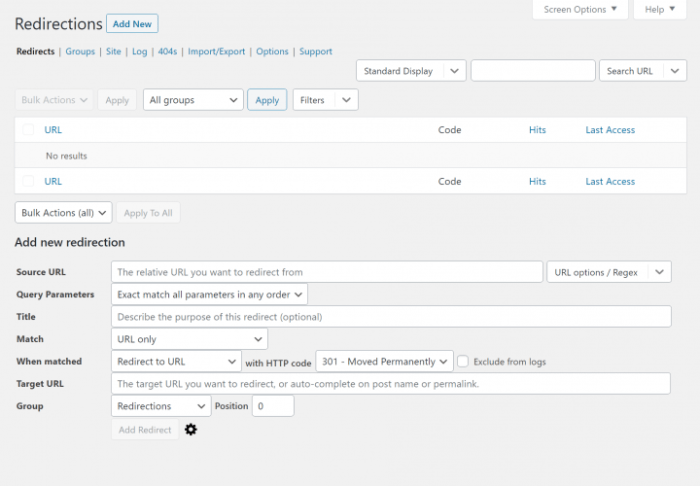
Redirection plugins offer a graphical user interface, allowing you to create and manage redirects without directly editing server files. This approach significantly simplifies the process, making it accessible to users with varying technical backgrounds. The specific steps vary depending on the chosen plugin, but generally involve selecting the redirect type (permanent, temporary, etc.), specifying the old and new URLs, and saving the settings.
Popular URL Redirection Plugins
Several popular plugins provide comprehensive URL redirection functionality. These plugins usually offer a variety of features, including the ability to create 301 redirects, manage complex redirection rules, and integrate with other WordPress tools. Choosing the right plugin depends on your specific requirements and technical expertise.
Comparison of Redirection Plugins
| Plugin | Key Features | Pros | Cons |
|---|---|---|---|
| Redirection | 301 redirects, 302 redirects, custom rules, support for different redirect types | Versatile, user-friendly interface | Can be complex for beginners |
| Yoast | Built-in redirect management, integrates with tools | Streamlined management | May not be ideal for redirection-heavy websites |
| Redirection by Rank Math | Integrates with Rank Math , simplified redirection | Seamless integration | Limited features compared to dedicated redirection plugins |
Implementing Redirects in WordPress
Welcome back to our WordPress URL redirection series! Now, let’s dive into the practical side of setting up these redirects within your WordPress website. We’ll cover both permanent and temporary redirects, using WordPress’s built-in tools and popular plugins, along with troubleshooting common issues. This comprehensive guide ensures you can smoothly manage your website’s URL structure.Understanding how redirects work is crucial for maintaining a seamless user experience and preserving search engine rankings.
Correctly implemented redirects prevent broken links and ensure that users and search engines are directed to the intended destination.
Implementing 301 Redirects
redirects are used when a URL is permanently moved to a new location. This is essential for preserving search engine rankings and avoiding broken links. WordPress offers several methods for implementing 301 redirects.
- Using the built-in tools: WordPress’s built-in redirection options are ideal for simple, one-time redirects. You can find these settings within the WordPress dashboard. This often involves adding a rule to redirect a specific URL to another one. The process is generally user-friendly and intuitive. However, for complex redirect scenarios, a dedicated plugin might be more efficient.
- Utilizing plugins: Numerous plugins provide a more comprehensive and flexible approach to redirect management. They often offer advanced features, such as redirecting multiple URLs or using more complex rules. Popular plugins like Redirection or Yoast provide options for setting up 301 redirects. These plugins offer more robust controls and often allow you to specify the redirection criteria more precisely.
Implementing 302 Redirects
redirects are temporary redirects, used when a URL is moved to a new location temporarily. These are useful for maintenance or promotional campaigns. After the temporary redirection, the original URL can be reinstated. For example, a page under construction might temporarily redirect to a placeholder page.
- Using the built-in tools: Implementing 302 redirects through WordPress’s built-in tools is similar to 301 redirects. The difference lies in the redirect type selected within the settings. The procedure involves specifying the temporary URL and the original URL. This is a straightforward process for simple temporary redirects.
- Using plugins: Similar to 301 redirects, plugins offer greater flexibility and control over temporary redirects. You can create more complex redirection rules, making the process more efficient and less prone to errors.
Step-by-Step Guide for Creating Redirects
This table Artikels the general steps for implementing redirects using different methods. The specifics may vary depending on the chosen tool or plugin.
| Method | Step 1 | Step 2 | Step 3 |
|---|---|---|---|
| Built-in Tools | Access the Permalinks settings. | Select the redirect type (301 or 302). | Enter the source URL and destination URL. |
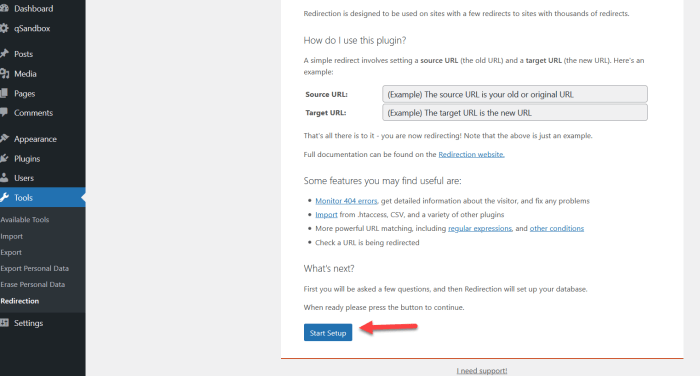
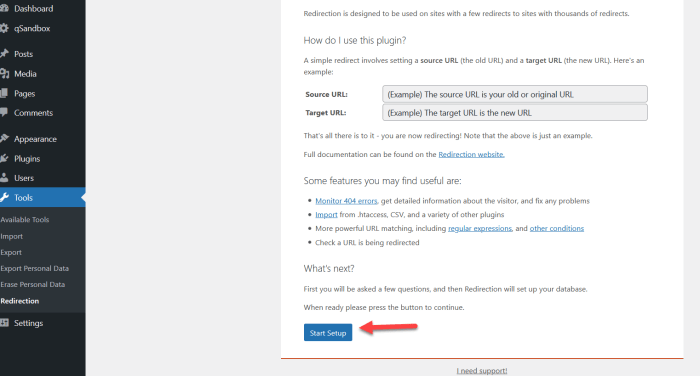
| Redirection Plugin | Install and activate the plugin. | Navigate to the plugin’s redirect settings. | Define the redirect rules (source and destination URLs). |
Troubleshooting Redirection Errors
Common redirection errors include incorrect URLs, missing redirects, or conflicts with other plugins. Checking for typos in the source and destination URLs, ensuring the redirect is correctly configured, and reviewing any conflicting plugin settings can help resolve these issues. A thorough review of your plugin configurations is essential for preventing any conflicting rules.
Advanced URL Redirection Techniques
Diving deeper into URL redirection, we encounter more sophisticated methods that cater to specific needs and enhance . These techniques go beyond simple 301 redirects, allowing for more granular control and complex scenarios. Mastering these advanced methods is crucial for maintaining a smooth user experience and optimal search engine visibility.
Redirect Chains and Their Impact on
Redirect chains occur when a series of redirects are used to send users from one URL to another, and then to another, and so on. While technically feasible, excessive redirect chains can negatively impact . Each redirect introduces latency and potentially distorts the user experience, which can negatively affect search engine crawlers. Furthermore, search engines might not fully understand the final destination if the chain is too long.
Maintaining a direct path to the target URL is often the most effective approach for preserving . Shortening the redirect chain is crucial for a positive user experience and proper indexing.
Redirecting URLs with Parameters
URLs often incorporate parameters to provide additional context, like identifying specific product variations or filtering search results. Handling redirects that include parameters requires careful consideration to ensure the redirect is effective and maintains the intended context. Dynamic redirects can be implemented to accurately reflect changes in the URL structure and maintain the original context of the parameters. A proper approach to parameter handling is essential to avoid breaking existing links or confusing users.
WordPress URL redirection can be tricky, but a good guide on how to redirect URLs can be a lifesaver. Understanding how to handle these redirects often involves problem-solving, which is crucial for any website owner. For instance, a thorough review of a problem solving case study could highlight common redirection issues and provide helpful strategies for troubleshooting.
Ultimately, mastering URL redirects is a key part of maintaining a smoothly functioning WordPress site.
For instance, a product page with a parameter for color should maintain that parameter in the redirection to ensure users land on the correct product variant.
Redirecting to External URLs
Redirecting to external websites is a common task. Ensuring the redirect is handled correctly is crucial to maintain a smooth user experience. External redirects often require additional verification to avoid issues with the external website or potential redirects to malicious websites. Implementing 301 redirects to external websites can often be done through WordPress plugins or using custom code, which requires an understanding of external site compatibility and verification.
Carefully verifying the target URL and implementing appropriate HTTP headers is essential for successful external redirects.
Redirecting for Specific Content Types
Different content types may require different redirect strategies. For example, redirecting outdated blog posts or product pages should be handled differently than redirecting an entire category of products. Specific redirects for various content types are crucial to maintaining site integrity and . Categorizing the type of content being redirected, like old blog posts, product pages, or categories, is crucial for appropriate handling.
Using the correct redirect method for each specific content type is key to preserving user experience and maintaining a smooth site navigation.
Creating Redirects for Specific Content Types
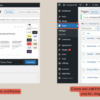
Redirecting specific content types, such as blog posts or products, requires careful consideration of the redirection method. This allows for precise control over how users are navigated to the correct resources. For example, when a blog post is moved or archived, a redirect is required to maintain the link structure and maintain . Different content types might have different redirect requirements, which necessitates tailoring the redirection method accordingly.
Best Practices for Implementing Advanced Redirection Techniques
Several best practices ensure smooth redirection implementation. Using the appropriate HTTP status code for each redirection is paramount. Employing a robust testing process to verify the effectiveness of the redirects across various scenarios and user agents is crucial. Thorough testing and verification ensure the smooth operation of the redirection process. Monitoring redirects regularly to identify and resolve any potential issues is essential to maintain the site’s functionality.
Using plugins and tools for monitoring redirection effectiveness is a best practice.
Table Comparing and Contrasting Advanced Redirection Scenarios
| Redirection Scenario | Method | Impact on | Example |
|---|---|---|---|
| Redirect Chain | Series of redirects | Potentially negative, especially with multiple redirects | pageA -> pageB -> pageC |
| Parameter Redirection | Dynamic redirect handling parameters | Preserves context, positive if implemented correctly | product?color=red -> product-red |
| External Redirect | Redirect to external website | Requires verification, external site status may impact | product-page -> external-website.com/product |
| Content Type Redirect | Specific redirect for content types | Maintains integrity, positive impact on | old-blog-post -> new-blog-post |
Redirection for Specific Scenarios
URL redirection isn’t just about changing a broken link; it’s a crucial aspect of maintaining a healthy and user-friendly website. Different scenarios necessitate tailored redirection strategies. Understanding these specific needs allows you to ensure a seamless user experience and maintain optimal search engine rankings.Redirection techniques adapt to various circumstances, from outdated content to website migrations. Careful planning and implementation are essential to prevent lost traffic and maintain a positive user experience.
Redirecting Outdated Content
Outdated content can negatively impact user experience and . Proper redirection ensures users are seamlessly directed to the most current and relevant information. This prevents broken links and maintains a positive user experience.Redirecting outdated content involves identifying the pages to be redirected and setting up 301 redirects. A 301 redirect is the standard method for permanent moves, ensuring search engines and users are aware of the change.
Tools like the WordPress plugin “Redirection” facilitate the process by allowing you to define specific rules. This process involves matching old URLs to their new counterparts.
Redirecting Broken Links
Broken links are a common issue on websites, leading to frustrating user experiences and potential penalties. Identifying and fixing broken links is crucial for website health.Identifying broken links can be done manually or using specialized tools. Automated tools scan your website and report broken links, making the process significantly more efficient. Once identified, implement 301 redirects from the broken link to the correct destination.
Redirecting URLs After a Website Redesign
A website redesign presents an opportunity to improve user experience and . Redirecting old URLs to new ones is a crucial part of this process. This ensures that users and search engines can find the new versions of the content.Proper redirection during a redesign prevents losing existing traffic and maintaining a positive user experience. Implementing 301 redirects from the old URLs to the new ones ensures a smooth transition for users and search engines.
Redirecting URLs for Purposes
Redirecting URLs for purposes can improve user experience and help maintain or improve search engine rankings. Proper implementation of redirection strategies is essential.For example, if you have a page with multiple s and want to combine them into a single page, a 301 redirect can help consolidate ranking signals. Similarly, redirecting to a more relevant page can improve the quality of content and improve user engagement.
Ever wrestled with WordPress URL redirection? Knowing how to properly redirect URLs is crucial for SEO, and a solid understanding of outbound marketing techniques, like those detailed in the power of outbound marketing a complete guide , can actually help with this. Ultimately, mastering URL redirects in WordPress ensures a smooth user experience and keeps your site running efficiently.
Handling Redirects After Migrating a Website
Website migration requires careful redirection planning to avoid losing traffic and search engine rankings. Redirecting old URLs to the new ones is critical.A well-structured redirect plan is essential to ensure a seamless transition. Utilize a combination of methods, such as 301 redirects for permanent changes, to ensure a smooth transition.
Table of Common Redirection Scenarios, WordPress url redirection a guide on how to redirect urls
| Scenario | Redirection Type | Description |
|---|---|---|
| Outdated Content | 301 Redirect | Permanently redirect users to the updated page. |
| Broken Links | 301 Redirect | Redirect users to the correct page. |
| Website Redesign | 301 Redirect | Redirect old URLs to new, updated pages. |
| Optimization | 301 Redirect | Consolidate multiple pages to a single, improved page. |
| Website Migration | 301 Redirect | Redirect old URLs to the new website’s corresponding pages. |
Testing and Monitoring Redirects: WordPress Url Redirection A Guide On How To Redirect Urls
Ensuring your WordPress redirects function flawlessly is crucial for maintaining a smooth user experience and preserving your website’s . This phase involves actively testing the redirects to identify any potential issues and monitoring their performance over time to ensure they continue to work as expected. Thorough testing and monitoring can prevent frustrating user experiences and maintain optimal search engine rankings.A well-designed testing and monitoring process proactively addresses broken redirects, enabling swift corrections and preventing any negative impacts on your site.
This proactive approach minimizes disruptions to your website and preserves its overall performance.
Testing URL Redirects
A robust testing strategy is essential for verifying the correctness and effectiveness of your redirects. This involves systematically checking each redirect to confirm it’s functioning as intended. It should include different methods of testing to cover various scenarios. A key element is checking redirects for different user agents and devices, mimicking real-world scenarios.
Using Tools for Monitoring Redirect Effectiveness
Numerous tools are available to track the performance of your redirects. These tools provide valuable insights into redirect behavior, helping identify any issues before they impact users. Monitoring tools allow for the continuous tracking of redirect success rates and any anomalies.
Identifying and Fixing Broken Redirects
Regular checks are vital to pinpoint broken redirects promptly. A combination of manual checks and automated tools helps pinpoint the root cause of the issues. This systematic approach ensures that broken redirects are addressed promptly, minimizing potential repercussions and user frustration. By carefully analyzing logs and using tools designed for this task, you can rapidly isolate the problematic redirects and implement appropriate fixes.
Tracking Redirection Statistics
Tracking redirection statistics provides a comprehensive overview of redirect performance. This data offers valuable insights into how redirects are performing, allowing you to identify patterns and potential issues. Key metrics include the number of successful redirects, failed redirects, and the time taken for each redirect. These metrics enable a deeper understanding of the redirect process.
Regular Review and Update of Redirects
Regular reviews and updates to your redirects are essential for maintaining optimal performance. Website structure changes, content updates, and other developments can lead to redirect issues. Proactive review ensures the effectiveness of redirects, and addresses any issues that may arise. This ongoing maintenance ensures the longevity of your redirects and the overall functionality of your site.
Redirect Testing and Monitoring Tools
A summary of various tools used for testing and monitoring redirects is presented in the table below. This table provides a comparative overview of different tools and their key features.
| Tool | Description | Pros | Cons |
|---|---|---|---|
| Google Search Console | Provides insights into crawl errors and redirect issues. | Free, comprehensive data on crawl errors. | Limited specific redirect testing capabilities. |
| Redirection Monitoring Tools (e.g., Redirect Master, 301 Redirect Checker) | Specialized tools designed to specifically test and monitor redirects. | Detailed redirect testing, often with specific data points on success and failure. | Typically require paid subscriptions. |
| WebPageTest | Comprehensive performance testing, including redirect performance. | Allows for detailed analysis of redirect latency. | May not be solely focused on redirect testing. |
| HTTP Status Code Checker Tools | Simple tools for checking the status codes of specific URLs. | Quick checks of HTTP responses, easy to use. | Limited analysis compared to dedicated redirect tools. |
End of Discussion
In conclusion, this comprehensive guide to WordPress URL redirection equips you with the knowledge and tools to manage your website’s URLs effectively. By understanding the different types of redirects, the various methods available within WordPress, and the specific scenarios requiring redirection, you can optimize your site for both user experience and search engine optimization. Remember to thoroughly test and monitor your redirects to ensure seamless functionality and maintain a positive online presence.