
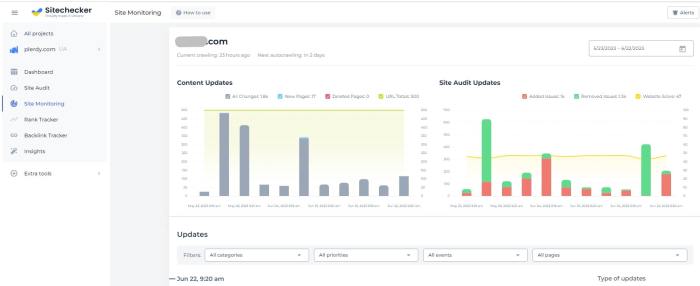

What do seo platforms do do you need one – What do platforms do? Do you need one? This question is crucial for anyone looking to improve their website’s visibility in search engine results. platforms offer a suite of tools to optimize your site for search engines, making it easier for potential customers to find you. They automate tasks, analyze data, and provide insights that can dramatically improve your website’s performance.
But, are these platforms worth the investment? Let’s dive into the world of platforms and explore their features, benefits, and alternatives.
From defining what platforms are to examining various types, this comprehensive guide will answer the question of whether an platform is right for your website. We’ll cover core functions, benefits, identifying needs, alternatives, and real-world examples, ultimately equipping you with the knowledge to make an informed decision.
Defining Platforms: What Do Seo Platforms Do Do You Need One
platforms are specialized software tools designed to streamline and optimize various aspects of search engine optimization (). They offer a comprehensive suite of features to help businesses and website owners improve their online visibility and organic search rankings. These platforms automate many tasks, allowing users to manage their efforts more efficiently and effectively.These platforms are not just a collection of individual tools; they integrate these tools into a cohesive system.
This integration allows users to track the impact of different strategies on their website’s performance in real-time. This holistic approach provides a clearer understanding of the effectiveness of their efforts, enabling data-driven decisions and adjustments to optimize results.
Platform Functionalities
platforms offer a wide array of functionalities to support different aspects of . They typically include tools for research, on-page optimization, link building, and technical audits. These tools can automate tedious tasks and provide insights into website performance. This automation is crucial for businesses to manage their online presence effectively.
- Research: Platforms provide tools for identifying relevant s and phrases that potential customers are using to search online. This is vital for targeting the right audience and optimizing content accordingly. They typically include tools to analyze search volume, competition, and related s.
- On-Page Optimization: platforms help analyze and optimize website content, meta descriptions, and title tags for improved search engine visibility. This is crucial for ensuring search engines understand the content and can rank it appropriately.
- Off-Page Optimization (Link Building): These platforms provide tools to track backlinks, identify potential link building opportunities, and monitor the effectiveness of link building campaigns. This is critical for establishing authority and driving traffic from other reputable websites.
- Technical Audits: Platforms often include tools for analyzing website technical aspects like site speed, mobile-friendliness, crawlability, and indexing. This is crucial for ensuring the website is technically sound for search engine spiders to crawl and index effectively.
Types of Platforms
platforms are broadly categorized into different types based on the specific aspects of they target. These platforms can be broadly categorized as on-page, off-page, and technical platforms.
- On-Page Platforms: These platforms focus on optimizing the content and structure of a website. This includes tools for research, content optimization, and meta tag management. On-page optimization aims to improve the website’s relevance to specific search queries.
- Off-Page Platforms: These platforms concentrate on building external links to a website. They assist in identifying and pursuing opportunities for acquiring backlinks from other relevant websites, thereby improving the website’s authority and visibility.
- Technical Platforms: These platforms focus on the technical aspects of a website, such as site speed, mobile-friendliness, and crawlability. Technical ensures the website is accessible and understandable by search engine crawlers.
Comparing Platform Types
| Platform Type | Features | Pricing Model |
|---|---|---|
| On-Page | research, content optimization, meta tag management | Subscription-based, typically tiered pricing based on features and user count |
| Off-Page | Backlink analysis, link building tools, competitor analysis | Subscription-based, tiered pricing based on features and user count |
| Technical | Site audits, mobile-friendliness checks, site speed analysis | Subscription-based, tiered pricing based on features and user count |
Core Functions of Platforms
platforms are powerful tools that streamline the complex process of optimizing websites for search engines. They automate many tasks, allowing businesses and individuals to focus on content creation and strategy rather than getting bogged down in technical details. These platforms offer a centralized hub for managing various aspects of , from research to rank tracking. platforms are designed to assist in improving search engine rankings by automating crucial tasks and providing data-driven insights.
This allows users to gain a competitive edge in the online marketplace. By analyzing website performance and identifying areas for improvement, these platforms empower users to implement strategies that yield higher visibility and ultimately, more organic traffic.
Key Tasks Handled by Platforms
platforms handle a wide range of tasks, from research and on-page optimization to off-page strategies and rank monitoring. These platforms act as a central command center, consolidating various tools and data points to give a holistic view of website performance. They automate repetitive tasks, freeing up valuable time and resources for other crucial marketing activities.
- Research: Platforms utilize algorithms and vast databases to identify relevant s for a particular niche. This helps users understand what terms their target audience is using when searching online. For example, a platform might identify “best Italian restaurants near me” as a high-volume for a restaurant business, enabling them to target that specific search query.
- On-Page Optimization: platforms help analyze website content, including meta descriptions, title tags, and header tags, to ensure optimal structure and clarity for search engines. This helps search engine crawlers understand the context of the page and rank it appropriately. For instance, a platform can highlight opportunities to improve the meta description to increase click-through rates from search results.
- Off-Page Optimization: platforms assist in building backlinks from reputable websites. These platforms monitor and analyze backlink profiles to identify opportunities for improvement. Backlinks from authoritative sources increase a website’s credibility and authority in the eyes of search engines, which in turn improves rankings. This might involve identifying websites that are relevant to the target audience and reaching out for potential link-building opportunities.
- Rank Tracking: platforms monitor website rankings for specific s across various search engines. This enables users to track progress, identify fluctuations, and adjust strategies as needed. Tracking rankings allows businesses to measure the effectiveness of their efforts and make data-driven decisions.
Improving Search Engine Rankings with Platforms
platforms facilitate improvements in search engine rankings by streamlining various tasks and providing data-driven insights. They analyze website data to identify areas needing improvement, automating many tedious aspects of . This efficiency leads to increased visibility and organic traffic.
- Performance Analysis: platforms analyze website performance, identifying areas where improvements can be made. This includes checking site speed, mobile-friendliness, and other critical factors that affect search engine rankings. For example, a platform may flag slow loading times on specific pages, prompting optimization for faster loading speeds.
- Content Optimization: Platforms offer tools to optimize content for search engines. This involves analyzing content for relevance, density, and other factors crucial for search engine rankings. For example, the platform can suggest modifications to existing content to better align with relevant s.
- Competitive Analysis: platforms enable comparison of a website’s performance with competitors. This allows users to identify opportunities to surpass their rivals in search engine results. A platform can provide data on competitor rankings and strategies, helping a website gain an edge.
Content Optimization with Platforms
platforms provide comprehensive tools for content optimization, enhancing content relevance and visibility to search engines. This involves analysis, suggestion, and implementation of improvements. By employing data-driven insights, these platforms help to optimize content for better search engine rankings.
- Integration: platforms suggest natural placement within content to enhance relevance. This ensures that the content aligns with the target s and improves visibility.
- Content Structure Optimization: Platforms suggest improvements to content structure, such as use of headings, subheadings, and bullet points. Improved structure aids readability and crawlability by search engine bots.
- Meta Description Optimization: Platforms help craft compelling meta descriptions that attract clicks from search engine results pages (SERPs). This helps improve click-through rates, leading to more traffic.
- Content Quality Assessment: Platforms often assess content quality, providing feedback on areas for improvement. This ensures content aligns with search engine quality guidelines and is suitable for users.
Step-by-Step Content Optimization Process
A typical content optimization process using an platform involves these steps:
- Research: Identify relevant s using the platform’s research tools.
- Content Analysis: Analyze existing content to understand its current performance and identify areas for improvement.
- Integration: Strategically incorporate identified s into the content, ensuring natural flow and context.
- Content Structure Optimization: Refine the content structure to enhance readability and crawlability.
- Meta Tag Optimization: Optimize meta descriptions and title tags for better visibility in search results.
- Content Quality Assessment: Review and refine the content based on platform feedback.
- Publish and Monitor: Publish the optimized content and monitor its performance using the platform’s rank tracking tools.
Tools and Their Functions
| Tool | Function |
|---|---|
| Research Tools | Identify relevant s, search volume, and competition |
| On-Page Optimization Tools | Analyze website content, suggest improvements, and optimize meta descriptions, title tags, and headers |
| Backlink Analysis Tools | Monitor and analyze backlink profiles, identify opportunities, and measure backlink quality |
| Rank Tracking Tools | Monitor website rankings for specific s across various search engines |
| Site Audit Tools | Analyze website performance, identify technical issues, and recommend improvements |
Benefits of Using Platforms

platforms are more than just tools; they’re strategic partners in the digital landscape. They streamline the complex process of website optimization, offering significant advantages for businesses of all sizes. By automating tasks and providing insightful data, these platforms empower website owners to achieve better search engine rankings, attract more visitors, and ultimately, drive more conversions.Utilizing an platform is akin to having a dedicated team of experts working behind the scenes.
They handle many time-consuming tasks, allowing you to focus on other crucial aspects of your business. The platform’s ability to track and analyze key metrics provides a clear picture of your website’s performance, enabling data-driven decisions for continuous improvement.
Time and Resource Savings
platforms automate many repetitive tasks, freeing up valuable time and resources. These platforms handle tasks like research, competitor analysis, and on-page optimization. This automation significantly reduces the workload and allows businesses to allocate their resources to other high-priority areas, such as product development or customer service. Instead of manually performing these tasks, businesses can focus on strategic planning and growth initiatives.
Increased Website Traffic and Conversions
platforms equip businesses with the tools to improve search engine rankings, resulting in increased organic traffic. Higher rankings translate to greater visibility, attracting more potential customers to your website. Moreover, optimized websites with improved user experience lead to higher conversion rates. For instance, a platform that identifies high-performing s can attract the right audience, thereby increasing the likelihood of conversions.
Improved User Experience
platforms contribute to improved user experience by facilitating website optimization. By analyzing user behavior and identifying areas for improvement, these platforms help to create a seamless and engaging user journey. For example, an platform might suggest improvements to site navigation or content organization, leading to a more intuitive and user-friendly website. This, in turn, can enhance customer satisfaction and encourage repeat visits.
Key Metrics for Tracking and Analysis
platforms provide robust tools for monitoring and analyzing various metrics critical to website success. These metrics provide valuable insights into the performance of strategies and facilitate continuous improvement. Platforms typically track rankings, organic traffic, click-through rates (CTRs), bounce rates, time on site, and conversion rates. These metrics allow you to understand what’s working, what’s not, and make data-driven adjustments to your strategy.
- Rankings: Tracking rankings helps businesses understand how well their website is performing for specific search terms. This allows them to identify s that are driving traffic and focus efforts on optimizing for those s. Monitoring changes in rankings allows for swift responses to fluctuations in search engine algorithms.
- Organic Traffic: This metric measures the number of visitors coming to the website through organic search results. Analyzing organic traffic reveals the effectiveness of strategies in attracting potential customers. High organic traffic indicates that the strategies are successful.
- Click-Through Rates (CTR): CTR measures the percentage of users who click on a website link in search results. High CTR signifies that the website’s title tags and meta descriptions effectively attract users. A lower CTR indicates a need to optimize these elements.
- Bounce Rate: This metric measures the percentage of visitors who leave the website after viewing only one page. A high bounce rate suggests that the website is not engaging users. Analyzing bounce rate data helps identify pages or elements that may need improvement.
- Time on Site: Time on site measures the average time visitors spend on the website. Higher time on site usually indicates that the website’s content is engaging and relevant to users. Improving time on site is crucial for improving user experience.
- Conversion Rates: This metric measures the percentage of website visitors who complete a desired action, such as making a purchase or filling out a form. High conversion rates indicate successful efforts in driving desired user actions. By analyzing conversion rates, businesses can identify strategies that convert visitors into customers.
Identifying Needs for Platforms
Choosing the right platform is crucial for any website aiming to improve its search engine rankings and drive organic traffic. A poorly selected platform can waste resources and hinder growth. Understanding your website’s specific needs and matching them to the features of available platforms is paramount to success.A thoughtful evaluation process considers your website’s current performance, future goals, and budget constraints.
It’s not just about finding the fanciest platform, but about finding the one that best supports your specific strategy and helps you achieve measurable results.
Criteria for Evaluating Platforms
Identifying the right platform hinges on a clear understanding of its capabilities and how they align with your website’s unique needs. Several factors are essential to consider when evaluating platforms. These include the platform’s features, pricing structure, customer support, and ease of use.
- Features: The platform’s suite of tools should directly address your specific needs. Features like research tools, backlink analysis, technical audits, and content optimization tools are crucial. A platform with robust reporting capabilities is also vital for tracking progress and making data-driven decisions.
- Pricing: Different platforms offer varying pricing models, from free basic plans to expensive enterprise packages. The pricing should be transparent and aligned with your budget and expected return on investment (ROI). A platform that costs more than your ROI potential is not a good fit.
- Customer Support: Technical support and onboarding are crucial, especially for complex tasks. Look for platforms that offer comprehensive documentation, readily available support channels, and responsive customer service teams. A platform that offers good support can save you a lot of time and headaches.
- Ease of Use: The platform should be intuitive and user-friendly, allowing you or your team to effectively utilize its tools. A complex platform will hinder your efforts. Choose a platform that is simple to navigate and understand.
Factors Influencing Platform Choice
Several factors influence the decision to use an platform. These include website size, complexity, budget, and desired outcomes. Matching the platform’s capabilities to these factors is crucial for success.
- Website Size and Complexity: A small blog requires a different platform than a large e-commerce site. A platform’s scalability should be considered to accommodate future growth. The platform should adapt to your website’s complexity and volume of content.
- Budget: Platforms have different pricing tiers. Consider the platform’s cost relative to the expected ROI and your overall marketing budget. This will help you make a more informed decision.
- Desired Outcomes: The specific goals of your strategy should guide your choice. Are you focusing on brand awareness, lead generation, or sales? A platform should have tools to track and achieve these goals. Choose a platform that directly supports your specific objectives.
Comparing Platforms
Comparing platforms involves a detailed evaluation of their features, pricing, and support. This comparative analysis helps identify the platform best suited for your website’s needs.
- Feature Comparison: Create a table comparing the key features of different platforms. This table should include columns for research, competitor analysis, technical audits, content optimization, and reporting.
- Pricing Comparison: Analyze the pricing models of various platforms. Consider the cost per user, features included in different plans, and potential add-on costs. Compare the costs of each platform to your budget.
- Support and Documentation: Assess the availability and quality of customer support and documentation for each platform. Examine the responsiveness of their support teams and the comprehensiveness of their documentation. This ensures you can easily resolve issues.
Assessing Website Needs for Optimization
Evaluating your website’s specific needs is essential for selecting an appropriate platform. This involves analyzing your current website traffic, rankings, and technical performance.
- Analyze Current Performance: Use tools to examine your website’s current rankings, traffic sources, and technical issues. Understanding your website’s weaknesses will guide you to the right platform features.
- Identify Future Goals: Determine your website’s long-term goals. Are you aiming for higher rankings, increased organic traffic, or improved conversion rates? This will help define the platform’s features you need.
- Analyze Technical Issues: Evaluate your website’s technical elements, including site speed, mobile responsiveness, and site structure. These issues will be directly addressed by certain features in platforms.
Checklist for Evaluating Platforms, What do seo platforms do do you need one
This checklist helps ensure an platform meets your website’s requirements.
SEO platforms help your website rank higher in search results, boosting visibility. Do you need one? Absolutely, if you’re looking to attract more clients. For example, building your network and getting referrals is crucial, and you can learn five proven strategies for professional services firms here. Ultimately, an SEO platform gives you a competitive edge and helps you reach a wider audience, which is essential for any business looking to thrive online.
| Criteria | Evaluation |
|---|---|
| Features | (e.g., research, backlink analysis, technical audit) |
| Pricing | (e.g., Monthly cost, scalability, ROI) |
| Customer Support | (e.g., Documentation, response time, availability) |
| Ease of Use | (e.g., User interface, learning curve, intuitive tools) |
| Website Needs | (e.g., Current performance, future goals, technical ) |
Alternatives to Platforms
So, you’ve explored platforms, but still unsure if they’re the right fit for your website? Maybe you’re seeking a more hands-on approach or prefer a more budget-friendly option. This section delves into alternative methods for optimizing your site’s visibility without relying on dedicated software.While platforms offer streamlined solutions, they aren’t the only path to success.
Many websites have achieved impressive rankings using alternative methods, often with a more tailored and nuanced strategy. Let’s explore these approaches and weigh their advantages and disadvantages.
Manual Optimization
Manual optimization involves performing all the necessary tasks— research, on-page optimization, link building, and technical —without the assistance of automated tools. This approach requires significant time investment and technical expertise.
- Pros: Greater control over every aspect of your website’s . Potential for deeper understanding of your audience and search engine algorithms. Cost-effective for those with existing technical expertise.
- Cons: Requires significant time commitment and technical proficiency. Can be challenging to stay up-to-date with the ever-changing landscape. Risk of errors if not properly executed.
Content Marketing
Creating high-quality, engaging content is fundamental to success. This approach focuses on producing valuable material that attracts both users and search engines.
- Pros: Builds brand authority and trust with your target audience. Attracts organic traffic through valuable content. Long-term benefits as content continues to generate traffic.
- Cons: Requires a significant investment in time and resources to create quality content. Results may take time to materialize. Requires ongoing effort to maintain and update content.
Social Media Marketing
Leveraging social media platforms to promote your website can drive valuable traffic and increase brand awareness. This method complements other efforts.
- Pros: Excellent for building brand awareness and engaging with your target audience. Potentially increases social signals that search engines consider. Can drive direct traffic to your website.
- Cons: Requires consistent effort to maintain a social media presence. Returns may not always be directly measurable in terms of ranking improvements. Algorithm changes can impact reach.
Guest Blogging
Contributing high-quality articles to other websites within your niche can increase your website’s visibility and attract valuable backlinks.
- Pros: Excellent way to build backlinks from authoritative websites. Exposure to a wider audience through guest posts. Can establish you as a thought leader in your industry.
- Cons: Requires strong writing skills and a good understanding of the target audience. May take time to secure guest blogging opportunities. Requires careful selection of guest blogging platforms.
Comparison Table
| Alternative Method | Strengths | Weaknesses |
|---|---|---|
| Manual Optimization | Control, deeper understanding | Time-consuming, expertise needed |
| Content Marketing | Brand authority, organic traffic | Time investment, slow results |
| Social Media Marketing | Brand awareness, traffic | Algorithm changes, less direct impact |
| Guest Blogging | Backlinks, wider audience | Time to secure opportunities, selection |
Illustrative Examples of Platforms in Action
platforms are more than just tools; they’re strategic partners in the digital landscape. By automating and streamlining tasks, they allow businesses to focus on content creation and analysis, ultimately driving organic traffic and improving search engine rankings. A successful implementation relies on understanding the platform’s capabilities and adapting it to the specific needs of the website.
A Case Study of Successful Website Ranking Improvement
This case study examines how a mid-sized e-commerce company, “TechGear,” utilized an platform to boost its online visibility and sales. TechGear’s website, while well-designed, struggled to rank highly for competitive s. Their existing organic traffic was insufficient to meet sales targets.
Implementation Steps
The implementation process began with a thorough audit of TechGear’s existing website using the platform. This audit revealed several key areas for improvement, including low-quality meta descriptions, inadequate usage, and a lack of internal linking. The platform’s reporting tools highlighted these weaknesses, providing actionable recommendations for improvement.
- The platform’s research tool helped identify high-volume, low-competition s relevant to TechGear’s products.
- The platform automated the creation of optimized meta descriptions and title tags for each product page.
- It suggested improvements to website architecture, including strategic internal linking to boost page authority.
Key Metrics Used to Track Progress
The platform’s dashboard provided real-time data on various metrics, enabling TechGear to track progress effectively. Crucially, these metrics were directly tied to the company’s business goals.

So, what exactly do SEO platforms do? Do you even need one? Well, the modern approach to search engine optimization (SEO) is evolving rapidly. The arrival of the strategic search revolution, enhancing audience engagement techniques, is changing the game. This new revolution emphasizes crafting content that resonates deeply with your target audience, leading to higher engagement and improved search rankings.
Ultimately, effective SEO platforms are crucial for navigating this complex landscape and achieving your online goals.
- Organic traffic: The platform tracked the increase in visitors arriving from search engines, a key indicator of improved search rankings.
- rankings: Monitoring the position of targeted s in search results was essential to measure the platform’s effectiveness in improving visibility.
- Conversion rates: Tracking the percentage of website visitors who made purchases allowed TechGear to assess the impact on sales.
- Bounce rate: The platform provided insights into how users interacted with the site. A reduction in bounce rate indicated improved user experience and engagement.
Results and Impact
After three months of consistent implementation, TechGear observed a significant improvement in its search rankings. The platform helped increase organic traffic by 75% and drive a 20% increase in sales conversions. This demonstrably linked the platform’s implementation to a measurable improvement in business performance.
Specific Website Optimization Problems Solved
The platform effectively addressed several critical optimization issues for TechGear.
- Optimization: The platform provided data-driven recommendations for research and integration, ensuring the website was optimized for relevant search terms.
- Content Optimization: The platform helped identify content gaps and suggested improvements to existing content, increasing its relevance to target s.
- Technical : The platform highlighted technical issues like slow page load times and mobile responsiveness, facilitating necessary fixes for improved site performance and user experience.
Platform Features and Functionality
platforms are more than just tools; they’re comprehensive systems that streamline the entire process. Understanding the diverse features and functionalities within these platforms is crucial for maximizing their potential and achieving optimal search engine rankings. This section dives deep into the tools, reporting mechanisms, and practical applications of these powerful platforms. platforms offer a wide array of tools designed to manage various aspects of search engine optimization.
From research and competitor analysis to on-page optimization and backlink monitoring, these platforms consolidate these tasks into a user-friendly interface. This consolidation allows for efficient tracking and analysis of performance, leading to more informed decisions and a more strategic approach to .
Available Tools
The diverse tools offered by platforms cover a broad spectrum of activities. These tools empower users to conduct thorough research, analyze competitor strategies, and optimize website content for search engines. They are instrumental in automating and streamlining the often complex and time-consuming tasks involved in .
- Research Tools: These tools identify relevant s with high search volume and low competition. This enables professionals to focus on s that have a significant impact on visibility without being overly saturated.
- Competitor Analysis Tools: These tools provide insights into the strategies employed by competitors. Understanding their s, backlink profiles, and content strategies helps professionals develop more effective and targeted strategies.
- On-Page Optimization Tools: These tools analyze website content for optimization opportunities. They help identify areas for improvement in title tags, meta descriptions, header tags, and other on-page elements to boost search engine rankings.
- Technical Tools: These tools assist in identifying and resolving technical issues that may hinder search engine crawlability. Common technical issues include broken links, slow page load times, and mobile responsiveness problems. Addressing these issues is crucial for search engine rankings.
- Backlink Analysis Tools: These tools monitor and analyze the backlinks pointing to a website. Understanding the quality and quantity of backlinks is critical to evaluating website authority and improving search rankings.
Reporting and Analytics Features
platforms are equipped with comprehensive reporting and analytics features that provide valuable insights into the performance of strategies. These reports offer data-driven insights, allowing for adjustments and optimizations to maximize results.
So, SEO platforms help optimize your website for search engines, making it easier for people to find you online. But, sometimes, simply relying on platforms isn’t enough. Instead, consider implementing 7 digital PR and earned media strategies that give your SEO a boost, like building relationships with influencers or creating shareable content. These strategies can dramatically increase your online visibility, leading to higher search rankings and ultimately, more organic traffic.
Ultimately, the right SEO platform, coupled with these PR strategies, is key for a strong online presence.
- Real-time Reporting: Real-time data dashboards provide instant feedback on website traffic, rankings, and other key metrics. This allows for immediate adjustments to strategies as needed.
- Customizable Reports: These features empower users to create tailored reports that focus on specific aspects of performance, allowing for a granular view of data that aligns with individual objectives.
- Data Visualization: Platforms use charts, graphs, and other visual aids to represent data effectively. Visualizations help users to quickly understand trends and patterns in their data.
- Performance Tracking: Platforms offer robust tools for monitoring changes in website traffic, rankings, and other metrics. This helps track progress over time and identify areas for improvement.
Enhancing with Platform Features
Specific platform features can be used to significantly enhance efforts. For example, detailed research can pinpoint the ideal s to target for a particular website, ensuring that the content aligns with the search intent of the target audience. Similarly, competitor analysis allows for the identification of opportunities to outperform competitors. Backlink analysis and monitoring can uncover opportunities for building high-quality backlinks that further enhance website authority.
Platform Tools and Functionalities
| Tool | Functionality |
|---|---|
| Research Tool | Identifies relevant s with high search volume and low competition. |
| Competitor Analysis Tool | Provides insights into competitor strategies, including s, backlinks, and content strategies. |
| On-Page Optimization Tool | Analyzes website content for optimization opportunities, focusing on title tags, meta descriptions, and header tags. |
| Technical Tool | Identifies and resolves technical issues impacting search engine crawlability. |
| Backlink Analysis Tool | Monitors and analyzes backlinks pointing to a website, assessing their quality and quantity. |
Illustrative Workflow of an Platform
A typical platform workflow involves a cyclical process of analysis, strategy development, implementation, and monitoring.
Choosing the Right Platform
Selecting the ideal platform is crucial for maximizing your online visibility and achieving your business goals. A poorly chosen platform can lead to wasted resources and suboptimal results. This guide provides a comprehensive framework for evaluating various platforms and choosing the one that best aligns with your specific needs and budget.Careful consideration of your business objectives, resources, and technical capabilities is paramount in this process.
Understanding the intricacies of different platforms and their features allows you to make informed decisions, ultimately leading to a more effective strategy.
Key Factors to Consider
Choosing the right platform involves a multi-faceted evaluation process. Factors such as the platform’s features, pricing model, ease of use, and customer support should be thoroughly examined. Furthermore, compatibility with existing tools and workflows, as well as scalability for future growth, are vital considerations.
- Features: Evaluate the breadth and depth of features offered by different platforms. Look for tools that cover research, on-page optimization, technical audits, link building, and reporting. A platform that offers a comprehensive suite of tools is generally more valuable in the long run.
- Pricing Model: Different platforms employ various pricing models, such as tiered subscription plans, project-based pricing, or hourly rates. Analyze each model carefully to ensure it aligns with your budget and projected ROI. Factor in the potential cost of add-on features and support services.
- Ease of Use: Consider the platform’s user interface and overall ease of navigation. A user-friendly platform streamlines your workflow and reduces the learning curve. Look for intuitive dashboards, clear reporting, and helpful documentation.
- Customer Support: Thoroughly research the platform’s customer support options, including email, phone, or live chat. Robust support ensures you can quickly resolve issues and get expert guidance when needed. Read reviews and testimonials to gauge the responsiveness and helpfulness of the support team.
- Scalability: As your business grows, your needs may also increase. Assess whether the platform can adapt to your expanding requirements. A scalable platform ensures your strategy remains effective and efficient as your business evolves.
Evaluating Pricing Models
Pricing models for platforms can vary significantly. Understanding these models is essential for budgeting and planning your strategy.
- Subscription-based models: These models offer recurring fees based on a chosen plan, often with increasing features and support levels as the plan increases in cost.
- Project-based pricing: This approach involves paying a set fee for specific tasks or projects, which can be beneficial for short-term campaigns or focused projects.
- Hourly rates: This model provides a more flexible pricing option, allowing you to pay for specific hours of service from specialists or consultants.
Steps in the Platform Selection Process
A systematic approach to selecting an platform ensures you make an informed decision. Follow these steps to streamline the process:
- Define your needs: Identify the specific tasks and goals you want to achieve. Clearly articulate your desired outcomes, such as increased organic traffic, improved search engine rankings, or enhanced brand visibility.
- Research platforms: Evaluate various platforms based on their features, pricing models, and customer reviews. Compile a list of potential candidates that align with your needs and budget.
- Trial periods: Many platforms offer trial periods or free trials. Utilize these opportunities to test the platform’s functionality and user experience before committing to a full subscription.
- Compare features and pricing: Create a table comparing the features and pricing of different platforms. Consider factors like research tools, backlink analysis, and reporting dashboards.
- Seek recommendations: Ask for recommendations from other businesses or professionals who have experience with different platforms.
- Make a decision: Based on your research and evaluation, select the platform that best suits your needs, budget, and long-term goals.
Example Comparison Table
The table below provides a sample comparison of features and pricing for several platforms. This is a simplified example and pricing may vary.
| Platform | Research | On-Page Optimization | Link Building | Pricing (monthly) |
|---|---|---|---|---|
| Platform A | Excellent | Good | Fair | $99 – $499 |
| Platform B | Very Good | Excellent | Excellent | $199 – $999 |
| Platform C | Good | Good | Good | $49 – $199 |
Final Thoughts
In conclusion, platforms are powerful tools that can significantly enhance your website’s visibility and performance. By understanding their functions, benefits, and alternatives, you can determine if they are the right fit for your specific needs. Whether you choose an platform or explore alternative strategies, the key is to meticulously evaluate your website’s requirements and select the approach that aligns with your goals and resources.
This guide provides a solid foundation for making that crucial decision.