
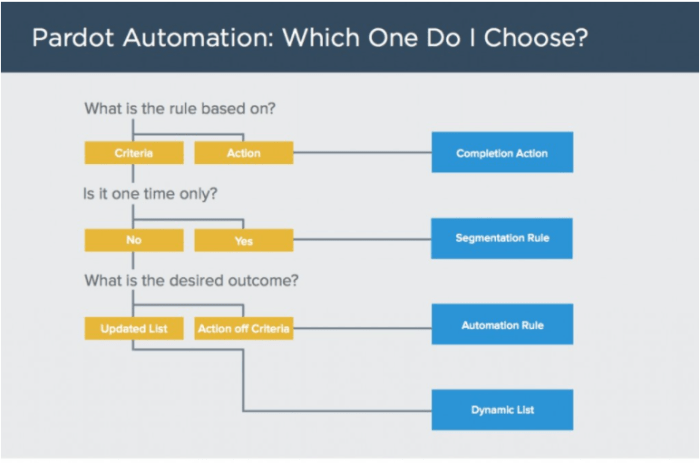

The right way to perform Pardot automation audit sets the stage for optimizing your marketing efforts. This comprehensive guide delves into the crucial steps needed to identify areas for improvement, streamline workflows, and ultimately boost your Pardot automation performance.
This audit process covers defining the scope, identifying inefficiencies, evaluating performance, optimizing for efficiency, providing actionable recommendations, and ensuring proper documentation and reporting. Each stage is crucial for a successful outcome, helping you understand your Pardot system’s strengths and weaknesses and making informed decisions to improve overall effectiveness.
Defining the Scope of a Pardot Automation Audit: The Right Way To Perform Pardot Automation Audit
A Pardot automation audit isn’t just about checking boxes; it’s a crucial exercise to ensure your automation is running efficiently, effectively, and aligned with your marketing goals. It’s a deep dive into the inner workings of your Pardot setup, identifying areas for improvement and uncovering hidden opportunities. A well-executed audit can significantly boost campaign performance and ROI.A thorough audit goes beyond simply reviewing workflows; it encompasses a holistic view of your Pardot implementation, evaluating its effectiveness against your overall marketing strategy and desired outcomes.
It’s a proactive approach to optimizing your marketing efforts.
Key Performance Indicators (KPIs) to Track
Understanding the effectiveness of your Pardot automation requires tracking specific KPIs. These metrics provide a clear picture of what’s working and where improvements are needed. A comprehensive audit should monitor campaign performance, lead generation, and nurture program effectiveness.
- Conversion Rates: Track the percentage of leads progressing through each stage of your automation. This helps identify bottlenecks in the sales funnel and areas where conversions are lagging. For instance, if your lead nurturing emails have a low open rate, the audit should investigate the reasons and propose solutions.
- Lead Generation Metrics: Analyze the number of leads generated, the quality of those leads, and the source of those leads. A well-defined lead scoring system and effective lead nurturing are key elements to measure here.
- Nurture Program Effectiveness: Measure the engagement levels of leads within your nurture programs. This involves analyzing open rates, click-through rates, and response rates to individual emails or automated sequences. If a segment of leads isn’t responding to a particular nurture campaign, the audit should pinpoint why and offer suggestions for improvement.
- Customer Lifetime Value (CLTV): Assess the revenue generated by leads nurtured through Pardot automations. This helps determine the return on investment (ROI) for your automation efforts. A high CLTV indicates successful lead nurturing, while a low CLTV may signal a need to re-evaluate your strategy.
Defining Clear Objectives and Goals
A clear understanding of the audit’s objectives is crucial for a focused and effective review. The objectives should be directly linked to business goals and measurable outcomes. These objectives will guide the audit’s scope, ensuring it addresses the most critical areas.
- Improved Lead Generation: Define specific targets for lead volume and quality. For example, increase qualified leads by 15% within the next quarter.
- Enhanced Customer Engagement: Establish metrics for increased engagement with automated emails, such as a 20% improvement in click-through rates.
- Optimized Sales Funnel Efficiency: Set targets for faster lead qualification and conversion rates.
- Cost Savings: Identify areas where automation can be streamlined to reduce costs.
Checklist of Critical Areas for Review
A comprehensive checklist is essential to ensure all crucial aspects of your Pardot automation are covered during the audit. This structured approach ensures no important element is overlooked.
| Category | Specific Areas |
|---|---|
| Workflow Design |
|
| Segmentation |
|
| Email Templates |
|
| Reporting and Analytics |
|
Identifying Inefficiencies and Bottlenecks

A Pardot automation audit isn’t just about finding what’s working; it’s crucial to pinpoint areas where your automation sequences are falling short. Identifying inefficiencies and bottlenecks is vital for optimizing lead nurturing, improving conversion rates, and ultimately, maximizing ROI. Understanding where your automation is struggling will pave the way for streamlined workflows and a more effective marketing strategy.Pinpointing these weaknesses requires a critical eye, a good understanding of Pardot’s functionalities, and a keen awareness of potential pitfalls.
This process is about going beyond the surface-level to dig deep into the underlying mechanics of your automation, exposing any friction points or poorly configured elements.
Common Automation Flaws in Pardot Workflows
Poorly designed workflows can lead to wasted effort and missed opportunities. Automation sequences that aren’t tailored to specific user segments or lack clear goals are prime examples of this. Inconsistent naming conventions, missing or incomplete data fields, and a lack of comprehensive testing can also lead to flawed automation. Unclear trigger configurations and overly complex sequences that lack intuitive logic further complicate the process.
Potential Bottlenecks in Pardot Automation Sequences
Bottlenecks in Pardot automation can arise from various sources, creating delays and hindering the smooth flow of your marketing campaigns. A key bottleneck is overly complex workflows that include numerous steps and conditions. Another significant factor is insufficient testing of the automation rules before deployment. This can lead to unexpected errors or incorrect lead routing, which can slow down the process and hinder campaign effectiveness.
Performing a Pardot automation audit effectively hinges on understanding the data’s health. One crucial step involves checking for data completeness issues in your GA4 data, like those detailed in ga4 data data completeness issue detection. This analysis helps pinpoint weak spots in your automation workflows and ensures your Pardot setup is robust and accurate, ultimately leading to better campaign performance.
Inconsistent or missing data can also cause delays in processing, which needs careful consideration during the audit.
Examples of Inefficient Automation Rules
Inefficient automation rules often involve redundant steps or unnecessary conditions. For example, a sequence that automatically sends a follow-up email to every lead who opens an email, even those who have already completed the desired action, is inefficient. Another example is a rule that sends the same email multiple times to the same contact, without proper logic to prevent repetition.
An inefficient rule may involve sending a follow-up email after a contact has already been successfully converted, wasting resources on irrelevant communications.
Identifying Abandoned or Underperforming Automation Sequences
Abandoned or underperforming automation sequences are often characterized by low completion rates, lack of engagement, or poor conversion rates. These sequences are easily identified by analyzing key metrics such as completion rates, conversion rates, and the number of leads that drop out at specific points in the automation. Monitoring these metrics will help in identifying those that need improvement.
Regular reporting and analysis of these metrics are crucial to ensure that your automation sequences remain effective and aligned with your marketing objectives.
Identifying Triggers That Are Not Properly Configured
Incorrectly configured triggers are a common source of inefficiency in Pardot automation. Triggers are the starting point of any automation sequence, and if they aren’t set up correctly, the entire sequence can fail to execute as intended. Triggers that are too broad, or too narrow, or are not responsive to the desired actions will fail to initiate the appropriate steps in the automation.
A detailed review of the trigger configurations, ensuring they are aligned with the intended user behavior and goals, is a critical step in identifying and rectifying this issue.
Performing a Pardot automation audit the right way involves a meticulous review of your existing workflows. This often requires a deep dive into the different stages of your sales funnel and how your automation is impacting those stages. With Microsoft’s recent launch of Copilot Search in Bing, microsoft officially launches copilot search in bing , this could offer a helpful tool for finding patterns or potential improvements in your automation.
Ultimately, a thorough audit is key to identifying areas for optimization and ensuring your Pardot automation is performing at its peak.
Evaluating Pardot Automation Performance
A crucial step in a Pardot automation audit is assessing the effectiveness of your automation sequences. Understanding how well your campaigns are performing is essential for identifying areas needing improvement and optimizing ROI. This evaluation goes beyond simply checking if automation is running; it delves into the impact it’s having on your marketing goals.This evaluation process allows you to pinpoint automation sequences that are underperforming and adjust strategies accordingly.
By meticulously analyzing key metrics and comparing campaigns, you can fine-tune your automation workflows, ensuring they consistently drive desired outcomes.
Measuring Automation Sequence Effectiveness
Effective automation sequences deliver measurable results. Key performance indicators (KPIs) provide concrete data on campaign success. Tracking and analyzing these KPIs is critical to understanding which sequences are performing well and which require adjustments.
Metrics for Evaluating Pardot Automation Success
Several metrics provide insights into the performance of Pardot automation. These metrics include conversion rates, open rates, click-through rates, and the number of leads generated or nurtured. Analyzing these metrics collectively provides a comprehensive view of campaign effectiveness.
- Conversion Rates: Conversion rates reflect the percentage of contacts who complete a desired action, such as filling out a form or making a purchase. High conversion rates indicate effective sequences, while low rates signal potential areas for improvement in the automation’s messaging or calls to action.
- Open and Click-Through Rates: Open rates measure the percentage of recipients who open automated emails. Click-through rates indicate the percentage of recipients who click on links within the emails. Analyzing these rates reveals how engaging and compelling your automated messaging is.
- Lead Generation and Nurturing: The effectiveness of lead generation and nurturing automation sequences can be evaluated by measuring the number of leads generated and nurtured. This helps determine if the automation is effectively moving contacts through the sales funnel.
Analyzing Automation Report Data
Pardot provides various reports to track automation performance. Understanding how to interpret these reports is crucial. Analyzing data from these reports helps to pinpoint the source of any issues or inefficiencies.
- Automation Sequence Reports: These reports provide a detailed overview of the performance of each automation sequence. Key metrics such as conversion rates, open rates, and click-through rates are typically presented in charts and tables. Analyzing these reports reveals where the automation is succeeding and where it’s falling short.
- Individual Email Reports: These reports offer a deeper dive into the performance of individual emails within an automation sequence. Detailed data allows for a more granular analysis, revealing which elements of specific emails are resonating with recipients and which are not.
Comparing Automation Campaign Performance
Comparing the performance of different automation campaigns is vital for identifying best practices and areas for improvement. Using a consistent framework for measuring success ensures fair comparisons and helps identify trends.
Figuring out the right way to perform a Pardot automation audit often involves a deep dive into your marketing data. Understanding how your automated workflows are performing, and how they’re interacting with other marketing channels, is key. This often means getting started with Google Analytics 4 (GA4) getting started with google analytics 4 ga4 to track user behavior across your website and marketing campaigns.
Ultimately, a thorough audit will reveal bottlenecks and areas for improvement, allowing you to fine-tune your Pardot automation strategy for better results.
- Establishing Benchmarks: Establishing benchmarks for key metrics, such as conversion rates, allows for a clear comparison of campaign performance over time. Benchmarks are often industry-specific and need to be established according to your target audience and marketing goals.
- Tracking Key Metrics Across Campaigns: Tracking open rates, click-through rates, and conversion rates for all campaigns within the same timeframe ensures a fair comparison. Consistency in the data collection process is essential to avoid misleading conclusions.
Analyzing Automation Email Response Rates
Response rates for automated emails provide insights into the effectiveness of the messaging. Analyzing these rates is essential for refining communication strategies and optimizing campaign performance.
- Identifying Trends: Tracking response rates over time helps identify trends and patterns in recipient engagement. This can be vital in understanding the impact of specific email content or sending times.
- Segmenting and Analyzing Response Rates: Segmenting contacts based on their response to automated emails helps understand what motivates specific groups of recipients. This allows for tailored messaging and more effective engagement.
Optimizing Pardot Automation for Efficiency
A well-optimized Pardot automation system is a cornerstone of successful marketing campaigns. It streamlines processes, automates repetitive tasks, and frees up your team to focus on strategic initiatives. This section dives into best practices for designing efficient Pardot automation, refining existing rules, reducing manual intervention, improving deliverability, and optimizing sequences for higher response rates.
Best Practices for Designing Efficient Pardot Automation
Implementing efficient Pardot automation requires a proactive approach, focusing on clear objectives and well-defined workflows. These best practices ensure your automation system is not only functional but also adaptable and scalable.
- Establish Clear Objectives: Define specific, measurable, achievable, relevant, and time-bound (SMART) goals for each automation. This clarity ensures the automation aligns with overall marketing strategy and effectively addresses specific needs.
- Segment Your Audience Effectively: Detailed audience segmentation is crucial for targeted messaging. Create distinct segments based on demographics, behavior, and engagement levels. This targeted approach significantly improves campaign effectiveness.
- Utilize Conditional Logic Strategically: Implement conditional logic to personalize the user journey. This allows for different sequences based on user interactions, enabling dynamic and relevant content delivery.
- Maintain a Consistent Brand Voice: Maintain a consistent brand voice across all automated communications. This reinforces brand identity and creates a cohesive customer experience.
- Prioritize Data Quality: Ensure data accuracy and completeness. Inaccurate data leads to inefficient automation and can hinder campaign performance. Robust data management is critical.
Refining Existing Automation Rules for Improved Performance
Regularly reviewing and refining automation rules is essential to maintaining peak performance. This involves analyzing the effectiveness of current rules and identifying areas for improvement.
- Analyze Trigger Performance: Evaluate the frequency and effectiveness of triggers. Are they capturing the desired actions? Identify any bottlenecks in the trigger process and adjust as needed.
- Audit Actions and Conditions: Examine every action and condition within the automation. Ensure they accurately reflect the desired user journey and are achieving their intended outcomes. Identify and eliminate unnecessary steps.
- Test and Iterate: Continuously test and refine automation rules to optimize performance. A/B testing different scenarios allows for identifying the most effective approaches.
- Use Pardot Reporting Effectively: Leverage Pardot’s reporting features to track automation performance metrics. Identify areas where engagement is low or conversion rates are subpar. This data-driven approach helps focus improvements.
Opportunities to Reduce Manual Intervention in Automation Workflows
Minimizing manual intervention enhances automation efficiency and frees up resources for more strategic activities. Automating as much as possible is key.

- Automate Data Entry: Integrate data sources to automate data entry and update processes. This reduces errors and ensures timely updates.
- Utilize API Integrations: Leverage API integrations to automate data exchange between Pardot and other systems. This ensures data consistency and eliminates manual data transfer.
- Implement Automated Follow-ups: Implement automated follow-up sequences for leads who haven’t engaged. This ensures consistent nurturing and maximizes conversion potential.
Strategies to Improve Email Deliverability Within Pardot Automation
Optimizing email deliverability within Pardot automation is critical for campaign success. High deliverability rates directly impact campaign effectiveness.
- Maintain a Clean Email List: Regularly clean and segment your email list. Removing inactive or invalid email addresses prevents bounce rates and improves deliverability.
- Optimize Email Content: Ensure email content is concise, engaging, and adheres to email best practices. Use clear calls to action and compelling subject lines.
- Monitor Sender Reputation: Regularly monitor your sender reputation. A healthy reputation is crucial for successful deliverability. Avoid sending excessive or spammy emails.
- Leverage Email Verification Services: Implement email verification services to confirm the validity of email addresses. This reduces bounce rates and improves deliverability.
Optimizing Automation Sequences for Improved Response Rates
Improving response rates within Pardot automation requires a multifaceted approach, focusing on personalization and engagement.
- Personalize Email Content: Tailor email content based on user behavior and preferences. Personalization increases engagement and response rates.
- Segment Emails Based on Engagement: Categorize users based on their engagement with previous communications. Tailor subsequent emails to those who haven’t engaged, ensuring relevance.
- Optimize Subject Lines: Craft compelling and relevant subject lines. Subject lines are the first point of contact, directly influencing open rates.
- A/B Test Email Content and Sequences: A/B test subject lines, email content, and the sequence itself. This data-driven approach identifies the most effective strategies.
Recommendations for Process Improvement
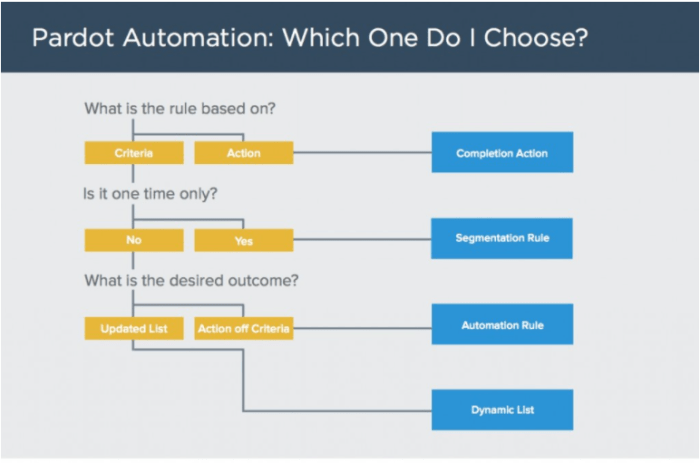
A Pardot automation audit isn’t just about finding flaws; it’s about identifying opportunities for improvement. This phase focuses on actionable recommendations, prioritized for maximum impact with minimal effort. By implementing these changes, you can streamline your Pardot automation, enhance lead nurturing, and ultimately boost your marketing ROI.
Actionable Recommendations for Enhanced Workflows
Implementing these recommendations will improve your Pardot automation workflows, leading to better lead nurturing and increased marketing ROI. These suggestions are practical and actionable, focusing on efficiency and optimization.
- Refine Trigger-Based Automations: Analyze existing trigger-based automations to ensure they are appropriately targeting the right events. Unnecessary or overly complex automations can consume resources and hinder performance. Identify and remove automations that are no longer relevant or serve redundant purposes. For instance, if a lead has already been qualified, a subsequent automation step for basic qualification is redundant.
- Optimize Email Sequences: Evaluate the length and content of email sequences. Ensure that emails are timely, relevant, and engaging. A/B test different subject lines, email content, and send times to optimize open and click-through rates. Segment your email sequences based on lead behavior to tailor communication to specific needs and interests.
- Simplify Complex Workflows: Break down overly complex automations into smaller, more manageable steps. This will make them easier to maintain, troubleshoot, and modify. Identify and consolidate redundant steps or actions within existing workflows to reduce complexity and improve performance.
- Implement Dynamic Content: Utilize dynamic content to personalize emails and forms based on lead data. This will improve engagement and create more relevant experiences for leads. Personalization can include tailoring content based on industry, job title, or previous interactions.
- Improve Data Accuracy and Quality: Ensure that the data used in your automations is accurate and up-to-date. Incorrect or incomplete data can lead to ineffective automations. Regularly clean and update your lead data to improve automation performance.
Prioritizing Recommendations for Process Improvement
Prioritization ensures that the most impactful changes are implemented first. This maximizes ROI and minimizes disruption.
- Impact Assessment: Each recommendation should be evaluated based on its potential impact on key performance indicators (KPIs). Consider how each change will affect lead nurturing, conversion rates, and overall campaign effectiveness.
- Effort Estimation: Estimate the resources (time, budget, and personnel) required to implement each recommendation. Prioritize recommendations with high impact and low effort.
- Dependency Analysis: Identify dependencies between recommendations. Some recommendations might need to be implemented before others. Ensure that dependencies are accounted for during the prioritization process.
Incorporating Best Practices into Existing Pardot Automation
Integrating best practices into your existing Pardot automation requires a methodical approach. This involves a combination of careful analysis, strategic implementation, and ongoing monitoring.
- Testing and Validation: Thoroughly test any changes to your automation workflows before deploying them to production. Use A/B testing to compare different approaches and ensure optimal performance.
- Regular Monitoring and Optimization: Continuously monitor the performance of your automations. Track key metrics such as conversion rates, open rates, and click-through rates. Use this data to identify areas for improvement and optimize workflows over time.
Documenting Recommendations for Future Audits, The right way to perform pardot automation audit
Thorough documentation is crucial for future audits. This allows for easy review, replication, and understanding of past improvements.
| Recommendation | Impact | Effort | Priority |
|---|---|---|---|
| Refine Trigger-Based Automations | High | Medium | High |
| Optimize Email Sequences | High | Medium | High |
| Simplify Complex Workflows | Medium | High | Medium |
| Implement Dynamic Content | High | Medium | High |
| Improve Data Accuracy and Quality | High | Low | High |
Documentation and Reporting
A crucial step in any Pardot automation audit is creating comprehensive documentation and reports. This ensures that findings are effectively communicated, actionable recommendations are clearly defined, and progress on implementation can be tracked. Thorough documentation allows for future audits and improvements to be based on past learnings and avoids repeating mistakes.Effective documentation and reporting are vital for demonstrating the value of the audit to stakeholders and securing buy-in for implementing improvements.
This section details a structured approach to documenting audit findings, creating reports, and presenting them to stakeholders.
Documenting Audit Findings
The audit findings should be meticulously documented in a clear and concise manner. This includes a detailed record of each inefficiency, bottleneck, or area needing improvement identified during the audit. Using a standardized format ensures consistency and facilitates analysis.
Creating a Comprehensive Audit Report
A template for a comprehensive audit report should include sections for each stage of the audit. The introduction should summarize the audit’s objectives and scope. The body should detail the audit methodology, findings, and recommendations. The conclusion should summarize key takeaways and next steps. Examples of specific sections include:
- Executive Summary: A concise overview of the audit, its findings, and recommendations. This section is crucial for stakeholders who may not have time to delve into the entire report.
- Methodology: A description of the audit process, including the tools and techniques used. This demonstrates the rigor and thoroughness of the audit.
- Findings: A detailed description of each inefficiency, bottleneck, or area requiring improvement. This section should include specific examples and quantifiable data where possible. For instance, “Lead qualification process takes an average of 48 hours, resulting in lost potential conversions.”
- Recommendations: Clear and actionable recommendations for improvement, with specific steps to implement each change. Each recommendation should include an estimated timeframe for implementation.
- Action Items & Responsibilities: A table outlining the specific tasks, owners, and timelines for implementing each recommendation. This helps ensure accountability and track progress.
- Appendix: Supporting data, raw data, or detailed analyses used in the report. This allows for more in-depth investigation if required.
Key Findings and Recommendations Table
A table summarizing the key findings and corresponding recommendations is essential for easy reference and quick understanding. This table should include the finding, a concise description, the impact, the recommendation, and the estimated implementation time.
| Finding | Description | Impact | Recommendation | Implementation Time |
|---|---|---|---|---|
| Slow lead qualification | Lead qualification takes an average of 48 hours | Reduced conversion rate and lost potential revenue | Implement a new lead qualification workflow with automated steps | 4 weeks |
| Inefficient nurturing sequence | Current nurturing sequence lacks personalization and fails to engage prospects | Reduced lead engagement and conversion | Develop a personalized nurturing sequence based on prospect behavior | 6 weeks |
Tracking Progress on Implemented Recommendations
A dedicated section in the report should track progress on implemented recommendations. This should be a dynamic document, updated regularly. A progress tracking system should be established, including a schedule for follow-up meetings to discuss progress and address any roadblocks. Metrics for success should be defined and regularly monitored.
Presenting Audit Findings to Stakeholders
Presenting audit findings to stakeholders should be in a digestible format. Use clear and concise language, avoiding technical jargon. Visual aids, such as charts and graphs, can be highly effective in conveying complex data in a more accessible way. Presentations should focus on the impact of the findings and the value of the proposed improvements, highlighting the return on investment (ROI) of the recommendations.
Closing Summary
In conclusion, performing a Pardot automation audit is a critical investment for any business looking to maximize their marketing ROI. By following the steps Artikeld in this guide, you can gain valuable insights into your automation workflows, identify areas needing improvement, and implement strategies for optimizing performance. A well-executed audit provides a clear roadmap for enhancing your Pardot automation, leading to improved campaign results and a more efficient marketing process.