



Pay per click stats every marketer should know are crucial for campaign success. Understanding key metrics, KPIs, and conversion rates empowers marketers to optimize campaigns and maximize ROI. This guide dives deep into the essential data points that will help you interpret your PPC data effectively, from fundamental metrics to advanced reporting techniques.
This in-depth look at PPC statistics provides a practical roadmap for success. We’ll explore how to track crucial metrics, understand KPIs, and ultimately achieve a strong return on ad spend. Learn how to use data to make informed decisions and continuously improve your campaigns.
Essential Metrics for PPC Success
PPC (Pay-Per-Click) advertising is a powerful tool for driving traffic and conversions. Understanding and effectively tracking key metrics is crucial for optimizing campaigns and maximizing return on investment (ROI). A solid grasp of these metrics allows marketers to fine-tune their strategies, identify areas for improvement, and ultimately achieve better results.
Critical PPC Metrics
A successful PPC campaign relies on monitoring key performance indicators (KPIs). These metrics provide insights into campaign effectiveness, helping marketers understand what’s working and what needs adjustment. The following five metrics are essential for any PPC marketer to track.
- Click-Through Rate (CTR): CTR measures the percentage of users who click on your ad after seeing it. A high CTR indicates your ad copy and targeting are effective in attracting the right audience. Low CTR suggests your ad may not be resonating with potential customers or the targeting needs adjustment. An average CTR depends heavily on industry and campaign specifics, but a generally accepted rule of thumb is that a CTR above 1% is considered good, while below 0.5% may require investigation.
- Conversion Rate: This metric measures the percentage of clicks that result in a desired action, such as a purchase, sign-up, or lead generation. A high conversion rate signifies that your landing page and overall campaign process are compelling to customers. A low conversion rate often points to issues with the landing page, weak calls to action, or ineffective messaging.
Conversion rates vary greatly depending on the product, industry, and business goals.
- Cost-Per-Click (CPC): CPC represents the amount you pay each time a user clicks on your ad. A low CPC is ideal, as it indicates you’re getting a lot of clicks for a minimal investment. High CPCs may signal that your bids are too high, or that the s or targeting strategies aren’t effective enough. CPCs fluctuate based on competition, search volume, and bidding strategies.
- Cost-Per-Acquisition (CPA): CPA measures the total cost of acquiring a customer or completing a desired action. It’s a critical metric for evaluating the profitability of your campaign. A low CPA indicates that your campaign is cost-effective in generating conversions. High CPAs suggest potential inefficiencies in the campaign, such as high CPCs or low conversion rates, and may require adjustments to budget, bidding strategies, or targeting.
- Return on Ad Spend (ROAS): ROAS measures the profit generated for every dollar spent on advertising. High ROAS indicates a successful campaign that’s generating substantial returns. Low ROAS signifies that your advertising spend isn’t yielding sufficient profit, prompting investigation into areas for improvement.
Different PPC Campaign Types and Metrics, Pay per click stats every marketer should know
Various types of PPC campaigns cater to different marketing goals. Understanding the most pertinent metrics for each type is essential for effective campaign management.
| Campaign Type | Key Metrics | Importance |
|---|---|---|
| Search Campaigns | CTR, CPC, CPA, Conversion Rate, ROAS | These campaigns focus on driving traffic from search engine results pages (SERPs). Tracking these metrics helps optimize bids, s, and ad copy for maximum effectiveness. |
| Display Campaigns | CTR, Impressions, Click-Through Rate, Cost Per Mille (CPM), Conversion Rate, ROAS | These campaigns leverage visual ads across various websites and platforms. Tracking impressions and CPM is crucial to gauge the visibility of the ads. |
| Video Campaigns | View-Through Rate (VTR), Click-Through Rate, Cost-Per-View (CPV), Conversion Rate, ROAS | Video ads are a highly engaging format. VTR and CPV are key metrics to measure effectiveness, while conversion rates and ROAS indicate the profitability of the campaign. |
Understanding Key Performance Indicators (KPIs)
Knowing your PPC campaign’s performance is crucial for optimization. Understanding Key Performance Indicators (KPIs) provides a structured way to track progress, identify areas for improvement, and ultimately, achieve your campaign goals. This section dives deep into 10 essential KPIs, examining their significance across different campaign objectives, and illustrating how their values influence campaign success.Effective PPC management hinges on understanding how these KPIs interact and affect overall campaign health.
This allows for data-driven decisions, enabling marketers to adjust strategies in real-time, maximizing ROI and achieving targeted outcomes.
Knowing your pay-per-click (PPC) stats is crucial for any marketer. Click-through rates, conversion rates, and cost-per-acquisition are just a few key metrics to track. But, have you considered whether your website should be ADA compliant, just like your physical store? Understanding ADA compliance for your online presence is equally important for accessibility, and for reaching a wider audience.
A website that is accessible to everyone is a website that can reach a wider audience, which is crucial to any successful PPC campaign. Ultimately, solid PPC stats depend on a strong online presence. To delve deeper into the ADA compliance question, check out this helpful resource: should my website be ada compliant like my physical business location.
This will help you create a strategy to boost your PPC campaign performance.
Crucial KPIs for PPC Campaigns
Understanding your campaign’s performance requires tracking specific metrics. Here are 10 critical KPIs for PPC campaigns, each playing a distinct role in measuring success.
- Click-Through Rate (CTR): The percentage of impressions that result in clicks. A high CTR suggests that your ads are relevant and appealing to your target audience. Low CTR might indicate that your ad copy, s, or landing page needs refinement.
- Conversion Rate: The percentage of clicks that lead to desired actions (e.g., purchases, sign-ups). A high conversion rate indicates effective targeting and persuasive ad copy, while a low rate often points to issues with the landing page or ad relevance.
- Cost-Per-Click (CPC): The average cost you pay for each click on your ad. Keeping CPC low is essential for maintaining profitability. High CPC might indicate that you’re bidding too aggressively on competitive s or targeting the wrong audience.
- Cost-Per-Acquisition (CPA): The average cost to acquire a single customer or lead. A low CPA is a key sign of successful campaign management, while a high CPA may signal inefficient targeting or wasted ad spend.
- Return on Ad Spend (ROAS): The revenue generated for every dollar spent on advertising. A high ROAS signifies profitable campaigns, while a low ROAS necessitates adjustments to improve efficiency.
- Impression Share: The percentage of impressions your ads received compared to the total impressions available. A high impression share shows that your ads are highly visible, while a low share indicates that your budget, bids, or targeting might be limiting visibility.
- Quality Score: A metric used by Google Ads to evaluate the quality and relevance of your s, ads, and landing pages. A high quality score leads to lower CPCs and increased visibility. A low quality score often signifies poor ad relevance, low click-through rates, or poor landing page experience.
- Average Position: The average position of your ads in search results. A higher average position generally leads to more clicks and conversions. A low average position may mean insufficient bids or competition from other advertisers.
- Bounce Rate: The percentage of visitors who leave your website after viewing only one page. A high bounce rate might suggest issues with the landing page’s relevance or user experience. Low bounce rates generally indicate engagement.
- Customer Lifetime Value (CLTV): The predicted total revenue a customer will generate throughout their relationship with your business. Understanding CLTV helps you assess the profitability of acquiring a customer, guiding your bidding strategies.
Comparing KPIs Across Campaign Goals
The significance of each KPI varies depending on the specific campaign objectives. For example, a brand awareness campaign might prioritize impression share over conversion rate, whereas a sales-driven campaign would focus on ROAS and CPA.
Calculating and Interpreting KPIs
Effective decision-making relies on calculating and interpreting these KPIs accurately. For example, calculating CTR involves dividing the number of clicks by the number of impressions. This calculated value, alongside the context of your campaign goals, provides actionable insights.
KPI Table
| KPI | Formula | Typical Range | Impact of High Value | Impact of Low Value |
|---|---|---|---|---|
| CTR | (Clicks / Impressions) – 100 | 1%
|
Higher relevance, better ad copy | Poor ad relevance, weak targeting |
| Conversion Rate | (Conversions / Clicks) – 100 | 1%
|
Strong landing page, persuasive ad copy | Issues with landing page, low engagement |
| CPC | Total Cost / Number of Clicks | $0.50 – $5.00 (varies by ) | Efficient bidding, targeted audience | Inefficient bidding, wasted ad spend |
| CPA | Total Cost / Number of Conversions | $20 – $200 (varies by industry) | High profitability, successful targeting | High cost to acquire, poor efficiency |
| ROAS | (Revenue / Ad Spend) – 100 | 200%
|
High profitability, effective campaigns | Low profitability, inefficient campaigns |
Analyzing Conversion Rates and Costs
PPC success hinges on more than just clicks. Conversion rates and costs are the ultimate measures of campaign effectiveness. Understanding these metrics allows marketers to fine-tune strategies, optimize spending, and maximize return on investment. A high conversion rate translates to more sales, leads, or desired actions for every dollar spent.Conversion rates aren’t static; they fluctuate based on various factors.
By analyzing these influencing factors, marketers can identify areas for improvement and implement strategies to drive higher conversions and lower costs. This analysis is crucial for sustained success in the competitive digital landscape.
Knowing your PPC stats is crucial for any marketer. Clicks, conversions, and cost-per-click are fundamental metrics. But understanding the broader picture, like how your campaign’s performance compares to industry benchmarks or how competitor strategies might be affecting your numbers, is equally important. Recent news about Google hiring a “boss spy” highlights the intense scrutiny companies face, and the potential for competitor analysis to inform your PPC strategy.
So, while understanding Google’s internal operations like google hire boss spying is interesting, focusing on your own PPC data remains key to success. Keeping an eye on your campaign’s performance and adjusting your strategy based on data is vital for any marketer.
Importance of Conversion Rates in PPC
Conversion rates are the percentage of visitors who complete a desired action, such as making a purchase, filling out a form, or signing up for a newsletter, after clicking on an ad. A high conversion rate signifies a strong ad campaign effectively attracting qualified leads.
Factors Influencing Conversion Rates
Several factors impact conversion rates. These include landing page quality, ad copy relevance, target audience alignment, user experience, and overall campaign strategy. A poorly designed landing page, for instance, can significantly reduce conversion rates. Clear and concise ad copy that resonates with the target audience is critical. Furthermore, user experience on the landing page is paramount; a smooth and intuitive experience encourages conversions.
Campaign strategy, including targeting and bidding strategies, also plays a crucial role.
Improving Conversion Rates
Optimizing landing pages for conversions is key. A compelling call to action (CTA) and clear value proposition can significantly improve conversion rates. Testing different ad copy variations and A/B testing landing page elements helps identify the most effective strategies. A/B testing is an iterative process of testing different versions of ad copy and landing pages to determine which performs better.
Optimizing Cost Per Acquisition (CPA) and Return on Ad Spend (ROAS)
CPA represents the cost of acquiring a single customer or lead. Lowering CPA is a primary goal in PPC. By improving conversion rates and refining targeting, businesses can decrease the cost per acquisition. Return on ad spend (ROAS) measures the revenue generated for every dollar spent on advertising. Strategies that increase conversions while keeping costs low will directly improve ROAS.
ROAS = (Revenue Generated / Ad Spend) – 100
Optimizing ROAS requires balancing conversion rates with ad spend.
Relationship Between Click-Through Rate (CTR) and Conversion Rate
CTR measures the percentage of people who see an ad and click on it. While a high CTR is desirable, it doesn’t guarantee high conversion rates. A high CTR might indicate strong ad copy, but if the landing page isn’t optimized, the conversion rate will suffer. The relationship is indirect; a high CTR can be a positive indicator, but conversion rate is the ultimate measure of campaign effectiveness.
Conversion Tracking Methods
Conversion tracking is essential for measuring the effectiveness of PPC campaigns. Different methods are available for various needs.
| Method | Description | Example |
|---|---|---|
| Website Tagging (Google Tag Manager) | Implementing tags on the website to track user actions. | Tracking form submissions, purchases, or other specific actions. |
| Conversion Pixels (Facebook, Google Ads) | Code snippets added to the website to track conversions on social media or other platforms. | Tracking conversions from Facebook ads or other social platforms. |
| UTM Parameters | Adding parameters to URLs to track traffic sources. | Tracking traffic from specific ad campaigns. |
| Conversion URLs | Using specific URLs for tracking conversions. | Creating unique landing pages for different ad campaigns. |
By implementing these methods, marketers can gain comprehensive insights into the performance of their PPC campaigns and identify areas for improvement.
Measuring ROI and Campaign Effectiveness
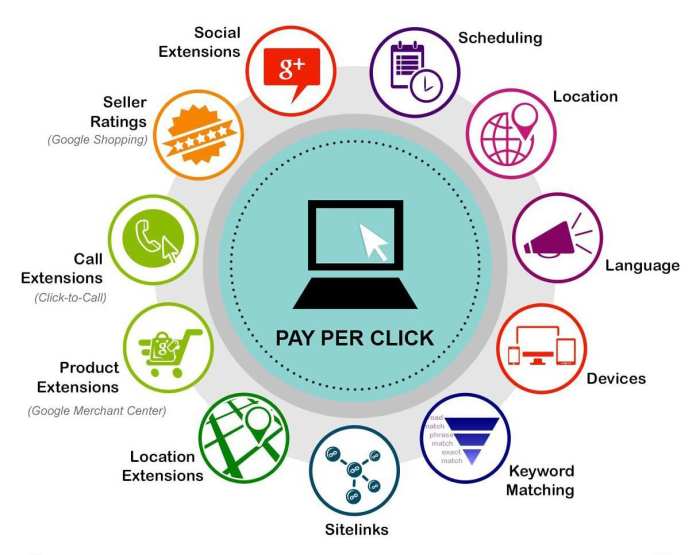
PPC campaigns are a powerful tool for driving traffic and conversions, but their success hinges on measuring return on investment (ROI) and understanding campaign effectiveness. Knowing how to calculate ROI and analyze performance data is crucial for optimizing campaigns and maximizing profitability. This section dives deep into these essential aspects.A key element in PPC success is accurately tracking and interpreting campaign metrics.
This involves not only identifying which metrics are important but also understanding how they interrelate. Understanding the connection between ad copy and campaign performance, and choosing the right campaign model, are also vital components.
Calculating PPC ROI
ROI calculation for PPC campaigns involves comparing the revenue generated by the campaign to the costs associated with it. A common formula is:
(Revenue – Cost) / Cost – 100%
This formula provides a percentage representation of the return on investment. For example, if a campaign generates $10,000 in revenue and costs $2,000, the ROI is 400%.
Knowing key PPC stats is crucial for any marketer. Understanding click-through rates, conversion rates, and cost-per-acquisition is vital. But before diving deep into those numbers, taking a quick digital marketing self assessment can help you pinpoint areas needing improvement. A solid self-assessment, like the one found at digital marketing self assessment , can highlight weaknesses in your approach, and then you can tailor your PPC strategies accordingly.
This will ultimately help you get better results from your PPC campaigns.
Evaluating Campaign Effectiveness
Several methods exist for assessing campaign effectiveness beyond just ROI. These include examining click-through rates (CTR), conversion rates, cost-per-acquisition (CPA), and impressions.
- Click-Through Rate (CTR): This metric indicates how often people who see your ad click on it. A high CTR suggests your ad copy and targeting are effective.
- Conversion Rate: This measures the percentage of visitors who complete a desired action, such as making a purchase or filling out a form. A high conversion rate indicates effective landing pages and calls to action.
- Cost-per-Acquisition (CPA): This is the average cost of acquiring a customer through your PPC campaign. Lower CPA values are generally more desirable.
- Impressions: The number of times your ad was displayed. While important for reach, it doesn’t directly measure conversion.
Combining these metrics provides a holistic view of campaign performance.

Successful ROI Strategies
Successful ROI strategies often involve refining ad copy, targeting specific demographics, and utilizing A/B testing. For instance, A/B testing different ad headlines and descriptions can identify which variations yield better CTRs and conversions.
- Targeted Advertising: Focusing on specific demographics and interests improves the likelihood of reaching the right audience, boosting conversion rates and ROI.
- Compelling Ad Copy: Well-written ad copy is essential for attracting clicks and conversions. Clear, concise, and compelling ad copy is critical for attracting users.
- Landing Page Optimization: A landing page designed to match the ad copy and effectively guide visitors toward the desired action significantly improves conversion rates.
These strategies are often used in tandem to optimize the campaign’s overall performance.
Ad Copy and Campaign Performance
Ad copy plays a critical role in campaign performance. Compelling ad copy effectively communicates value propositions, highlights unique selling points, and entices users to click. Matching ad copy to landing pages is crucial for a seamless user experience and maximizing conversions. For instance, if your ad promises a discount, the landing page should reflect that offer.
Comparison of PPC Campaign Models
| Campaign Model | Description | ROI Potential | Example |
|---|---|---|---|
| Cost-per-Click (CPC) | Pay each time a user clicks on your ad. | High, if clicks translate to conversions. | Online retail store promoting a new product. |
| Cost-per-Mile (CPM) | Pay per 1,000 ad impressions. | Moderate, suitable for brand awareness. | A company promoting a new product awareness campaign. |
| Cost-per-Acquisition (CPA) | Pay when a user completes a specific action (e.g., purchase). | High, when acquiring a customer is the key goal. | A SaaS company promoting a free trial. |
Different models cater to different campaign goals. Choosing the right model depends on the specific objectives and desired outcomes.
Tools and Technologies for Tracking Stats
Knowing your PPC campaign’s performance is crucial for optimization. But simply running ads isn’t enough; you need robust tools to monitor key metrics and make data-driven decisions. This section delves into the world of PPC tracking tools, highlighting their features and how they empower marketers to understand and improve their campaigns.PPC campaigns generate a wealth of data, and effective tools are essential for extracting actionable insights.
Without proper tracking, you’re flying blind, potentially wasting budget on ineffective strategies. The right tools empower you to analyze every aspect of your campaigns, from performance to conversion rates, and ultimately, boost your return on investment.
Popular PPC Tracking Tools
Various platforms offer robust solutions for tracking PPC campaign data. Choosing the right one depends on your specific needs and budget. Key players in the market include Google Ads, Bing Ads, and third-party platforms like HubSpot and ClickMagick.
Features of Different Tracking Tools
Each tool offers a unique set of features, catering to different needs and levels of sophistication. Google Ads, for example, integrates seamlessly with other Google services, providing a comprehensive view of your overall digital marketing performance. Third-party tools, like HubSpot, often excel at integrating with CRM systems, allowing for deeper customer relationship management and improved campaign personalization.
Specific Features for Analyzing PPC Performance
Tools like Google Ads provide granular data, enabling marketers to see which s are driving traffic and conversions. Advanced features often include automated bidding strategies, enabling you to optimize bids in real-time based on performance data. Reporting features vary, but most platforms allow you to generate customized reports on key metrics. For example, some tools might allow exporting data into various formats for use in other analytics dashboards.
Real-time reporting capabilities are increasingly common, allowing marketers to react quickly to changing trends and adjust campaigns on the fly.
Data Visualization Tools for Interpreting PPC Data
Interpreting raw data can be challenging. Data visualization tools play a crucial role in translating complex data into easily digestible charts and graphs. Tools like Google Data Studio or Tableau can be used to create interactive dashboards, enabling quick identification of trends and patterns. Visual representations of key metrics, such as conversion funnels, performance, and cost-per-click, allow marketers to identify areas for improvement and gain a deeper understanding of campaign effectiveness.
Comparison of Popular PPC Tracking Tools
| Tool | Key Features | Pricing |
|---|---|---|
| Google Ads | Integrated with other Google services, granular data, automated bidding, comprehensive reporting | Free (basic features)
|
| Bing Ads | Robust reporting, targeting options, integrated with other Microsoft services | Free (basic features)
|
| HubSpot | Integrates with CRM systems, excellent for marketing automation, robust reporting | Paid, subscription-based |
| ClickMagick | Excellent for performance tracking, automated reporting, detailed analytics | Paid, subscription-based |
Advanced Reporting and Data Analysis: Pay Per Click Stats Every Marketer Should Know

PPC campaigns thrive on data. Simply running ads isn’t enough; understanding thewhy* behind your results is crucial for optimization. Advanced reporting and data analysis empower you to uncover hidden trends, fine-tune your strategies, and maximize your return on investment (ROI). This process goes beyond basic metrics to reveal the nuances of your campaign’s performance.Data analysis is the bedrock of effective PPC optimization.
By meticulously examining campaign data, you can identify areas for improvement, spot emerging trends, and ultimately, elevate your campaign’s performance. It’s not just about looking at numbers; it’s about interpreting those numbers to understand the behavior of your target audience and the effectiveness of your marketing efforts.
Identifying Trends and Patterns
Analyzing your PPC data allows you to identify patterns and trends that might otherwise go unnoticed. For example, you might observe a significant increase in conversions during specific hours of the day or on particular days of the week. This insight can be leveraged to adjust your bidding strategies or ad scheduling to capitalize on peak performance periods. Another trend might reveal a correlation between specific s and higher conversion rates, highlighting the importance of refining your targeting.
These trends often lead to adjustments in ad copy, landing pages, or bidding strategies to optimize performance.
A/B Testing Ad Variations
A/B testing is a powerful technique for optimizing ad performance. By creating variations of your ads (e.g., different headlines, descriptions, or calls to action), you can systematically test which versions resonate most strongly with your target audience. The key is to isolate variables and measure the impact of those changes on critical metrics.
| Ad Element | Metric 1 (e.g., Click-Through Rate) | Metric 2 (e.g., Conversion Rate) | Metric 3 (e.g., Cost-Per-Click) |
|---|---|---|---|
| Headline 1 | 1.5% | 2.0% | $0.50 |
| Headline 2 | 1.8% | 2.5% | $0.45 |
| Description 1 | 2.0% | 2.2% | $0.60 |
| Description 2 | 2.2% | 2.8% | $0.55 |
A/B testing allows you to quantify the impact of specific changes to your ad copy. The data-driven approach leads to better informed decisions, leading to optimized ad campaigns that resonate with your target audience.
Creating Custom Reports
Custom reports are invaluable for tracking progress and identifying areas needing improvement. Tailor these reports to specific campaign objectives, such as increasing brand awareness or driving sales. For instance, a report focused on brand awareness might include metrics like impressions and reach, while a report aimed at driving sales might focus on conversion rates and cost per acquisition (CPA).
These customized insights enable targeted adjustments and strategies that are directly aligned with business goals.
Epilogue
In conclusion, mastering PPC stats is essential for any marketer looking to achieve campaign success. By understanding metrics, KPIs, and conversion rates, you can fine-tune your strategies and optimize your campaigns. Remember, data-driven decisions are key to maximizing ROI. This guide provides a foundation for success, empowering you to effectively track, analyze, and interpret your PPC data.