
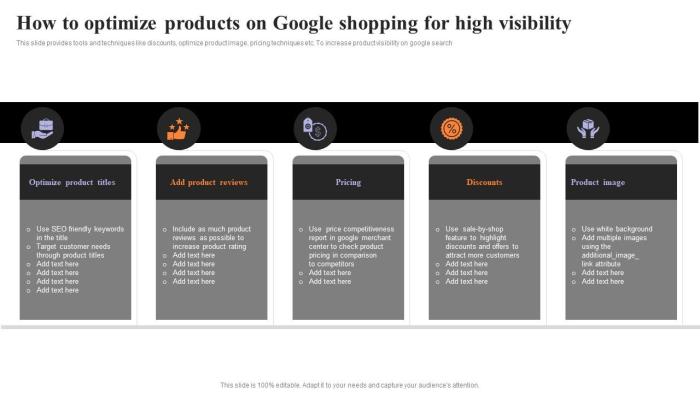

Optimize for product first results in retail Google serps how to guide dives deep into the strategies for achieving top rankings in Google Shopping and organic search results. Unlocking visibility in the competitive retail landscape is crucial for driving sales and building brand recognition. This guide explores the nuances of product optimization, from understanding user behavior to analyzing data and competitor strategies.
Learn how to maximize your product visibility and conversions.
We’ll start by understanding the fundamental principles of retail product optimization for Google search, covering everything from the importance of high rankings to the role of user experience. Then, we’ll dive into practical analysis, exploring how to identify key product attributes, gather performance data, and pinpoint high-demand and underperforming items. Finally, we’ll provide a detailed methodology for analyzing competitor listings, highlighting crucial metrics and their interpretation for effective optimization.
Understanding Retail Product Optimization for Google Search
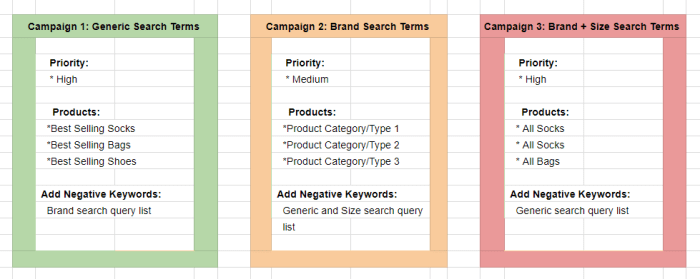
In today’s digital marketplace, visibility on Google search results is paramount for retail businesses. Ranking high for relevant search terms directly impacts sales, brand recognition, and overall profitability. This guide dives into the crucial aspects of optimizing retail products for prominent placement in Google Search results, emphasizing the vital link between online visibility and business success.Optimizing retail products for Google search results is no longer a luxury but a necessity.
High rankings translate into increased organic traffic, which in turn leads to higher conversion rates and a significant return on investment. The strategies Artikeld here will empower retailers to leverage the power of search engine optimization to drive sales and establish a strong online presence.
Importance of First-Page Rankings
Achieving top rankings in Google search results is critical for retail products. First-page visibility drastically increases a product’s exposure to potential customers. This heightened exposure generates more clicks, driving traffic to product pages and ultimately increasing sales. Furthermore, prominent placement fosters trust and credibility, reinforcing brand awareness and attracting new customers. High search rankings directly translate into increased market share and competitive advantage.
Want to optimize your retail products for top Google search results? A crucial step is ensuring your website is secure and user-friendly. One way to do this is by disabling directory browsing in WordPress, which can prevent unauthorized access and improve your site’s overall performance. This helps Google’s crawlers focus on your product pages rather than unnecessary files.
Check out this guide on how to disable directory browsing in WordPress for a more secure site: how to disable directory browsing in wordpress. A robust website is key to achieving those top product search results in retail Google searches, so take the time to get this right!
Benefits of Higher Search Rankings
Ranking higher in search results offers numerous benefits for retail businesses. Improved visibility leads to a larger customer base, expanding the reach of your products beyond your immediate geographic area. Increased traffic translates to higher conversion rates, driving sales and revenue growth. Moreover, higher rankings foster brand awareness, positioning your products as industry leaders and driving customer loyalty.
Want to nail those top product spots in retail Google search results? Optimizing for product-first results in Google Shopping is crucial. Understanding how to leverage Performance Max campaigns, like those detailed in the performance max migrations in google ads guide, is a key step. But remember, even with those advanced strategies, a solid foundation in optimizing product listings and structured data remains vital for ultimate success in the product-first search results.
Impact on Sales and Brand Awareness
Visibility in Google search results directly impacts sales and brand awareness. A product that appears prominently in search results is more likely to be considered by potential customers. This visibility fosters trust and encourages customers to explore the product further, increasing the likelihood of purchase. Consequently, higher rankings translate to increased brand awareness, as customers become more familiar with your products and brand identity.
Want to dominate retail Google search results with your product listings? Optimizing for Product First results is crucial. Learning how to do this effectively can boost your online presence significantly. But, successful retail strategies often hinge on understanding the broader landscape, such as the 10 essential B2B marketing strategies to grow your professional services firm, which can also be applied to product-centric strategies.
10 essential b2b marketing strategies to grow your professional services fi will provide you with valuable insights, which, when combined with product-first optimization, can drive substantial retail sales. Ultimately, understanding how to effectively optimize for Product First results in Google shopping searches is a game-changer.
Significance of User Experience in Retail Search
User experience plays a crucial role in the retail search process. Customers expect seamless navigation and informative product pages when searching online. Optimized product pages, featuring high-quality images, detailed descriptions, and clear call-to-actions, improve user engagement and conversion rates. Easy-to-understand product information and a user-friendly website architecture are key to retaining customers and encouraging repeat purchases.
Product Optimization Data Analysis
This table illustrates how product optimization can impact retail sales. The data showcases the correlation between search position and conversion rates across different product categories.

| Product Category | Typical Search Terms | Expected SERP Position | Estimated Conversion Rate |
|---|---|---|---|
| Smartphones | “best budget smartphone,” “top-rated 5G phone,” “affordable foldable phone” | 1-3 | 3-5% |
| Clothing | “women’s summer dresses,” “men’s athletic shoes,” “kids’ back to school clothes” | 1-5 | 2-4% |
| Home Appliances | “best microwave oven,” “top-rated refrigerator,” “affordable smart dishwasher” | 1-4 | 2-3% |
| Beauty Products | “best anti-aging serum,” “top-rated foundation,” “affordable lipstick” | 1-5 | 1.5-3% |
Analyzing Product Data for Optimization
Retail success hinges on understanding your products’ performance in the digital marketplace. Analyzing product data is crucial for identifying opportunities to improve search rankings, boost sales, and ultimately drive more revenue. This involves more than just looking at raw numbers; it requires a deep dive into the factors influencing those numbers. The key is to move from reactive to proactive, using data to anticipate trends and adapt your strategy accordingly.Understanding the nuances of your product data allows you to identify high-demand products needing more stock, and low-performing products needing a strategic repositioning.
By carefully tracking and analyzing key metrics, you can refine your product listings to better meet the needs of online shoppers and improve visibility in Google Shopping and search results. This proactive approach positions your business for long-term success in a competitive retail environment.
Key Product Attributes Impacting Search Rankings
Product attributes are crucial for both search visibility and user experience. Accurate and comprehensive product descriptions, including detailed specifications, high-quality images, and relevant s, directly impact a product’s search ranking. In essence, well-defined attributes enable Google to better understand and categorize your products, leading to improved visibility in search results. This translates to more clicks and potential sales.
Gathering Data on Product Performance
Effective product optimization relies on actionable data. Data collection includes monitoring sales figures, click-through rates (CTRs), and impressions. These metrics provide valuable insights into the performance of individual products and inform strategic decisions. For example, a high CTR for a particular product suggests strong user engagement, which can be linked to a compelling product description or visually appealing images.
Conversely, low sales figures alongside high impressions might indicate a need for price adjustments or a revised product description.
Identifying High-Demand and Low-Performing Products
Identifying high-demand products allows you to optimize your inventory management and potentially increase your profit margins. This can be achieved by analyzing sales trends, seasonality, and customer preferences. Low-performing products, on the other hand, require a strategic assessment. Factors such as pricing, product description, or competition should be examined. Analysis can lead to either improvements or the potential for discontinuation.
Analyzing Competitor Product Listings
Analyzing competitor product listings provides a valuable benchmark for your own products. By comparing your listings to those of competitors, you can identify areas for improvement in product descriptions, pricing, and other key attributes. A competitor analysis can also help you identify gaps in the market and discover new opportunities for your own products. Understanding what competitors are doing successfully allows you to adapt and differentiate your offerings.
Metrics for Product Optimization, Optimize for product first results in retail google serps how to guide
| Metric | Significance | Interpretation |
|---|---|---|
| Conversion Rate | Measures the percentage of visitors who complete a purchase. | High conversion rates indicate a successful product listing, while low rates signal potential issues in the product page, price, or user experience. |
| Click-Through Rate (CTR) | Reflects the percentage of users who click on your product listing after seeing it in search results. | High CTR suggests that your product listing is compelling and relevant to user searches. A low CTR could indicate that your product title, description, or images aren’t resonating with users. |
| Average Order Value (AOV) | Measures the average value of orders placed by customers. | A higher AOV indicates that customers are purchasing more items per order or higher-priced items, increasing overall revenue. |
| Sales Volume | Indicates the total number of units sold. | High sales volume signifies strong demand for the product, while low sales volume might indicate a need for price adjustments, improved product descriptions, or more effective marketing strategies. |
Final Thoughts: Optimize For Product First Results In Retail Google Serps How To Guide
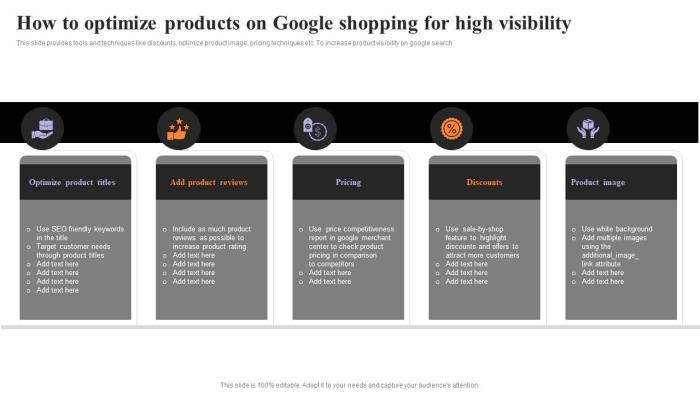
In conclusion, optimizing your retail products for top Google search results is a multi-faceted strategy requiring a deep understanding of user behavior, data analysis, and competitor analysis. This comprehensive guide provides actionable steps and insightful strategies to help you achieve product visibility and drive conversions. By mastering these techniques, you can effectively position your products for success in the highly competitive retail landscape.