

Multichannel selling a complete guide to boost your sales is crucial in today’s competitive market. This guide dives deep into the strategies and techniques to effectively leverage multiple sales channels, maximizing your reach and ultimately boosting your revenue. From understanding your target audience to optimizing each channel for conversions, we’ll cover everything you need to know to create a successful multichannel sales strategy.
This comprehensive guide will explore the intricacies of multichannel selling, including identifying your target audience, selecting the right channels, optimizing them for sales, integrating them seamlessly, and measuring the results. We’ll also discuss the importance of adapting to market trends and staying ahead of the curve. This is more than just a guide; it’s a roadmap to success in the ever-evolving world of sales.
Introduction to Multichannel Selling

Multichannel selling is a crucial component of modern business strategy, allowing companies to reach a wider audience and potentially boost revenue. It’s no longer sufficient to rely on a single sales channel. A well-executed multichannel approach leverages the strengths of various platforms, from physical stores to online marketplaces, creating a seamless customer experience. By understanding the benefits, challenges, and key principles of multichannel selling, businesses can optimize their sales efforts and achieve significant growth.A successful multichannel strategy isn’t just about having a presence on multiple platforms; it’s about creating a cohesive and integrated experience across them.
This means aligning messaging, branding, and customer service across all channels to foster customer loyalty and trust.
Defining Multichannel Selling
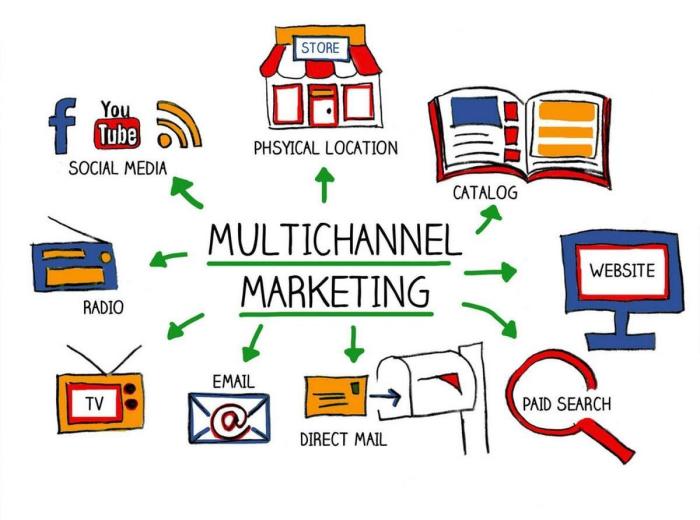
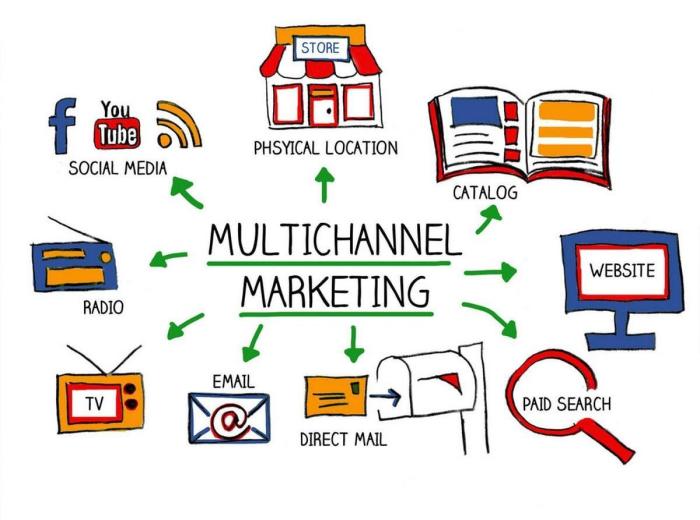
Multichannel selling encompasses the use of multiple sales channels to reach and engage customers. This includes physical stores, online storefronts, marketplaces like Amazon, social media, email marketing, and even mobile apps. The core principle is to connect with customers wherever they are, providing a unified brand experience across all touchpoints.
Benefits of a Multichannel Approach
A multichannel approach offers several advantages over single-channel strategies. It expands market reach, allowing businesses to tap into new customer segments. It also improves customer satisfaction by providing diverse options and convenience. Further, the use of multiple channels allows businesses to better analyze customer behavior and tailor their marketing efforts for maximum impact. Finally, a well-integrated multichannel strategy provides a more robust sales funnel, leading to higher conversion rates and increased profitability.
Comparing Multichannel with Other Strategies
Multichannel selling differs from omnichannel selling in that it doesn’t necessarily require complete integration between all channels. For example, a business might have a strong presence on its own website and use social media to drive traffic, but not fully integrate inventory and order fulfillment between the two. Direct-to-consumer (DTC) strategies often involve multichannel elements, but not always exclusively.
Looking for a comprehensive guide to multichannel selling to skyrocket your sales? A key part of that strategy is managing your content effectively. Leveraging a robust platform like the salesforce content management system can streamline your content creation and distribution across all your sales channels. This, in turn, significantly improves customer engagement and ultimately boosts sales conversions.
So, dive into the multichannel selling strategies in our complete guide!
Understanding these nuances is critical for choosing the right approach.
Key Principles of a Successful Multichannel Strategy
Successful multichannel strategies hinge on several key principles. A strong brand identity is paramount across all channels. Consistent messaging and visuals build recognition and trust. Customer experience is critical; ensuring a smooth and positive interaction on every channel is crucial. Effective data analysis is essential for understanding customer behavior and optimizing channel performance.
Finally, a robust inventory management system is vital to avoid stockouts and ensure seamless order fulfillment across all channels.
Framework for a Multichannel Sales Plan
A basic framework for a multichannel sales plan involves several key stages. First, thorough market research is crucial to identify target customers and their preferred channels. Second, a comprehensive inventory management system is required to track stock across all channels and prevent stockouts. Third, a unified marketing strategy is needed to maintain consistent branding and messaging across all platforms.
Fourth, a strong customer relationship management (CRM) system is essential for managing customer interactions and preferences. Finally, regular performance analysis is critical to identify areas for improvement and optimize channel effectiveness.
| Stage | Description |
|---|---|
| Market Research | Understanding target customer preferences and preferred channels. |
| Inventory Management | Tracking and managing stock across all channels. |
| Unified Marketing Strategy | Maintaining consistent branding and messaging across all platforms. |
| CRM System | Managing customer interactions and preferences. |
| Performance Analysis | Regularly evaluating channel performance and identifying areas for improvement. |
Identifying Your Target Audience: Multichannel Selling A Complete Guide To Boost Your Sales
Knowing your target audience is paramount in any sales strategy, but especially crucial in a multichannel environment. Understanding their needs, preferences, and behaviors across various platforms allows you to tailor your messaging and offerings for maximum impact. A deep dive into your audience unlocks the potential for greater engagement and ultimately, higher conversion rates.Understanding your target audience in a multichannel world involves more than just knowing demographics.
It necessitates a granular view of how your customers interact with each channel, what motivates them, and what their pain points are within each platform. This detailed understanding allows for targeted campaigns that resonate with each customer segment and their preferred channel, ultimately maximizing sales potential.
Segmenting Your Target Audience for Multichannel Sales
Understanding your target audience requires breaking them down into distinct segments. This segmentation process allows for personalized communication and tailored offerings across different channels.
- Demographics: Factors like age, gender, location, income, and occupation are essential starting points. For example, a company selling luxury handbags might target affluent women aged 35-55 living in major metropolitan areas, while a company selling budget-friendly electronics might target a broader range of demographics.
- Psychographics: Understanding customer values, interests, lifestyles, and motivations provides a deeper understanding of their needs and preferences. For example, a company selling organic food might target environmentally conscious consumers, while a company selling gaming equipment might target gamers who value high-performance technology.
- Behavioral Patterns: Analyzing customer purchasing history, website browsing behavior, and engagement across different channels reveals valuable insights. For example, customers who frequently visit the company’s social media pages might be receptive to promotional offers through social media ads, while those who primarily use the company’s website might benefit from personalized product recommendations.
Identifying Customer Preferences Across Different Channels
Understanding how your customers interact with various channels is key to tailoring your approach. Each channel has its own nuances, and your audience’s behavior within these channels will significantly impact your messaging and marketing efforts.
- Website Analytics: Website analytics tools provide data on how customers navigate your site, what products they view, and what information they seek. Analyzing this data allows you to understand what resonates with your audience and what needs improvement.
- Social Media Engagement: Social media platforms offer valuable insights into customer preferences. Monitoring comments, shares, and interactions with your posts can reveal what kind of content your audience responds to best. A company selling clothing might notice a strong response to user-generated content on Instagram, whereas a company selling financial services might see more engagement on LinkedIn.
- Email Open and Click-Through Rates: Email marketing provides data on which subject lines and content resonate most with your audience. High open and click-through rates indicate effective messaging and content.
Tailoring Your Messaging for Each Channel Based on Audience Insights
A successful multichannel strategy necessitates tailored messaging for each platform. Your audience’s channel preferences dictate how you present your products and services.
- Visual Content for Social Media: Platforms like Instagram and Pinterest benefit from high-quality images and videos. Think visually engaging content and short, impactful messages. A jewelry brand might showcase beautiful product photos on Instagram.
- Detailed Descriptions for Websites: Your website is a platform for in-depth information. Use detailed product descriptions and high-quality images to cater to customers researching and making purchasing decisions.
- Personalization in Email Marketing: Email offers a personalized touch. Use data to segment your email lists and send targeted messages based on customer preferences.
Customer Journey Mapping for Multichannel Targeting
Customer journey mapping is crucial for understanding the entire customer experience across all channels. This visual representation helps identify pain points and opportunities for improvement.
- Identifying Touchpoints: Map out all the points of contact between your customer and your brand across different channels (website, social media, email, etc.). Understanding these touchpoints helps you tailor your message to each stage of the customer journey.
- Analyzing Customer Interactions: Analyze how customers interact with each touchpoint, including their behavior, motivations, and expectations. Understanding these interactions helps you optimize your multichannel strategy to align with the customer’s needs and expectations.
- Optimizing Customer Experience: Using customer journey maps allows you to identify areas where the customer experience can be improved. This includes refining messaging, improving product descriptions, and streamlining the checkout process.
Selecting the Right Channels
Choosing the right sales channels is crucial for maximizing your reach and ROI. A well-considered approach will leverage the strengths of various platforms, catering to your target audience and budget, ultimately driving more sales. It’s not a one-size-fits-all solution; a nuanced strategy is essential.Effective multichannel selling involves a strategic blend of online and offline methods. Understanding the strengths and weaknesses of each channel allows you to build a robust sales funnel that resonates with your customers, resulting in higher conversion rates.
Consider factors like cost, potential reach, and the engagement level each channel offers.
Identifying Relevant Sales Channels
Successful multichannel selling requires a deep understanding of your target audience’s preferences. Different demographics and customer segments may favor different channels. For instance, a younger audience might be more engaged on social media platforms, while older demographics might prefer traditional retail channels or direct mail campaigns. Understanding this allows you to tailor your strategy for maximum impact.
Comparing Online and Offline Channels
The comparison between online and offline channels reveals significant differences in their reach, cost, and potential for engagement. Online channels, such as e-commerce websites and social media, offer vast reach, often at a lower initial cost compared to some offline methods. However, they require consistent investment in marketing and management. Offline channels, like physical stores and direct mail, provide a tangible customer experience and can offer opportunities for personalized interactions, but may come with higher setup and ongoing costs.
Evaluating Reach and Potential of Different Channels
Each channel has a unique reach and potential to drive sales. E-commerce, for example, boasts a global reach, potentially exposing your products to a vast customer base. Social media marketing offers a more targeted approach, allowing you to reach specific demographics and interests. Traditional retail channels provide a physical presence, enabling face-to-face interactions and fostering brand loyalty.
The potential for each channel depends heavily on your specific business and target audience.
My latest multichannel selling guide is packed with actionable strategies to skyrocket your sales. Understanding how to keep customers engaged on your website is crucial, and a key aspect of this is dwell time. For a deep dive into the importance of dwell time for SEO, check out this comprehensive guide a comprehensive guide to dwell time and its importance to seo.
Ultimately, a strong online presence, driven by strategies like optimized dwell time, is a vital component of any successful multichannel sales approach.
Choosing Channels Based on Target Audience, Multichannel selling a complete guide to boost your sales
Your target audience significantly influences the selection of sales channels. A tech-savvy audience might prefer an online-focused strategy, while a more traditional audience might respond better to offline marketing. Consider their online behavior, purchasing habits, and preferred communication methods. This data informs your channel selection and ensures your efforts are targeted effectively.
Effectiveness Comparison Table
This table illustrates a general comparison of sales channel effectiveness. Note that specific results will vary based on your business, target audience, and marketing strategies.
| Channel | Reach | Cost | Engagement |
|---|---|---|---|
| E-commerce | High | Medium | High |
| Social Media Marketing | Medium | Low | Medium |
| Email Marketing | Medium | Low | Medium |
| Search Engine Optimization () | High | Medium | Medium-High |
| Paid Advertising (PPC) | High | Variable | High |
| Physical Retail Stores | Local | High | High |
Optimizing Your Channels for Sales
Taking your multichannel selling strategy to the next level requires a deep dive into optimizing each individual channel for maximum sales conversions. This involves understanding the nuances of each platform, from the visual appeal of your website to the tone of your social media posts. Consistent branding across all channels is crucial for building a strong brand identity and fostering customer recognition.
Let’s explore how to fine-tune your approach for optimal results.A well-optimized multichannel strategy ensures that your customers have a seamless experience regardless of the platform they interact with. This leads to increased customer satisfaction, loyalty, and ultimately, higher sales.
Strategies for Optimizing Each Channel
Optimizing each sales channel for conversions involves tailoring your approach to the specific platform’s strengths and user behavior. Each platform demands a unique approach, which requires understanding what motivates users on that particular channel.
- Website Optimization: A well-designed website is the cornerstone of any successful online business. Optimize your website’s design and functionality for conversions. Ensure clear calls to action, intuitive navigation, and high-quality product images and descriptions. Mobile responsiveness is essential to accommodate users on all devices. Implement strategies like A/B testing to refine your approach and identify areas for improvement in user experience.
An effective website design should lead customers through a clear path to purchase, minimizing friction and maximizing conversions. Consider user experience (UX) design principles to create a seamless and engaging user journey.
- Social Media Optimization: Leverage the power of social media to engage with potential customers. Create engaging content that resonates with your target audience. Run targeted advertising campaigns to reach the right people. Monitor your social media channels to address customer concerns and build relationships. Utilize the unique features of each platform, such as Instagram’s visual focus or Twitter’s real-time nature, to create content that aligns with the platform’s aesthetic and engagement style.
Understanding the specific algorithms and user interactions of each social media platform is vital to effective optimization.
- Email Marketing Optimization: Develop an email marketing strategy to nurture leads and convert them into customers. Personalize your emails and segment your audience for targeted messaging. Implement strategies for lead nurturing and retargeting to keep your brand top-of-mind. The key to email optimization is to build a relationship with your customers, delivering valuable content and providing relevant offers that address their needs.
Regularly analyze your email campaigns to identify areas for improvement and optimize future messaging for maximum impact.
- Marketplaces Optimization: If you’re selling on marketplaces like Amazon or eBay, understand their specific requirements and guidelines. Optimize your product listings with compelling descriptions, high-quality images, and relevant s. Utilize marketplace tools to manage your listings and respond to customer inquiries promptly. Be aware of marketplace algorithms to understand how to best position your products for visibility.
The key to marketplace success is providing an exceptional customer experience that mirrors your brand values.
Importance of Consistent Branding
Maintaining a consistent brand identity across all channels is paramount. A cohesive brand experience builds trust and recognition, reinforcing your brand’s message and value proposition. Consistent branding projects a unified image and builds customer loyalty.
- Visual Consistency: Use the same logo, color scheme, and typography across all platforms. This reinforces brand recognition and creates a unified experience for your customers. Ensure your brand voice remains consistent across all channels, creating a strong and recognizable identity for your brand.
- Messaging Consistency: Communicate your brand message and value proposition in a consistent manner across all channels. This helps reinforce your brand’s core values and creates a cohesive narrative for your audience.
- Tone and Voice Consistency: Maintain a consistent tone and voice in all your communications. This creates a familiar and trustworthy experience for your customers, regardless of the platform they interact with. A clear and consistent brand voice ensures your message resonates with your target audience, fostering trust and recognition.
Techniques for Creating Engaging Content
Creating engaging content tailored to each channel is crucial for capturing attention and driving conversions. Content should be relevant, valuable, and shareable.
- Visual Content: High-quality images and videos are essential for attracting attention and conveying your brand message. Use visually appealing graphics and videos to engage your audience and convey your message effectively.
- Interactive Content: Engage your audience with interactive content like quizzes, polls, and surveys. This fosters interaction and builds relationships with your customers. Interactive content keeps your audience engaged and builds a sense of community around your brand.
- Value-Added Content: Offer valuable content that addresses your target audience’s needs and interests. This could include blog posts, articles, webinars, or helpful guides. Provide content that is informative and engaging, building trust and establishing your brand as a thought leader.
Optimizing Website Design for Conversions
Website design plays a pivotal role in driving sales. A user-friendly website with a clear call to action can significantly boost conversions. A well-designed website is crucial to ensure customers can easily navigate, find information, and make purchases.
- Clear Call-to-Actions (CTAs): Use clear and compelling calls to action to guide users toward desired actions, such as making a purchase or signing up for a newsletter. Effective CTAs are concise, action-oriented, and visually distinct.
- Intuitive Navigation: Ensure easy navigation across your website to allow customers to find products and information quickly. Easy navigation is key to ensuring that customers can quickly locate the products they are looking for.
- High-Quality Product Pages: Showcase your products with high-quality images and detailed descriptions. Include customer reviews to build trust and credibility. Provide detailed information and high-quality images to attract and engage potential customers, building confidence and encouraging conversions.
Examples of Effective Multichannel Marketing Campaigns
Several companies have successfully implemented multichannel marketing strategies to achieve impressive results. These campaigns showcase the power of a cohesive approach across various platforms.
- Company X: Company X used a combination of social media marketing, email marketing, and targeted advertising to drive sales for their new product line. Their campaign was highly effective because it consistently reinforced their brand message and product value proposition across all platforms.
- Company Y: Company Y utilized a multichannel approach to promote a limited-time offer. This campaign effectively leveraged different channels to reach a wider audience and generate significant interest and engagement.
Integrating Your Channels
Successfully selling across multiple channels hinges on seamless integration. A disjointed experience for customers, with varying information or inconsistent service across platforms, can quickly erode trust and drive sales away. Integrated channels, on the other hand, present a unified front, creating a positive customer journey and maximizing your reach.Effective integration is more than just having multiple platforms; it’s about making them work together harmoniously.
This involves synchronizing data, streamlining processes, and ensuring a consistent brand experience across all touchpoints. A well-integrated multichannel strategy empowers you to provide personalized experiences and respond dynamically to customer needs.
Importance of Seamless Integration
A unified customer experience across all sales channels is paramount. Customers expect a consistent brand image and a streamlined process, regardless of where they interact with your business. Seamless integration ensures that all customer interactions, from initial browsing to final purchase, flow smoothly and intuitively. This enhances customer satisfaction and loyalty, ultimately boosting sales. For instance, a customer who starts researching products on your website should find the same information and offers when engaging with your social media pages or mobile app.
Methods for Synchronizing Data Across Channels
Data synchronization is crucial for maintaining a unified customer view across all sales channels. Real-time updates are essential for accurate information and consistent customer interactions. Utilizing API integrations between your different platforms is one way to achieve this. These integrations allow for automatic updates to inventory, order status, and customer information across all channels. Employing cloud-based solutions for storing and managing data is another critical method.
These solutions enable real-time access to data for all sales channels, improving efficiency and responsiveness.

Using CRM Systems for Multichannel Sales Management
A robust Customer Relationship Management (CRM) system is essential for managing multichannel sales effectively. CRMs provide a central repository for all customer data, allowing you to track interactions across various channels. By consolidating customer information, CRMs help you understand customer behavior, preferences, and purchase history. This comprehensive view enables you to personalize interactions and offer tailored recommendations.
My multichannel selling guide is all about boosting sales, and a crucial part of that is crafting a solid marketing budget. Knowing how to allocate your resources effectively is key, and that’s where learning about how to build a better marketing budget comes in handy. Understanding your budget empowers you to make strategic choices across different channels, ultimately maximizing your return on investment for your multichannel selling efforts.
This is especially crucial in today’s customer-centric market, where personalized experiences are highly valued. For example, a CRM can track which products a customer has viewed on your website, the social media channels they engage with, and any past interactions with your customer service representatives.
Role of CRM in Multichannel Selling
A CRM system acts as the central nervous system for your multichannel sales strategy. It centralizes customer data, allowing you to understand your customers better. This understanding leads to more personalized interactions and a more streamlined customer journey. A CRM helps track customer interactions across all channels, providing a comprehensive view of each customer’s relationship with your brand.
For example, if a customer contacts your support team via email, the CRM can automatically pull up their past purchase history and preferences to facilitate a quicker and more informed resolution.
Steps to Integrate Your Multichannel Systems
| Step | Description |
|---|---|
| 1 | Identify Key Data Points |
| 2 | Establish Data Synchronization |
| 3 | Implement Real-time Inventory Updates |
| 4 | Ensure Consistent Brand Messaging |
| 5 | Develop a Unified Customer Experience |
Measuring and Analyzing Results
Knowing whether your multichannel selling strategy is working requires diligent tracking and analysis. Simply launching channels isn’t enough; you need to understand what’s driving sales and what’s not. This crucial step allows you to optimize your efforts and maximize returns across all platforms.Effective measurement allows for data-driven decisions. You can identify high-performing channels, refine underperforming ones, and allocate resources strategically.
Understanding the metrics, and how to track and analyze them, is paramount to success in multichannel sales.
Key Performance Indicators (KPIs)
Understanding your KPIs is essential for evaluating the success of your multichannel strategy. These metrics provide a quantifiable view of your performance across various channels. Each channel will have its own set of relevant KPIs, and monitoring them allows for proactive adjustments.
- Conversion Rates: The percentage of visitors who complete a desired action (e.g., making a purchase). A lower conversion rate might indicate a need to improve the user experience or optimize landing pages.
- Customer Acquisition Cost (CAC): The average cost to acquire a new customer across all channels. Monitoring CAC helps determine the profitability of each channel and the overall effectiveness of marketing campaigns.
- Customer Lifetime Value (CLTV): The total revenue a customer is expected to generate throughout their relationship with your business. A high CLTV indicates a successful customer experience and effective retention strategies.
- Average Order Value (AOV): The average amount spent per order. Increasing AOV can be achieved through upselling and cross-selling strategies.
- Website Traffic: The number of visitors to your website from different channels. Analyzing website traffic from each channel helps you understand which are driving the most visitors and potential customers.
Tracking Key Performance Indicators (KPIs)
Tracking KPIs requires a structured approach. A centralized dashboard, accessible to key personnel, is crucial for managing data from all channels. A well-organized system will ensure that you can quickly and easily identify trends and patterns.
- Use analytics platforms: Tools like Google Analytics provide detailed insights into website traffic, user behavior, and conversion rates. Using these tools allows you to identify bottlenecks and optimize your channels.
- Integrate CRM software: Customer Relationship Management (CRM) systems allow you to track customer interactions across all channels, helping you understand customer journeys and improve your customer experience.
- Establish clear reporting protocols: Regular reporting (e.g., weekly or monthly) ensures that key personnel are aware of the performance of each channel and can make data-driven decisions.
Analyzing Data from Different Channels
Analyzing data from diverse channels demands a nuanced approach. A holistic view is essential, considering how various channels interact and contribute to the overall sales funnel.
- Compare performance across channels: Create a comparative analysis of each channel’s performance in terms of sales, conversion rates, and other relevant metrics. This helps you identify high-performing and underperforming channels.
- Identify customer journeys: Track the steps customers take across different channels to understand how they interact with your brand and make purchasing decisions. A deeper understanding of these journeys enables you to personalize and optimize your customer experience.
- Segmentation: Divide your customer base into segments based on demographics, purchase history, or other relevant factors. This allows for more targeted marketing efforts and tailored promotions.
A/B Testing for Optimization
A/B testing is a powerful tool for optimizing your multichannel strategy. By testing different versions of marketing materials, website layouts, or product descriptions, you can identify what resonates best with your target audience.
- Test different versions of marketing campaigns: Test different ad copy, images, and calls to action to see what performs best in terms of click-through rates and conversions.
- Experiment with website layouts: Test different website layouts and designs to determine which one maximizes user engagement and conversions.
- Optimize product pages: Test different product descriptions, images, and pricing strategies to identify what drives the most sales.
Reporting Multichannel Performance Data
Regular reporting is vital for monitoring and understanding multichannel performance. Choosing the right format ensures clarity and actionable insights.
- Use dashboards: Dashboards allow for a visual representation of key performance indicators, making it easy to track progress and identify trends.
- Generate reports: Reports provide a detailed overview of performance metrics, offering insights into the effectiveness of each channel and overall strategy.
- Present data effectively: Use charts, graphs, and tables to present data in a clear and concise manner, making it easy for stakeholders to understand and interpret.
Adapting to Market Trends
Staying ahead of the curve is crucial in the ever-evolving world of multichannel selling. Market trends shift rapidly, and businesses that fail to adapt risk falling behind competitors. Understanding these shifts and proactively adjusting your strategy is key to maintaining a strong presence and driving continued sales growth.Adapting to market trends involves more than just reacting to changes; it requires anticipating future needs and proactively incorporating new technologies and approaches into your existing multichannel selling strategy.
This requires a deep understanding of your target audience, an awareness of industry trends, and a willingness to experiment and iterate.
Importance of Staying Updated on Current Market Trends
Market trends dictate consumer behavior, purchasing patterns, and technological advancements. Staying informed about these trends allows businesses to proactively adjust their offerings and strategies to meet evolving customer demands. This includes understanding shifts in demographics, cultural influences, and technological advancements that impact consumer preferences.
Impact of New Technologies on Multichannel Selling
The proliferation of new technologies is fundamentally altering the way customers interact with businesses. From mobile commerce and social media marketing to artificial intelligence and automation, these technologies present both opportunities and challenges. Successfully integrating these technologies into your multichannel strategy requires careful planning and execution to ensure that your channels remain aligned with customer expectations.
Adapting Your Multichannel Strategy to Evolving Customer Needs
Customer expectations are constantly changing. Consumers today expect seamless and personalized experiences across all channels. A multichannel strategy that adapts to these expectations by providing a consistent brand experience, personalized recommendations, and proactive customer service is essential for success. This may require restructuring your channels, integrating customer data more effectively, or investing in new technologies.
Examples of Successful Companies Adapting Their Multichannel Strategy
Many companies have successfully adapted their multichannel strategies to stay ahead of market trends. For example, companies like Amazon have consistently innovated and expanded their offerings, integrating new technologies and channels to meet evolving customer needs. Similarly, companies that utilize personalized recommendations, such as Netflix and Spotify, demonstrate a proactive approach to adapting their multichannel strategy based on customer data.
Strategies to Predict and Respond to Emerging Market Trends
Predicting and responding to emerging market trends requires a combination of market research, competitor analysis, and data-driven decision-making. Analyzing market research reports, tracking competitor activity, and using data analytics to identify patterns and potential trends are essential. This process includes monitoring social media conversations, attending industry events, and proactively engaging with industry experts.
Epilogue
In conclusion, multichannel selling a complete guide to boost your sales provides a framework for building a robust and adaptable sales strategy. By understanding your target audience, selecting the right channels, optimizing for conversions, and integrating your systems, you can create a powerful engine for driving sales growth. This guide equips you with the knowledge and tools to navigate the complexities of multichannel selling and achieve remarkable results.
Remember to continuously adapt and innovate to stay ahead in the dynamic market.