

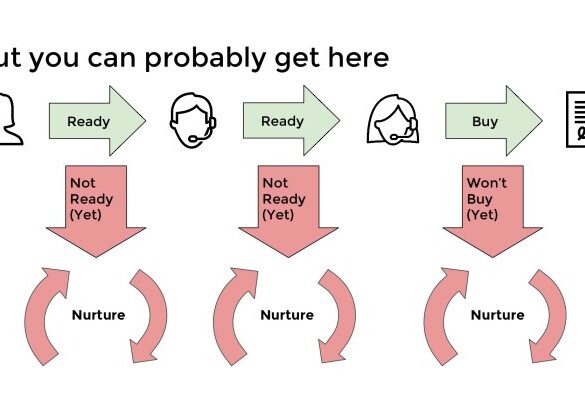

Improve lead nurturing with marketing automation is crucial for modern businesses. This comprehensive guide delves into the strategies and tools needed to cultivate leads effectively. We’ll explore the entire process, from defining lead nurturing to measuring results, using marketing automation to its fullest potential. Discover how personalized nurturing campaigns can dramatically improve conversion rates and boost business growth.
From understanding the fundamentals of lead nurturing and marketing automation to implementing specific strategies and measuring their impact, this in-depth look provides practical insights. We’ll cover everything from choosing the right marketing automation platform to creating compelling nurturing sequences and analyzing key performance indicators.
Defining Lead Nurturing
Lead nurturing is a strategic marketing approach focused on cultivating relationships with potential customers. It moves beyond a simple transactional exchange and aims to build trust and understanding over time, leading to increased conversions and customer loyalty. This process is particularly crucial in the digital age, where customers interact with brands through multiple touchpoints and channels.This approach is vital within marketing automation because it allows businesses to tailor communication based on individual customer needs and behaviors.
By understanding their journey, businesses can proactively guide prospects toward making a purchase or engaging with the brand. This personalized approach is key to increasing conversion rates and building strong customer relationships.
Lead Nurturing Definition
Lead nurturing is a systematic process of engaging and educating potential customers to move them through the sales funnel. It’s not about constant selling; instead, it’s about providing valuable content and information that addresses the lead’s specific needs and pain points. This personalized approach is crucial to increasing the likelihood of conversion.
Key Objectives of Lead Nurturing
The primary objectives of lead nurturing within marketing automation are multifaceted and often interconnected. They aim to transform prospects into loyal customers, build long-term relationships, and maximize the return on investment (ROI) of marketing efforts. Crucially, this process helps streamline the sales process and improve overall efficiency.
- Increased Conversion Rates: Lead nurturing helps move potential customers further down the sales funnel by providing relevant information and addressing their questions. For instance, a software company might send a series of emails showcasing case studies, tutorials, and webinars, ultimately increasing the likelihood of a purchase.
- Improved Customer Relationships: By building trust and understanding, lead nurturing creates stronger customer relationships, fostering loyalty and repeat business. A SaaS company might offer exclusive content, discounts, and support resources to its nurtured leads, establishing a strong connection.
- Enhanced Customer Lifetime Value (CLTV): Nurtured leads tend to become more valuable customers over time. A company selling financial products, for example, can use lead nurturing to provide ongoing educational resources, resulting in higher CLTV.
- Reduced Sales Cycle Length: By addressing customer needs proactively, lead nurturing can shorten the sales cycle. A retailer might send email sequences providing product recommendations and exclusive discounts, which accelerates the sales process.
Stages of the Lead Nurturing Process, Improve lead nurturing with marketing automation
The lead nurturing process typically unfolds through several distinct stages, each with specific goals and actions. A successful nurturing strategy should carefully consider these stages to maximize the impact on potential customers.
- Prospecting: Identifying and qualifying potential customers based on predefined criteria. This involves using various methods like lead magnets, landing pages, and social media interactions.
- Engagement: Building relationships with potential customers through personalized communication. This includes sending targeted emails, offering valuable content, and proactively addressing inquiries.
- Education: Providing valuable information and resources that address the lead’s specific needs and pain points. This involves sharing case studies, blog posts, webinars, and other forms of educational material.
- Conversion: Driving potential customers toward a desired action, such as filling out a form, scheduling a demo, or making a purchase. This stage often involves specific calls to action (CTAs) and tailored messaging.
- Retention: Building lasting relationships with customers by providing ongoing support, value-added content, and personalized offers. This stage is critical for fostering customer loyalty and driving repeat business.
Lead Nurturing Flow Chart
The following flowchart illustrates the lead nurturing journey, from initial contact to potential conversion:
(A simple visual representation would be a flowchart with boxes representing each stage: Prospecting, Engagement, Education, Conversion, Retention. Arrows would connect the boxes, indicating the progression of a lead through each stage.)
Note: This simple flow chart demonstrates a general framework. Specific implementations may vary based on the product, industry, and customer profile.
Understanding Marketing Automation

Marketing automation is revolutionizing how businesses interact with potential customers and nurture leads. It streamlines marketing processes, allowing companies to automate repetitive tasks and personalize interactions at scale. This approach dramatically improves efficiency and significantly boosts conversion rates. Understanding the fundamental concepts of marketing automation is crucial for any business seeking to optimize its lead nurturing efforts.Marketing automation tools are essentially software platforms that automate various marketing tasks.
They help manage and track campaigns, segment audiences, personalize communications, and ultimately, drive qualified leads to sales. This powerful automation capability allows marketers to focus on strategic initiatives rather than getting bogged down in routine activities.
Fundamental Concepts of Marketing Automation
Marketing automation platforms employ a combination of technologies to achieve their goals. These include email marketing automation, lead scoring, landing page creation, and social media management. The underlying concept is to create a system where interactions with prospects are guided by pre-defined rules, leading to a more efficient and effective marketing process.
Marketing Automation Tools and Lead Nurturing
Marketing automation tools play a vital role in improving lead nurturing strategies. They allow marketers to segment leads based on various criteria, such as demographics, behavior, and engagement level. This targeted approach enables businesses to deliver highly personalized content and messaging at the right time to the right audience. For instance, a lead who has downloaded a white paper might receive a follow-up email with additional resources relevant to their industry.
This kind of targeted approach builds trust and fosters stronger relationships with potential customers.
Comparison of Marketing Automation Platforms
Different marketing automation platforms offer varying features and functionalities. Some are geared toward small businesses, while others cater to enterprise-level needs. The best platform for a specific business will depend on factors such as budget, the number of leads, and the complexity of marketing campaigns. Key features to consider include ease of use, integration capabilities with other tools (like CRM), and the availability of robust reporting and analytics.
Benefits and Drawbacks of Marketing Automation Platforms
Marketing automation platforms provide numerous benefits, such as increased efficiency, improved lead nurturing, and enhanced customer engagement. These platforms automate repetitive tasks, freeing up marketing teams to focus on strategic initiatives. They also enable data-driven decision-making, allowing marketers to track campaign performance and optimize strategies accordingly. However, platforms can be expensive to implement and require a significant investment in time for training and setup.
Choosing the right platform for your business and having a well-defined implementation strategy are critical for maximizing the benefits and minimizing the drawbacks.
Boosting lead nurturing with marketing automation is key, but understanding how referral traffic from Large Language Models (LLMs) like those found in llms referral traffic engagement can be crucial for your strategy. Ultimately, integrating this data into your automation workflow enhances your lead nurturing, turning passive visitors into engaged customers.
Comparison of Popular Marketing Automation Tools
Choosing the right marketing automation tool is a crucial decision. This table compares three popular platforms, highlighting their key features.
| Tool | Feature 1 (e.g., Email Marketing Automation) | Feature 2 (e.g., Lead Scoring) | Feature 3 (e.g., CRM Integration) |
|---|---|---|---|
| HubSpot | Robust email automation workflows with customizable templates and segmentation options. | Advanced lead scoring models with adjustable weights for various actions. | Seamless integration with HubSpot CRM for comprehensive data management. |
| Marketo | Sophisticated email marketing automation with advanced personalization capabilities. | Advanced lead scoring and nurturing based on real-time data. | Strong integration with Salesforce CRM, providing a comprehensive view of customer interactions. |
| ActiveCampaign | User-friendly email marketing automation with drag-and-drop functionality. | Comprehensive lead scoring and automated lead nurturing sequences. | Flexible integration options with various CRM platforms and other marketing tools. |
Integrating Lead Nurturing and Automation
Lead nurturing, when seamlessly integrated with marketing automation, unlocks a powerful engine for converting prospects into loyal customers. This integration transforms passive leads into engaged prospects, nurturing them through a series of targeted interactions, ultimately increasing conversion rates and driving revenue growth. By automating these interactions, businesses can free up valuable time and resources to focus on higher-level tasks.Effective lead nurturing requires a deep understanding of your audience and the ability to tailor your message to their specific needs and interests.
Marketing automation tools provide the platform to execute these personalized campaigns at scale, creating a more efficient and effective customer journey. This integration isn’t just about automation; it’s about creating a personalized experience that resonates with each lead, moving them through the sales funnel.
Automated Workflows for Lead Nurturing
Automated workflows are the heart of lead nurturing through marketing automation. They are pre-programmed sequences of actions triggered by specific lead behaviors or actions. These workflows deliver a consistent message and ensure leads receive relevant content at the right time. Think of them as a personalized roadmap guiding potential customers through the buying process.For instance, a lead who downloads a white paper might trigger a series of automated emails.
These emails could include additional resources, webinars, or personalized product recommendations. The key is to maintain the lead’s engagement and position your company as a trusted resource.
Personalization in Lead Nurturing
Personalization is crucial for effective lead nurturing through automation. It allows you to address individual needs and preferences, fostering a stronger connection with each prospect. Automated systems allow you to collect data about leads and tailor content to specific segments or individual needs. This can include using their name in emails, recommending products based on their previous interactions, or segmenting them based on their interests.
By using this approach, you create a more engaging and memorable experience for each individual.For example, a lead who expresses interest in a particular product feature can receive targeted emails showcasing how that feature solves their specific pain points. This personalized touch shows the lead that you understand their needs, increasing the likelihood of a conversion.
Lead Segmentation for Targeted Nurturing
Effective lead segmentation is a cornerstone of targeted lead nurturing. It allows you to group leads with shared characteristics or behaviors, enabling the delivery of highly relevant content to each segment. This segmentation can be based on demographics, interests, behavior (such as website visits or engagement with specific content), or other factors. For instance, segmenting leads based on their job title or industry allows for targeted messaging about the specific challenges and opportunities within their sector.By grouping leads with shared characteristics, you can tailor your communication and effectively nurture them.
This increases the effectiveness of your campaigns and enhances the likelihood of converting leads into paying customers.
Automation Triggers and Nurturing Actions
This table Artikels common automation triggers and corresponding nurturing actions for lead nurturing campaigns:
| Trigger | Nurturing Action |
|---|---|
| Website visit to specific page | Email with relevant resources or product information |
| Download of a lead magnet | Series of emails providing valuable insights and product demonstrations |
| No engagement with email | Reminder email with a different angle or incentive |
| Registration for webinar | Automated email reminders and access to the recording |
| Abandoned cart | Automated email reminding them of the abandoned items and offering discounts |
Measuring and Optimizing Performance

Lead nurturing campaigns are only as effective as their measurement and optimization. Understanding how your campaigns are performing is crucial for refining strategies and maximizing ROI. Without proper tracking and analysis, you’re essentially flying blind, potentially wasting valuable resources and missing opportunities to convert leads into customers. This section will cover the key metrics, tracking methods, and optimization techniques to ensure your lead nurturing efforts are truly impactful.Effective lead nurturing requires a data-driven approach.
By meticulously tracking key metrics and analyzing campaign results, you can identify what’s working, what’s not, and pinpoint areas for improvement. This data-informed optimization allows you to fine-tune your nurturing sequences, personalize communications, and ultimately achieve a higher conversion rate.
Key Metrics for Evaluating Lead Nurturing Effectiveness
Lead nurturing effectiveness is multifaceted. It’s not just about the number of leads; it’s about the quality of those leads and their engagement with your brand. Crucial metrics include:
- Conversion Rate: The percentage of nurtured leads that convert into qualified leads or customers.
- Engagement Rate: The rate at which leads interact with your nurturing emails, such as open rates, click-through rates, and reply rates.
- Lead Qualification Score (LQS): A metric that assigns a score to each lead based on their characteristics and engagement, helping you identify high-potential leads.
- Customer Lifetime Value (CLTV): The predicted revenue a customer will generate throughout their relationship with your company, allowing you to assess the value of nurtured leads.
- Time to Conversion: The average time it takes for a nurtured lead to convert, enabling you to optimize the nurturing sequence for speed and efficiency.
Tracking and Analyzing Lead Nurturing Campaign Results
Marketing automation tools provide a wealth of data to analyze lead nurturing campaign performance. These tools offer detailed reports and dashboards to visualize engagement and conversion rates.
- Detailed Reporting: Marketing automation platforms provide comprehensive reports on key metrics, such as open rates, click-through rates, conversion rates, and more. These reports often include segmentation options, allowing you to drill down into specific groups of leads.
- Lead Progression Tracking: Identify the stages of the nurturing process where leads are dropping off or converting. Analyze the actions taken by leads at each stage to identify bottlenecks.
- Segmentation Analysis: Segment your leads based on demographics, behavior, and engagement. This allows you to tailor your nurturing sequences and messaging to resonate with specific groups. For example, segmenting leads by industry can help tailor content relevance.
A/B Testing Different Nurturing Sequences
A/B testing is essential for optimizing your lead nurturing campaigns. By comparing different versions of your nurturing sequences, you can identify which strategies resonate best with your target audience.
- Testing Different Emails: Test variations in email subject lines, content, calls to action, and send times to determine which versions yield the best results. For example, A/B test subject lines like “Exclusive Offer for [Lead’s Industry]” versus “Unlock Your Potential with [Company Name]”.
- Testing Different Sequences: Compare different nurturing sequences to see which one leads to the highest conversion rates. A/B test email frequency and content type to find the ideal balance.
- Testing Different Segmentation Criteria: Refine your lead segmentation based on engagement and response. This allows for personalized and effective messaging to different segments.
Reporting on Lead Nurturing Campaign Performance
Reporting provides insights into the effectiveness of your lead nurturing efforts.
- Regular Reporting Schedule: Establish a regular reporting schedule (weekly or monthly) to track progress and identify trends.
- Key Performance Indicators (KPIs): Highlight key metrics, such as conversion rates, engagement rates, and time to conversion. Clearly present the data in a format that is easy to understand and interpret.
- Actionable Insights: Include recommendations for improvement based on the data analysis. For instance, if the click-through rate for a specific email is low, suggest revising the content or subject line.
Dashboard for Visualizing Key Lead Nurturing Metrics
A dedicated dashboard provides a consolidated view of lead nurturing performance.
Boosting lead nurturing with marketing automation is key, but a visually appealing website is crucial too. Think about how you can make your website navigation more engaging. Learning how to add image icons to your WordPress navigation menus can dramatically improve user experience, and you can find helpful instructions on how to add image icons with navigation menus in WordPress.
This attention to detail ultimately helps convert those leads into customers, which is a big part of successful lead nurturing.
- Real-time Monitoring: Allow real-time monitoring of key metrics, such as open rates and click-through rates.
- Visual Representations: Use charts, graphs, and other visual representations to present data in a way that is easily understandable.
- Customizable Dashboards: Provide customization options for users to tailor the dashboard to their specific needs and priorities.
Best Practices and Strategies: Improve Lead Nurturing With Marketing Automation
Nurturing leads effectively requires a strategic approach that goes beyond simply collecting contact information. It’s about understanding your audience’s needs and providing value at each stage of their journey. This section dives into best practices for crafting compelling campaigns, tailoring strategies for various lead types, and maximizing the power of content marketing within your automation efforts. Ultimately, effective lead nurturing is about building relationships, not just making sales.Effective lead nurturing is not a one-size-fits-all process.
Different leads require different approaches, and understanding these nuances is crucial for optimizing your campaigns. By employing best practices and tailored strategies, you can move prospects through the sales funnel more efficiently and build stronger, longer-lasting customer relationships.
Creating Effective Lead Nurturing Campaigns
Lead nurturing campaigns should be designed to progressively educate and engage potential customers. This involves a careful consideration of your target audience, their needs, and the specific actions you want them to take. Each interaction should add value and move them closer to conversion.
- Personalization is Key: Tailoring your messages to individual lead characteristics is critical for engagement. Use data to segment your audience and craft messages that resonate with their specific interests and needs. For example, if a lead expresses interest in a specific product feature, subsequent emails should highlight that feature in greater detail.
- Content is King: High-quality, relevant content is the cornerstone of any effective lead nurturing campaign. This includes blog posts, articles, webinars, downloadable resources, and videos that address the lead’s pain points and provide solutions.
- Consistency is Crucial: Establish a predictable cadence for communication. A well-defined schedule, like sending an email every week or two, builds anticipation and maintains engagement. Consistency reinforces your brand’s presence and keeps your leads thinking about your solutions.
- Clear Call-to-Actions (CTAs): Every piece of content and communication should have a clear and compelling call-to-action. What do you want the lead to do next? Download a resource? Schedule a consultation? Make the next step obvious and easy.
Strategies for Different Lead Types
Recognizing the distinct characteristics of different leads is essential for tailoring your nurturing approach. Leads at various stages of the buying cycle will require different kinds of engagement.
- New Leads: Focus on providing introductory information, highlighting your company’s expertise, and offering valuable resources to establish trust. Welcome emails and introductory webinars are ideal.
- Engaged Leads: Provide more in-depth content, case studies, and testimonials to further build trust and demonstrate the value proposition. Consider webinars and interactive content like polls or quizzes.
- Qualified Leads: Focus on personalized recommendations, tailored demos, and discussions about specific use cases. These leads are ready for more advanced nurturing strategies.
Leveraging Content Marketing
Content marketing plays a vital role in lead nurturing automation. By creating valuable content that addresses your target audience’s needs, you can attract, engage, and educate leads effectively. Content should be strategically placed within your automation workflow to provide continuous value.
- Blog Posts: Address common pain points and provide solutions, driving traffic to your website and capturing leads.
- Ebooks and White Papers: Offer in-depth information on complex topics in exchange for contact information, establishing thought leadership.
- Webinars: Host live or on-demand sessions to demonstrate expertise and address specific questions, building trust and engagement.
- Videos: Create short, engaging videos to highlight key features and benefits, keeping leads informed and entertained.
Compelling Lead Nurturing Email Sequences
A well-structured email sequence is crucial for guiding leads through the sales funnel. Consider the following example of a nurturing sequence for a software product:
| Email Subject | Email Content |
|---|---|
| Welcome to [Company Name]! | Introduce your company and product, highlighting key features. |
| Getting Started with [Product Name] | Offer a step-by-step guide for using the product, including helpful links. |
| Tips and Tricks for [Product Name] | Share valuable tips and tricks to optimize the use of the product. |
| Case Studies & Testimonials | Showcase success stories and testimonials from satisfied customers. |
“Consistency is key to nurturing leads.”
Improving lead nurturing with marketing automation is key for any business. It’s all about engaging prospects at each stage of their journey. Want to make your website imagery even more appealing to potential customers? Learning how to add magnifying zoom for images in WordPress here can significantly enhance the user experience. Ultimately, these interactive elements, combined with effective marketing automation, will boost lead conversion rates.
Case Studies and Examples
Lead nurturing, when done effectively, can significantly boost a business’s bottom line. It’s not just about sending emails; it’s about understanding your audience, tailoring your message, and ultimately, guiding them through the sales funnel. This section dives into real-world examples of successful lead nurturing campaigns, showcasing the impact of strategic marketing automation.Successful lead nurturing campaigns demonstrate a powerful connection between targeted communication and increased conversions.
By understanding the journey of potential customers, businesses can create personalized experiences that build trust and drive engagement. These campaigns prove that automated systems can effectively nurture leads, moving them from initial interest to committed customers.
Successful Lead Nurturing Campaigns
Lead nurturing isn’t a one-size-fits-all strategy. Different businesses use varied approaches based on their industry, target audience, and sales process. Analyzing successful campaigns reveals key patterns and insights that can be applied to other organizations.
| Company | Strategy | Results |
|---|---|---|
| Software Company A | Implemented a multi-stage email drip campaign targeting potential software buyers. The campaign included targeted content based on the buyer’s persona and stage in the buying cycle, guiding them through the sales process with valuable resources and webinars. | Increased qualified leads by 35% within 3 months, and a 20% increase in conversion rates from leads to paying customers. |
| E-commerce Company B | Used marketing automation to segment customers based on purchase history and browsing behavior. This allowed for personalized product recommendations and targeted promotions, leading to increased average order value. | Saw a 15% increase in customer lifetime value within 6 months. They also observed a 10% reduction in customer churn. |
| Financial Services Company C | Developed a lead nurturing sequence specifically for high-net-worth individuals interested in investment products. The sequence included personalized emails, exclusive webinars, and invitations to exclusive events. | Generated a 10% increase in high-value leads within 4 months, resulting in a 12% increase in investment product sales. The strategy also enhanced brand perception and fostered trust. |
Impact on Business Growth
Successful lead nurturing campaigns have a direct and measurable impact on business growth. The positive effects extend beyond immediate sales increases. The key is in building long-term customer relationships, fostering loyalty, and increasing customer lifetime value.The table above demonstrates how strategic automation, personalized messaging, and targeted content can drive tangible results. Each company experienced quantifiable improvements in key metrics, demonstrating the value of lead nurturing as a sustainable growth strategy.
Future Trends and Predictions
Lead nurturing, fueled by marketing automation, is constantly evolving. The future of this crucial marketing strategy hinges on embracing emerging technologies and adapting to shifting customer expectations. Understanding these trends is vital for staying ahead of the curve and maximizing the effectiveness of lead nurturing campaigns.The landscape of lead nurturing is poised for significant transformation, driven by advancements in artificial intelligence, personalization, and data analytics.
By anticipating these shifts, marketers can strategically position their businesses to capitalize on opportunities and navigate the challenges that lie ahead.
AI-Powered Personalization
Artificial intelligence is rapidly changing how businesses interact with potential customers. AI-powered chatbots, for instance, can provide instant support and answer questions, guiding prospects through the sales funnel. Sophisticated algorithms can analyze customer data to tailor content and messaging in real-time, increasing engagement and conversion rates. Machine learning algorithms can predict which leads are most likely to convert, allowing marketers to prioritize their efforts.
This personalized approach fosters a stronger connection with leads and creates a more effective lead nurturing process.
Hyper-Personalization and Dynamic Content
The future of lead nurturing will increasingly prioritize hyper-personalization. Leveraging data from various touchpoints, marketers can create highly tailored experiences for individual leads. Dynamic content, which adjusts based on lead behavior and preferences, will be paramount. This includes personalized emails, website content, and even product recommendations. Imagine a lead nurturing campaign that adjusts email subject lines based on a prospect’s prior engagement or even subtly changes the product recommendations displayed on a website based on their browsing history.
This level of personalization will be crucial for effectively connecting with potential customers.
Rise of Omnichannel Experiences
Lead nurturing will extend beyond individual channels. Omnichannel experiences, where communication seamlessly integrates across various platforms (email, social media, mobile apps, etc.), will become increasingly important. This integrated approach ensures a consistent and engaging experience for leads regardless of how they interact with a brand. Marketers will need to orchestrate a unified message across all channels, ensuring a seamless journey for the prospect.
This might include sending a follow-up email after a phone call, or pushing a personalized message on social media based on interactions with a chatbot.
Data-Driven Optimization and Predictive Analytics
Lead nurturing will rely heavily on data-driven insights. Marketers will use sophisticated analytics tools to track campaign performance, identify areas for improvement, and predict future outcomes. Predictive analytics will allow marketers to anticipate customer needs and tailor nurturing strategies accordingly. This data-driven approach ensures efficiency and effectiveness, leading to more successful lead nurturing campaigns. For instance, using data on customer demographics and purchasing history to forecast which leads are most likely to become paying customers.
Visual Representation of Future Trends
| Trend | Impact | Example |
|---|---|---|
| AI-Powered Personalization | Tailored content and messaging based on real-time analysis. | Personalized email subject lines adjusted based on lead behavior. |
| Hyper-Personalization and Dynamic Content | Highly customized experiences based on individual preferences. | Dynamic website content adjusting based on browsing history. |
| Rise of Omnichannel Experiences | Seamless communication across various platforms. | Follow-up email after a phone call or social media engagement. |
| Data-Driven Optimization and Predictive Analytics | Anticipating customer needs and optimizing nurturing strategies. | Predicting which leads are most likely to convert and prioritizing efforts. |
Wrap-Up
In conclusion, improve lead nurturing with marketing automation is a powerful combination for driving business growth. By understanding the process, implementing the right tools, and continuously optimizing strategies, businesses can significantly improve lead conversion rates and build stronger customer relationships. This guide equips you with the knowledge and tools to navigate the world of lead nurturing and achieve remarkable results.