
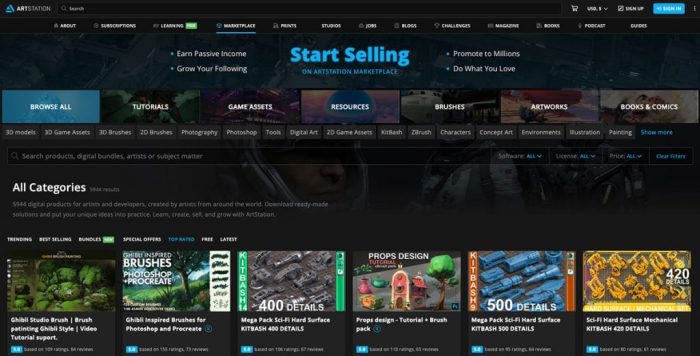

How to sell digital art and graphics online is a comprehensive guide for artists looking to monetize their creations. This journey will cover crucial aspects from establishing an online presence to mastering pricing strategies and navigating the legal landscape. From popular marketplaces to building a successful online brand, we’ll explore the entire process in detail.
The guide dives into specific strategies for each stage of the selling process. It will cover the advantages and disadvantages of different platforms, helping you select the best fit for your artwork. We will discuss crafting a professional portfolio, essential marketing techniques, and crafting a pricing model that reflects your skills and time invested.
Platforms for Selling Digital Art
Selling digital art online has exploded in popularity, offering artists a global marketplace to showcase and sell their creations. Navigating the various platforms can be overwhelming, but understanding the nuances of each can significantly impact your success. This section dives into the most popular choices, highlighting their strengths, weaknesses, and crucial factors to consider when selecting a platform for your work.
Popular Online Marketplaces for Digital Art
Different platforms cater to distinct needs and artist styles. Choosing the right one depends on factors such as your art niche, target audience, and desired level of control over your sales process. Key considerations include platform fees, artist support, and potential marketing opportunities.
- Etsy: A well-established platform known for its broad reach and established user base. Etsy offers a wide array of options for crafting and selling digital products. Artists often appreciate its community feel and existing customer base. However, competition on Etsy can be fierce.
- Creative Market: Specifically designed for digital products, Creative Market is a powerful platform for artists seeking a streamlined digital marketplace. Its emphasis on digital goods directly benefits artists offering stock graphics, templates, and digital art. The platform attracts a curated audience, potentially leading to higher-quality sales interactions. However, this specialization might limit the overall reach compared to a more general platform like Etsy.
- Society6: Society6 presents a unique approach, often focused on licensing and print-on-demand. While offering a significant presence, artists often find that the pricing structure for digital downloads might not be as lucrative as other platforms. However, the print-on-demand aspect can offer a wider customer base and marketing opportunities.
- Redbubble: Redbubble offers a diverse platform with both print-on-demand and digital sales options. Its strength lies in the extensive range of products available for artists to design on, and it attracts a significant number of customers. However, the licensing aspect can lead to a complex pricing structure.
- Artfire: A platform focused on digital downloads, Artfire is a good choice for artists prioritizing digital sales. It boasts a dedicated community for digital artists and a straightforward pricing system. A potential drawback is a potentially smaller customer base compared to platforms with a broader reach.
Fees and Commission Structures
Understanding the financial implications of each platform is critical. Commission structures vary, impacting profit margins.
- Platform Fees: Each platform charges fees for transaction processing, listing products, and sometimes even for premium features. These fees can significantly reduce profit margins, so careful consideration of fees is essential when choosing a platform.
- Commission Rates: Commission rates vary significantly across platforms. Some platforms take a percentage of each sale, while others have fixed listing fees. It’s essential to compare these rates to ensure your pricing strategies are profitable.
- Example: A platform charging a 5% commission on each sale would require a higher selling price than a platform with a flat listing fee.
Pricing Strategies for Digital Art
Pricing digital art effectively is crucial for profitability. Different platforms might benefit from varying pricing models.
- Value-Based Pricing: Set prices based on the perceived value of the artwork. Factors such as complexity, time invested, and market demand should be considered.
- Competitive Pricing: Research competitor prices on similar platforms to establish a competitive edge.
- Tiered Pricing: Offer different pricing options for varying resolutions, formats, or add-ons. For example, higher-resolution files might cost more than lower-resolution versions.
Comparison Table of Platforms
The following table provides a concise comparison of the key features and characteristics of the mentioned platforms:
| Platform Name | Fees | Pros | Cons | Target Audience |
|---|---|---|---|---|
| Etsy | Transaction fees, listing fees | Wide reach, established user base, diverse audience | High competition, potential for lower profit margins | Artists seeking broad exposure and a general audience |
| Creative Market | Transaction fees, royalty structure | Curated audience, streamlined sales process, emphasis on digital art | Limited reach compared to Etsy, potential for fewer sales | Digital artists focusing on high-quality, specialized products |
| Society6 | Royalty structure, print-on-demand fees | Print-on-demand opportunities, diverse product offerings | Complex pricing structure, potential for lower digital download profits | Artists interested in a broader range of products and a large customer base |
| Redbubble | Transaction fees, royalty structure | Wide range of products, significant customer base | Complex licensing structure, potential for lower profit margins | Artists looking for diverse product opportunities |
| Artfire | Transaction fees, listing fees | Dedicated digital art community, straightforward pricing | Potentially smaller customer base compared to other platforms | Digital artists focused on straightforward digital sales |
Creating a Professional Online Presence

A strong online presence is crucial for showcasing your digital art and connecting with potential buyers and collectors. A professional portfolio website or online platform acts as your digital storefront, allowing you to present your work in a polished and compelling way. This is where you can build credibility, attract attention, and establish yourself as a skilled digital artist.Crafting a professional online portfolio involves more than just uploading your artwork.
It requires strategic planning and a keen eye for design to effectively communicate your artistic vision and skillset. The layout, imagery, and overall aesthetic of your portfolio directly impact how viewers perceive your work and your artistic identity.
Creating Your Online Portfolio
A well-designed portfolio website or online platform acts as your digital gallery. It should be user-friendly, visually appealing, and easy to navigate. Choose a platform that allows for a professional aesthetic, such as Squarespace, Wix, or a custom-built website using platforms like WordPress. These platforms offer templates and tools that streamline the process and allow you to showcase your artwork in a sophisticated manner.
Be sure to invest time in the design, ensuring it reflects your artistic style.
Essential Elements of a Strong Portfolio
A robust online portfolio should include several key elements to make a strong impression. These elements not only showcase your artwork but also convey your artistic personality and skills. High-quality images of your artwork are essential. Clear descriptions of each piece, highlighting its unique features and inspirations, will draw viewers in. A concise artist statement that communicates your artistic philosophy and influences is vital.
In addition, providing information on your experience, education, and any awards or recognition you’ve received builds credibility. Including contact information and social media links allows for easy interaction and outreach.
Presenting Artwork Effectively
Presenting your artwork in an engaging manner is crucial for capturing attention. Use high-quality images that clearly show the details and textures of your digital art. Consider the lighting and composition of the images to enhance their visual impact. Provide detailed descriptions of each piece, explaining its unique characteristics, inspiration, and technical processes. Highlighting the specific medium or tools used in the creation of each piece further emphasizes your expertise.
Include s relevant to your style and subject matter in your descriptions, as this can help your artwork be found by potential buyers.
High-Quality Images
High-resolution images are essential for showcasing your digital art effectively. These images should be large enough to display details clearly without pixelation or loss of quality. Ensure the images are well-lit and show the artwork in its best possible light. Using a professional camera or a high-quality scanner is recommended for capturing images. Editing software can further enhance the quality of the images, adjusting contrast, color balance, and sharpness.
Consider using a consistent style and color palette for your image presentation.
Professional Portfolio Elements
| Element | Description | Example | Importance |
|---|---|---|---|
| High-Resolution Images | Images that clearly display the details and textures of the artwork. | Images at 300 DPI or higher, showcasing fine details and textures. | Essential for showcasing the quality of the artwork and engaging viewers. |
| Detailed Descriptions | Explaining the inspiration, process, and unique features of each piece. | “Inspired by the vibrant colors of the sunset, this piece utilizes a custom brush technique to create a sense of movement.” | Provides context and insight into the artistic process, engaging viewers. |
| Artist Statement | A concise statement that articulates the artist’s philosophy and influences. | “My work explores the interplay between light and shadow, using vibrant color palettes to evoke emotion and narrative.” | Builds credibility and communicates the artist’s unique perspective. |
| Contact Information | Provides means for potential buyers to reach out. | Email address, phone number, or a contact form. | Facilitates communication and potential sales. |
Marketing and Promotion Strategies
Getting your digital art noticed online requires a multifaceted approach. Simply uploading your work to a platform isn’t enough. Effective marketing is crucial for attracting potential buyers and building a loyal following. This involves understanding your target audience, crafting engaging content, and utilizing the right channels to reach them. Consistent effort and adaptation to trends are key for sustained success.A strong online presence for digital art goes beyond just showcasing your creations.
Marketing strategies should be tailored to highlight the unique aspects of your style, the emotions your art evokes, and the stories behind it. This will resonate with viewers and foster a deeper connection, transforming casual browsing into committed engagement.
Promoting Digital Art Online
Effective promotion hinges on a strategic understanding of the digital landscape. Targeting specific platforms and crafting compelling content is crucial for attracting the right audience. This involves more than simply posting; it demands thoughtful planning and consistent engagement.
Social Media Marketing Techniques for Digital Artists
Social media platforms are powerful tools for showcasing and promoting digital art. Each platform offers unique opportunities to engage with potential buyers. Creating a presence that feels authentic and relatable is key. Regularly posting high-quality images, engaging with comments, and running targeted ads are vital components.
Selling digital art and graphics online can be super rewarding, but knowing the right keywords is key. A great example of how important keyword research is for online sales is the Calvin Lai art case study, demonstrating how targeted keywords can boost visibility and sales. This study, power keyword research calvin lai art case study , shows that optimizing your listings with the right phrases is crucial for reaching the right audience and ultimately making more sales.
Understanding this process will help you maximize your online digital art and graphics presence.
Reaching a Wider Audience and Building a Following
Building a following is an ongoing process. It requires consistent effort, including interacting with other artists, attending online events, and actively participating in relevant online communities. Participating in online challenges and contests, and showcasing your art through relevant hashtags can also help. A consistent posting schedule, along with responding to comments, will keep the engagement high and encourage your followers to become your advocates.
Engaging with Potential Buyers on Social Media
Engagement with potential buyers is vital for building trust and rapport. Respond to comments and messages promptly, ask questions to encourage interaction, and run polls or Q&As to further connect with your audience. Highlighting the process behind your art or personal stories will deepen the engagement. This fosters a sense of community and builds trust with your audience.
Running Targeted Ads for Digital Art
Targeted advertising on social media can significantly expand your reach. By identifying your target audience based on interests, demographics, and behaviors, you can tailor your ads to resonate with potential buyers. Consider A/B testing different ad creatives, targeting options, and ad copy to optimize results. Monitor the performance of your ads to adjust your strategy accordingly. Experiment with different ad formats and approaches to see what works best for your specific art style and target audience.
Social Media Platforms for Artists
A strategic approach to social media involves identifying the platforms where your target audience is most active.
- Instagram: Excellent for showcasing visually appealing art pieces. High-quality images and engaging captions are crucial for attracting attention. Utilizing relevant hashtags is essential for increasing discoverability.
- Facebook: Ideal for building a broader community around your art. Running targeted ads and engaging with potential buyers through group discussions can be effective.
- Twitter: A platform for quick updates, engaging conversations, and interacting with other artists. Using relevant hashtags and participating in relevant conversations can significantly increase your visibility.
- Pinterest: A great platform for showcasing digital art in visually appealing boards. Using high-quality images and engaging descriptions is crucial for attracting potential buyers.
- TikTok: An innovative platform that allows for showcasing your art in short, engaging videos. Utilizing trending sounds and creative video editing techniques can be effective.
Pricing and Value Proposition
Pricing your digital art effectively is crucial for success in the online market. It’s not just about setting a number; it’s about understanding the value you’re offering and communicating that effectively to potential buyers. A well-defined pricing strategy, coupled with a compelling value proposition, will attract the right customers and establish your art as valuable.Pricing digital art isn’t a simple formula.
The value of a piece isn’t solely determined by the time spent creating it, but by the combination of skill, complexity, and market demand. Consider your unique selling points – what makes your style and technique stand out? These aspects can influence your pricing strategy significantly.
Determining the Value of Digital Art
Establishing a price for your digital artwork requires a thoughtful evaluation of various factors. This involves considering the complexity of the piece, the time investment, and your skill level as an artist. Furthermore, research the market to determine competitive pricing.
Factors Influencing Digital Art Pricing
Understanding the factors that influence the value of digital art is crucial for establishing a fair and competitive price.
- Complexity: A piece with intricate details, multiple layers, and sophisticated techniques generally commands a higher price than a simpler piece. The time spent on refining the details and achieving a specific aesthetic greatly influences the price. For example, a portrait with realistic shading and fine details would likely command a higher price than a simple line drawing.
- Time Investment: The total time dedicated to creating a piece plays a role in determining its value. A larger time commitment reflects the artist’s dedication and skill in bringing the vision to fruition. A highly detailed piece, such as a digital illustration, might take several days or even weeks to complete, thus justifying a higher price compared to a simple graphic design element that takes only a few hours.
- Artist Skill and Experience: A recognized artist with a proven track record and established style will likely command a higher price than an emerging artist. Professional artists have often developed unique techniques and styles that command a higher market value. The level of skill demonstrated in the art will determine its value.
- Market Demand and Trends: Trends in the digital art market can significantly impact pricing. If a particular style is popular, artists creating similar works can charge higher prices. Keeping up with current trends can help artists price their work effectively.
Pricing Strategies for Different Art Types
Different types of digital art necessitate different pricing strategies. Understanding these nuances is crucial for maximizing your revenue.
- Illustrations: Pricing illustrations depends heavily on the level of detail, the style, and the intended use. Complex illustrations with intricate details, unique artistic styles, or specialized themes tend to have a higher value. A detailed illustration for a book cover or a character design for a video game will likely be priced higher than a simple graphic illustration for a social media post.
- Graphic Designs: Pricing graphic designs considers the time spent on creating unique elements, and the sophistication of the design. A design with innovative use of color palettes or a unique layout will be more valuable than a basic logo design. The complexity and uniqueness of the design will impact the price.
- Abstract Art: Pricing abstract art often hinges on the artist’s reputation, the emotional impact of the piece, and the unique artistic approach. The emotional response triggered by abstract art plays a significant role in determining its value, which can be subjective.
Evaluating Worth Against Similar Work
To determine a fair price, meticulously analyze similar digital art pieces. Compare your artwork to pieces from established artists or popular creators. Evaluate elements such as style, complexity, and overall aesthetic. Websites showcasing digital art, social media platforms, and art marketplaces offer ample opportunities for comparison. Compare similar works to gauge the value and establish a competitive pricing strategy.
Presenting the Value Proposition
Clearly communicating the value of your digital art is crucial. Explain the unique aspects of your artwork, the time and skill involved, and the potential benefits for the buyer. Highlight the aesthetic appeal, emotional impact, or any practical applications of the art. Showcase the piece in a way that emphasizes its value.
Building a Pricing Model
Developing a pricing model based on multiple factors is important. This involves considering the type of artwork, the artist’s experience, and market demand. Creating a flexible model that adapts to changes in the market is essential for long-term success.
- Tiered Pricing: Offering different price points for various types of artwork can cater to different budgets and preferences.
- Subscription Models: Providing access to a library of digital art for a recurring fee can generate consistent revenue.
- Commission-Based Pricing: Creating custom artwork based on client specifications allows for personalized pricing strategies.
Copyright and Legal Considerations
Protecting your digital art is crucial for establishing your online presence and earning fair compensation. Copyright law safeguards your creative expression, allowing you to control how your work is used and distributed. Understanding copyright and related legal issues is essential for navigating the digital marketplace successfully.Copyright provides exclusive rights to the creator of original works of authorship, including digital art.
This protection encompasses the right to reproduce, distribute, display, and create derivative works based on your art. This control is vital when selling your art online, enabling you to manage licensing and prevent unauthorized use.
Copyright Protection for Digital Art
Digital art, like any other creative work, is eligible for copyright protection. Copyright protection automatically arises upon creation of an original work, fixed in a tangible medium of expression. This means that as soon as you create and save your digital artwork, you automatically possess copyright.
Selling digital art and graphics online can be a rewarding experience, but understanding how to effectively manage your finances is equally crucial. Proper budgeting and tracking of income and expenses, like you’d find in managing your personal finances , are key to making your online art sales sustainable. This includes setting realistic pricing, considering platform fees, and knowing when to invest in marketing to grow your audience and ultimately, your sales.
Obtaining and Managing Copyright
Registration with the U.S. Copyright Office, while not mandatory, provides significant advantages. Registration offers proof of copyright ownership, making it easier to take action against infringement. It also strengthens your legal position if a dispute arises. Registration processes vary; consult official resources for the most current information.
Using Royalty-Free Images and Copyrighted Materials
Carefully review the licenses associated with royalty-free images and other copyrighted materials. Many royalty-free licenses allow limited use, and exceeding those limitations may violate copyright. Always seek permission before using copyrighted materials, and ensure the license allows the intended use.
Artist’s Rights Regarding Their Work
Artists retain the exclusive rights to their creations unless explicitly relinquished in a licensing agreement. This includes the right to control reproduction, distribution, display, and derivative works. Understanding these rights is crucial when negotiating licensing agreements.
Licensing Options for Digital Art
Various licensing options are available for digital art. These options grant varying rights to the licensee, allowing the artist to control how their work is used.
- Attribution License: This license allows the user to utilize your art but requires them to appropriately attribute the artist. It’s ideal for showcasing your work and building your reputation.
- Commercial Use License: This license permits the use of your art for commercial purposes, providing you with revenue sharing or a fixed fee.
- Royalty-Free License: This license allows for the use of your art without paying further royalties after the initial payment. However, usage restrictions may apply.
- Exclusive License: This license grants the licensee the sole right to use your art, providing the most significant revenue stream but restricting your control over future uses.
Legal Considerations for Selling Digital Art Online
Several legal considerations are vital when selling digital art online. Understanding these aspects is essential to avoid potential issues and ensure a smooth transaction.
- Copyright Infringement: Be mindful of using or creating art that resembles existing copyrighted works. Verify that the source material is available under a suitable license before utilizing it.
- Digital Rights Management (DRM): Consider using DRM to protect your digital art against unauthorized copying and distribution. This can include watermarks or technological safeguards.
- Contracts and Agreements: Craft clear contracts and agreements with buyers or clients, outlining usage rights, payment terms, and intellectual property rights.
- Jurisdiction and Laws: Research and understand the relevant copyright laws and regulations in the jurisdictions where your art is sold and used. International sales require particular attention to varying copyright laws.
Customer Service and Communication
Exceptional customer service is paramount for building a thriving online art business. Positive interactions foster repeat business, valuable reviews, and a strong brand reputation. Happy customers are more likely to recommend your work and become brand advocates. This section dives into crucial strategies for providing top-notch service and cultivating lasting relationships with your buyers.
Importance of Excellent Customer Service
Excellent customer service is not merely a nice-to-have but a necessity in the competitive digital art market. Positive interactions build trust and loyalty, leading to increased sales, positive reviews, and word-of-mouth referrals. By proactively addressing customer needs and concerns, you demonstrate professionalism and value, which differentiates your business from competitors.
Effective Communication Strategies, How to sell digital art and graphics online
Clear and timely communication is vital for managing customer inquiries and concerns. Respond to messages promptly, ideally within 24 hours, providing helpful and detailed information. Use a professional tone, avoiding jargon or overly casual language. Utilize email, direct messages, or a dedicated customer support platform to maintain a consistent communication channel. Consider setting up automated responses for common questions, freeing up your time for more complex issues.
Provide detailed descriptions of your art pieces, including printing methods and materials, if applicable.
Handling Returns and Refunds
Establishing a clear return and refund policy is essential. Artikel the conditions under which returns or refunds are granted, specifying timelines and processes. Clearly communicate the policy on your website and in your sales messages. If possible, use digital payment platforms that provide buyer protection and facilitate hassle-free return processes.
Selling digital art and graphics online can be a rewarding journey, but navigating the online marketplace requires finesse. A key aspect of success is understanding how to handle the SEO slog phenomenon, which often means your artwork gets lost in the vast digital sea. Learning effective SEO strategies, as detailed in how to handle the seo slog phenomenon , is crucial to boosting visibility and attracting potential buyers.
Ultimately, mastering these techniques will significantly improve your chances of turning your digital creations into a profitable venture.
Building Strong Relationships with Buyers
Building relationships goes beyond simply fulfilling orders. Engage with buyers through personalized messages, acknowledging their interest in your art. Follow up after the purchase to ensure satisfaction and solicit feedback. Consider offering exclusive content, such as behind-the-scenes glimpses of your creative process or early access to new artwork, to foster a stronger connection. Respond to feedback and suggestions from buyers as opportunities to improve your services and offerings.
Best Practices for Handling Customer Inquiries, Concerns, and Feedback
Consistent and effective communication is critical for maintaining customer satisfaction. The table below Artikels best practices for handling various customer interactions.
| Interaction Type | Best Practices | Example Actions |
|---|---|---|
| Customer Inquiry | Respond promptly (ideally within 24 hours). Provide accurate and detailed information. Use a professional tone. | “Thank you for your inquiry about the print sizes. We offer prints in 8×10, 11×14, and 16×20 inches. Please let me know if you have any further questions.” |
| Customer Concern | Listen actively and empathetically. Acknowledge the concern. Offer solutions and next steps. Maintain a calm and professional demeanor. | “I understand your concern about the print quality. Please send me images of the print, and I’ll be happy to assess it and find a solution. I can offer a replacement or a partial refund.” |
| Customer Feedback | Appreciate the feedback. Respond professionally and acknowledge the input. Use feedback to improve your offerings. | “Thank you for your feedback on the color accuracy. We’re always striving to improve, and your input is valuable. We’ll be adjusting our printing process to enhance color accuracy in future orders.” |
Handling Payments and Transactions
Selling digital art online requires a robust system for handling payments and transactions. This ensures smooth transactions, protects your work, and builds trust with your buyers. A well-structured payment process is critical for the long-term success of your online art business.Setting up secure payment processing is crucial for both the artist and the buyer. It protects sensitive financial information, facilitates easy transactions, and ultimately encourages more sales.
This section will delve into the specifics of handling payments and transactions for your digital art sales.
Secure Payment Gateways
Payment gateways are essential intermediaries that process transactions securely. They act as a bridge between your online store and the buyer’s payment method. Choosing a reputable gateway is paramount.
- PayPal:
- Stripe:
- Square:
- Shopify Payments:
A widely recognized and trusted payment platform. It offers a user-friendly interface and supports various payment methods. PayPal’s buyer protection policies are a significant benefit.
A popular choice for businesses of all sizes. It provides robust transaction processing capabilities and advanced features. Stripe is known for its API integrations and flexibility.
A user-friendly option for businesses, especially small-scale artists. It integrates seamlessly with physical and online sales and has a simple setup process.
If you use Shopify as your e-commerce platform, their built-in payment gateway is often a good option. It simplifies the checkout process for customers and integrates directly with your store.
Setting Up and Managing Online Payments
Implementing a payment system involves several steps. These steps need to be performed with careful consideration for security.
- Gateway Integration:
- Transaction Monitoring:
- Customer Support:
Connecting the chosen payment gateway to your online store is the first step. Detailed instructions are usually provided by the platform.
Actively monitoring your transaction history helps identify any potential issues. Tools and dashboards offered by your chosen payment gateway provide vital data for tracking sales.
Having a dedicated customer support system for payment-related inquiries is crucial. Quick and effective resolution of payment issues will enhance customer satisfaction.
Tracking Sales and Managing Transactions
Tracking sales and transactions is vital for managing your business. Accurate records provide insights into sales trends and performance.
- Sales Reports:
- Transaction Logs:
Payment platforms typically offer sales reports and transaction histories. These reports provide detailed information on sales volume, revenue, and other crucial metrics.
Detailed logs of each transaction offer a complete record of every sale. These logs help in resolving disputes or tracking down specific orders.
Protecting Yourself from Fraud and Scams
Protecting your business from fraudulent activities is essential. Implement robust measures to mitigate potential risks.
- Fraud Prevention Tools:
- Buyer Verification:
Many payment gateways offer fraud prevention tools to identify and flag suspicious transactions. These tools can help to reduce the risk of losses from fraudulent activity.
Consider implementing buyer verification measures. This may include verifying email addresses or phone numbers to help reduce the chance of fraud.
Payment Processing Platforms in Digital Art Sales
Payment processing platforms are the backbone of secure online transactions. They facilitate the smooth exchange of funds and help build trust between artists and buyers.
“Reliable payment platforms offer a secure environment for digital art transactions, protecting both the artist and the buyer.”
Tips for Success in Selling Digital Art
Selling digital art online can be incredibly rewarding, but it requires dedication and a strategic approach. Understanding the nuances of the market, maintaining a consistent creative output, and building a strong online presence are crucial for long-term success. This section offers actionable steps to elevate your digital art business and turn your passion into a profitable venture.
Consistent High-Quality Work
Maintaining a high standard of quality is paramount in the digital art market. Buyers are increasingly discerning, seeking pieces that stand out for their artistry and technical skill. Producing consistently high-quality work involves a combination of technical proficiency and artistic vision. Invest time in honing your skills, exploring new techniques, and pushing creative boundaries. Experimentation with different styles and subjects can lead to unique pieces that resonate with a broader audience.
Building a Strong Online Presence
Your online presence is your storefront in the digital world. A well-crafted portfolio, engaging social media channels, and a professional website are essential components. A professional website showcasing your best work is crucial. It should be easy to navigate, visually appealing, and clearly communicate your artistic style and value proposition. Use high-quality images and descriptions to attract potential buyers and build a strong brand identity.
Marketing and Promotion Strategies
Promoting your work effectively is key to attracting buyers. Utilize a multi-faceted approach that includes social media marketing, targeted advertising, and collaborations with other artists or communities. Engage with potential customers through interactive posts, running contests, or offering exclusive discounts to foster a loyal following. Consider creating a mailing list to nurture relationships with potential clients.
Maintaining a Positive Online Reputation
Positive online reviews and feedback are invaluable assets in building trust and credibility. Respond promptly and professionally to all comments and inquiries, demonstrating your commitment to customer satisfaction. Address any negative feedback constructively, showing you value customer input and are dedicated to improvement.
Continuous Improvement and Growth
The digital art market is dynamic, requiring continuous learning and adaptation. Stay updated on industry trends, explore new software and tools, and experiment with different marketing techniques. Attend online workshops, participate in art communities, and engage in constructive criticism to refine your skills and stay ahead of the curve.
Actionable Steps for Aspiring Digital Artists
Building a successful digital art business requires a structured approach. Here’s a list of actionable steps to help aspiring artists navigate the online marketplace:
- Develop a strong portfolio showcasing your best work.
- Create a professional website or online portfolio to showcase your art.
- Establish a consistent social media presence and engage with potential clients.
- Implement targeted marketing strategies to reach your desired audience.
- Seek feedback from peers and critics to improve your artistic skills.
- Maintain a positive online reputation through prompt and professional communication.
- Continuously learn and adapt to industry trends to stay competitive.
Final Wrap-Up: How To Sell Digital Art And Graphics Online
In conclusion, selling digital art online requires a multifaceted approach. From establishing a strong online presence to understanding copyright and customer service, every step is crucial. By following the advice and strategies presented in this guide, aspiring digital artists can navigate the complexities of the online market and achieve success in their creative endeavors. Ultimately, understanding the intricacies of online marketplaces and implementing effective marketing strategies are key to building a thriving online presence.