
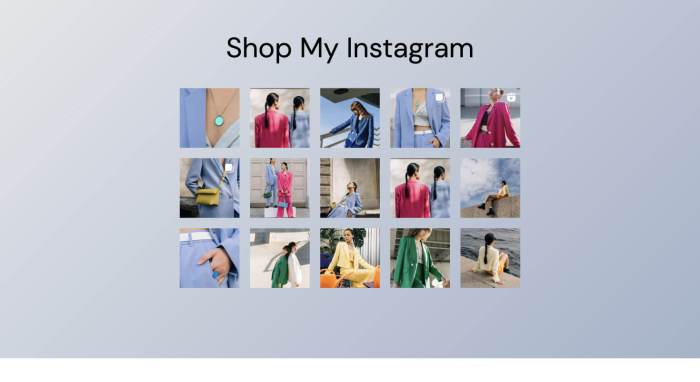


How to add Instagram shoppable images in WordPress? This guide dives deep into the world of shoppable posts, explaining how to seamlessly integrate Instagram’s interactive shopping features into your WordPress site. We’ll cover everything from choosing the right plugins and optimizing images to linking products and troubleshooting common issues, ensuring a smooth transition to enhanced e-commerce capabilities.
Integrating Instagram shoppable images into your WordPress website unlocks a powerful way to boost sales. By effectively using these images, you can transform your site into a visually engaging and user-friendly shopping destination, driving more conversions and increasing your overall revenue.
Introduction to Shoppable Images on WordPress

Shoppable images on Instagram are a powerful tool for driving sales. They allow users to directly purchase products featured in an image or video post, eliminating the need for users to leave the Instagram platform to make a purchase. This direct-to-purchase experience is highly engaging and significantly increases conversion rates. Integrating these shoppable images into a WordPress website can seamlessly connect your online store with your Instagram presence, creating a more cohesive and user-friendly shopping experience.Integrating shoppable images into your WordPress e-commerce site offers several key advantages.
Customers can easily discover and purchase products directly from your website, bypassing external links or other unnecessary steps. This direct interaction improves user experience and ultimately translates to increased sales. It also enables you to showcase your products in a more visually engaging way, which can significantly impact brand perception and appeal.
Shoppable Image Functionality
Shoppable images on Instagram are interactive, allowing users to click directly on a product within an image or video. This triggers a seamless transition to a product page on your website, where the user can view details, add the item to their cart, and complete the purchase. This streamlined process is designed to make the shopping experience quicker and more intuitive.
Purpose of Shoppable Images on WordPress
The primary purpose of integrating shoppable images into a WordPress website is to enhance e-commerce functionality. Shoppable images offer a visually compelling way to present products, which can lead to increased engagement and sales. By allowing customers to directly purchase items, you reduce friction in the purchasing process, boosting conversion rates and improving customer satisfaction.
Benefits of Shoppable Images for E-commerce, How to add instagram shoppable images in wordpress
Shoppable images offer several benefits for e-commerce businesses:
- Increased Sales and Conversions: The direct-to-purchase functionality significantly streamlines the customer journey, resulting in a higher likelihood of completing a purchase.
- Improved User Experience: Customers can easily browse and purchase products without leaving the platform, which significantly enhances their experience.
- Enhanced Brand Visibility: Shoppable images allow for more visually engaging product displays, which can improve brand perception and attract more potential customers.
- Higher Engagement Rates: Interactive elements like shoppable images typically lead to greater customer engagement with your brand.
Displaying Shoppable Images in WordPress
Various methods can be used to display shoppable images within a WordPress website layout:
- Dedicated Product Pages: Shoppable images can be integrated into individual product pages to allow customers to directly purchase the featured product.
- Product Galleries: Using galleries, you can display multiple shoppable images of a product, allowing customers to explore various angles and perspectives before purchasing.
- Blog Posts and Articles: Shoppable images can be included in blog posts and articles to highlight products relevant to the content, increasing visibility and sales opportunities.
- Homepage Carousels: Featuring shoppable images within homepage carousels or sliders can create visually appealing product showcases and highlight popular or new items.
Plugin Integration for Shoppable Images
Integrating shoppable images into your WordPress website can significantly boost sales. Plugins streamline this process, allowing you to easily link your Instagram posts directly to your online store. This simplifies the customer journey, making it easier for them to purchase products directly from your social media presence. These plugins also often offer additional features to enhance the user experience and streamline your workflow.
Popular WordPress Plugins
Several plugins excel at integrating shoppable Instagram images into your WordPress site. Key players include “Shoppable Instagram Feed,” “Instagram Feed for WooCommerce,” and “SocialMart.” Each plugin offers unique features and functionalities.
Key Features and Functionalities
These plugins typically handle image display, linking, and often offer additional features like user authentication, customizability, and integration with e-commerce platforms. The “Shoppable Instagram Feed” plugin, for instance, might provide advanced options for customizing display layouts, while “Instagram Feed for WooCommerce” is designed for seamless integration with the popular WooCommerce platform. SocialMart, on the other hand, might have a broader scope, including other social media integration options.
Plugin Comparison
A direct comparison of these plugins reveals nuanced differences in their strengths and weaknesses. “Shoppable Instagram Feed” might excel in its ability to create visually appealing feed layouts, but its WooCommerce compatibility might be limited. “Instagram Feed for WooCommerce” would likely be a stronger choice for businesses already using WooCommerce, but its overall customization options might be less extensive.
“SocialMart” might be more suitable for those needing broader social media integration capabilities.
Step-by-Step Installation and Configuration (Example: Shoppable Instagram Feed)
This example uses the “Shoppable Instagram Feed” plugin. First, install and activate the plugin from your WordPress dashboard. Then, configure the plugin settings to connect your Instagram account. You’ll need to provide your Instagram username and password (or use an API key). After successful connection, the plugin will automatically fetch your shoppable images.
Customize display options to match your website’s design.
Adding shoppable images to your WordPress Instagram feed is a breeze! You’ll need to set up the right plugins and configure your Instagram account correctly. Knowing how to use these tools effectively can significantly boost your sales. While we’re on the topic of boosting sales, checking out a google maps marketing guide can help you reach a wider audience, especially if you’re a local business.
Ultimately, these strategies work hand-in-hand to drive more traffic and engagement to your Instagram shoppable posts.
Plugin Feature Comparison
| Plugin | Responsiveness | Ease of Use | Cost |
|---|---|---|---|
| Shoppable Instagram Feed | High – Adapts to various screen sizes | Medium – Requires some configuration | Freemium – Free basic version, paid for advanced features |
| Instagram Feed for WooCommerce | High – Optimized for WooCommerce | Medium – Requires WooCommerce knowledge | Freemium – Free basic version, paid for advanced features |
| SocialMart | High – Multi-platform compatibility | High – User-friendly interface | Paid – Subscription based |
Image Optimization for Shoppable Functionality

Optimizing images for Instagram shoppable posts is crucial for a positive user experience and improved visibility. High-quality, well-formatted images attract attention and drive sales. Proper image dimensions, file formats, and alt text are essential for both Instagram’s algorithm and search engine optimization (). This section will delve into the best practices for optimizing your shoppable images.Images are the first thing users see on Instagram.
Poorly optimized images can lead to a less engaging experience, and negatively impact your reach. Following these optimization strategies will ensure that your images are displayed effectively, increasing the likelihood of customers engaging with your products and completing purchases.
Ideal Image Dimensions and File Formats
Instagram recommends specific dimensions for shoppable posts to ensure optimal display. Adhering to these dimensions is vital for maximizing visual appeal and avoiding distorted images. The ideal dimensions will vary depending on the specific type of post, but generally, images should be square or rectangular to ensure they display correctly. For example, Instagram posts designed for shoppable tags should ideally be in a vertical format.High-resolution images are essential for ensuring quality and clarity.
Choose image formats like JPEG or WebP for their balance of quality and file size. JPEG is a common format that supports a wide range of colors, making it suitable for most product photos. WebP is a newer format that offers superior compression compared to JPEG, without significant loss in image quality.
Importance of Image Alt Text
Alt text provides a textual description of an image for users who cannot see it. This is crucial for accessibility and . Relevant alt text helps search engines understand the content of the image, improving your website’s visibility in search results. When creating alt text for shoppable images, use descriptive language that accurately reflects the product being displayed.
For example, instead of “product,” use “red leather handbag.”Well-written alt text enhances the user experience and helps search engines categorize your content correctly. This is especially important for visually impaired users who rely on screen readers to navigate the web. Accurate alt text also helps search engines understand the context of the image, which can positively influence search ranking.
Ensuring Image Quality
Image quality is paramount for a positive user experience. Images should be sharp, clear, and free of distortions or artifacts. High-quality images ensure that customers can easily identify and appreciate the product, increasing their likelihood of making a purchase.Use high-resolution cameras or devices to capture your images. If you have a professional photographer, it will be very beneficial to ensure quality images.
Use professional-grade editing software to enhance images if necessary, and maintain the original quality to prevent any issues with clarity.
Image Compression Techniques
Image compression is essential for reducing file size without compromising quality. This is critical for faster loading times on Instagram and other platforms. Several techniques can help achieve this balance. Image optimization tools can help reduce file size without compromising image quality, ensuring a smoother user experience.
Table Demonstrating Image Formats and Compression Rates
| Image Format | Compression Rate (Approximate) | Quality | Suitable for |
|---|---|---|---|
| JPEG | High | Good | Most product images |
| WebP | Very High | Excellent | Product images, logos, and graphics |
| PNG | Low | High | Images with transparency or complex graphics |
Linking Images to Instagram Products
Connecting your WordPress images to their corresponding Instagram shoppable products is crucial for a seamless shopping experience. This process ensures that when a visitor clicks on a product image in your WordPress site, they are directed to the correct product on Instagram, and the product details are accurately reflected. Without a proper link, the shopping experience will be frustrating, and the potential sales will be missed.This section dives into the methods for establishing this connection, from manual linking to automated systems, and highlights the importance of maintaining consistent product information across platforms.
Accurate product information displayed alongside the images builds trust and confidence in your brand, leading to increased conversions.
Manual Linking Process
Manual linking involves directly linking each WordPress image to its corresponding Instagram shoppable product. This is a detailed, step-by-step process, though it can become tedious with many images. It requires careful attention to detail to maintain consistency between your WordPress product descriptions and Instagram product information.
Automated Linking Methods
Automated methods offer a streamlined solution for linking numerous images to Instagram products. Plugins and tools designed for this purpose often synchronize product data between your WordPress site and Instagram, making the process much more efficient. However, these methods may require initial setup and configuration.
Ensuring Accurate Product Information
Maintaining consistency between Instagram product information and WordPress product descriptions is paramount. Inconsistencies in product names, descriptions, or pricing can lead to confusion for customers and negatively impact sales. Ensure that the product details on Instagram and WordPress are identical to avoid any discrepancies.
Step-by-Step Guide to Linking
| Method | Description | Pros | Cons |
|---|---|---|---|
| Manual Linking | Using the WordPress image editor to directly insert the Instagram shoppable product link. This often involves using a special URL format provided by Instagram. | Complete control over the linking process. | Time-consuming for a large number of images. Requires precise URL formatting. |
| Automated Linking (Plugin Example) | Employing a plugin that synchronizes product data between your WordPress site and Instagram. This often includes features for automatic updates and image tagging. | Saves time and effort for large product catalogs. Often includes features for automatic updates. | Requires plugin setup and configuration. May have limitations based on the specific plugin used. |
The table above Artikels the two primary methods for linking WordPress images to Instagram shoppable products. Choosing the right method depends on your specific needs and the number of products you are managing. Manual linking provides ultimate control, but automation significantly speeds up the process for extensive product catalogs.
Adding shoppable images to your Instagram feed for your WordPress site is a great way to boost sales. But what if you’re also looking to sell group memberships for corporate teams? You might want to consider a platform like WordPress to handle that as well. Check out this guide on how to sell group memberships in WordPress for corporate teams for some helpful tips.
No matter which approach you choose, remember that high-quality shoppable images can significantly improve your online sales.
Displaying Shoppable Images in WordPress Themes: How To Add Instagram Shoppable Images In WordPress
Integrating shoppable images into your WordPress site’s existing theme requires careful consideration of the theme’s structure and functionality. This involves understanding how your chosen theme handles image displays and making modifications to seamlessly incorporate the shoppable features. This process allows for a smooth user experience, ensuring that customers can easily browse and purchase products directly from your website.Implementing shoppable images effectively depends on understanding the theme’s structure and utilizing appropriate methods for integration.
This often involves modifying theme templates or utilizing shortcodes and custom functions to seamlessly incorporate the shoppable elements. A well-designed integration ensures a user-friendly experience and maintains the overall aesthetic of your website.
Modifying Theme Files for Shoppable Image Integration
Theme files typically contain the code that controls how images are displayed. To integrate shoppable images, you need to identify the relevant sections in your theme’s template files, such as `single.php`, `product.php`, or `archive-product.php`. Carefully examine the existing code for image placement and add the necessary code snippets to handle the shoppable functionality. Ensure that these modifications don’t disrupt the existing layout or functionality of the theme.
Using Shortcodes or Custom Functions
Shortcodes offer a flexible way to incorporate shoppable images into your theme. They allow for embedding the shoppable image functionality directly into your theme’s layout, without requiring extensive code modifications. Custom functions provide more granular control, enabling you to tailor the shoppable image integration to specific needs, such as product variations or custom styling. These functions can be easily integrated into the theme’s existing codebase, maintaining the theme’s integrity and structure.
Importance of Responsiveness and Compatibility
Shoppable images must be responsive to ensure optimal viewing across different devices and screen sizes. This involves using responsive image techniques, like `srcset` and `sizes` attributes, to dynamically adjust image dimensions based on the user’s device. Implementing responsive design ensures that your shoppable images display correctly on desktops, tablets, and mobile phones, enhancing the overall user experience and minimizing the risk of broken or distorted images.
Table of WordPress Theme Layouts and Shoppable Image Compatibility
| Theme Layout | Compatibility | Notes | Potential Issues |
|---|---|---|---|
| Full-width image layout | Generally Compatible | May require minor adjustments to accommodate shoppable image dimensions. | Potentially complex adjustments for full-width shoppable image integration. |
| Grid-based layout | Compatible | Shoppable images can be integrated seamlessly into grid layouts. | Ensuring equal spacing and visual appeal across different screen sizes. |
| Sidebar-based layout | Compatible | Shoppable images can be incorporated alongside sidebar content. | Maintaining balance and visual harmony between images and sidebar elements. |
| Custom layouts | Variable Compatibility | Compatibility depends on the theme’s custom code. | Potential need for custom adjustments or integration scripts. |
Troubleshooting Common Issues
Adding shoppable images to your WordPress site can be a fantastic way to boost sales, but sometimes things don’t go as planned. This section will guide you through common problems you might encounter and provide practical solutions. Knowing how to troubleshoot these issues will save you time and frustration, ensuring your shoppable images are functioning smoothly.
Plugin Conflicts
Plugin conflicts are a frequent source of trouble when integrating shoppable images. Different plugins can sometimes clash, interfering with the functionality of the shoppable image plugin. This can manifest as images not displaying correctly, links not working, or other unexpected behaviors.
- Identifying the Conflict: Carefully review the plugins installed on your WordPress site. If you’ve recently added or updated plugins, there’s a good chance one of them is causing the issue. Try temporarily deactivating all plugins except the core ones and the shoppable image plugin to see if the problem persists. If the problem goes away, then you’ve identified a conflict.

- Resolving the Conflict: If a conflict is identified, update conflicting plugins to the latest versions, or consider using a plugin compatibility checker. If the problem persists, consider contacting the developers of the conflicting plugins or the shoppable image plugin for support.
Theme Incompatibilities
WordPress themes can sometimes have conflicts with shoppable image plugins. Certain theme styles or design elements may not be compatible with the plugin’s features.
- Checking Theme Compatibility: Consult the documentation for both your theme and the shoppable image plugin. Look for any specific compatibility notes or recommendations. The plugin’s documentation may provide instructions on how to customize your theme to ensure compatibility.
- Theme Customization: If the issue is related to theme styling, you might need to adjust CSS to ensure the shoppable elements integrate correctly. Be cautious when editing theme files, as incorrect modifications can lead to further problems.
Image Optimization Issues
Poor image optimization can lead to slow loading times and broken links, significantly impacting user experience.
- Image File Size: Large image files can significantly slow down loading times, impacting your website’s performance and user experience. Optimizing image sizes is crucial for shoppable images, which are often used in high volumes.
- Image Formats: Choose appropriate image formats (like WebP or JPEG) to reduce file sizes without sacrificing quality. WebP, in particular, can offer substantial size reductions compared to other formats.
- Image Compression: Employ image compression techniques to further reduce file sizes. Several image optimization tools are available that can help.
Broken Links
Broken links can occur due to incorrect product IDs or issues with Instagram product integration.
- Verification of Product IDs: Double-check that the product IDs you’re using in your WordPress site match the actual product IDs on your Instagram shop. Ensure that you have correctly linked the product IDs.
- Instagram API Issues: Sometimes, issues with the Instagram API can cause broken links. Try refreshing your Instagram shop’s product data or waiting a while for the API to update. If the problem persists, contact Instagram support for further assistance.
Troubleshooting Table
| Problem | Possible Cause | Troubleshooting Steps | Solution |
|---|---|---|---|
| Shoppable images not displaying | Plugin conflict, theme incompatibility, incorrect image paths | Deactivate other plugins, check theme documentation, verify image paths | Update plugins, adjust theme CSS, correct image paths |
| Broken links to Instagram products | Incorrect product IDs, Instagram API issues, slow image loading | Verify product IDs, refresh Instagram shop data, optimize image sizes | Correct product IDs, wait for API update, compress images |
| Slow image loading times | Large image files, improper image formats | Reduce image file sizes, use WebP or JPEG formats | Optimize images, use appropriate formats |
Security Considerations for Shoppable Images
Adding shoppable images to your WordPress site opens exciting opportunities for e-commerce, but it also introduces security concerns. Carefully chosen plugins and robust security measures are essential to protect your website, products, and customer data. Neglecting these aspects can lead to significant vulnerabilities, potentially impacting your reputation and bottom line.Protecting your shoppable images and the associated data is paramount.
Adding shoppable Instagram images to your WordPress site is surprisingly straightforward. You’ll need to ensure your Instagram account is set up correctly and linked to your WordPress store. Understanding the strategic importance of visibility, like in Andrew Sobel’s insightful piece on building a visible expert presence here , is also key. Ultimately, a polished Instagram shoppable image strategy will drive sales and engagement.
This includes safeguarding product information, pricing, inventory, and customer details. Compromised security can result in unauthorized access to sensitive information, leading to data breaches and financial losses. Implementing robust security measures is therefore crucial for maintaining a secure and trustworthy online presence.
Importance of Secure Plugins
Using reputable and regularly updated plugins is vital for protecting your WordPress site. Insecure plugins can introduce vulnerabilities that malicious actors can exploit. This is particularly true for plugins handling sensitive data, such as payment processing or customer information. Always prioritize plugins from trusted developers and thoroughly research their security records. Regularly checking for updates and patching known vulnerabilities is crucial to maintaining a strong defense against cyber threats.
Protecting Sensitive Product Data
Shoppable images often contain valuable product information, such as prices, descriptions, and stock levels. Protecting this data is essential. Employing secure data storage methods, using strong encryption protocols, and implementing access controls for sensitive product information are vital steps. Implementing these measures prevents unauthorized access to product details and safeguards your business’s financial and operational integrity. Storing data on a secure server with robust firewall protection is also important.
Safeguarding Against Potential Vulnerabilities
Implementing a strong firewall and intrusion detection system can act as a first line of defense against malicious attacks. Regular security audits and penetration testing can identify potential vulnerabilities before they are exploited. Staying informed about the latest security threats and adopting proactive measures can significantly reduce the risk of your shoppable image functionality being compromised. This includes keeping WordPress core, themes, and plugins up to date.
Security Best Practices for Shoppable Images
- Regular Plugin Updates: Keeping plugins updated is crucial. Outdated plugins are more susceptible to security exploits. This applies to all plugins, not just those handling shoppable images.
- Strong Passwords: Using strong, unique passwords for all your WordPress accounts and plugin installations is paramount. Employ a password manager to help generate and store complex passwords securely.
- Two-Factor Authentication (2FA): Enable 2FA wherever possible. This adds an extra layer of security, making it significantly harder for attackers to gain access even if they obtain a password.
- Secure Storage: Use secure storage methods for sensitive product data, including encryption and access controls. Store sensitive information only on secure servers and not locally.
- Firewall Protection: Employ a robust firewall to protect your website from malicious attacks. This helps to prevent unauthorized access and data breaches.
- Regular Security Audits: Conduct regular security audits to identify potential vulnerabilities. A professional security audit can help find issues that might otherwise go unnoticed.
- Data Encryption: Implement data encryption for all sensitive data, including customer information and product details. Use HTTPS to encrypt all communication between the site and users.
- Input Validation: Validate all user inputs to prevent malicious code injection attacks. Ensure that data coming from external sources is properly sanitized to prevent vulnerabilities.
- Security Training: Provide security training to all employees involved in managing the website and shoppable image functionality to ensure they understand the importance of secure practices and can identify potential risks.
Advanced Techniques and Enhancements
Taking your shoppable Instagram images to the next level requires more than just basic linking. Optimizing for performance and user engagement unlocks a powerful sales engine. This section delves into advanced strategies for visually captivating displays, interactive elements, and product recommendations. By implementing these techniques, you’ll significantly improve the user experience, driving more conversions and boosting your brand’s visibility.Advanced techniques go beyond simple image linking to create dynamic and engaging experiences for your Instagram audience.
This involves optimizing image performance for seamless loading, crafting visually appealing displays, and integrating advanced features like interactive elements or product recommendations. The goal is to create an immersive experience that not only showcases your products but also encourages exploration and purchase.
Optimizing Image Performance
Optimizing image sizes and formats is crucial for a smooth user experience. Large, high-resolution images can significantly slow down loading times, leading to frustration and lost potential customers. Compressing images without sacrificing quality is key to balancing file size and visual appeal. Tools like TinyPNG and ImageOptim can significantly reduce file sizes while maintaining visual fidelity. Using appropriate image formats like WebP (which offers superior compression) over JPEG is also essential.
Creating Visually Appealing Displays
Creating visually appealing displays is paramount to capturing attention and driving conversions. High-quality photography, clear product labeling, and engaging layouts are critical. Employing eye-catching color schemes and fonts that align with your brand identity further enhance the aesthetic appeal. Consider using a consistent style guide for all shoppable images to maintain brand recognition and professionalism.
Integrating Interactive Elements
Interactive elements elevate the user experience by making shoppable images more engaging and dynamic. Features like zoom capabilities, 360-degree views, or interactive product configuration tools allow customers to explore products in greater detail before making a purchase decision. These features encourage engagement and provide a richer, more immersive shopping experience.
Implementing Product Recommendations
Product recommendations can significantly enhance sales by suggesting related or complementary items. Displaying these recommendations directly within the shoppable image can streamline the purchasing process and introduce customers to additional products they might find appealing. Utilizing algorithms to identify relevant products and personalize recommendations will increase the likelihood of upselling and cross-selling opportunities.
Step-by-Step Guide and Pros/Cons
| Technique | Description | Pros | Cons |
|---|---|---|---|
| Optimized Image Formats | Using WebP or optimizing JPEGs with tools like TinyPNG. | Faster loading times, reduced file sizes, improved visual fidelity. | May require learning curve for image editing tools, potential for slight quality loss if not done properly. |
| High-Quality Photography | Using professional-grade images, clear product labeling. | Increased visual appeal, trust in brand, clearer product information. | Higher production costs, more time-consuming to create high-quality images. |
| Interactive Zooms and 360° Views | Integrating features that allow for detailed product inspection. | Enhanced customer experience, increased engagement, reduced purchase hesitancy. | Requires technical implementation, potential for complexity in design. |
| Product Recommendations | Displaying relevant items directly within the shoppable image. | Increased upselling and cross-selling opportunities, more comprehensive shopping experience. | Requires a strong recommendation algorithm, potential for irrelevant recommendations. |
Ultimate Conclusion
In conclusion, adding shoppable images to your WordPress site is achievable and can significantly enhance your e-commerce presence. By following the steps Artikeld in this guide, you can confidently integrate Instagram’s shoppable features, optimize your images, and link products effectively, ultimately creating a seamless and engaging shopping experience for your customers. Remember to carefully consider plugins, image quality, and security best practices to ensure a successful implementation.