



Google AMP need know mobile content searches are crucial for modern web presence. Understanding how to optimize your content for Accelerated Mobile Pages (AMP) is key to ranking well in mobile search results. This involves more than just speed; it’s about crafting content that meets the needs of mobile users, focusing on quick loading times and easily digestible information.
This guide delves into the intricacies of AMP optimization, exploring best practices, user needs, and performance monitoring.
Mobile users often seek concise, readily available information. AMP, by its nature, helps deliver this by providing a streamlined experience, essential for retaining their attention in the mobile-first world. This exploration of Google AMP for mobile content searches will help you understand user behavior, optimize content structures, and maximize your reach in mobile searches.
Mobile Content Optimization for AMP
AMP, or Accelerated Mobile Pages, is a Google initiative designed to significantly improve the mobile web browsing experience. It accomplishes this by dramatically reducing page load times, a critical factor in user engagement and conversion rates. Mobile users are often impatient, and slow-loading pages lead to higher bounce rates and lower satisfaction.AMP optimizes content for speed, enabling websites to deliver content to mobile devices much faster than traditional web pages.
This optimized performance directly impacts search results, putting AMP-enabled pages higher in mobile search rankings. This enhanced visibility benefits both the user, who enjoys a quicker experience, and the website, which gains increased traffic.
Impact on Mobile Search Results
AMP-optimized pages are often prioritized in Google’s mobile search results. This prioritization is due to the inherent speed and efficiency of AMP pages. Google’s algorithms recognize the value of fast-loading content and reward websites that provide it. Consequently, a site that embraces AMP is likely to rank higher in mobile search results, driving more organic traffic to the site.
The speed of loading is a crucial factor for users and is directly related to search ranking.
Best Practices for Optimizing Mobile Content for AMP
AMP pages require a specific structure and use of elements. Adhering to these specifications is essential for optimal performance. The structure of the page needs to be in line with AMP’s strict guidelines, and content should be optimized for fast loading times. This includes using optimized images, limiting JavaScript, and leveraging AMP-specific tags and elements. Using efficient coding practices is key.
Knowing Google AMP for mobile content searches is crucial. But, how do you make the most of your social media presence? A great place to start is with a solid plan. Check out this helpful guide to setting up social media goals and how to hit them a guide to setting up social media goals and how to hit them.
Once you’ve got your social strategy nailed down, you can focus on optimizing your AMP content for maximum mobile visibility.
AMP-friendly HTML markup will reduce page size, which further contributes to quicker loading times.
Importance of Fast Loading Speeds for Mobile Users
Fast loading speeds are paramount for mobile users. Slow loading pages lead to frustration and a negative user experience. Studies have shown a direct correlation between page load time and user engagement. Mobile users often have limited data plans or are in areas with poor network connectivity. Consequently, they need websites to load quickly, reducing the burden on their data usage and improving their experience.
Speed is a significant factor in mobile user retention. A faster site results in more engaged users.
AMP-Optimized vs. Non-AMP Pages
| Feature | AMP-Optimized Page | Non-AMP Page |
|---|---|---|
| Load Time | Substantial reduction in load time (often under 1 second) | Potentially longer load time (often exceeding 3 seconds) |
| User Experience | Faster loading, smoother navigation, and increased engagement | Potential for slow loading, frustrating experience, and reduced engagement |
| Search Ranking | Potentially higher ranking in mobile search results | Potential for lower ranking in mobile search results |
| Data Usage | Minimized data consumption | Potentially higher data consumption |
This table clearly demonstrates the advantage of AMP-optimized pages in terms of speed and user experience.
Creating Mobile-First Content for Improved AMP Performance
Creating mobile-first content is a crucial step in optimizing for AMP. This involves designing the website from the perspective of a mobile user, considering screen size and touch interactions. Mobile-first design often entails using responsive layouts, ensuring content adapts to different screen sizes. Images and videos should be optimized for mobile viewing. This reduces the overall size of the page, contributing to faster load times.
Utilizing lightweight image formats and optimizing videos for mobile devices is critical.
Understanding User Needs in Mobile Searches
Mobile users are increasingly relying on Accelerated Mobile Pages (AMP) for quick access to information. Understanding their specific needs and search patterns is crucial for creating effective AMP content. This understanding allows content creators to tailor their content to satisfy user intent, ultimately driving engagement and conversions.Mobile search queries often differ from desktop searches, focusing on immediate needs and actionable information.
Users on mobile devices are typically seeking information quickly and conveniently. AMP’s fast loading times and optimized design cater directly to these needs.
Typical User Needs and Search Patterns, Google amp need know mobile content searches
Mobile users frequently employ AMP to find immediate answers, locate nearby businesses, and check real-time information. They are less likely to engage in extensive research, favoring concise, easily digestible content. This translates to a high demand for easily scannable articles, quick summaries, and up-to-the-minute updates.
Types of Mobile Content Searched Using AMP
A significant portion of AMP-driven mobile searches focuses on news updates, sports scores, weather reports, and travel information. Users also seek quick access to local business listings, product reviews, and event schedules. This highlights the importance of providing timely, accurate, and relevant content within AMP.
Frequent Search Terms Related to ‘Need to Know’ Information
Common search terms include “local restaurants near me,” “today’s scores,” “breaking news,” “weather forecast,” “flight status,” and “bus schedule.” These terms demonstrate the mobile user’s desire for immediate, practical information.
Categorization of User Needs
User needs can be categorized into several key areas:
- Information Seeking: This encompasses searches for news, weather, sports scores, and similar timely information.
- Location-Based Services: Users frequently seek local businesses, directions, and nearby amenities. This includes searches for “restaurants near me” or “coffee shops downtown.”
- Action-Oriented Tasks: Users might look for real-time updates, event schedules, or flight information, demonstrating a need for immediate, actionable data.
Table of Mobile Content Types, User Needs, and AMP Implementations
This table Artikels different types of mobile content, their corresponding user needs, and how AMP can be implemented effectively:
| Content Type | User Needs | AMP Implementation |
|---|---|---|
| News Articles | Immediate access to breaking news and updates. | Implement AMP-optimized news articles with concise summaries, high-quality images, and quick loading times. |
| Weather Reports | Real-time weather information for current conditions and forecasts. | Utilize AMP for weather pages, including interactive maps and real-time data feeds. |
| Local Business Listings | Finding nearby businesses with details like addresses and hours. | Create AMP-optimized business profiles with clear calls to action, including directions and customer reviews. |
| Event Schedules | Access to schedules of events, concerts, or other happenings. | AMP-optimized event listings, including detailed descriptions, dates, and times. |
Content Structure for AMP
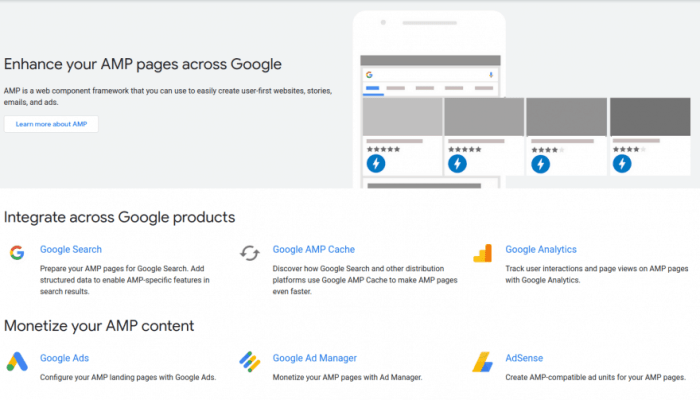
AMP, or Accelerated Mobile Pages, is designed for lightning-fast loading times on mobile devices. A key aspect of optimizing for AMP is structuring your content for maximum readability and comprehension on a small screen. This involves prioritizing clear, concise, and scannable content.Effective AMP structure goes beyond simply presenting information; it’s about delivering the “need-to-know” in a way that is easily digested by mobile users.
Knowing Google AMP for mobile content searches is crucial for boosting visibility. But, choosing the right CRM system can also significantly impact your business. For a deep dive into the best CRM solution, check out this in-depth comparison of Salesforce versus Microsoft Dynamics 365 here. Ultimately, understanding AMP optimization is key to succeeding in today’s mobile-first world.
This approach emphasizes conciseness and organization to ensure optimal user experience.
Optimal Structure for Clarity and Conciseness
AMP pages benefit from a hierarchical structure mirroring the natural flow of information. Headings, subheadings, and short paragraphs are crucial for readability and scanning. A clean visual hierarchy aids users in quickly identifying key details. Images should be optimized for web use and loaded efficiently, contributing to a fast-loading page.
Presenting “Need-to-Know” Information
Prioritize essential information at the beginning of the page. Use a clear introduction and concise summaries to highlight the most important aspects of the content. Organize the content using bullet points or numbered lists where appropriate, aiding scannability. This approach is particularly effective for presenting data, steps, or key takeaways.
Comparison of Different AMP Page Structures
Different AMP page structures are suitable for various content types. A simple structure, utilizing headings and short paragraphs, is well-suited for news articles and blog posts. A more complex structure, incorporating lists and tables, might be preferable for how-to guides or articles with detailed procedures. For example, a recipe might benefit from a numbered list of ingredients and steps.
Conversely, a product review might use a bullet point format to highlight key features. Careful consideration of the content type will determine the most appropriate AMP structure.
Organizing Content Elements
Using bullet points and numbered lists significantly enhances scannability. These elements improve the visual appeal and allow users to quickly absorb key information. For example, a list of product features or a numbered step-by-step guide can be highly effective.
Effective AMP structure prioritizes user experience by making content easily digestible on mobile devices.
Examples of Heading, Paragraph, and Image Usage
Headings (H1, H2, H3) should be used to break up the content into logical sections, making it easier for users to navigate and understand the page. Use concise and descriptive headings. Short paragraphs containing specific details are vital for clarity. Images should be optimized for web use, and their alt text should provide context for screen readers and improve .
Knowing Google AMP for mobile content searches is crucial, but boosting your Instagram presence is equally important. For example, learning how to effectively market on Instagram can significantly increase your reach. Check out instagram marketing 101 grow your following with these 7 guides and 5 courses for a comprehensive guide to Instagram marketing, which will ultimately help you optimize your mobile content for search engines.
Ultimately, understanding both strategies will improve your overall mobile content visibility.
For example, an image of a product should have an alt text describing the product. An image depicting a step in a process should describe that step in the alt text.
Optimizing for Mobile-First Indexing
Mobile-first indexing is a crucial aspect of modern . Google now prioritizes the mobile version of a website for indexing and ranking. This means that if your website isn’t optimized for mobile devices, it could suffer in search results. This is especially true for Accelerated Mobile Pages (AMP) since AMP is designed specifically for mobile experiences.Google’s mobile-first indexing fundamentally alters how websites are evaluated and ranked, forcing a shift in optimization strategies.
The core principle is to focus on delivering a seamless and fast mobile experience. This directly impacts AMP content optimization, demanding a mobile-centric approach. AMP pages must be not only fast but also effectively communicate content to mobile users.
Impact of Mobile-First Indexing on AMP Content
Mobile-first indexing necessitates a focus on mobile-friendliness, speed, and content relevance. AMP pages, by their nature, are designed for speed. However, mobile-first indexing mandates ensuring AMP pages load quickly and provide a positive user experience on all mobile devices.
Ensuring AMP Pages are Optimized for Mobile-First Indexing
AMP pages must adhere to Google’s mobile-first indexing principles. This includes:
- Prioritize Mobile-Friendly Design: AMP pages must be designed with a mobile-first mindset. This means ensuring the layout, navigation, and overall design is optimized for smaller screens and touch interactions.
- Optimize for Speed: AMP pages are inherently designed for speed. But optimizing for speed involves more than just using AMP. Efficiently loading assets, minimizing HTTP requests, and using appropriate caching strategies are critical for a fast user experience.
- Focus on Content Relevance: Mobile users are often looking for specific information quickly. Ensure your AMP content addresses user needs and provides the relevant information in a concise format.
- Validate Your AMP Pages: Use Google’s AMP validator tool to identify and fix any issues with your AMP pages. This ensures compliance with AMP specifications.
Importance of Responsive Design for AMP Pages
While AMP pages aren’t technically responsive in the traditional sense, they are designed to provide a mobile-first experience. AMP’s structure, however, doesn’t automatically translate to a responsive website. The underlying website structure needs to be mobile-first. If you have a website that isn’t designed for mobile-first, you will have difficulty creating effective AMP pages.
Structured Data Markup for AMP
Structured data markup, particularly schema.org, is crucial for better search result presentation. Using structured data on AMP pages helps search engines understand the content better. This results in more informative search results, which can lead to improved click-through rates.
| Mobile-First Indexing Best Practices | AMP Implementation |
|---|---|
| Prioritize mobile-friendly design | AMP’s layout and navigation are inherently mobile-centric. |
| Optimize for speed | AMP is designed for speed, but meticulous optimization is crucial. |
| Focus on content relevance | AMP content should provide concise, user-focused information. |
| Ensure compliance with AMP specifications | Use the AMP validator tool to identify and resolve issues. |
| Utilize structured data markup | Implement schema.org markup for improved search result presentation. |
Image and Video Optimization for AMP
AMP (Accelerated Mobile Pages) is designed for lightning-fast mobile browsing. Optimizing images and videos is crucial for achieving this speed and enhancing user experience. Proper optimization reduces page load time, leading to higher engagement and improved search rankings.Effective image and video optimization for AMP goes beyond simply making the content smaller. It involves careful selection of formats, compression techniques, and delivery methods that maintain quality while drastically reducing file sizes.
This is essential for creating a smooth and enjoyable user experience on mobile devices.
Image Formats Suitable for AMP
Choosing the right image format is vital for balancing quality and file size. WebP is highly recommended for AMP pages due to its ability to deliver high-quality images with significantly smaller file sizes compared to JPEG. JPEG, while widely supported, may not offer the same compression benefits. Consider using WebP whenever possible for optimal AMP performance. PNG is another viable option for images with transparency, but keep in mind that it typically results in larger file sizes than WebP.
For simple graphics, SVG (Scalable Vector Graphics) offers a high-quality, vector-based alternative that scales without loss of quality. However, complex images may not be suitable for this format.
Responsive Images for Cross-Device Display
Using responsive images within AMP ensures that your images adapt seamlessly to various screen sizes. This is crucial for a consistent user experience across different mobile devices. AMP’s built-in component allows you to define multiple image sources, each with a different width, using the `srcset` attribute. This enables the browser to select the most appropriate image based on the user’s device screen size. This approach significantly reduces the chance of images being too large or too small for the screen, ensuring crisp and sharp display. This responsiveness is vital for a positive user experience, especially on devices with different resolutions.
Compression Techniques for Image Quality Maintenance
Image compression is essential for reducing file sizes without compromising quality. Employ lossy compression techniques like JPEG with a suitable quality setting to achieve optimal results. Use online tools or image editing software to fine-tune the compression settings. For images that require a high degree of detail, consider lossless compression methods, such as PNG, which maintain the original quality of the image.
When choosing a method, always prioritize file size reduction and quality. Finding the balance between these two factors is crucial for performance.
Lazy Loading for Images and Videos
Lazy loading is a technique that defers the loading of images and videos until they are visible in the viewport. This significantly improves initial page load time by reducing the amount of data that needs to be downloaded initially. AMP supports lazy loading for images and videos using the `loading=”lazy”` attribute. This attribute is crucial for optimizing AMP pages for speed and user experience.
By loading images and videos only when they enter the user’s viewport, the page loads faster, enhancing the user experience.
Importance of File Size Reduction
Reducing image and video file sizes is paramount for improving AMP page load time. Smaller file sizes translate directly into faster loading times. This leads to a better user experience, as users are less likely to abandon a page that takes too long to load. By minimizing file sizes, the page is rendered faster, leading to a higher chance of engagement.
Consider that smaller file sizes also improve search engine rankings by reflecting a better user experience.
AMP and Schema Markup for Rich Snippets: Google Amp Need Know Mobile Content Searches
AMP pages, designed for lightning-fast mobile experiences, can benefit significantly from schema markup. This structured data helps search engines understand the content’s meaning, potentially leading to richer search results, improved click-through rates, and increased visibility in mobile search. This approach is particularly important in the mobile-first indexing world, where search engines prioritize mobile versions of websites.Implementing schema markup on AMP pages enhances search engine comprehension, allowing for more accurate indexing and improved display in search results.
This ultimately contributes to a more positive user experience, leading to higher engagement and potentially driving more traffic to the site. By clearly defining the content type, search engines can display more informative snippets, including images, reviews, and prices, directly within the search results, potentially attracting more clicks.
Schema Markup Implementation for Different Content Types
Schema markup is crucial for conveying the context of your AMP content to search engines. Proper implementation ensures that the search engine correctly understands the type of content, which in turn allows it to present the information in a user-friendly way within search results. Different types of content necessitate tailored schema markup. For instance, a recipe page will need a different schema markup than a product review page.
Schema Markup Types Suitable for AMP and Mobile Content Searches
Several schema markup types are highly beneficial for AMP and mobile content searches. These markups can include Product, Recipe, Article, Event, and many others, each catering to specific content types. Choosing the appropriate markup ensures search engines understand the context of the content.
Best Practices for Implementing Schema Markup Within AMP
AMP pages have specific requirements for implementing schema markup. It’s essential to adhere to these guidelines to ensure optimal performance and compatibility. Correctly structuring the markup is paramount for achieving optimal results.
Table of Schema Markup Types, Use Cases, and Impact
| Schema Markup Type | Use Cases for AMP | Impact on Search Results |
|---|---|---|
| Product | E-commerce websites displaying products | Displays product images, prices, and ratings directly in search results, increasing click-through rates. |
| Recipe | Websites featuring recipes | Displays recipe images, ingredients, and preparation time in search results, making the recipe more appealing and clickable. |
| Article | News articles, blog posts | Allows for richer display of articles in search results, including author information and publication date. |
| Event | Sites showcasing events | Displays event details, dates, and location in search results, making events easily discoverable. |
| AggregateOffer | Sites aggregating product prices from different retailers | Improves the visibility of aggregated product pricing and offers, enabling comparison shopping. |
Performance Monitoring and Analysis

AMP page performance is crucial for delivering a seamless user experience and achieving optimal search visibility. Monitoring and analyzing this performance allows for identification of bottlenecks and opportunities for improvement, ultimately leading to higher engagement and conversion rates. Understanding how to track key metrics and leverage tools like Google Search Console is essential for success.AMP pages, while designed for speed, still require ongoing monitoring to ensure they meet user expectations.
Effective performance analysis involves tracking load times, user engagement metrics, and identifying areas where optimization efforts can yield the greatest results. This comprehensive approach allows for a dynamic understanding of the impact of changes and provides data-driven insights for future improvements.
Monitoring AMP Page Load Times
Accurate load time monitoring is essential for evaluating AMP page performance. This involves using tools to measure the time it takes for different components of the page to load, from initial render to full page load. Detailed analysis reveals specific areas for improvement, such as optimizing images, reducing HTTP requests, or leveraging caching strategies.
Tracking User Engagement Metrics
User engagement metrics provide insight into how users interact with AMP pages. Metrics like bounce rate, average session duration, and click-through rates offer valuable data for understanding user behavior. Analyzing these metrics reveals which aspects of the page resonate with users and which require further refinement.
Analyzing AMP Page Performance
A comprehensive performance analysis involves scrutinizing data from various sources. Identifying areas for improvement requires a detailed understanding of how different elements of the AMP page contribute to the overall user experience. This analysis may involve reviewing network latency, server response times, and the impact of specific content elements.
Key Performance Indicators (KPIs) for AMP Pages
Understanding key performance indicators (KPIs) is vital for measuring the success of AMP implementation. Tracking these metrics allows for the identification of potential problems and opportunities for improvement.
| KPI | Description | Tracking Method |
|---|---|---|
| Page Load Time (ms) | The time it takes for the page to fully load. | Use tools like Google PageSpeed Insights, Chrome DevTools, or dedicated AMP performance monitoring services. |
| Bounce Rate (%) | The percentage of visitors who leave the page after viewing only one page. | Google Analytics, Search Console, and dedicated AMP performance monitoring tools. |
| Average Session Duration (seconds) | The average amount of time users spend on the page. | Google Analytics, Search Console, and dedicated AMP performance monitoring tools. |
| Click-Through Rate (CTR) (%) | The percentage of users who click on a specific element (e.g., a link). | Google Analytics, Search Console, and dedicated AMP performance monitoring tools. |
| Mobile-First Indexing Performance | Performance measured specifically within mobile-first indexing. | Google Search Console provides insights into mobile-first indexing performance. |
Using Google Search Console for AMP Performance Monitoring
Google Search Console offers a wealth of data for monitoring AMP page performance. It provides insights into AMP indexing status, crawl errors, and mobile usability issues. Leveraging this data enables proactive identification and resolution of performance-related issues. It also helps to identify potential issues with AMP pages before they impact user experience or search rankings.
Wrap-Up
In conclusion, optimizing for Google AMP in mobile content searches requires a multifaceted approach. From understanding user needs to implementing robust schema markup, a meticulous strategy is needed. By focusing on fast loading speeds, easily scannable content, and mobile-first indexing principles, you can craft an experience that will resonate with your mobile audience. Ultimately, AMP empowers you to create content that not only performs well in search but also provides a superior user experience.
This is crucial for maintaining visibility and attracting users on the go.