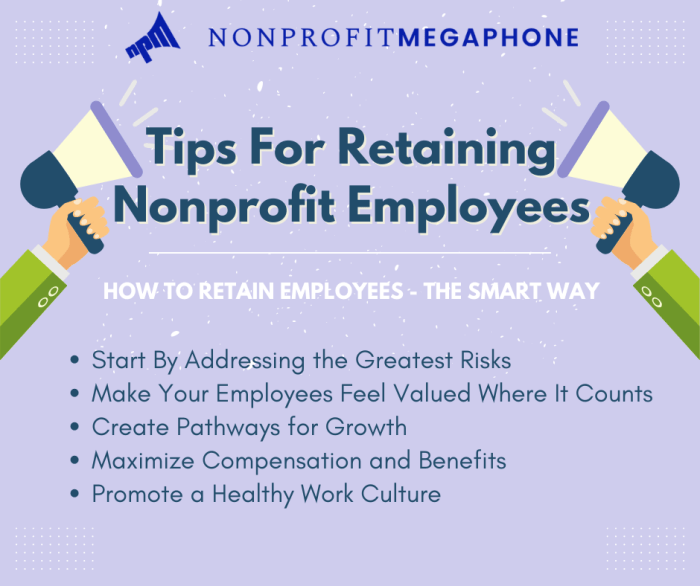

Five tips for small businesses who need to hire and retain employees: This guide dives deep into crucial strategies for attracting, onboarding, and keeping top talent in your small business. From crafting compelling job descriptions to fostering a positive work environment, we’ll explore actionable steps to build a thriving team.
Small businesses often face unique challenges when it comes to recruitment and retention. This comprehensive guide equips you with the knowledge and tools to overcome these hurdles and create a company culture that attracts and keeps the best employees. We’ll cover everything from effective interviewing techniques to competitive compensation packages and strategies for employee engagement.
Attracting Top Talent
Landing the right people is crucial for a small business’s success. Attracting top talent isn’t just about posting a job; it’s about crafting a compelling narrative that resonates with potential employees. It’s about showcasing the unique advantages of working in a smaller environment, and highlighting the personal and professional growth opportunities that come with it. This involves a strategic approach to recruitment, going beyond traditional methods and embracing innovative strategies.Small businesses often have a unique culture, a dynamic environment, and a fast-paced approach.
Highlighting these aspects in your recruitment efforts will make your company stand out from the competition. Candidates are looking for more than just a paycheck; they’re seeking purpose, growth, and a sense of belonging. This means tailoring your approach, crafting engaging job descriptions, and building a strong online presence to attract the best candidates.
Tailoring Job Descriptions
Job descriptions are more than just lists of duties. They’re marketing tools that sell your company culture. A well-crafted job description attracts candidates who align with your company values and vision. Clearly articulating the unique aspects of your small business culture, such as its collaborative spirit or its emphasis on innovation, will resonate with candidates who seek those qualities.
Highlighting Unique Aspects of a Small Business Culture
To attract top talent, emphasize the benefits of working in a small business. This might include opportunities for rapid advancement, direct impact on projects, and the chance to wear many hats. Highlight the supportive environment, the opportunity for creativity, and the sense of community. Showcasing these aspects of your small business culture is key.
Sample Job Posting
A compelling job posting should include a clear job title, responsibilities, qualifications, and benefits. It should also clearly communicate your company’s mission, values, and culture. For example, instead of just listing salary, emphasize the compensation package and benefits, including paid time off, health insurance, or professional development opportunities.
 Marketing Specialist

 About [Company Name]: We're a fast-growing startup passionate about [industry].  We value creativity, collaboration, and a commitment to excellence.  We offer a supportive environment where every team member plays a crucial role.

 Responsibilities: [List key responsibilities]

 Qualifications: [List required skills and experience]

 Benefits: Competitive salary, comprehensive health insurance, paid time off, company retreats, opportunities for professional development.  We value work-life balance and encourage a supportive environment.

 To Apply: [Application link]
Creative Recruitment Methods
Small businesses can leverage creative recruitment methods to attract top talent.
Five tips for small businesses looking to hire and retain top talent often involve competitive compensation packages. A crucial part of this is offering attractive employee retirement plans, like the ones discussed in detail at best employee retirement plans. Providing these options shows employees you value their long-term well-being, which can lead to increased job satisfaction and reduced employee turnover.
Ultimately, focusing on these key strategies will make your business a more attractive place to work and improve your ability to attract and retain talent.
These can include networking events, hosting workshops, and collaborating with local colleges and universities. Consider partnering with industry influencers or using social media contests to generate buzz and attract qualified candidates. Don’t be afraid to think outside the box.
Online Presence and Social Media Engagement
Your online presence is critical in attracting candidates. Maintain an active and engaging social media presence that showcases your company culture, highlights employee stories, and demonstrates your commitment to your values. This can be achieved by sharing company updates, behind-the-scenes content, and employee spotlights. A strong online presence builds trust and creates a positive brand image, thus attracting qualified candidates.
Comparison of Recruitment Methods
| Factor | Traditional Recruitment | Modern Digital Strategies |
|---|---|---|
| Reach | Limited to local networks and job boards | Global reach through online platforms and social media |
| Cost | Potentially higher due to print ads, staffing agencies | Potentially lower, leveraging free online tools and resources |
| Speed | Slower process, requiring multiple stages | Faster turnaround time, potentially connecting candidates quickly |
| Candidate Quality | May not always align with current skills needs | Targeting candidates with specific skills and interests |
| Candidate Engagement | Limited interaction with potential candidates | Interactive candidate experience, fostering engagement |
Effective Interviewing Techniques
Landing the right talent for your small business hinges on more than just finding qualified candidates; it’s crucial to identify individuals who truly align with your company culture. A well-structured interview process allows you to assess not only skills but also cultural fit, crucial for long-term employee success and business growth. This process should be a two-way street, allowing the candidate to learn about the role and the company as well.
Effective interviewing goes beyond simply asking questions. It involves creating a comfortable environment where candidates feel confident enough to showcase their true selves. A tailored approach, including behavioral-based questions and a focus on cultural alignment, significantly improves your chances of hiring the ideal employee.
Effective Interview Questions for Cultural Fit
Understanding a candidate’s cultural fit requires probing beyond technical skills. These questions delve into their work style, values, and how they might interact within your team environment.
- Describe a time you disagreed with a colleague. How did you handle the situation, and what was the outcome?
- Tell me about a time you had to work on a challenging project with tight deadlines. How did you manage your time and prioritize tasks?
- Share an example of a time you took initiative to improve a process or solve a problem. What motivated you to take action?
Common Interview Mistakes to Avoid
Unintentional biases and poorly designed questions can significantly hinder your ability to identify the best candidate. Here are some pitfalls to avoid:
- Focusing solely on technical skills and neglecting cultural alignment. A candidate with exceptional technical skills might not be a good fit if their values or work style don’t align with the company culture.
- Asking leading questions or questions that are too vague. Leading questions can bias the response, while overly vague questions provide little insight into the candidate’s capabilities.
- Failing to create a comfortable and inclusive environment. Candidates should feel comfortable expressing their thoughts and ideas without fear of judgment or discrimination.
Structured Interview Process for Small Businesses
A structured interview process provides a consistent framework for evaluating candidates, ensuring a fair and unbiased approach.
- Preparation is key: Develop clear interview criteria based on the specific job requirements and company culture. Prepare a list of questions that directly address these criteria.
- Establish a consistent format: Use the same interview structure for each candidate to ensure fair comparison and minimize bias.
- Utilize behavioral-based questions: These questions delve into past experiences and actions to predict future performance. They provide valuable insights into a candidate’s problem-solving skills, work ethic, and communication style.
Importance of Behavioral-Based Questions, Five tips for small businesses who need to hire and retain employees
Behavioral-based questions are crucial for assessing a candidate’s past performance and predicting their future success. These questions explore past experiences, enabling you to understand how they reacted to specific situations and the skills they utilized.
- Behavioral-based questions focus on past actions, providing tangible evidence of a candidate’s capabilities. These questions reveal how they have handled specific challenges and opportunities.
- These questions allow you to evaluate their problem-solving skills and work ethic in a realistic context. They demonstrate their ability to adapt to different situations and their approach to challenges.
- Examples include questions about handling conflict, working under pressure, and taking initiative.
Examples of Questions Assessing Problem-Solving and Work Ethic
These examples demonstrate the practical application of behavioral-based questioning.
- Describe a time you faced a significant problem at work. How did you approach it, and what was the outcome?
- Tell me about a time you had to work on a project with a tight deadline. How did you prioritize your tasks, and what strategies did you use to manage the pressure?
- Describe a situation where you had to collaborate with someone you disagreed with. How did you handle the conflict, and what was the result?
Comprehensive Interview Process Steps
A well-defined process ensures fairness and efficiency in candidate evaluation.
| Step | Description |
|---|---|
| 1. Screening | Review applications and resumes to identify qualified candidates. |
| 2. Initial Interview | Conduct a brief introductory interview to assess basic qualifications and initial cultural fit. |
| 3. Technical Interview | Assess the candidate’s technical skills and knowledge relevant to the role. |
| 4. Cultural Interview | Evaluate the candidate’s alignment with the company’s values and culture. |
| 5. Final Interview | Gather feedback from previous interviewers, and assess the candidate’s overall fit for the role and the company. |
| 6. Offer | Present a job offer to the most suitable candidate, outlining the terms and conditions. |
Onboarding New Employees
A positive onboarding experience is crucial for new hires to feel welcome, understood, and motivated. A well-structured onboarding plan sets the stage for a productive employee who quickly integrates into the team and company culture. A smooth transition from the initial interview to active participation in the company’s day-to-day operations will dramatically increase employee retention and reduce the time it takes for them to become valuable contributors.
A comprehensive onboarding program addresses more than just paperwork and introductions. It provides a structured framework for new employees to learn the ropes, understand company policies, and connect with their colleagues. This structured approach establishes a strong foundation for long-term success and a positive employee experience.
Creating a Detailed Onboarding Plan
A detailed onboarding plan is essential to foster a positive first impression. This plan should clearly Artikel the steps new employees will follow during their first few weeks or months, ensuring a smooth transition into their roles. This comprehensive approach allows new hires to effectively learn the necessary skills and information, quickly becoming valuable contributors.
Critical Steps for a Smooth Transition
New hires need a clear understanding of their responsibilities, expectations, and the company culture. Key steps for a smooth transition include:
- Initial Welcome and Introduction: A warm welcome from management and key team members, coupled with a clear introduction to the company’s mission, values, and history, is essential. This sets a positive tone from the start.
- Role-Specific Training: Tailored training programs covering specific job responsibilities, tools, and technologies are crucial. Hands-on exercises and real-world examples can make this training more engaging and impactful.
- Company Policies and Procedures: Thorough explanations of company policies, including HR policies, leave policies, and safety regulations, are vital for new hires to understand their rights and responsibilities.
- Team Introductions: Introducing new hires to their colleagues and key stakeholders helps foster connections and build rapport within the team. A lunch or team activity can enhance this process.
- Performance Expectations and Feedback Mechanisms: Clear communication of performance expectations and a system for regular feedback, whether formal or informal, is important. This ensures alignment between expectations and actual performance.
Essential Resources for New Hires
Providing access to essential resources is vital for new hires’ success. This includes:
- Company Intranet/Portal: A comprehensive intranet or portal should house important documents, policies, contact information, and internal communication channels.
- Employee Handbook: A clear and concise employee handbook containing essential information regarding company policies and procedures is a must-have resource.
- Mentorship Program: Pairing new hires with experienced mentors can provide guidance and support. This can significantly improve their onboarding experience and foster long-term development.
- Internal Communication Channels: Regular communication through email, internal forums, or company newsletters keeps new hires informed and engaged.
- Contact Information: Easy access to the contact information of key personnel, like HR and department managers, is crucial.
Tailoring Onboarding Experiences
Recognizing that individual needs vary is essential. Tailoring the onboarding experience to individual employee needs enhances the process and ensures that new hires feel supported. A flexible approach allows each new employee to progress at their own pace, creating a positive and supportive environment.
- Personalized Onboarding Plans: Developing personalized onboarding plans based on individual roles, experience levels, and learning styles can significantly improve outcomes.
- Flexibility in Learning Methods: Offering various learning methods, including online resources, workshops, and one-on-one coaching, allows new hires to choose the approach that best suits their needs.
- Accommodation for Diverse Needs: Adapting the onboarding process to accommodate diverse needs, such as language barriers or learning disabilities, ensures that all new hires feel included and supported.
Mentorship and Buddy Programs
Mentorship and buddy programs can greatly enhance the onboarding experience. Pairing new hires with experienced employees who can provide guidance and support can accelerate their integration into the company.
- Guidance and Support: Experienced mentors can provide guidance and support, helping new hires navigate the complexities of their roles and the company culture.
- Faster Integration: Mentors can accelerate the integration process by providing insights into the company’s history, values, and culture.
- Networking Opportunities: Mentorship programs often create networking opportunities, allowing new hires to connect with a broader range of colleagues.
Team Cohesion Activities
Building team cohesion during onboarding is important. Activities that promote interaction and collaboration can foster a sense of belonging and camaraderie.
| Activity | Description |
|---|---|
| Team Lunch | A casual lunch allows new hires to interact with colleagues in a relaxed setting. |
| Team Building Exercises | Games and activities that encourage collaboration and communication among team members. |
| Company History Presentation | A presentation that shares the company’s journey, values, and culture. |
| Social Events | Events outside of work that encourage social interaction among team members. |
Compensation and Benefits
Attracting and retaining top talent isn’t just about offering the right job description; it’s about creating a compelling compensation and benefits package that resonates with your target employees. A competitive package demonstrates your company’s value proposition and helps you stand out in a competitive job market. This crucial aspect of employee management is often overlooked, but its impact on employee satisfaction and loyalty is significant.
A well-structured compensation and benefits plan goes beyond simply paying a salary. It encompasses a range of elements designed to attract, motivate, and retain employees. This includes competitive salary structures, comprehensive benefits packages, and flexible work arrangements that accommodate modern lifestyles. Understanding these factors and implementing strategies to tailor your package is essential for long-term success.
Determining Competitive Salaries and Benefits
A crucial element of attracting top talent is establishing a compensation package that is competitive within your industry and geographic location. This requires in-depth research and analysis. Thorough market research helps you understand the prevailing salary ranges for similar roles in your area. Consider using online resources, salary surveys, and professional networking to gain valuable insights. These data points help you establish a baseline and ensure your compensation packages are competitive.
Also, factor in factors like experience level, skills, and responsibilities to create tailored compensation packages that are fair and motivating.
Common Employee Benefit Options
Small businesses often struggle to determine the best benefits package for their needs. A well-structured benefits package is essential to attract and retain talent. Consider offering a range of options to cater to different employee needs and preferences. The following table illustrates some common benefit options:
| Benefit Type | Description | Example |
|---|---|---|
| Health Insurance | Provides coverage for medical expenses. | Employer-sponsored health plans, including PPOs, HMOs, or high-deductible plans. |
| Dental and Vision Insurance | Covers costs for dental and vision care. | Comprehensive dental and vision care plans. |
| Paid Time Off (PTO) | Provides employees with time off for vacation, sick leave, or personal time. | Accrual system for vacation, sick leave, and personal time off. |
| Retirement Plan (401(k) or similar) | Helps employees save for retirement. | Employer-sponsored 401(k) plans with matching contributions. |
| Life Insurance | Provides financial security for employees and their families. | Term life insurance policies. |
| Disability Insurance | Protects employees’ income if they become disabled. | Short-term and long-term disability insurance. |
Flexible Work Arrangements
Flexible work arrangements are becoming increasingly important to attract and retain employees, particularly in the modern workforce. Consider implementing options like remote work, flexible hours, or compressed workweeks. These options allow employees to better balance work and personal life, which often leads to increased job satisfaction and productivity. Furthermore, flexible work arrangements can significantly broaden your candidate pool.
By offering these options, you demonstrate a commitment to employee well-being and attract a wider range of qualified candidates.
Looking for five tips to help small businesses attract and keep top talent? Great! It’s a challenge, but crucial for growth. Fortunately, tools like reddit ads rolls out new smb tools to boost campaign performance can help with marketing and recruitment efforts. Focusing on clear job descriptions, competitive salaries, and employee appreciation programs can significantly improve retention rates.
These strategies, coupled with the right online marketing tools, are key for any small business thriving in today’s market.
Clear Communication about Compensation and Benefits
Clear communication about compensation and benefits is crucial for maintaining transparency and fostering trust within your organization. Clearly Artikel your compensation packages, including salary ranges, benefits offered, and any associated costs. Transparency in this area fosters a sense of fairness and trust, leading to greater employee satisfaction and retention.
Profit-Sharing and Stock Options
Offering profit-sharing or stock options to employees can foster a sense of ownership and encourage greater engagement. These programs reward employees for their contributions to the company’s success. Profit-sharing plans often distribute a portion of the company’s profits to eligible employees. Stock options grant employees the right to purchase company stock at a predetermined price, potentially leading to significant financial rewards for employees aligned with the company’s success.
This type of incentive is an effective way to motivate employees and strengthen their commitment to the organization’s growth.
Employee Engagement and Retention
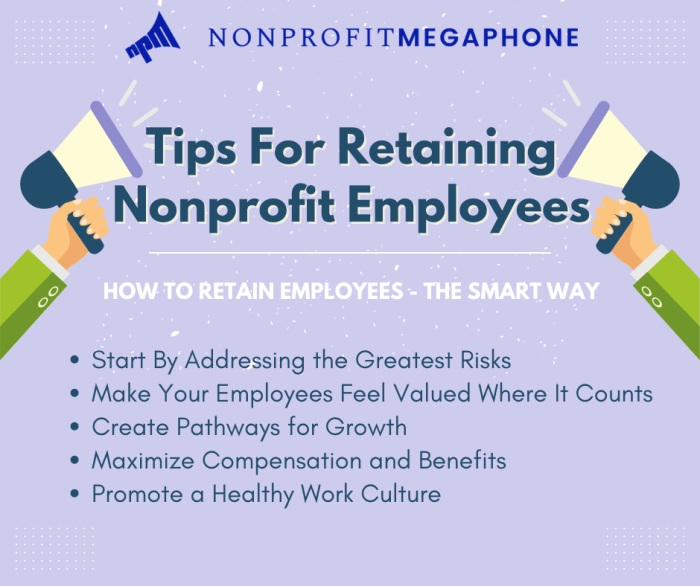
Building a thriving small business hinges on more than just attracting top talent; it’s equally crucial to foster an environment where employees feel valued, motivated, and committed to the company’s success. Employee engagement isn’t just a buzzword; it’s a strategic imperative for sustained growth and profitability. A highly engaged workforce translates to higher productivity, lower turnover rates, and a stronger overall company culture.
Employee engagement goes beyond simply providing competitive salaries and benefits. It encompasses creating a positive and supportive work environment, fostering a strong company culture, and actively listening to and addressing employee concerns. A well-structured employee engagement strategy is vital for long-term success, and it pays dividends in terms of increased productivity, innovation, and customer satisfaction.
Fostering a Positive and Supportive Work Environment
A positive work environment is built on mutual respect, trust, and open communication. It’s important to cultivate a culture where employees feel comfortable expressing their ideas, sharing concerns, and collaborating effectively with colleagues. This involves clear communication of company values and expectations, as well as opportunities for team-building activities and social interaction.

Building a Strong Company Culture
A strong company culture is characterized by shared values, beliefs, and norms that guide employee behavior and decision-making. It’s the glue that binds employees together and creates a sense of belonging. Company culture is often reflected in the company’s mission statement, its approach to problem-solving, and its overall atmosphere. Encouraging employee input and participation in shaping the company culture ensures that it resonates with the workforce.
Employee Recognition Programs
Employee recognition programs are essential for motivating and rewarding performance. Regular acknowledgment of achievements, no matter how small, can significantly boost morale and encourage continued high performance. This can include public praise, small gifts, or opportunities for professional development. A well-designed recognition program not only rewards exceptional work but also reinforces desired behaviors and values. For instance, a monthly “employee of the month” award can foster a sense of competition and appreciation among team members.
Open Communication and Feedback Channels
Establishing clear and open communication channels is paramount. This includes providing regular feedback, actively listening to employee concerns, and ensuring employees have avenues for voicing their opinions. Transparent communication fosters trust and allows for early identification and resolution of potential issues. Regular team meetings, suggestion boxes, and one-on-one check-ins are all valuable tools for open communication.
Five tips for small businesses looking to hire and retain top talent often hinge on understanding their target audience. Just like crafting effective marketing campaigns requires a deep dive into customer segments and personas – segment vs persona understanding the differences for successful marketing is key. Ultimately, knowing your ideal employee type allows you to tailor your recruitment strategy, create a more engaging workplace culture, and ultimately, build a team that thrives.
This in turn, leads to a more productive and loyal workforce, essential for any small business.
Addressing Employee Concerns and Conflicts
Constructive conflict resolution is critical to maintaining a healthy work environment. Addressing employee concerns and conflicts promptly and fairly prevents issues from escalating and negatively impacting morale. This requires empathy, active listening, and a willingness to find mutually acceptable solutions. Implementing a clear process for handling grievances ensures employees feel heard and valued.
Employee Engagement Activities
- Team-building Activities: Regular team-building activities foster camaraderie and collaboration among employees. These activities can range from casual team lunches to more structured events like off-site retreats. Such initiatives contribute to a stronger sense of teamwork and mutual understanding.
- Professional Development Opportunities: Providing opportunities for professional development demonstrates a commitment to employee growth and advancement. This can include training programs, workshops, conferences, or mentorship programs. Investing in employee skills directly benefits both the individual and the company.
- Employee Surveys and Feedback Mechanisms: Employee surveys and feedback mechanisms provide invaluable insights into employee satisfaction and engagement levels. This data can be used to identify areas needing improvement and implement strategies to address concerns. Regular feedback mechanisms allow employees to express their opinions and concerns in a structured manner, promoting a sense of voice and participation.
Summary of Employee Engagement Activities
| Activity | Description | Benefits |
|---|---|---|
| Team-building Activities | Structured events designed to foster camaraderie and collaboration. | Stronger team bonds, increased communication, improved morale. |
| Professional Development Opportunities | Training programs, workshops, or mentorship programs to enhance skills. | Improved employee skills, increased job satisfaction, enhanced company reputation. |
| Employee Surveys and Feedback Mechanisms | Regular surveys and feedback channels to gather employee input. | Identification of areas for improvement, increased employee engagement, better understanding of employee needs. |
Performance Management: Five Tips For Small Businesses Who Need To Hire And Retain Employees
Small businesses often struggle to find the right balance between managing employee performance and fostering a positive work environment. A robust performance management process is crucial for ensuring productivity, identifying areas for improvement, and retaining valuable employees. It’s not just about evaluating past performance; it’s about setting clear expectations, providing ongoing support, and creating a system for continuous growth.
Effective performance management goes beyond annual reviews. It’s a continuous cycle of communication, feedback, and goal setting that helps employees understand their roles, their contributions, and how they can improve. This continuous approach fosters a culture of growth and allows for proactive adjustments to keep employees engaged and the business moving forward.
Designing a Performance Review Process
A well-designed performance review process should be clear, concise, and easily understood by both managers and employees. It should provide a framework for regular communication, feedback, and goal setting. The process should be tailored to the specific needs of the business and the roles within it.
Setting Clear Expectations and Goals
Establishing clear expectations and goals is paramount for effective performance management. These should be specific, measurable, achievable, relevant, and time-bound (SMART). Goals should be discussed and agreed upon with each employee, ensuring a shared understanding of what success looks like. This shared understanding fosters a sense of ownership and commitment to achieving objectives.
- Specific Goals: Instead of “improve customer service,” a specific goal might be “increase customer satisfaction scores by 15% in the next quarter.”
- Measurable Goals: Quantifiable metrics allow for tracking progress and identifying areas needing attention.
- Achievable Goals: Goals should be challenging but realistic, avoiding setting targets that are unattainable.
- Relevant Goals: Goals should align with the overall business objectives and the employee’s role.
- Time-Bound Goals: Setting deadlines creates a sense of urgency and helps track progress.
Providing Regular Feedback and Coaching
Regular feedback and coaching are essential for employee growth and development. It’s not just about pointing out shortcomings; it’s about offering constructive criticism, guidance, and support. This ongoing dialogue allows for early intervention, addressing issues before they escalate, and promoting continuous improvement.
Examples of Performance Improvement Plans
Performance Improvement Plans (PIPs) are formal documents outlining specific performance issues, the expected improvements, and the consequences of not meeting those improvements. A PIP should clearly state the problem, Artikel the solutions, and set a timeline for improvement.
- Identifying the Issue: Clearly define the areas where performance is deficient.
- Setting Goals: Artikel specific and measurable goals for improvement.
- Establishing a Timeline: Establish a realistic timeframe for achieving the goals.
- Defining Consequences: Clearly Artikel the consequences if goals are not met.
Addressing Underperformance Constructively
Addressing underperformance requires a delicate balance between empathy and firmness. It’s crucial to understand the root causes of the issue and work collaboratively with the employee to develop a plan for improvement.
Performance Management Cycle
| Stage | Description |
|---|---|
| Planning | Setting performance expectations, goals, and objectives. |
| Monitoring | Tracking progress towards goals, providing regular feedback, and coaching. |
| Reviewing | Evaluating performance against established expectations and goals. |
| Developing | Identifying areas for improvement and developing strategies for future success. |
Training and Development
Investing in employee training and development is crucial for small businesses aiming to thrive in a competitive market. A well-trained workforce is more productive, adaptable, and engaged, leading to increased profitability and reduced turnover. Training equips employees with the skills and knowledge needed to perform their jobs effectively, fostering a culture of continuous improvement and innovation within the company.
Identifying employee training needs is a key first step. Understanding what skills employees lack or where they need to improve is essential to creating effective and targeted training programs. This process should be ongoing, not a one-time event, to ensure that employees remain up-to-date with industry best practices and company policies.
Identifying Training Needs
A thorough assessment of employee skills and knowledge gaps is crucial. This involves performance reviews, analyzing current job descriptions, and gathering input from employees themselves. Surveys, focus groups, and observation can help pinpoint areas where additional training is needed.
Importance of Ongoing Professional Development
Providing ongoing professional development opportunities is vital for employee engagement and retention. It demonstrates a commitment to employee growth and advancement, fostering a sense of value and loyalty. This can involve offering industry-specific certifications, workshops, or mentorship programs, allowing employees to expand their expertise and explore new career paths within the company. Ongoing development is not only good for employees, but it also ensures the company stays competitive by keeping employees current with the latest industry trends and technologies.
Examples of Training Programs
A range of training programs can be tailored to specific needs. These include:
- Technical Skills Training: Courses on specific software, hardware, or industry-related technologies are essential for many roles. For instance, a retail store might offer training on new point-of-sale systems.
- Soft Skills Training: Workshops on communication, teamwork, conflict resolution, and leadership skills benefit employees at all levels. A small business focused on customer service might conduct training on active listening and empathetic communication.
- Product Knowledge Training: Training on the company’s products, services, and policies ensures employees are well-versed in the company’s offerings. This is critical for customer-facing roles to provide accurate and helpful information.
- Compliance Training: Courses on legal and ethical standards, health and safety regulations, and company policies are essential to ensure adherence to best practices and avoid legal issues. This is particularly important for roles dealing with sensitive information or regulations.
Creating a Culture of Continuous Learning and Improvement
Establishing a culture of continuous learning and improvement involves creating a supportive environment where employees feel comfortable seeking out new knowledge and skills. This can include encouraging employees to attend industry conferences, reading relevant articles, and participating in online courses. Open communication, clear expectations, and recognizing efforts are all essential to cultivate this culture. Encouraging knowledge sharing between employees and providing time for self-improvement are also vital.
Benefits of Mentorship Opportunities
Mentorship programs can provide invaluable support and guidance for employees. Experienced mentors can share their knowledge, insights, and industry connections, helping mentees develop their skills and advance their careers. This can foster a strong sense of community and loyalty within the organization, and ultimately, contribute to increased employee retention. It can also expose employees to diverse perspectives and challenges, leading to innovation and new ideas.
Different Types of Training Methods
| Training Method | Description | Example |
|---|---|---|
| On-the-Job Training | Learning by doing, under the supervision of a more experienced employee. | A new cashier learning the procedures from a senior cashier. |
| Classroom Training | Formal instruction in a structured setting. | A workshop on customer service techniques. |
| Online Training | Learning through digital resources, such as videos, tutorials, and interactive platforms. | Using a software platform for employees to learn a new CRM system. |
| Workshops and Seminars | Interactive sessions focused on specific topics or skills. | A presentation on effective communication skills. |
| Case Studies | Analyzing real-world scenarios to develop problem-solving skills. | Studying successful marketing campaigns to understand strategies. |
Concluding Remarks
In conclusion, building a successful team requires a multi-faceted approach. By focusing on attracting top talent, conducting effective interviews, providing exceptional onboarding experiences, establishing fair compensation and benefits, and fostering a strong culture of engagement and recognition, small businesses can significantly improve their ability to hire and retain skilled employees. This comprehensive guide has provided actionable steps for each stage of the employee lifecycle, ensuring a smooth and productive journey for both the company and its employees.