


Digital branding services 101 provides a comprehensive guide to building a powerful online presence. From understanding core concepts and the evolution of digital branding to crafting a successful strategy, this guide will equip you with the knowledge to establish a strong and recognizable brand in today’s digital landscape. It’s not just about having a website; it’s about creating a cohesive and compelling online experience that resonates with your target audience.
This in-depth exploration covers everything from defining your brand identity to mastering essential channels like social media and email marketing. Learn how to develop a robust strategy, measure performance, and adapt to changing trends to maintain a consistent and thriving online brand. We’ll also delve into case studies to showcase real-world success stories and analyze the elements that make them effective.
Introduction to Digital Branding Services
Digital branding is no longer a luxury; it’s a necessity for businesses in today’s interconnected world. It’s about crafting a unique and compelling brand identity across all digital touchpoints, from websites and social media to mobile apps and online advertising. A strong digital brand fosters trust, builds recognition, and drives customer loyalty, ultimately translating into increased sales and brand value.
This section will delve into the core concepts of digital branding, its evolution, and the critical role a robust online presence plays in modern business.Digital branding transcends traditional marketing approaches. It’s a comprehensive strategy encompassing all aspects of a company’s online experience, aiming to create a consistent and engaging narrative across all platforms. This involves meticulously crafting a brand voice, visual identity, and user experience that resonates with the target audience.
So, you’re diving into digital branding services 101? Great! Understanding how to effectively use internal linking is crucial for any successful strategy. Check out our detailed internal linking SEO guide for a deeper dive into this essential technique. Ultimately, a strong internal linking strategy is a vital part of any comprehensive digital branding plan, making sure your website visitors can easily navigate and find what they need.
Core Concepts of Digital Branding
Digital branding encompasses several key concepts, including brand voice, visual identity, user experience, and online reputation management. A consistent brand voice ensures clear communication across all digital platforms, fostering a recognizable and reliable brand personality. Visual identity, encompassing logos, colors, and typography, creates a cohesive visual experience, reinforcing brand recognition and memorability. User experience (UX) focuses on creating intuitive and enjoyable interactions with the brand’s digital assets, ensuring seamless navigation and engagement.
Finally, online reputation management involves actively monitoring and responding to online discussions and reviews to maintain a positive brand image.
History of Digital Branding Evolution
The evolution of digital branding mirrors the growth of the internet and digital technologies. Initially, businesses focused on establishing a basic online presence with websites. As the internet matured, social media platforms emerged, and digital branding strategies began to incorporate social engagement. The rise of mobile devices further accelerated this evolution, necessitating the creation of responsive websites and mobile-first strategies.
Today, digital branding involves sophisticated analytics, personalized experiences, and dynamic content strategies to remain relevant and competitive in a rapidly changing digital landscape.
Importance of a Strong Online Presence
A strong online presence is no longer a desirable feature but a fundamental requirement for businesses to thrive. It provides access to a global market, facilitates direct engagement with customers, and enables businesses to showcase their expertise and unique value proposition. A well-defined online presence builds trust, fosters transparency, and allows businesses to interact with potential customers in a more meaningful and personalized way.
A robust online presence is critical for lead generation, customer retention, and overall brand growth.
Examples of Successful Digital Branding Strategies
Several companies have successfully leveraged digital branding strategies to achieve significant market share and customer loyalty. For example, companies like Nike, with its compelling online storytelling and interactive content, effectively engage with consumers. Similarly, Apple’s emphasis on design and seamless user experience fosters a strong brand perception. These examples highlight the importance of consistent branding across various platforms and the value of creating engaging experiences for customers.
Key Differences Between Traditional and Digital Branding
| Feature | Traditional Branding | Digital Branding |
|---|---|---|
| Reach | Limited geographic reach, often localized | Global reach, connecting with a broader audience |
| Interaction | Limited interaction; primarily one-way communication | Two-way communication, fostering engagement and feedback |
| Measurability | Difficult to measure campaign effectiveness accurately | Highly measurable, enabling data-driven optimizations |
| Flexibility | Less flexible; campaigns are often static | Highly adaptable; strategies can be adjusted in real-time |
| Cost | Potentially higher upfront costs for print, advertising | Potentially lower costs for online advertising and engagement |
Defining Your Brand Identity Online
A strong online brand identity is more than just a logo; it’s the essence of your business communicated across all digital touchpoints. It’s the personality that resonates with your target audience, driving recognition, loyalty, and ultimately, business growth. Understanding your brand identity online is crucial for establishing a consistent and compelling presence.Defining your brand identity online involves creating a cohesive and memorable representation of your business across all digital channels.
This extends beyond just a logo and colors; it encompasses your brand voice, values, and the narrative you tell about your company. A well-defined identity helps build trust, fosters customer relationships, and differentiates you from competitors.
Key Elements of a Strong Brand Identity
A strong brand identity is built on several key elements that work together to create a cohesive and memorable experience for your audience. These elements include a clear brand mission and vision, consistent brand voice and tone, a distinctive visual identity, and a compelling brand story. A well-defined identity helps customers understand your purpose, what you offer, and how you are different.
So, you’re diving into digital branding services 101? Great! A key component is understanding how to leverage social media platforms effectively for marketing your professional services. This involves crafting a strong online presence, consistent messaging, and engaging content tailored to your target audience. For a deep dive into using social media for marketing professional services, check out this helpful guide: using social media for marketing professional services.
Ultimately, a well-executed digital branding strategy relies on understanding your audience and tailoring your approach to their needs, which includes this crucial social media component.
- Brand Mission and Vision: Clearly articulating your business’s purpose and long-term goals is fundamental. This provides a roadmap for all your online activities, ensuring consistency and focus.
- Brand Values: Defining the principles that guide your business is essential for building trust and authenticity. These values should underpin all your online communications and actions.
- Brand Personality: Your brand personality is the human-like qualities you assign to your business. Is it playful, sophisticated, or trustworthy? This personality shapes how you communicate and interact with your audience.
Brand Voice and Tone in Digital Communication
Your brand voice and tone are crucial aspects of your online presence. They dictate how you communicate with your audience, impacting engagement and perception. A consistent voice and tone create a unified brand experience across all channels.
- Brand Voice: The overall style and feeling of your communication. It reflects your brand personality and values. Is your voice formal, informal, humorous, or authoritative?
- Brand Tone: The specific approach you use in individual messages. This includes the level of formality, emotionality, and humor. A tone of encouragement might be used in a social media post, while a more formal tone is appropriate for a company website.
Role of Brand Visuals in Online Branding
Visual elements like logo, colors, and typography play a significant role in shaping your brand’s perception. They create instant recognition and contribute to the overall brand experience.
- Logo: A logo is a visual representation of your brand. It should be memorable, easily recognizable, and adaptable across various platforms.
- Colors: Colors evoke emotions and associations. Choosing the right colors for your brand can significantly impact your audience’s perception.
- Typography: Font choices contribute to the overall aesthetic and personality of your brand. A consistent font choice enhances brand recognition and readability.
Brand Storytelling Approaches Online
Brand storytelling is a powerful way to connect with your audience on a deeper level. It involves crafting narratives that resonate with your target audience, highlighting your brand’s values and mission.
- Customer-Centric Storytelling: Focus on customer experiences, showcasing how your brand has positively impacted their lives.
- Behind-the-Scenes Storytelling: Reveal the human side of your business, building trust and transparency.
- Product-Focused Storytelling: Emphasize the features and benefits of your products, showcasing their value to customers.
Examples of Brand Personas
Understanding your target audience is key to effective digital branding. Brand personas are fictional representations of your ideal customer, offering insights into their needs, motivations, and behaviors.
| Business Type | Brand Persona Example |
|---|---|
| Luxury Fashion Brand | Sophisticated, discerning, values quality and exclusivity, high disposable income. |
| Tech Startup | Innovative, tech-savvy, values efficiency and cutting-edge technology, seeks solutions to problems. |
| Educational Platform | Motivated learner, values knowledge and growth, seeks practical and engaging learning resources. |
| Eco-Friendly Grocery Store | Health-conscious, environmentally aware, values sustainability and ethical sourcing. |
Essential Digital Branding Channels
Building a strong digital presence requires more than just a visually appealing website. It necessitates a multi-faceted approach across various online platforms. This section dives into the crucial digital channels that form the backbone of successful brand building in the online landscape. Understanding their individual roles and how they interact is vital for reaching your target audience effectively.
Social Media’s Role in Brand Building
Social media is no longer a mere trend; it’s a fundamental aspect of modern brand management. Platforms like Facebook, Instagram, and Twitter provide opportunities to connect directly with your audience, fostering engagement and building a community around your brand. A well-executed social media strategy can significantly enhance brand awareness, drive traffic to your website, and generate leads. Engaging content, consistent posting schedules, and targeted advertising are key components of successful social media campaigns.
Monitoring conversations and responding promptly to comments and inquiries demonstrates a brand’s commitment to customer service and strengthens relationships.
Importance of a Professional Website for Digital Branding
A professional website serves as the central hub of your online presence. It’s the digital storefront where potential customers learn about your brand, products, and services. A well-designed website showcases your brand’s personality and values, providing a comprehensive overview of your offerings. It should be user-friendly, visually appealing, and mobile-responsive to ensure a seamless experience across all devices.
Furthermore, a website provides a platform for collecting leads, driving sales, and establishing your brand’s credibility. A clear call to action (CTA) and strategically placed links to other relevant pages further enhance the user journey and facilitate conversions.
Effective Email Marketing Strategies
Email marketing remains a powerful tool for nurturing leads and maintaining customer relationships. By segmenting your audience and tailoring your messages to specific groups, you can create personalized experiences that resonate with individual needs. Email campaigns can be used for product announcements, promotional offers, newsletters, and valuable content delivery. Successful email marketing relies on building trust with your subscribers, offering valuable content, and respecting their preferences.
The use of compelling subject lines, clear calls to action, and aesthetically pleasing layouts is crucial to drive open rates and click-through rates.
Significance of Search Engine Optimization ()
Search Engine Optimization () is the practice of optimizing your website and content to rank higher in search engine results pages (SERPs). By improving your website’s visibility, you increase the likelihood of attracting organic traffic, leading to higher brand awareness and potential customers. strategies include research, on-page optimization (e.g., meta descriptions, title tags), and off-page optimization (e.g., backlinks).
So, you’re diving into digital branding services 101? It’s all about crafting a compelling online presence. A great example of successful expansion is Growth Natives, which recently expanded their corporate infrastructure, upping the total to three offices in India here. This strategic move demonstrates a commitment to growth and solidifies their position in the market.
Ultimately, strong digital branding services are key to any company’s success in today’s competitive landscape.
Implementing best practices ensures your website is easily discoverable by potential customers actively searching for products or services like yours.
Comparison of Social Media Platforms for Brand Promotion
| Social Media Platform | Strengths | Weaknesses | Effectiveness for Brand Promotion |
|---|---|---|---|
| Vast user base, diverse targeting options, strong engagement capabilities | Can be overwhelming, algorithm changes can impact reach | High | |
| Visual focus, strong engagement through stories and reels, highly visual | Limited text-based content, algorithm changes impact discoverability | Medium-High | |
| Real-time updates, quick engagement, excellent for news and announcements | Character limits, fast-paced environment can be challenging | Medium | |
| Professional networking platform, ideal for B2B marketing, thought leadership | Limited reach for consumer brands, less engagement compared to other platforms | High (B2B) |
Creating a Digital Brand Strategy: Digital Branding Services 101
A robust digital brand strategy is the bedrock of online success. It’s not just about having a cool logo or a catchy tagline; it’s a comprehensive roadmap outlining how your brand will interact with its target audience in the digital sphere. This strategy dictates every touchpoint, from social media posts to website design, ensuring a consistent and compelling brand experience.A well-defined digital branding strategy goes beyond aesthetics; it’s a strategic plan that integrates all aspects of your online presence.
This includes understanding your market, identifying your target audience, analyzing competitors, and ultimately, creating a unique value proposition that resonates with your ideal customer.
Market Research for Online Branding
Thorough market research is paramount for establishing a successful online presence. It allows you to understand your target audience’s needs, preferences, and behaviors within the digital landscape. Understanding the online landscape through market research informs the entire strategy, ensuring your digital branding efforts are aligned with real customer needs.Identifying and understanding your target audience within the digital space is critical.
This goes beyond basic demographics. It involves deep dives into online behaviors, interests, and online interactions. Understanding the platforms they frequent, the content they consume, and the language they use is crucial for crafting effective digital campaigns. For instance, if your target audience primarily uses Instagram, your branding strategy should reflect that.
Target Audience Identification Techniques
Effective target audience identification requires a multi-faceted approach. These methods combine various data collection and analysis techniques to paint a detailed picture of your ideal customer. Detailed profiles and insights derived from these techniques help fine-tune your branding efforts.
- Social Media Analytics: Analyzing social media engagement, follower demographics, and content preferences reveals valuable insights into audience interests and online behaviors.
- Website Analytics: Website data, such as page views, bounce rates, and time spent on specific pages, provides insights into how visitors interact with your brand online.
- Surveys and Questionnaires: Direct interaction with your target audience through surveys and questionnaires can provide crucial qualitative data about their preferences and motivations.
- Market Research Reports: Utilizing existing market research reports from reputable sources provides valuable context and data on industry trends and audience segments.
Competitor Analysis in Digital Branding, Digital branding services 101
Competitor analysis is essential for understanding the competitive landscape and identifying opportunities. It provides a framework for understanding how other businesses are approaching digital branding and allows for the development of a unique strategy.
- Identifying Key Competitors: Pinpointing direct and indirect competitors within the digital space is crucial for understanding the existing market landscape. This helps you analyze strengths, weaknesses, and opportunities.
- Analyzing Competitor Strategies: Examining competitors’ website design, social media presence, content marketing efforts, and online advertising campaigns allows you to identify effective strategies and potential areas for improvement.
- Identifying Market Gaps: Analyzing competitors’ weaknesses and unmet needs in the digital space can provide unique opportunities to position your brand in a way that distinguishes it from the competition.
Stages in Creating a Digital Brand Strategy
Developing a robust digital brand strategy requires a structured approach. Each stage builds upon the previous one, ensuring a cohesive and effective strategy.

| Stage | Description |
|---|---|
| 1. Define Brand Objectives | Clearly articulate the goals and desired outcomes for your brand’s online presence. What do you want to achieve? Increased brand awareness? Lead generation? Sales? |
| 2. Conduct Market Research | Deeply understand your target audience, competitors, and market trends to inform your branding strategy. |
| 3. Develop Brand Identity | Refine your brand’s visual elements, messaging, and tone of voice to ensure consistency across all online platforms. |
| 4. Establish Digital Channels | Select the most effective online platforms to reach your target audience and build brand awareness. |
| 5. Create Content Strategy | Develop a content calendar and plan to provide valuable and engaging content that resonates with your target audience. |
| 6. Monitor and Measure Results | Track key metrics and adapt your strategy based on data to optimize your digital brand presence. |
Measuring and Monitoring Digital Brand Performance
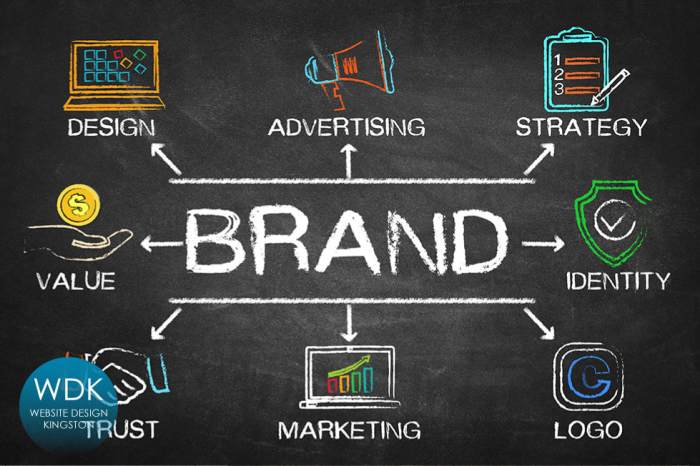
Digital branding isn’t just about creating a beautiful brand identity; it’s about understanding how that identity resonates with your audience online. Crucially, tracking your progress is vital for continuous improvement and demonstrating ROI. This involves measuring key performance indicators (KPIs) and analyzing the effectiveness of your campaigns.Understanding your brand’s performance online requires more than just impressions or likes.
It’s about digging deeper to see how your efforts are impacting key metrics. This allows for data-driven adjustments to strategies and ensures that campaigns are achieving their intended objectives.
Significance of Tracking Key Performance Indicators (KPIs)
Tracking KPIs provides crucial insights into the effectiveness of your digital branding efforts. These metrics offer a quantitative measure of the impact of your brand initiatives, allowing for adjustments to strategies in real-time. Key performance indicators such as website traffic, engagement rates, lead generation, and conversion rates are essential for evaluating the overall health of your digital brand.
Methods for Measuring the Effectiveness of Digital Branding Campaigns
Several methods can be employed to measure the success of your digital branding campaigns. These include analyzing website traffic patterns, assessing engagement metrics across various platforms, and evaluating the effectiveness of specific branding campaigns through A/B testing. Furthermore, customer feedback and surveys can offer valuable qualitative data.
Examples of Tools for Analyzing Digital Brand Performance
Numerous tools are available to analyze and track the performance of your digital brand. These tools range from free and basic options to comprehensive and advanced platforms tailored for specific needs. Tools like Google Analytics, Hootsuite, and social media analytics dashboards provide detailed insights into website traffic, engagement, and campaign performance.
Analyzing Website Traffic and User Behavior
Website traffic analysis provides valuable insights into how users interact with your website. Tools like Google Analytics allow you to monitor key metrics such as page views, bounce rate, time on site, and conversion rates. By understanding these metrics, you can identify areas for improvement in your website design and content to enhance user experience and engagement. Analyzing user behavior allows for targeted adjustments to improve user journeys.
Digital Analytics Tools and Their Features
Analyzing website traffic and user behavior is essential to understand how your audience interacts with your brand. This data helps optimize your online presence and improve user experience.
| Tool | Key Features |
|---|---|
| Google Analytics | Comprehensive website analytics, including traffic sources, user behavior, and conversion tracking. Provides insights into demographics and interests. |
| SEMrush | Focuses on search engine marketing, offering data on rankings, competitor analysis, and website traffic. |
| Hootsuite | Social media management platform, offering analytics on social media engagement, reach, and audience insights. |
| Moz | toolset, providing valuable data on website authority, backlinks, and research. |
| Buffer | Social media scheduling tool with analytics on post performance and engagement. |
Maintaining and Adapting a Digital Brand
Digital branding isn’t a one-and-done project. A strong online presence requires ongoing effort to stay relevant, resonate with your audience, and adapt to the ever-evolving digital landscape. This involves consistent messaging, proactive market adaptation, and a thoughtful response to feedback.Maintaining a consistent brand identity across all online touchpoints is crucial for building trust and recognition. Adapting to changing market trends ensures your brand remains current and engaging, while responding to online reviews and feedback allows you to refine your offerings and strengthen customer relationships.
Consistent Brand Messaging Across Channels
Consistent brand messaging builds brand recognition and trust. It ensures your brand voice and values are reflected in every piece of content and communication, whether on social media, your website, or through email marketing. This unified message creates a clear and memorable brand experience for your customers. Inconsistency can confuse customers and weaken your brand’s impact.
Adapting to Changing Market Trends
The digital landscape is dynamic. Market trends, consumer preferences, and technological advancements constantly shift. Proactively monitoring these trends is essential to stay competitive and maintain a relevant brand image. By identifying emerging trends and adapting your strategies accordingly, your brand can remain current and appeal to the evolving needs of your target audience. For example, the rise of short-form video on platforms like TikTok has necessitated many brands to adapt their strategies to incorporate this format, even if it’s not their typical content style.
Responding to Online Reviews and Feedback
Online reviews and feedback provide valuable insights into customer perceptions and experiences. They offer a direct line to understanding what’s working well and what needs improvement. By actively monitoring and responding to this feedback, businesses can refine their strategies, enhance customer satisfaction, and build a stronger brand reputation. This includes not just responding to praise, but also addressing concerns and criticism constructively.
Handling Negative Feedback Effectively
Negative feedback can be challenging, but it’s an opportunity for growth. Addressing negative reviews constructively demonstrates your commitment to customer satisfaction and can potentially turn a negative experience into a positive one. A prompt, professional, and empathetic response to negative feedback shows customers that you value their opinions and are dedicated to resolving their concerns. Crucially, avoid defensiveness or arguing with the customer online.
Instead, apologize for the inconvenience, offer a solution, and follow up to ensure the issue is resolved.
Maintaining Brand Consistency Plan
| Aspect | Action Plan | Frequency | Responsible Party |
|---|---|---|---|
| Website Content | Regularly review website content for accuracy, consistency with brand voice, and relevance to current trends. Update content as needed. | Weekly | Marketing Team |
| Social Media Posts | Maintain consistent brand tone and visual identity across all social media platforms. Use branded hashtags and templates where appropriate. | Daily/Weekly | Social Media Manager |
| Customer Service Interactions | Ensure all customer service interactions (email, phone, chat) reflect the brand’s values and messaging. | As needed | Customer Service Team |
| Brand Guidelines | Regularly review and update brand guidelines to reflect any changes in brand strategy, voice, or visual identity. | Annually | Brand Manager |
| Monitoring Feedback | Actively monitor online reviews and feedback across all platforms. | Daily | Customer Relations Team |
Case Studies in Digital Branding
Digital branding is no longer a luxury; it’s a necessity for businesses in today’s hyper-connected world. Successful digital branding campaigns demonstrate a deep understanding of target audiences, compelling messaging, and a consistent visual identity across all digital touchpoints. These campaigns showcase how leveraging digital channels can drive significant growth and establish a strong brand presence online. Let’s explore some compelling examples.Understanding successful digital branding campaigns is vital for businesses looking to maximize their online impact.
These campaigns not only establish a strong brand identity but also demonstrate effective strategies for engaging with customers, building trust, and ultimately, driving revenue. By analyzing successful campaigns, businesses can gain insights into what works and what doesn’t, adapting strategies to achieve their own unique objectives.
Examples of Successful Digital Branding Campaigns
Analyzing successful digital branding campaigns reveals a multitude of effective strategies. These campaigns demonstrate how different businesses, across various industries, have effectively leveraged digital channels to enhance their brand presence and drive growth. By understanding the key elements of these campaigns, businesses can tailor their own digital branding strategies to achieve similar results.
- Netflix: Netflix’s success is largely attributed to its commitment to providing a seamless and personalized viewing experience. Their extensive use of targeted advertising, data-driven recommendations, and a dedicated social media presence has cultivated a loyal customer base. This illustrates the power of user-centric design and continuous improvement in the digital sphere. They consistently adapt their platform to meet evolving customer needs, fostering a strong and enduring brand identity.
- Nike: Nike’s digital branding leverages social media and influencer marketing to engage with a broad audience. Their campaigns often feature inspirational stories and athlete testimonials, connecting with customers on an emotional level. This creates a sense of community and reinforces their brand’s values of athleticism, empowerment, and innovation. The focus on user-generated content and participation fosters a deeper connection with their target audience.
- Spotify: Spotify’s success is directly tied to its curated playlists and personalized recommendations. By understanding user preferences and providing relevant content, Spotify cultivates a user-centric experience that reinforces its value proposition. This data-driven approach, coupled with an attractive interface and intuitive features, results in user loyalty and engagement.
Key Takeaways from Successful Branding Strategies
Several key elements consistently emerge in successful digital branding campaigns. Understanding these takeaways allows businesses to implement effective strategies that resonate with their target audience.
- Consistency: Maintaining a consistent brand identity across all digital touchpoints is crucial. This includes visual elements (logo, color palette, typography), messaging, and overall brand voice. A unified experience builds trust and recognition.
- Customer-centricity: Understanding the needs and preferences of the target audience is paramount. Tailoring messaging, content, and platform features to address these needs creates a more meaningful connection and fosters brand loyalty.
- Data-driven decisions: Utilizing data analytics to track campaign performance and user engagement is essential. Analyzing key metrics allows for informed adjustments to strategies and ensures optimal campaign efficiency.
Comparison of Strategies Across Industries
Analyzing successful digital branding campaigns across different industries reveals both common threads and industry-specific nuances.
| Industry | Key Strategy | Example |
|---|---|---|
| Fashion | Visual Storytelling and Influencer Marketing | Brands like Zara leverage high-quality imagery and collaborate with fashion influencers to showcase their products effectively. |
| Technology | Innovation and User-Centric Design | Apple focuses on elegant design, intuitive interfaces, and a strong brand narrative centered on user experience. |
| Food and Beverage | Experiential Marketing and Community Building | Starbucks emphasizes a welcoming atmosphere, loyalty programs, and engaging social media campaigns to cultivate a strong community around its brand. |
Concluding Remarks
In conclusion, digital branding services 101 equips you with the essential tools and strategies to create a strong and impactful online presence. By understanding the key concepts, channels, and strategies discussed, you can establish a recognizable brand, attract your target audience, and ultimately drive business growth in the digital sphere. This guide acts as your comprehensive blueprint to navigate the dynamic world of online branding.