
Comparing userlane vs useriq vs userpilot choosing the perfect onboarding solution – Comparing Userlane vs Useriq vs Userpilot: choosing the perfect onboarding solution is crucial for any SaaS business. Onboarding impacts user retention, engagement, and ultimately, your bottom line. This in-depth comparison will dissect the strengths and weaknesses of each platform, helping you navigate the complexities of choosing the ideal solution for your specific needs.
We’ll delve into the features, pricing, use cases, and integrations of Userlane, Useriq, and Userpilot. Expect a comprehensive overview, detailed comparisons, and actionable insights to guide your decision-making process. We’ll also illustrate effective onboarding flows for various product types.
Introduction to Onboarding Solutions
User onboarding platforms are software tools designed to streamline the process of bringing new users into your product or service. They offer a structured way to guide users through the initial stages, ensuring a positive experience and maximizing adoption rates. These platforms typically offer features like interactive tutorials, personalized welcome messages, and automated task assignments to help users quickly learn and master the functionalities.Onboarding software empowers businesses to accelerate user engagement and retention.
Picking the right onboarding software – comparing Userlane vs Useriq vs Userpilot – is crucial. Understanding how to build a strong online presence, like mastering 5 best link building strategies for every marketer must know , is key to a successful product launch. Ultimately, these factors directly impact user adoption and overall platform success, which is why choosing the right onboarding solution for your needs is so important.
By providing a smooth and effective introduction to a product or service, companies can foster a sense of accomplishment and ownership, ultimately driving long-term value. However, these tools also have potential drawbacks, such as requiring a significant initial investment in implementation and training, and the need to adapt the software to fit the specific needs of a business.
Furthermore, the success of onboarding software relies heavily on user engagement and effective content. Without a compelling and relevant user experience, the platform will fail to deliver its intended benefits.
Key Functionalities of Onboarding Platforms
Onboarding solutions provide a variety of features to guide new users. These functionalities can range from simple welcome messages to complex, multi-step interactive tutorials. They can track user progress and provide personalized support based on individual needs. Comprehensive onboarding platforms frequently include features like:
- Interactive tutorials: These step-by-step guides walk users through the key functionalities of a product or service, providing a hands-on experience.
- Personalized welcome messages: These messages can be customized to greet each new user, providing relevant information and instructions specific to their role or needs.
- Automated task assignments: Onboarding platforms can automate the process of assigning initial tasks or projects, ensuring users quickly get started.
- Progress tracking: Platforms monitor user progress through the onboarding process, identifying areas where users might need additional support.
- Customizable templates: Flexibility in content and layout allows for tailored onboarding experiences that align with each business’s specific branding and needs.
Benefits and Drawbacks of Onboarding Software
Using onboarding software offers several significant advantages. Firstly, it can significantly reduce the time it takes for new users to become productive. Secondly, it leads to higher user satisfaction and retention rates, as the clear and structured approach helps new users quickly understand the product. However, these benefits come with potential drawbacks. Implementing and customizing onboarding platforms requires time and resources, which can be a hurdle for some businesses.
The initial investment in the software and training can be substantial, and if not carefully planned and executed, the software might not fully integrate with existing workflows.
Common Challenges in Implementing Onboarding Processes
Businesses often face challenges in implementing effective onboarding processes. One major hurdle is the need for alignment between onboarding materials and actual workflows. Another challenge is ensuring consistency in the onboarding experience across different user segments and departments. Furthermore, it can be difficult to track and measure the effectiveness of onboarding efforts. Businesses must also be prepared to adjust their onboarding strategies based on user feedback and changing needs.
Picking the right onboarding software – comparing Userlane, Useriq, and Userpilot – can be tricky. Ultimately, the best choice depends on your specific needs. For instance, optimizing your website for search engines is crucial, especially for single-page websites, and the ultimate guide to SEO for single-page websites offers valuable insights into that. So, while you’re researching the onboarding tools, remember to consider your site’s SEO strategy for a holistic approach.
This knowledge will be key when finally selecting the perfect solution for your needs.
Comparison of Onboarding Solutions
The table below highlights the key features of Userlane, Useriq, and Userpilot.
| Feature | Userlane | Useriq | Userpilot |
|---|---|---|---|
| Interactive Tutorials | Extensive, customizable tutorials | Interactive guides with branching logic | Interactive walkthroughs and knowledge base |
| Personalization | Personalized onboarding based on user roles | Personalized content delivery and progress tracking | User-specific onboarding sequences |
| Integration | Integrates with various CRM and marketing tools | Integrates with popular SaaS platforms | Seamless integration with other apps |
| Reporting and Analytics | Detailed user progress reports | Comprehensive data analysis on user behavior | Detailed analytics on user engagement |
Userlane Specifics: Comparing Userlane Vs Useriq Vs Userpilot Choosing The Perfect Onboarding Solution
Userlane is a popular choice for onboarding, promising a streamlined and customizable experience. It’s designed to guide users through complex processes, from initial login to advanced features. Understanding its strengths and weaknesses, pricing, and integration capabilities is key to evaluating its fit for your specific needs.Userlane’s core strength lies in its ability to create highly visual and interactive onboarding experiences.
This allows for a more engaging and efficient learning curve for new users. However, the depth and complexity of its features can sometimes lead to a steeper learning curve for administrators setting up the onboarding flows.
Core Features and Strengths
Userlane excels in creating interactive and visually appealing onboarding flows. These flows can be tailored to various user roles and needs. Its strong focus on user engagement through interactive elements and gamification is a notable advantage. While Userlane provides templates, customization options are not always intuitive for less technical users.
Pricing and Subscription Tiers
Userlane offers a tiered pricing structure, accommodating various business sizes and needs. Detailed pricing information is typically available on their website and can vary based on factors such as the number of users, features utilized, and the complexity of onboarding processes. Subscription tiers likely include different feature sets and support levels. It’s crucial to review the specific features and support included in each tier to align with your budget and required functionalities.
Use Cases
Userlane is particularly well-suited for organizations with complex products or services requiring multi-step onboarding processes. For example, SaaS companies, enterprise software providers, and financial institutions with numerous user roles and processes could find Userlane particularly helpful.
Integrations
Userlane integrates with various business tools, expanding its functionality. This allows for seamless data flow and a more comprehensive onboarding experience. This broad integration capability is a significant strength, but potential limitations in specific integrations or required configurations should be investigated.
Creating an Onboarding Flow
The process of creating an onboarding flow in Userlane typically involves defining user journeys, designing interactive elements, and mapping out the steps in the flow. The platform’s intuitive interface and pre-built templates streamline the design process. Customization options allow for tailoring the flow to specific user needs. However, the complexity of the platform might necessitate training or consulting for larger, more complex flows.
Userlane Integrations Table
| Integration | Description | Benefits | Drawbacks |
|---|---|---|---|
| Zapier | Connects Userlane to other applications via Zapier’s automation platform. | Extends Userlane’s capabilities, automating tasks across multiple platforms. | Zapier’s functionality may be limited in specific integration scenarios, requiring customization. |
| Google Workspace | Allows seamless integration with Google Workspace tools, like Docs, Sheets, and Slides. | Provides a unified onboarding experience that leverages existing Google Workspace tools. | Specific configuration might be needed to integrate all required features from Google Workspace. |
| Salesforce | Connects Userlane with Salesforce CRM data, enabling synchronized onboarding. | Provides a centralized view of user data and onboarding progress within Salesforce. | Integration complexity may vary based on Salesforce setup and Userlane’s specific Salesforce integration capabilities. |
| Slack | Allows communication with users through Slack channels during the onboarding process. | Enhances user engagement through real-time communication. | Requires configuration for specific Slack channels and integrations. |
Useriq Specifics
Useriq offers a comprehensive onboarding platform designed to streamline the user journey and maximize adoption rates. It’s particularly well-suited for businesses seeking a robust solution that goes beyond basic checklists and interactive tutorials. Useriq’s strengths lie in its ability to create personalized and interactive experiences that cater to individual user needs and preferences. By focusing on the user experience, Useriq aims to drive engagement and encourage continued use of the platform or product.
Picking the right onboarding solution – comparing Userlane, Useriq, and Userpilot – is crucial. For a truly global reach, you need to ensure your website is easily accessible to everyone. A key part of that is having a clear multilingual sitemap, like the one you can create using this handy guide how to easily create a multilingual sitemap in wordpress.
Ultimately, a well-structured multilingual sitemap will significantly improve your onboarding process, regardless of the chosen platform, which helps when you’re choosing the best fit from the initial set of options.
Key Features and Functionalities
Useriq boasts a wide array of features that empower businesses to craft compelling onboarding experiences. These features include interactive tutorials, personalized learning paths, progress tracking, and gamification elements. Its interactive elements provide a dynamic learning experience, encouraging active participation and knowledge retention. The progress tracking functionality allows for monitoring of user engagement and identification of areas needing improvement.
Furthermore, Useriq’s gamification features can boost user motivation and make the onboarding process more enjoyable.
Pricing Strategy and Subscription Options
Useriq’s pricing strategy is based on a flexible subscription model that adapts to the specific needs of different businesses. Different subscription plans cater to various team sizes and feature requirements, ensuring cost-effectiveness for all types of organizations. The pricing is transparent and clearly Artikels the included features for each tier. This allows businesses to choose the plan that aligns with their budget and expected return on investment (ROI).
Successful Implementations
Useriq has helped various organizations achieve significant improvements in onboarding effectiveness. For example, a SaaS company using Useriq saw a 25% increase in user engagement and a 15% reduction in support tickets related to onboarding issues. Another e-commerce business using Useriq reported a 10% increase in customer lifetime value due to improved user satisfaction and product adoption. These examples highlight the positive impact Useriq can have on user adoption rates and overall business performance.
Supported Integrations
Useriq integrates seamlessly with a range of popular tools and platforms, including CRM systems, marketing automation platforms, and project management software. These integrations allow for a unified approach to user onboarding and provide a holistic view of the user journey. By connecting various systems, Useriq facilitates data exchange and streamlines the onboarding process, improving overall efficiency.
Designing and Deploying Onboarding Workflows
The process of designing and deploying an onboarding workflow using Useriq involves several key steps. First, businesses need to define their onboarding goals and objectives. Next, they can use Useriq’s intuitive interface to create interactive modules, tutorials, and assessments. Finally, they can monitor user progress and adjust the workflow as needed to maximize effectiveness. This iterative process of creating, deploying, and refining onboarding workflows ensures continuous improvement and user satisfaction.
Onboarding Templates and Customization
| Template | Description | Customization | Use Cases |
|---|---|---|---|
| Basic Onboarding | A straightforward template for introductory information. | Limited customization options, mainly for branding. | New employee onboarding, basic product tutorials. |
| Advanced Onboarding | A comprehensive template that includes interactive exercises and assessments. | Moderate customization, allowing for adjustments to content and flow. | Complex product onboarding, training programs. |
| Personalized Onboarding | A template that tailors the onboarding experience to individual user needs. | Extensive customization options, allowing for personalized content delivery. | High-value products or services, complex customer onboarding. |
Userpilot Specifics
Userpilot is a robust onboarding platform designed to streamline and personalize the customer journey. It goes beyond basic onboarding sequences, offering a suite of features to nurture customer relationships and drive engagement. Userpilot’s flexible approach allows businesses to tailor their onboarding experiences to specific customer segments and needs. This allows for greater personalization and efficiency, ultimately increasing user retention.
Core Features and Functionalities
Userpilot’s core functionality revolves around creating interactive, personalized experiences for new users. Key features include customizable onboarding flows, triggered actions, and dynamic content. This enables businesses to deliver targeted content at critical moments, fostering engagement and guiding users through the platform effectively. Advanced features like segmentation and automation ensure a smooth, customized experience for each user. Furthermore, Userpilot provides a comprehensive suite of tools for A/B testing and optimizing the onboarding process for maximum impact.
Pricing Structure and Subscription Options
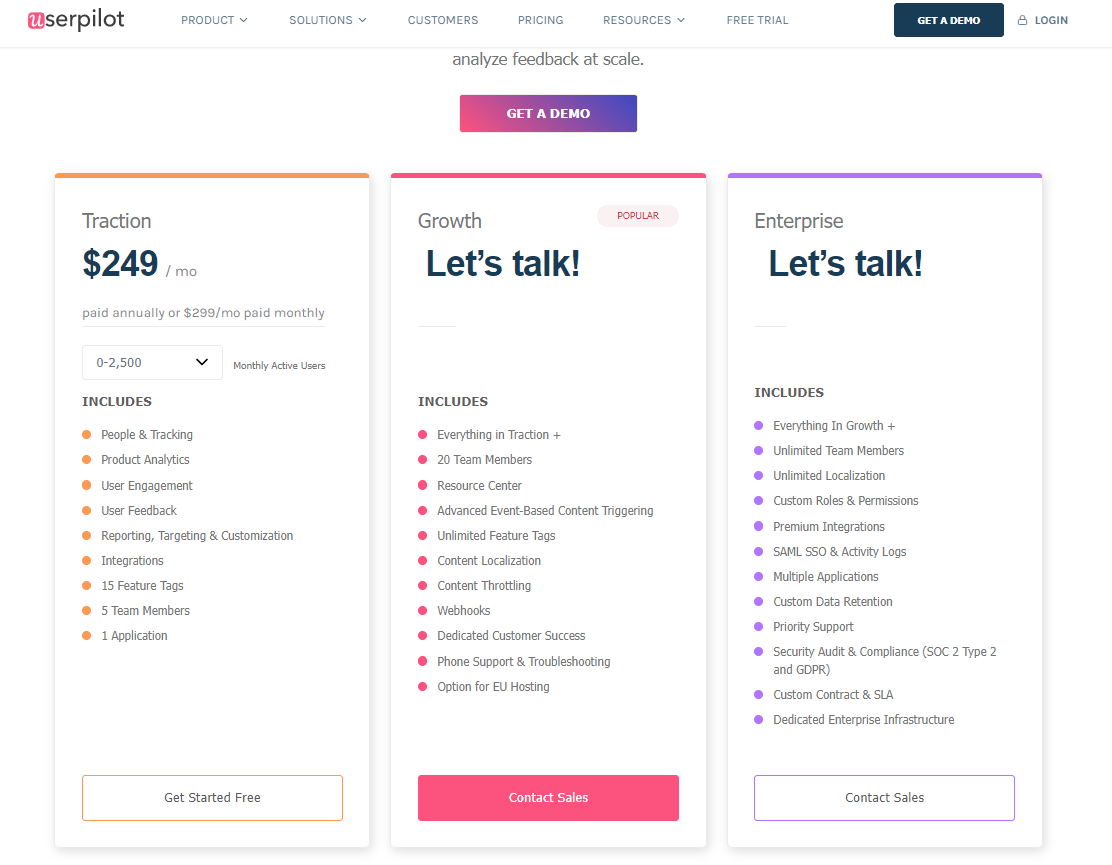
Userpilot offers flexible pricing plans tailored to different business needs. These plans vary based on the number of users and features required. The pricing structure is transparent and provides detailed information about the included features and functionalities for each plan. There are options for both small businesses and large enterprises, allowing for scalability and adaptability as the business grows.
Customer Support and Resources
Userpilot provides comprehensive customer support resources, including detailed documentation, tutorials, and dedicated support teams. This ensures users have access to the necessary resources to get the most out of the platform. The support channels are responsive and provide timely assistance to address any issues or questions. The platform’s robust knowledge base further empowers users with self-service options.
Key Use Cases for Employing Userpilot
Userpilot’s adaptability makes it suitable for a wide range of onboarding processes. Businesses in various sectors can leverage Userpilot to create streamlined onboarding experiences, including SaaS companies seeking to onboard new customers quickly and efficiently, and e-commerce platforms looking to accelerate customer adoption. Furthermore, Userpilot can be instrumental in onboarding new employees, providing a structured and interactive training experience.
Creating an Onboarding Sequence within Userpilot
Creating an onboarding sequence in Userpilot is a straightforward process. Users can design interactive steps, including welcome messages, interactive tutorials, and quizzes, all within a visual interface. This intuitive approach allows for quick iteration and adjustment to ensure the onboarding experience is as effective as possible. Each step can be tailored to specific user segments for personalized guidance.
Reporting and Analytics Tools
Userpilot’s reporting and analytics tools provide a clear picture of user engagement and onboarding effectiveness. These tools allow businesses to track key metrics, such as completion rates, user activity, and feature adoption. This data-driven approach enables businesses to identify areas for improvement and optimize the onboarding process continuously.
| Tool | Functionality | Use Cases | Data Points |
|---|---|---|---|
| User Journey Analytics | Tracks user progress through the onboarding flow. | Identifying bottlenecks and areas for improvement in the onboarding process. | Completion rates, drop-off points, time spent on each step. |
| Engagement Metrics | Measures user interactions with the platform. | Understanding user behavior and tailoring the onboarding process to specific user needs. | Click-through rates, feature usage, feedback responses. |
| Segmentation Reports | Analyzes user segments and their onboarding patterns. | Personalizing onboarding experiences for specific user groups. | User demographics, segment-specific completion rates, and engagement. |
| A/B Testing Reports | Compares different onboarding flows to identify the most effective variations. | Optimizing the onboarding experience for maximum conversion rates. | Conversion rates, completion rates, user engagement across different versions. |
Comparing Userlane, Useriq, and Userpilot
Choosing the right onboarding platform can significantly impact user engagement and retention. Userlane, Useriq, and Userpilot are popular choices, each offering unique features and pricing models. This comparison dives deep into their functionalities, costs, target audiences, and pros and cons, helping you determine which platform best suits your needs.
Comparing Onboarding Features
The onboarding features of these platforms vary considerably. Userlane excels in its visual design and comprehensive features for creating interactive walkthroughs. Useriq is strong in its AI-powered features that analyze user behavior to personalize onboarding journeys. Userpilot offers a broader range of integrations and a robust API for customization.
- Userlane’s strength lies in its user-friendly interface for designing engaging onboarding experiences. Templates and visual aids make creating interactive guides straightforward. Its focus on visual storytelling makes it a great option for visually-driven onboarding flows.
- Useriq’s approach emphasizes data-driven personalization. Its AI algorithms analyze user behavior during onboarding, tailoring the experience to individual needs and preferences. This dynamic approach can lead to higher user engagement and reduced churn.
- Userpilot stands out for its extensive integration capabilities. Its API and connections to other platforms allow for seamless integration with existing tools. This flexibility is beneficial for companies using a variety of software.
Pricing Model Comparison
Pricing structures differ substantially across the platforms. Userlane often offers tiered pricing plans, reflecting the varying needs of different sized companies. Useriq’s pricing is often based on usage and features, with flexible options. Userpilot frequently uses a subscription model, with different plans based on features and user capacity.
- Userlane typically employs a tiered pricing model. The cost is often dependent on the number of users and the complexity of the onboarding program. Larger organizations will need more features and support, resulting in higher pricing.
- Useriq frequently offers pricing models based on usage. This often means a pay-as-you-go structure, which can be appealing to smaller teams or startups. The cost might be influenced by the number of users and the volume of data processed.
- Userpilot’s pricing is typically subscription-based, with different tiers available depending on the features and user capacity required. This predictable cost structure is useful for organizations needing to budget for onboarding solutions.
Target Audience Analysis
The ideal users for each platform vary. Userlane suits businesses prioritizing visually engaging and intuitive onboarding. Useriq caters to companies seeking data-driven personalization. Userpilot targets businesses requiring extensive customization and integration with other tools.
- Userlane is suitable for companies that prioritize a visually appealing and user-friendly onboarding experience. This is particularly true for teams that want a straightforward, drag-and-drop interface for creating engaging guides.
- Useriq is well-suited for businesses seeking to maximize the effectiveness of their onboarding through personalized experiences. This is beneficial for companies with a large volume of users or complex processes.
- Userpilot’s strengths lie in its flexibility and integration capabilities. This makes it ideal for organizations with existing systems and processes, needing to seamlessly connect onboarding to other applications. A company that needs maximum customization and integration with other tools would find Userpilot beneficial.
Pros and Cons of Each Platform
Each platform has its strengths and weaknesses. Userlane excels in visual design, while Useriq emphasizes personalization. Userpilot stands out for its customization options.
| Feature | Userlane | Useriq | Userpilot |
|---|---|---|---|
| Visual Design | Excellent | Good | Good |
| Personalization | Moderate | Excellent | Moderate |
| Customization | Good | Good | Excellent |
| Integration | Good | Good | Excellent |
| Pricing | Tiered | Usage-based | Subscription |
Successful Implementations
Numerous companies have successfully implemented these platforms. Examples include [Company A] using Userlane to streamline their new employee onboarding process, [Company B] utilizing Useriq to improve the customer onboarding journey and personalize the experience, and [Company C] implementing Userpilot to seamlessly integrate their onboarding flow with their CRM. These real-world cases demonstrate the effectiveness of these platforms.
Choosing the Right Onboarding Solution
Selecting the perfect onboarding platform isn’t just about finding the fanciest features; it’s about aligning your chosen tool with your specific business needs and goals. This careful consideration ensures a smooth, engaging, and ultimately successful onboarding experience for your new hires. A poorly chosen platform can lead to frustration, wasted resources, and a less-than-optimal employee experience.Careful evaluation of different platforms is crucial, considering factors ranging from budget constraints to the specific workflows your team employs.
The ideal onboarding solution will not only streamline the process but also enhance the overall employee experience, fostering a positive first impression and setting the stage for long-term success.
Factors to Consider When Selecting an Onboarding Platform, Comparing userlane vs useriq vs userpilot choosing the perfect onboarding solution
Choosing the right onboarding platform is a significant decision. Several factors need careful consideration to ensure the chosen solution effectively supports your business goals. These factors include budget, scalability, integrations with existing tools, and ease of use for both new hires and onboarding managers.
- Budget Constraints: The cost of onboarding platforms varies significantly. Some offer basic functionalities at a lower price point, while others provide more advanced features at a higher cost. Understanding your budget constraints is crucial in identifying platforms that fit within your financial limitations. Consider both the initial investment and recurring costs associated with platform usage.
- Scalability: As your company grows, your onboarding needs will likely evolve. Ensure the platform can accommodate your expanding team and changing requirements. Look for solutions that can scale with your organization’s growth and handle a growing volume of new hires without performance issues.
- Integrations: Identify the critical tools already in use within your company. A seamless integration with existing HR systems, communication platforms, and other crucial software is vital for a streamlined onboarding process. This eliminates redundant data entry and ensures data flows efficiently across different systems.
- Ease of Use: Both new hires and onboarding managers should find the platform intuitive and user-friendly. A platform that is easy to navigate and understand will significantly reduce the learning curve and improve overall adoption rates. Evaluate the user interface and the available onboarding support resources.
Evaluating Onboarding Platforms: A Checklist
This checklist helps you systematically evaluate different onboarding platforms.
- Feature Set: Does the platform offer the necessary features for your specific onboarding needs? Consider aspects like task management, communication tools, and progress tracking.
- Customization Options: Can you customize the onboarding experience to align with your company culture and branding? Evaluate the platform’s flexibility to adapt to your specific requirements.
- Customer Support: Assess the platform’s customer support options. Consider the availability of FAQs, documentation, and the responsiveness of support staff.
- Security Measures: Evaluate the platform’s security protocols to ensure the protection of sensitive employee data.
Aligning the Chosen Platform with Business Goals
Aligning the chosen onboarding platform with business goals is paramount for success.
- Company Culture: Does the platform reflect and reinforce your company culture? The platform should align with your company’s values and help new hires feel welcomed and integrated.
- Employee Experience: How will the platform contribute to a positive employee experience? Consider the platform’s ability to automate tasks, provide clear communication channels, and streamline the onboarding process.
- Performance Metrics: Can the platform track key metrics, such as onboarding time and employee satisfaction? Track these metrics to measure the effectiveness of the onboarding process.
Steps to Making a Final Decision
Making the final decision on an onboarding platform requires careful consideration.
- Trial Period: Utilize a trial period to experience the platform firsthand and assess its capabilities. This allows you to test the platform’s functionality and ease of use in a real-world setting.
- Feedback from Stakeholders: Gather feedback from key stakeholders, including onboarding managers and new hires, to gain insights into the platform’s strengths and weaknesses.
- Cost-Benefit Analysis: Analyze the costs and benefits associated with each platform to make an informed decision.
Decision-Making Criteria
This table Artikels the decision-making criteria for selecting the best onboarding platform.
| Criteria | Userlane | Useriq | Userpilot |
|---|---|---|---|
| Feature Set | Comprehensive set of features for onboarding and training | Strong focus on engagement and communication tools | Intuitive design and simple workflow automation |
| Scalability | Handles large teams with advanced features | Scalable for various team sizes | Handles smaller to mid-sized teams effectively |
| Integration | Integrates well with various HR and communication platforms | Solid integration capabilities | Good integration options for essential tools |
| Ease of Use | User-friendly interface for both managers and employees | Intuitive platform for easy navigation | Simple interface for quick onboarding |
Illustrative Onboarding Flows
Onboarding is more than just getting users signed up. A compelling onboarding experience shapes user engagement, drives adoption, and ultimately, fuels product success. A well-designed flow guides users smoothly through the initial stages, fostering a positive perception of the product and encouraging continued use.Effective onboarding flows are crucial for user retention and satisfaction. They demonstrate the value of the product and establish a strong foundation for future interactions.
This section provides illustrative examples of onboarding flows across different product types, highlighting key elements and the steps involved in creating a successful experience.
Onboarding Flow for a Project Management Software
A project management software onboarding flow should focus on practical application rather than overwhelming users with features. A streamlined approach, focusing on core functionality, is key to user adoption.
- Initial Setup and Project Creation: The first step should involve a guided setup process. Users are walked through creating their first project, defining key project details, and setting up team collaboration settings. Clear instructions and visual cues guide users through each step, minimizing confusion.
- Key Feature Introduction: The onboarding flow then highlights key features, such as task management, communication tools, and reporting dashboards. Each feature is demonstrated with practical examples. For example, users might be guided through creating a task, assigning it to a team member, and tracking progress.
- Customizable Templates and Integrations: The flow would then introduce pre-built templates for common project types, allowing users to get started quickly. It also demonstrates the integration process with other tools, if applicable. This shows the broader utility of the platform and its potential to streamline workflows.
- Resource Center and Support: A helpful resource center with tutorials, FAQs, and support options is integrated into the flow. This ensures users can access assistance whenever needed.
Onboarding Flow for an E-commerce Platform
An e-commerce platform onboarding flow should prioritize ease of use and a smooth checkout process.
- Account Creation and Profile Setup: A simple and intuitive account creation process is essential. Users are guided through creating a profile, adding shipping and payment information, and setting up preferences.
- Product Browsing and Discovery: The flow guides users through the product catalog, showcasing popular items and filtering options. Interactive demos and user-friendly navigation are crucial.
- Order Placement and Tracking: The onboarding flow should emphasize the order placement process, including product selection, adding items to the cart, and completing the checkout. The flow should be designed to minimize friction and maximize conversion rates.
- Customer Support and FAQs: A readily accessible support section, with FAQs and contact options, should be included to address any questions or issues during the process.
Key Elements of an Effective Onboarding Flow
A well-designed onboarding flow comprises several key elements:
- Clear Goals and Objectives: The onboarding flow should clearly define the objectives and expectations for the user. This ensures that the flow is focused and aligned with the product’s overall goals.
- Progressive Disclosure: Information is revealed gradually, preventing users from being overwhelmed with too much information at once. This improves user experience and reduces cognitive load.
- Visual Cues and Feedback: Visual cues and timely feedback ensure users understand their progress and the actions they need to take. This keeps the process engaging and reduces the risk of frustration.
- Intuitive Navigation: The flow should be easy to navigate, with clear and concise instructions. This ensures that users can easily find the information and tools they need.
Designing and Implementing an Effective Onboarding Flow
Designing and implementing an effective onboarding flow involves several steps:
- Understanding User Needs: Conduct thorough user research to understand the needs and expectations of the target audience. This includes identifying common pain points and potential challenges during the onboarding process.
- Defining Key Metrics: Establish clear metrics to measure the success of the onboarding flow, such as user engagement, conversion rates, and retention rates. This helps to track progress and identify areas for improvement.
- Prototyping and Iteration: Develop interactive prototypes to test different flow designs. Iterate based on user feedback and data analysis to optimize the flow for maximum effectiveness.
- Testing and Refinement: Thoroughly test the onboarding flow with a representative sample of users to identify potential issues and areas for improvement. Refine the flow based on feedback and data analysis to ensure a seamless experience.
Final Summary
Ultimately, selecting the right onboarding platform depends on your unique business goals and target audience. Consider your budget, desired features, and the overall user experience you aim to create. This comparison provides a solid foundation for making an informed decision. Remember, a well-designed onboarding process is an investment in long-term user success.