
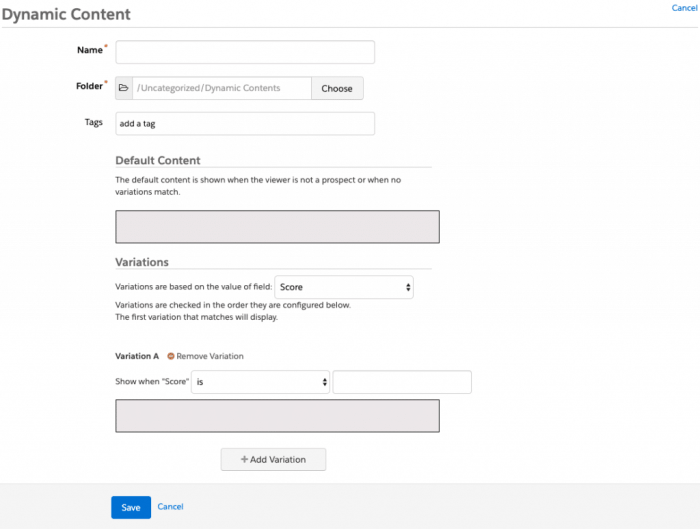

Automate your marketing with Pardot to streamline your campaigns and boost results. This guide delves into the powerful features of Pardot, showing you how to automate everything from email marketing to lead nurturing, and even social media engagement. We’ll explore Pardot’s integrations, customization options, and troubleshooting strategies to help you get the most out of your marketing automation efforts.
Pardot offers a wide array of tools to automate repetitive tasks, freeing up your team to focus on strategic initiatives. Learn about the key functionalities, features, and best practices for creating effective automations that increase lead generation and conversion rates. We’ll walk through examples of how to use Pardot’s automation workflows to achieve specific business goals.
Introduction to Pardot Automation
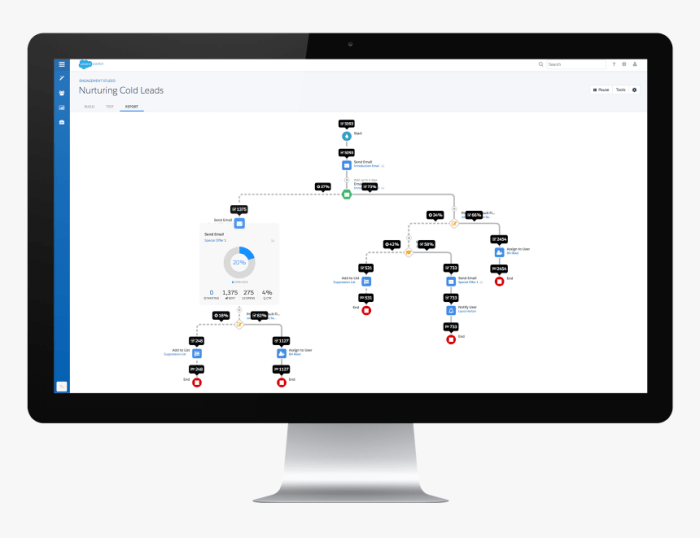
Pardot, a leading marketing automation platform, empowers businesses to streamline and optimize their marketing efforts. It offers a comprehensive suite of tools designed to nurture leads, automate repetitive tasks, and ultimately, drive conversions. Understanding Pardot’s capabilities is crucial for maximizing its potential in your marketing strategy.Pardot’s core functionalities revolve around automating various stages of the customer journey. From initial contact to final conversion, Pardot provides a structured approach to lead management, nurturing, and engagement.
This automation enables marketers to focus on strategic initiatives while the platform handles the routine tasks.
Core Functionalities of Pardot
Pardot’s core functionalities encompass a broad range of marketing automation capabilities. These functionalities work in concert to provide a comprehensive solution for lead nurturing and conversion. Key features include lead scoring, email marketing automation, landing page creation, and form building. This integrated approach allows for a seamless customer journey, from initial contact to conversion.
Integration with Other Marketing Tools
Pardot seamlessly integrates with a wide array of marketing and sales tools. This integration allows for a cohesive workflow, ensuring data consistency and streamlined processes across different departments. Common integrations include CRM systems like Salesforce, email platforms, and website analytics tools. This integration helps create a unified view of customer interactions and facilitates data-driven decision making.
Benefits of Automating Marketing Tasks with Pardot
Automating marketing tasks with Pardot delivers significant benefits, including improved efficiency, enhanced customer engagement, and increased ROI. By automating repetitive tasks, marketers can dedicate more time to strategic initiatives. Furthermore, automated campaigns can be tailored to individual customer needs, resulting in more personalized and effective interactions. Ultimately, this leads to a higher conversion rate and increased revenue generation.
A Basic Pardot Automation Workflow
The following flowchart illustrates a basic Pardot automation workflow, showcasing how leads can be nurtured and converted.
This workflow begins with a lead filling out a form on a landing page. Pardot automatically captures this data and assigns a lead score based on the information provided. The lead is then added to a specific nurture sequence. The nurture sequence involves automated emails triggered based on predetermined criteria, such as time elapsed or specific actions taken by the lead.
If the lead converts into a qualified prospect, the automation routes them to the sales team. If the lead does not engage within a certain timeframe, the automation can be set to remove them from the nurture sequence.
    +-----------------+
    |   Landing Page  |
    +-----------------+
            |
            V
    +-----------------+
    |  Form Submission |
    +-----------------+
            |
            V
    +-----------------+
    |  Lead Scoring   |
    +-----------------+
            |
            V
    +-----------------+
    | Nurture Sequence |
    +-----------------+
            |
            V
    +-----------------+
    | Sales Qualification |
    +-----------------+
            |
            V
    +-----------------+
    |  Conversion/Lead  |
    |  Removal          |
    +-----------------+
Key Pardot Automation Features
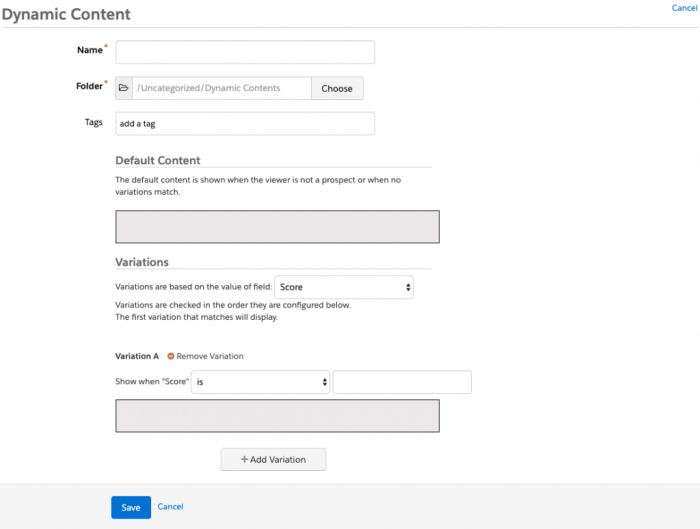
Pardot’s automation features are a powerful tool for marketers to streamline their processes and achieve greater efficiency.
By automating repetitive tasks, Pardot allows teams to focus on higher-level strategies and nurture leads effectively. This translates into improved lead generation, qualification, and ultimately, higher conversion rates.
Pardot’s robust automation engine encompasses a wide array of functionalities, from simple email sequences to complex workflows that adapt to various stages of the customer journey. It allows businesses to personalize interactions with prospects and customers, ultimately leading to a more engaging and effective marketing strategy.
Pardot Workflow Automation
Workflows are the cornerstone of Pardot automation, enabling marketers to create complex sequences of actions based on specific triggers and conditions. They go beyond simple email sequences by allowing for a more intricate orchestration of activities, such as assigning leads to sales representatives, updating contact properties, or triggering custom actions. This sophisticated approach allows for a highly personalized and targeted customer experience.
Workflows can be tailored to different segments of your audience, optimizing your interactions with them based on their unique characteristics and behavior.
Email Automation Capabilities
Pardot’s email automation capabilities are designed to nurture leads and move them through the sales funnel. Email sequences are a crucial element of lead nurturing, enabling marketers to deliver targeted messages at the appropriate time, thus fostering engagement and driving conversions. These sequences can be tailored to different segments, enabling highly personalized communication. Pardot allows for complex email sequences with conditional logic, enabling different paths based on recipient behavior, such as opening an email or clicking a link.
Automating your marketing with Pardot is a game-changer, streamlining workflows and boosting efficiency. However, the recent shake-ups in Silicon Valley, with Oracle snapping up various companies, like this article highlights , could potentially impact the marketing tech landscape. While this shift might bring some uncertainties, it’s crucial to stay ahead of the curve and explore tools like Pardot to ensure your marketing remains effective and scalable in this evolving market.
Lead Scoring and Qualification
Pardot’s lead scoring system allows marketers to prioritize leads based on their engagement and potential value. This system is crucial for optimizing sales team efficiency, directing efforts towards high-potential leads. The scoring criteria can be customized to reflect the specific needs and characteristics of your business, such as engagement with specific content, form submissions, or interactions with your website.
Properly implemented lead scoring can significantly improve sales conversion rates.
Custom Objects and Fields in Pardot Automation
Pardot’s custom objects and fields empower marketers to create tailored data models that meet specific business needs. This flexibility allows you to capture and analyze data beyond standard contact properties, enabling you to track unique interactions and behaviors. Custom fields can be included in workflows and automation rules, enabling more complex and personalized interactions with leads and customers.
Automating your marketing with Pardot is a game-changer, streamlining everything from email campaigns to lead nurturing. Knowing your Google Ads ad strength is crucial, and thankfully, ad strength google ads average excellent is often a sign of successful campaigns. Ultimately, this all ties back into maximizing your Pardot strategy and driving real results.
For instance, a company specializing in real estate might create custom fields to track the types of properties viewed by a prospect, enabling highly targeted follow-up.
Pardot Automation Triggers
Understanding Pardot’s automation triggers is crucial for creating effective workflows. These triggers initiate actions based on specific events.
| Trigger Type | Description | Example |
|---|---|---|
| Form Submissions | Actions based on form completions. | Contact submits a lead form. |
| Contact Properties | Actions based on contact attributes. | Contact’s industry is ‘Technology’. |
| Date/Time | Actions based on specific dates or times. | Send a welcome email on contact creation. |
| Events | Actions based on events in the Pardot platform. | Contact clicks a link. |
Practical Automation Use Cases: Automate Your Marketing With Pardot
Pardot’s automation capabilities extend far beyond basic email marketing. By leveraging its robust features, businesses can streamline various processes, freeing up valuable time and resources for higher-impact tasks. This section dives into practical examples of how Pardot automates key marketing functions, from lead nurturing to website updates.
Automating your marketing with Pardot is a game-changer, but remember your website is the cornerstone of your online presence. Your website is the hub of your firm’s online presence and needs to be seamlessly integrated with your automated marketing efforts. By focusing on both, you can truly maximize your marketing ROI with Pardot.
Understanding how Pardot can automate these processes is crucial for maximizing the platform’s potential. Automation isn’t just about sending emails; it’s about creating a dynamic, responsive marketing engine that adapts to lead behavior and delivers personalized experiences.
Email Marketing Campaign Automation
Pardot allows for sophisticated email marketing automation. Automated sequences can be triggered by specific actions, such as website visits, form submissions, or interactions with previous emails. This enables targeted, timely communication, nurturing leads throughout the sales funnel. For instance, a new lead downloading a whitepaper could automatically receive a series of emails introducing the company and its products, leading to a follow-up call from a sales representative.
Lead Nurturing Through Automated Sequences
Automated lead nurturing sequences are vital for guiding prospects through the sales funnel. These sequences, defined by a series of emails, can be triggered by lead actions or time-based intervals. Pardot allows for the creation of complex branching logic, where different sequences are triggered based on lead responses. A lead showing interest in a specific product might receive a series of emails highlighting related resources and case studies.
This targeted approach increases the chances of conversion.
Lead Qualification and Routing Automation
Pardot’s automation capabilities extend to lead qualification and routing. Rules can be set to automatically categorize leads based on specific criteria, such as industry, company size, or expressed needs. Qualified leads can then be automatically routed to the appropriate sales team members, ensuring efficient follow-up and timely responses. This ensures leads are handled by the most suitable person based on their profile and expressed interest.
Social Media Engagement Automation
Automating social media engagement allows businesses to maintain a consistent presence and engage with prospects effectively. Pardot can be integrated with social media platforms to automatically schedule posts, respond to comments, and track social media interactions. This enables continuous interaction, building brand awareness and fostering engagement. Consider scheduling posts based on past engagement trends and adjusting the frequency of posting to maximize visibility and minimize wasted effort.
Website Content Updates Automation
Pardot can be integrated with website content management systems to automate website content updates. For instance, product updates can be automatically published to the website based on defined triggers, ensuring accuracy and keeping the website current. New blog posts can be scheduled and published automatically based on pre-determined intervals or events, keeping content fresh and engaging. This ensures the website is always updated with the latest information, enhancing user experience.
Best Practices and Considerations
Pardot automation offers powerful tools for streamlining marketing processes, but successful implementation requires careful planning and execution. Ignoring best practices can lead to wasted resources and ineffective campaigns. This section dives into crucial considerations for maximizing your Pardot automation workflows. Understanding common pitfalls, optimizing strategies, and continuously monitoring performance are key to achieving your marketing goals.
Effective Pardot automation is more than just setting up triggers and actions. It’s about building a system that seamlessly integrates with your overall marketing strategy and delivers tangible results. We’ll explore strategies for avoiding common pitfalls, optimizing workflow efficiency, and establishing a sustainable approach to automation.
Common Pitfalls in Pardot Automation
Poorly defined objectives and unrealistic expectations are frequent pitfalls. Automation should align with specific, measurable goals. Without clear targets, it’s challenging to assess the effectiveness of the automation. Similarly, neglecting thorough testing before deployment can lead to errors and wasted effort. Furthermore, a lack of ongoing monitoring and adjustments can cause automation workflows to become ineffective over time.
Poor segmentation strategies can result in irrelevant messages reaching the wrong audience. Finally, over-automation can lead to a frustrating and overwhelming experience for your contacts.
Strategies for Optimizing Pardot Automation Workflows
To optimize Pardot automation, meticulous planning is paramount. Begin by clearly defining the desired outcomes for each automation. Clearly defined objectives will guide the development of effective workflows. Carefully consider the triggers and conditions within each automation. These elements should be specific and relevant to the intended outcome.
Regular monitoring and analysis are crucial for identifying areas for improvement. Analyzing key metrics, such as email open rates and conversion rates, provides valuable insights for refining the automation.
Importance of Monitoring and Adjusting Automation Performance
Continuous monitoring of automation performance is essential for long-term effectiveness. Track key metrics like email open rates, click-through rates, and conversions. Use these metrics to identify areas where the automation can be improved. Regularly review and adjust the automation based on performance data. This iterative approach ensures that the automation remains relevant and effective over time.
Regularly assess whether the triggers and actions are still aligned with your goals.
Best Practices for Segmenting Audiences for Effective Automation
Effective audience segmentation is critical for delivering personalized experiences. Identify distinct segments based on contact characteristics, behaviors, and engagement levels. Tailor your automation workflows to address the specific needs and interests of each segment. For example, categorize contacts based on their interaction with your website or their purchase history. This targeted approach enhances engagement and yields higher conversion rates.
Segmentation should be a dynamic process; continuously refine your segments as your audience evolves.
Avoiding Over-Automation and Maintaining a Balanced Approach
Over-automation can lead to a negative user experience, overwhelming contacts with numerous emails and prompts. Focus on automation where it adds value and enhances the customer journey. Instead of automating every interaction, prioritize key touchpoints where automation can deliver the best results. Avoid overwhelming your contacts with excessive communications. Instead, focus on providing valuable information and personalized experiences.
Balance automation with human touchpoints for a more holistic and effective marketing strategy.

Best Practices for Designing Effective Pardot Automation
This table summarizes key best practices for creating effective Pardot automation workflows.
| Practice | Description | Example |
|---|---|---|
| Clear Objectives | Define specific goals for each automation. | Increase lead conversions by 15% |
| Well-Defined Triggers | Use specific and relevant triggers. | Trigger automation when a contact visits a specific page. |
| Regular Monitoring | Track performance and make adjustments. | Analyze email open rates and adjust content. |
| Testing | Thoroughly test each automation before deployment. | Send test emails to ensure accuracy. |
| User Experience | Ensure a seamless user experience. | Provide clear steps and feedback. |
Integration and Customization
Pardot’s power truly shines when integrated with other tools and customized to your specific business needs. This flexibility allows you to build a marketing ecosystem that seamlessly works together, automating processes and providing a holistic view of your marketing efforts. By connecting Pardot with your CRM and other marketing platforms, you can ensure a unified customer journey and create highly targeted campaigns.
Customizing Pardot’s forms and automation rules will further enhance your campaigns, creating more effective workflows and personalized experiences for your leads.
Integrating Pardot with your existing marketing stack is a crucial step to maximizing its potential. A well-integrated system eliminates data silos, streamlines processes, and provides a comprehensive view of your customer interactions. This allows for better decision-making and more targeted marketing campaigns.
Integrating Pardot with Other Marketing Tools
Pardot integrates with a wide array of marketing tools, including email marketing platforms, social media management tools, and advertising platforms. This integration can be achieved through various methods, such as APIs, custom integrations, or through third-party applications. By connecting these tools, you can automate workflows that span different platforms, creating a unified marketing experience for your customers. For instance, automatically transferring leads from a landing page to Pardot after form submission.
Customizing Pardot Automation for Specific Business Needs
Pardot’s automation features are highly customizable. You can tailor automation rules to your specific business processes and customer journeys. For example, you can create automated workflows that trigger based on specific lead actions, such as opening an email or visiting a specific webpage. This allows for highly personalized communication that anticipates customer needs. By customizing these actions, you can provide targeted messages that resonate with individual customers, improving engagement and conversion rates.
Integrating Pardot with CRM Systems
Integrating Pardot with your CRM is essential for a holistic view of customer interactions. This integration allows for the transfer of data between systems, providing a complete picture of the customer journey. This is typically achieved through API connections, which enable real-time data synchronization. For instance, when a lead converts in Pardot, the corresponding information is automatically updated in your CRM.
This unified data enables a more comprehensive understanding of customer behavior, allowing you to refine your marketing strategies and personalize customer interactions.
Customizing Pardot Forms and Fields for Better Automation
Customizing Pardot forms and fields enhances automation by allowing you to gather specific data from your leads. Adding custom fields to forms enables you to collect crucial information, such as product preferences or past interactions. This tailored data is then used to segment leads and personalize their experience. For instance, adding a field for “preferred communication method” allows you to send emails through the preferred channel.
This increased personalization strengthens your connection with customers, ultimately improving conversions.
Building Custom Pardot Reports
Custom Pardot reports provide deeper insights into your marketing performance. They go beyond standard reports, allowing you to analyze data based on your specific business needs. Custom reports can be created by utilizing Pardot’s reporting features and configuring specific criteria. For instance, you can build a report that tracks the conversion rates of different marketing campaigns or analyzes the engagement levels of specific lead segments.
This deeper level of analysis allows for data-driven decision-making, enabling you to refine your strategies and optimize your marketing performance.
Troubleshooting and Support
Pardot automation, while powerful, can sometimes encounter hiccups. Understanding common issues, effective troubleshooting steps, and how to navigate support channels are crucial for maintaining a smooth workflow and maximizing your marketing ROI. This section provides a practical guide to overcome automation challenges and get your campaigns back on track.
Common Pardot Automation Issues
Pardot automation failures can stem from various sources. Incorrect trigger configurations, faulty automation logic, or integration problems with other systems are frequent culprits. Understanding the potential causes of these issues is the first step towards resolution. Missing data fields, mismatched data types, or outdated system settings can also disrupt automation processes.
Troubleshooting Automation Errors
A systematic approach to troubleshooting is essential. First, meticulously review the automation setup, ensuring all triggers, conditions, and actions are correctly configured. Verify data fields, their types, and values are as expected. Examine the automation’s flow for any potential logical errors or conflicts. Check for any recent changes to the Pardot instance or connected systems.
Use Pardot’s built-in debugging tools to identify specific points where the automation fails. Review the automation’s logs for error messages that can provide clues.
Methods for Communicating with Pardot Support
Effective communication with Pardot support is key to timely resolution. Provide clear and concise details about the automation issue, including specific steps to reproduce the error, relevant data samples, and any error messages you encounter. Clearly state the expected outcome versus the actual outcome. Attach relevant screenshots or documentation to enhance clarity. Be prepared to answer questions about your Pardot setup and configuration.
Using the Pardot knowledge base and community forums for preliminary troubleshooting is highly recommended.
Pardot Support Resources
Pardot offers comprehensive resources to assist users. The Pardot knowledge base is a valuable repository of articles, tutorials, and FAQs. Active Pardot user communities and forums offer insights from peers and experts. Utilize these resources to find solutions to common issues and gain insights into best practices. Leverage Pardot’s excellent documentation and tutorials for assistance with automation configuration and troubleshooting.
Recovering from Automation Failures, Automate your marketing with pardot
When automation fails, the recovery process involves identifying the root cause and implementing corrective actions. This often entails reviewing the automation’s configuration, identifying any errors or inconsistencies, and adjusting the setup as needed. Rebuilding the automation from scratch, if necessary, may be a last resort. After implementing changes, thoroughly test the automation to ensure it’s functioning correctly.
Monitor the automation’s performance closely to prevent future failures. Back up your automation configurations before making any changes. Document your troubleshooting steps and solutions for future reference.
Wrap-Up
In conclusion, automating your marketing with Pardot empowers businesses to optimize their campaigns and achieve measurable results. By understanding Pardot’s features, best practices, and integration capabilities, you can create personalized customer experiences and nurture leads effectively. This guide equips you with the knowledge to implement successful Pardot automations, driving growth and efficiency for your marketing team.